

New Orleans is the most atmospheric city in America and the one that operates on a completely different set of cultural values from every other city in the country.
Disclosure: This post contains affiliate links. If you buy through them, Roman Trail earns a small commission at no extra cost to you.
The Louisiana city of 383,000 people at the bend of the Mississippi River 160 kilometers from the Gulf of Mexico has been shaped by French and Spanish colonial rule, by the largest enslaved African population of any American city, by the Haitian Revolution refugees who brought Vodou culture and Creole cuisine, and by the particular joy and grief and acceptance of mortality that characterizes a city that floods and rebuilds and floods again. The result is a culture of extraordinary music, extraordinary food, and an attitude toward pleasure and celebration that is unlike anything else in the United States.
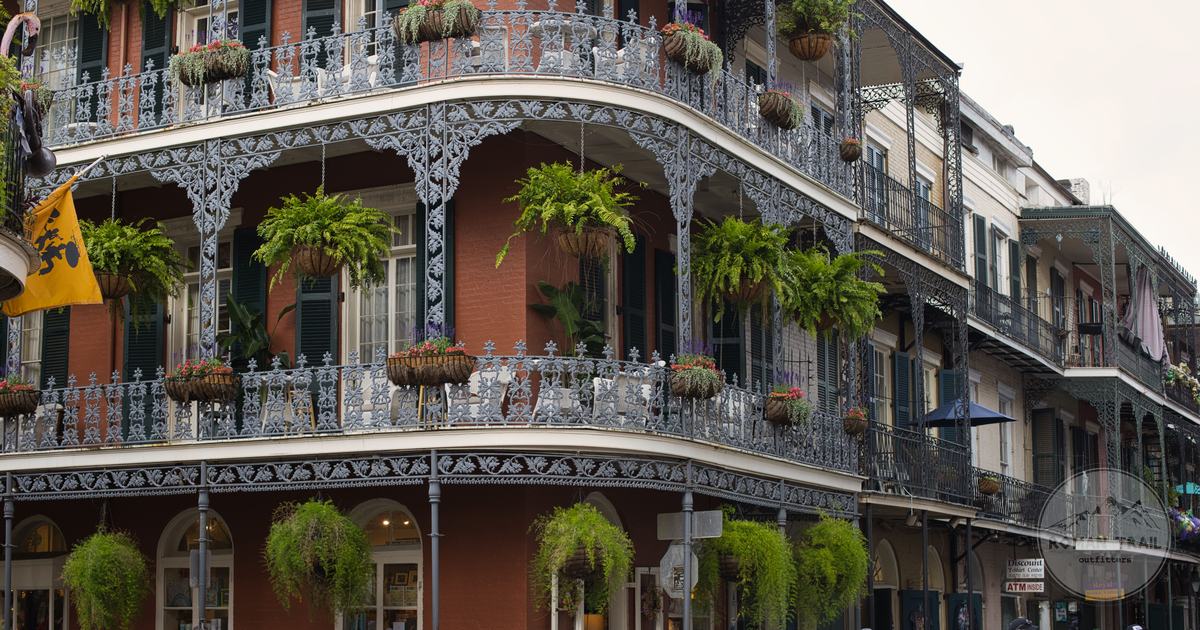
The French Quarter, the oldest urban neighborhood in America, has been continuously inhabited since 1718 and contains the most concentrated architecture of colonial French and Spanish heritage in the country. Bourbon Street, the most famous street in the city, runs through it in a continuous festival of music and excess that operates 24 hours a day, 365 days a year. Royal Street, the more atmospheric parallel street, has the finest antique shops, art galleries, and the street musicians who represent the genuine New Orleans music tradition rather than the tourist-facing Bourbon Street spectacle.
The Garden District across the streetcar line from the French Quarter has the grandest antebellum mansions in the American South, in a neighborhood of tree-canopied streets where the wealth of the 19th century cotton economy is preserved in extraordinary architectural form.
The food. The beignets at Cafe Du Monde, open 24 hours under the green and white awning at the edge of Jackson Square. The gumbo at Dooky Chase's. The po-boy at Domilise's. The muffuletta at Central Grocery. The crawfish etouffee at any restaurant in the Creole tradition. New Orleans has the most distinctive regional food culture of any American city.
Understanding New Orleans's Climate
New Orleans is subtropical and the heat and humidity are the defining facts of the climate.
Summer from May through September: extreme heat and humidity with temperatures from 32 to 36 degrees Celsius and humidity above 80 percent. Hurricane season from June through November peaks in August and September. The summer heat makes outdoor activity exhausting by midday.
Winter from December through February: mild with temperatures from 8 to 18 degrees Celsius. Occasionally cold with frost possible. The finest season for walking the city.
Spring from March through May: warming, with Mardi Gras in February or March and Jazz Fest in late April through early May. The most festive season.
Autumn from September through November: gradually cooling, with the October and November weather the most pleasant of the year after the summer heat breaks.
The humidity is the number the forecast hides. New Orleans sits below sea level between a river and a lake, and summer humidity above 80 percent means sweat does not evaporate. A 33-degree afternoon here is harder work than a 38-degree afternoon in a dry climate, and it is the reason locals structure summer days around a long indoor break in the middle.
Recommended Tours and Experiences
The Layering System for New Orleans
Base Layer
The Roman Trail Women's Merino Wool Base Layer ($49-59) handles New Orleans's extremes. In the summer heat it manages moisture better than cotton for the sustained outdoor walking of the French Quarter. In the mild winter it provides warmth without bulk. The aggressive air conditioning of every New Orleans restaurant and bar creates the same indoor-outdoor contrast as Miami, requiring a layer even in summer.
Bring two and rotate them. The odor resistance matters more here than in most destinations, because you will sweat through a French Quarter afternoon and then go straight to dinner without returning to the hotel.
Mid Layer
The Columbia Women's Fast Trek II Jacket ($65) handles New Orleans's winter and the indoor air conditioning of summer.
Rain Shell
New Orleans receives significant rain throughout the year and the afternoon thunderstorms of summer are intense. The Marmot Women's PreCip Eco Rain Jacket ($110) handles New Orleans's rain reliably. The storms arrive fast, drop a great deal of water in a short period, and clear, and the streets flood at the corners while they do it, which is worth knowing before you choose your shoes.
New Orleans Style
New Orleans has a specific aesthetic culture that rewards dressing with color, personality, and a willingness to be seen. The city that invented jazz and Mardi Gras and the second line parade is not a city of understated neutral tones. Pack something with color. Pack something festive. The city will reward it.
For Mardi Gras: purple, green, and gold are the traditional colors. Costumes are encouraged at all levels of elaboration, from a string of beads to full theatrical costuming. The more effort you make the better the experience.
For Jazz Fest: comfortable and colorful. The New Orleans Jazz and Heritage Festival at the Fair Grounds is an outdoor festival in late April when the weather is warm. Comfortable shoes are essential.
Footwear for New Orleans
New Orleans streets, particularly the French Quarter, are uneven, cobblestone in places, and often wet from rain or spillage. Comfortable flat shoes with grip are essential. The cobblestones of Royal Street and the wet surfaces of Bourbon Street at midnight make heels genuinely dangerous. The Salomon Women's X Ultra 4 GTX ($165) handles New Orleans terrain. One pair of comfortable dressier flats for evening. Two pairs total.
For socks the Darn Tough Women's Hiker Micro Crew Merino Socks ($28) handle New Orleans's sustained walking without blisters.
Clothing List
Two merino base layer tops. Two casual colorful tops that fit the New Orleans aesthetic. One dressier outfit for the Garden District dinner scene. One festive outfit if visiting during Mardi Gras or Jazz Fest. Light fleece or cardigan for air conditioning and winter evenings. Compact rain shell. Comfortable flat grippy shoes. One dressier flat for evening. Three merino socks. Two casual socks.
Add a small crossbody bag that zips. New Orleans is a city where you carry your things through crowds, on a streetcar, and into a bar for six hours, and a bag you can keep in front of you solves most of the practical problems of a night out here.
What Not to Bring to New Orleans
Leave the heels. This is the single most repeated advice from anyone who has spent a night in the French Quarter, and it is about the cobblestones and the wet pavement rather than about dressing down.
Leave the heavy coat unless you are visiting in January. New Orleans winter is mild and a base layer under a fleece under a rain shell covers almost everything the season produces.
Leave anything you would be upset to have beer spilled on, and leave the umbrella, which does not survive a Gulf Coast thunderstorm or a crowded sidewalk.
New Orleans by Neighborhood
The French Quarter, the oldest neighborhood, has Jackson Square, St Louis Cathedral, Cafe Du Monde, the French Market, Bourbon Street, Royal Street, and the most concentrated historic architecture in the American South.
The Garden District, across the St Charles Avenue streetcar line, has the grandest antebellum mansions in America and the most beautiful residential streetscapes in the South. Commander's Palace in the Garden District is one of the great American dining institutions.
Frenchmen Street in the Marigny neighborhood east of the French Quarter has the most authentic New Orleans live music scene, with multiple venues presenting jazz, brass band, and blues every night of the week in an atmosphere more genuinely local than Bourbon Street.
Treme northwest of the French Quarter is the oldest African American neighborhood in the country and the birthplace of jazz. The Backstreet Cultural Museum in Treme documents the Mardi Gras Indian tradition and the second line parade culture that are the most distinctive expressions of New Orleans Black culture.
Getting Around and What It Means for Your Feet
New Orleans is a walking city in its core and a streetcar city beyond it. The French Quarter is roughly thirteen blocks by six and entirely walkable, which is how most visitors spend most of their time. The St Charles Avenue line, the oldest continuously operating streetcar in the world, runs from Canal Street through the Garden District and out to Audubon Park, and at $1.25 a ride it is both transport and sightseeing.
What this means practically is that you will cover eight to twelve kilometers on a full day, much of it on uneven brick and flagstone laid before anyone considered ankles. Combine that with heat, humidity, and a late night, and footwear becomes the decision that determines how much of the city you actually see. This is the packing item worth spending money on for New Orleans.
New Orleans Packing FAQ
What is a second line parade?
A second line is a New Orleans tradition where a brass band leads a parade through the streets, with the second line being the community that follows, dancing and twirling umbrellas and handkerchiefs in celebration. Social aid and pleasure clubs organize second lines on Sundays from October through June. The schedule is published weekly. Joining a second line is one of the most joyful experiences available in New Orleans.
When is Mardi Gras?
Mardi Gras, Fat Tuesday, falls 47 days before Easter and moves between early February and early March. The carnival season begins on January 6th, Epiphany, and builds through February with parade after parade until the culminating chaos of Mardi Gras day itself. Book accommodation a year in advance for the final week.
How should I pack differently for Mardi Gras or Jazz Fest?
Both are long days on your feet outdoors in variable weather, so the packing shifts toward endurance rather than style. Comfortable broken-in shoes, a layer you can tie around your waist, a zipped crossbody, and rain protection are the essentials. For Mardi Gras add the purple, green, and gold. For Jazz Fest add sun protection, because the Fair Grounds have very little shade.
What food should I try in New Orleans?
Beignets, the fried dough covered in powdered sugar, at Cafe Du Monde at 3am. A po-boy, the overstuffed French bread sandwich with shrimp or oysters, dressed with lettuce, tomato, and mayonnaise. Gumbo, the roux-based stew of okra, shrimp, chicken, andouille sausage, and the holy trinity of onion, celery, and bell pepper. Red beans and rice on Monday, where the tradition goes back to when Monday was laundry day and red beans cooked themselves while the women worked. Beignets again.
For the full city plan, including safety, the neighborhoods, Mardi Gras and Jazz Fest logistics, the streetcars, costs, and where to stay, see the New Orleans travel guide for women.
You can read more about building a merino-first travel wardrobe on the Roman Trail merino wool base layer guide. Browse the full collection at Roman Trail women's merino base layers, available in eight colors with free two-day shipping and a two-year satisfaction guarantee.
If the outer journey is calling you, the inner one usually is too. Explore SoulMap at romantrail.com/blogs/soulmap.


