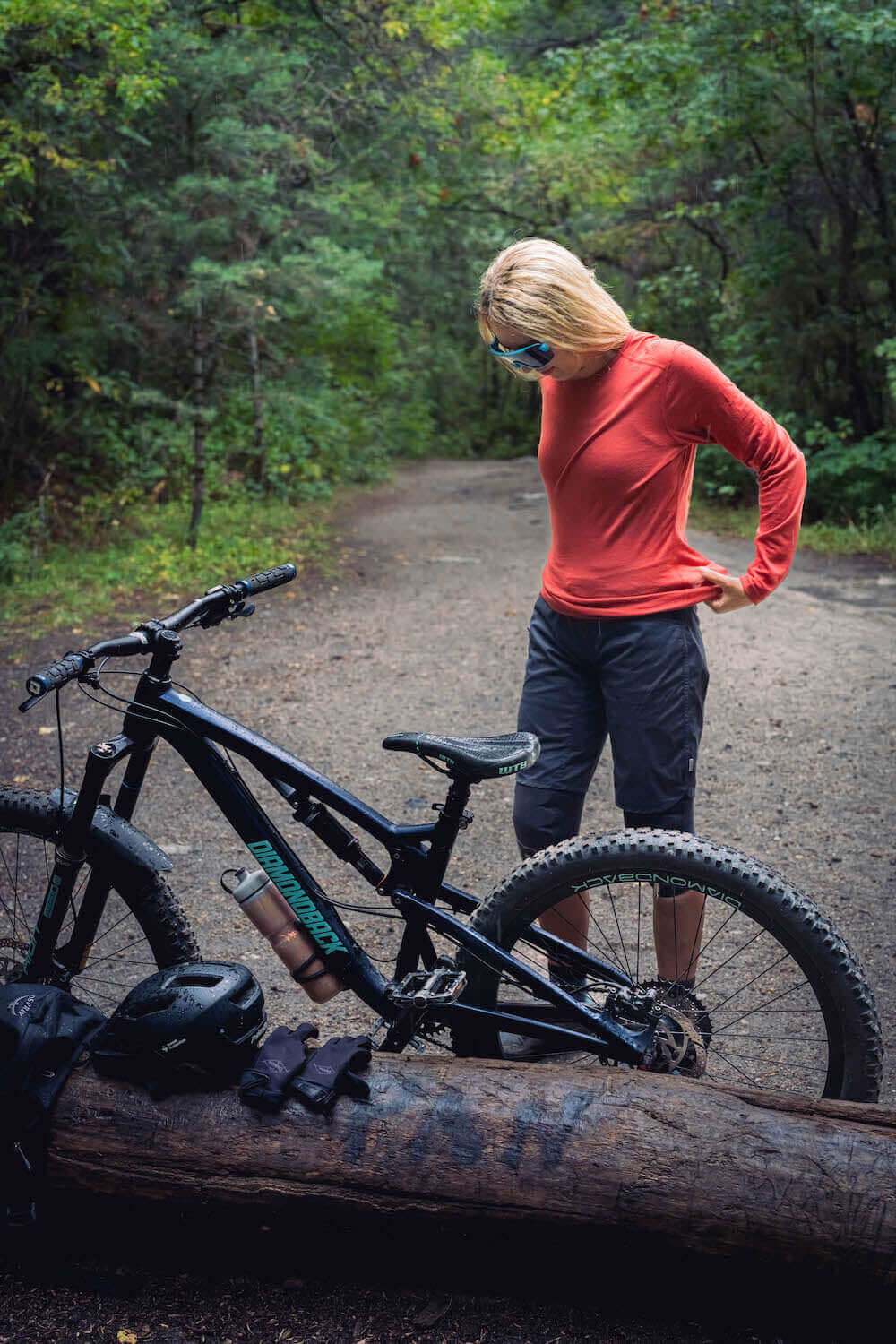
Why Women Choose Merino Wool Base Layers for Outdoor Comfort and Performance

Women choose merino wool base layers because female thermoregulation works differently from male thermoregulation, and merino is the only widely available fibre that handles the specific problem that difference creates. Women lose heat faster at the extremities, operate inside a narrower band of thermal comfort, and move between exertion and stillness more often than a single-activity garment is designed for. Merino manages all three at once.
This guide is about the physiology, not the fabric specification. If you want fibre diameter, gsm weights, micron counts and a material by material comparison, the merino wool base layer guide for women covers that ground in detail. What follows is the other half of the question: what your body is actually doing, and how to dress for it.
How Female Thermoregulation Actually Differs
The short answer is that women reach the point of feeling cold at a higher ambient temperature than men do, and it is not a matter of perception. Four physiological factors stack up, and they compound rather than cancel out.
Lower resting heat production
Skeletal muscle is the body's furnace at rest. Women carry less absolute muscle mass than men of comparable size and therefore generate less metabolic heat while stationary. Resting metabolic rate is typically 5 to 10 percent lower after adjusting for body size. On the move this gap closes substantially, which is why the problem shows up at the summit, at the trailhead, on the chairlift and at the bus stop rather than mid climb.
An earlier and stronger vasoconstriction response
When the body senses cooling it protects core temperature by narrowing the blood vessels near the skin and in the extremities, pushing warm blood inward. Women initiate this response at a higher skin temperature and constrict more strongly, particularly in the fingers and toes. This is the single most useful thing to understand about cold hands: they are frequently not a glove problem. They are a signal that your core has decided to start rationing, and the fix is at the torso.
A higher surface area to mass ratio
Smaller bodies have proportionally more skin for the volume they contain, and skin is where heat leaves. A woman of 60 kilograms sheds heat faster per unit of body mass than a man of 85 kilograms in identical conditions, before any other factor is considered.
Fat distribution, and the insulation that does not help
Women carry a higher proportion of body fat, which sounds like an insulating advantage and largely is not. The distribution is peripheral and subcutaneous rather than concentrated around the core, and subcutaneous fat sits on the wrong side of the constricted blood vessels to do much good. It insulates the limbs after the body has already reduced blood flow to them, which is help arriving where it is least needed.

The Narrow Comfort Band, and What It Costs Outdoors
Put those four factors together and the result is a compressed range of conditions in which a woman feels neither cold nor overheated. Studies of office thermal comfort consistently find women preferring ambient temperatures around 2.5 degrees Celsius warmer than men, and reporting dissatisfaction at both ends of the range more often.
Outdoors that narrowness has a practical cost. It means the margin for getting your layering wrong is smaller. A man who overdresses by one layer is slightly warm. A woman who overdresses by one layer sweats, and then the sweat cools her below where she started, and she is now colder than if she had underdressed. The penalty for error runs in both directions and arrives faster.
This is the mechanism that makes moisture management the deciding property rather than raw warmth. A garment that holds sweat against the skin converts a brief overdressing mistake into an hour of being cold. A garment that moves moisture vapour away and keeps insulating while damp absorbs the mistake instead.
Cycle Phase, Core Temperature and Month to Month Variation
Core body temperature is not a fixed number across a menstrual cycle. It rises roughly 0.3 to 0.5 degrees Celsius after ovulation and stays elevated through the luteal phase, falling again as menstruation begins. The thresholds at which the body starts sweating and starts shivering shift along with it.
The practical effect is that the same clothing in the same weather feels different depending on where you are in the month. Many women run noticeably warmer in the luteal phase and noticeably colder in the days immediately before menstruation, when core temperature drops and, for some, iron levels are lower.
No fabric solves this. What handles it is a system with genuine adjustability: a base layer that regulates rather than simply insulates, and a mid layer you can actually take off and stow. This is the argument against the single heavy garment, and it is a stronger argument for women than for men.
Matching Layers to How Your Body Behaves
Most layering advice assumes steady output. Real days outdoors are not steady, and the female thermoregulatory profile is least forgiving exactly where the output changes.
The stop and start problem
Consider a normal hiking day: forty minutes of climbing, a ten minute stop at a viewpoint, a descent, lunch, more climbing. During each climb you generate heat and moisture. During each stop your heat production falls within two or three minutes while the moisture in your clothing remains. Women feel these transitions harder because the vasoconstriction response is already primed to trigger.
The fix is not more insulation. It is a base layer that has already moved the moisture off your skin before you stop, so that the stop begins from dry rather than damp. Merino absorbs moisture as vapour into the fibre core, which keeps the surface against your skin drier than a synthetic wicking fabric does at the same point in the day.
Dressing for the second mile
The standing rule is to start slightly cold. If you are comfortable at the trailhead you are overdressed for the next twenty minutes. Because the penalty for sweating is higher for women, this rule matters more, and it is easier to follow when the base layer against your skin tolerates the brief chill at the start without feeling unpleasant. Merino next to the skin at 17.5 micron is comfortable at a temperature where a synthetic feels cold and clammy.
Where the cold actually arrives
Given the vasoconstriction pattern, the order of priority is core first, then head, then hands and feet. Adding a warmer torso layer frequently fixes cold fingers that gloves did not. Covering the head matters because it is the one area where the body does not restrict blood flow much, so heat keeps leaving regardless. Hands and feet are last in line and respond least to being insulated in isolation.
One Layer From Trailhead to Airport
The activity range a single merino top covers is what makes it worth its price, and this is where it separates from purpose-built technical kit. The same garment reasonably handles a summer hike, a cold dawn start, an air conditioned museum, a long flight, a warm city afternoon and a night in a mountain hut.
That range comes from the fibre working in both directions. In heat, moisture vapour moves away from the skin and evaporates, cooling you. In cold, the crimped structure traps air and the absorbed moisture releases a small amount of heat as it binds to the fibre. One garment covering both ends is the reason a week of travel fits in a carry on.
The destination guides show what that looks like in practice across very different conditions. Iceland is the four seasons in one day case, where the layer has to work in wind, rain and sun within a single afternoon. Patagonia is the sustained wind and cold case, where insulating while damp is not optional. Peru is the altitude case, with a 20 degree swing between midday sun and after dark at 3,400 metres. Japan is the city and temple case, where the same top has to look presentable indoors and perform on a long walking day.

Odour Management Over Five Days Without Laundry
Odour resistance is usually sold as a convenience. On a multi day trip it is a load bearing feature, because it determines how many garments you carry.
The mechanism is worth understanding because it explains the limits. Body odour is produced by bacteria metabolising compounds in sweat, and those bacteria need liquid moisture on a surface to multiply. Merino absorbs moisture as vapour into the interior of the fibre, so the surface stays relatively dry and the bacterial population grows slowly. Wool also binds some odour compounds within the fibre structure rather than releasing them. Neither effect is a chemical treatment, so neither washes out or degrades over time.
In practice, three to five days of active wear is normal before a merino top needs washing, and a week is achievable in cool dry conditions. Two tops then cover a two week trip, which is the difference between a carry on and a checked bag.
Two things reset it noticeably. Airing the garment overnight, ideally hanging rather than folded, lets the absorbed moisture leave. Rinsing without detergent and drying flat removes surface salts. What does not help is fabric softener, which coats the fibre and interferes with the moisture transport the whole effect depends on.
Sleeping in Merino and Overnight Heat Loss
Overnight is when the physiology is least in your favour. Metabolic rate falls during sleep, so heat production drops at the point when you are least able to do anything about it, and core temperature is deliberately lowered as part of falling asleep. Women report cold nights while camping far more often than men, and the reason is that a sleeping bag is insulation only. It traps the heat you make. If you are making less, it has less to work with.
A clean dry merino base layer inside the bag adds warmth without compressing the bag's insulation, and stays comfortable directly against the skin for eight hours in a way that a synthetic thermal does not. The one rule that matters more than the garment choice is to change out of anything damp before getting in. A damp layer inside a sleeping bag costs more warmth than the layer contributes, and it will not dry overnight in cold conditions.
Where Merino Is the Wrong Answer
An honest guide has to include this. Merino is not the right choice in every case.
High abrasion use. Merino is less durable than nylon against pack straps, harness rub and rock contact. For climbing and scrambling where abrasion is constant, a synthetic or a blend lasts longer.
Very high sweat rates in warm conditions. Once you saturate merino it takes longer to dry than polyester. For sustained hard effort in heat, where you will be soaked regardless and drying speed is the deciding factor, synthetic is the better tool.
Genuine wool sensitivity. Most wool itch is a mechanical response to coarse fibre and disappears at superfine grades below 18 micron. True lanolin allergy is rare but real, and for someone who has it no micron count helps.
Where cost decides. Merino costs more than synthetic per garment. The cost per wear usually lands in merino's favour because you own fewer garments and wash them less, but that argument is only relevant if the upfront price is payable at all.
Frequently Asked Questions
Do women really need a different base layer than men?
Functionally yes, for two reasons that have nothing to do with marketing. Women produce less resting metabolic heat on average because of lower absolute muscle mass, and they vasoconstrict at the extremities sooner and more strongly. That combination means a woman at rest in the same conditions as a man is often genuinely colder rather than subjectively colder. A base layer cut for a female torso with extra back length also stays tucked when you reach overhead, which matters more than it sounds when the alternative is a cold gap at the lower back every time you scramble.
Why do my hands and feet get cold before the rest of me?
That is the vasoconstriction response working as designed. When your body detects cooling it prioritises core temperature by reducing blood flow to the skin and the extremities first. Women show this response at a higher ambient temperature than men do, which is why the hands and feet go cold while the core still feels fine. The practical consequence is counterintuitive: warming your core with a better base layer often does more for cold hands than gloves do, because it removes the signal telling your body to shut the extremities down.
How many days can I wear a merino base layer without washing it?
Three to five days of active use is realistic, and longer in cool dry conditions. Merino resists odour because the fibre absorbs moisture vapour into its core rather than leaving it on the surface, and odour-causing bacteria need surface moisture to multiply. This is not a deodorising treatment that washes out, it is a property of the fibre itself. Airing the garment overnight resets it noticeably.
Does merino still work when it gets wet?
Yes, and this is the property that matters most in cold weather. Merino holds up to roughly 30 percent of its own weight in moisture before it feels wet to the touch, and it continues to insulate when damp. Cotton loses almost all insulating value when wet and actively accelerates heat loss. Synthetics dry faster but feel clammy and stop insulating sooner.
Is merino too warm for summer or for tropical travel?
No, and lightweight merino is one of the better warm-weather fabrics available. The same moisture management that keeps you warm in the cold moves moisture vapour away from the skin in heat. A 160 gsm merino top in 30 degree humidity is more comfortable than a cotton t-shirt, dries faster, and does not develop odour over a long travel day.
Does my comfort range change across my menstrual cycle?
Measurably, yes. Core body temperature rises by roughly 0.3 to 0.5 degrees Celsius in the luteal phase, and the temperature at which you start sweating shifts with it. Most women notice they run warmer in the second half of the cycle and colder in the days before menstruation. A layering system with a merino base and a mid layer you can genuinely remove handles that variation better than one heavy garment does.
Should I sleep in my base layer when camping?
Usually yes, provided it is dry. A sleeping bag insulates but does not generate heat, and women lose heat faster overnight as metabolic rate drops during sleep. A clean dry merino base layer inside the bag adds warmth without bulk and stays comfortable against the skin. The rule that matters is changing out of anything damp before you get in, because sleeping in a damp layer costs you more warmth than the layer provides.
Related Guides
For fibre specification, gsm weights, micron counts and the material by material comparison, see the merino wool base layer guide for women. For the properties of the fibre itself and what crimp, lanolin and moisture regain actually mean, see why merino wool base layers work for outdoor use. For choosing a weight against a specific climate, the merino wool weight guide covers gsm by temperature band and activity level.
For applying all of it to a specific trip, the women's travel packing guide is the parent for every destination, and the women's trail hiking guide covers trail specific layering, footwear and pack weight. The full range is at Roman Trail women's merino base layers, in eight colours with free two day shipping and a two year satisfaction guarantee.
Blog posts
View all-

Packing List for Colonia del Sacramento: What W...
What to pack for Colonia del Sacramento. A Portuguese smuggling town of 1680 that is now a UNESCO quarter, an hour by ferry from Buenos Aires.
Packing List for Colonia del Sacramento: What W...
What to pack for Colonia del Sacramento. A Portuguese smuggling town of 1680 that is now a UNESCO quarter, an hour by ferry from Buenos Aires.
-

Packing List for Watamu: What Women Should Bring
What to pack for Watamu. A marine park on the Swahili coast with turtle nesting beaches, coral gardens and the ruins of a lost city behind it.
Packing List for Watamu: What Women Should Bring
What to pack for Watamu. A marine park on the Swahili coast with turtle nesting beaches, coral gardens and the ruins of a lost city behind it.
-

Packing List for Tsavo West: What Women Should ...
What to pack for Tsavo West. Red earth, red elephants, lava flows and springs, on the road between Nairobi and Mombasa.
Packing List for Tsavo West: What Women Should ...
What to pack for Tsavo West. Red earth, red elephants, lava flows and springs, on the road between Nairobi and Mombasa.


Contact form

Roman Trail Outfitters
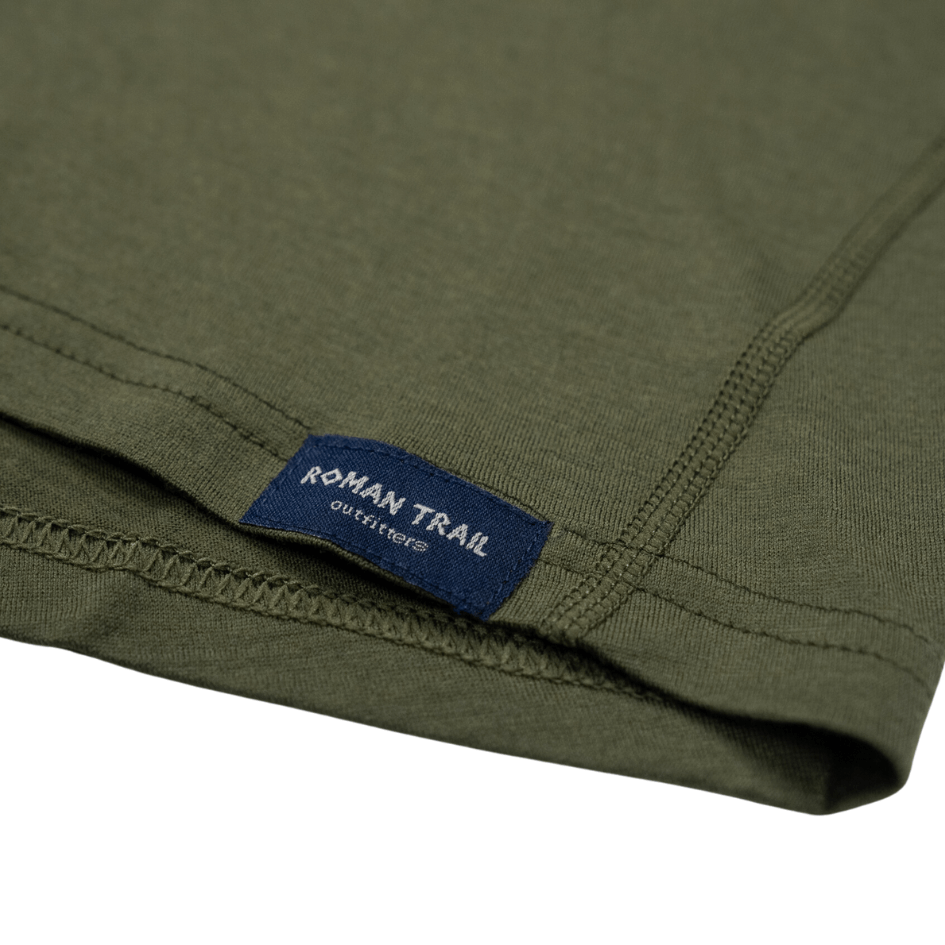
Merino Wool Women's Long Sleeve Top | Crew Neck Shirt | Deep Olive