Drakensberg Travel Guide for Women: Everything You Need to Know

The Drakensberg, uKhahlamba in Zulu, the barrier of spears, forms the eastern escarpment of the southern African plateau and runs roughly 1,000 kilometres along the border with Lesotho. The highest ground in South Africa is here, with Mafadi at 3,450 meters on the border ridge, and the escarpment drops away in basalt walls more than a kilometre high.
Disclosure: This post contains affiliate links. If you buy through them, Roman Trail earns a small commission at no extra cost to you.
The protected core is the Maloti-Drakensberg Park, a transboundary UNESCO World Heritage site spanning South Africa and Lesotho, and it is listed for both natural and cultural criteria. The cultural half is the reason: the range holds the largest concentration of San rock art in the world, with tens of thousands of individual images in hundreds of shelters, the oldest several thousand years old, made by people whose descendants were largely driven out or killed within the last two centuries.
The geology is layered: Clarens sandstone below, weathering into caves and overhangs that the San used, capped by Drakensberg basalt laid down as lava flows about 180 million years ago as Gondwana broke apart.
Three facts make this a serious mountain destination rather than a scenic drive, and each surprises visitors expecting a comfortable African holiday.
Summer afternoons produce violent electrical storms. The Drakensberg sits in one of the highest lightning-density regions on earth, storms build over the escarpment with great speed from November to March, and being on the plateau in one is lethal. People die. Dawn starts are safety protocol, not keenness.
There is no waymarking on the escarpment. No blazes, no signposts, few paths. Navigation is entirely your responsibility on a featureless grass plateau edged by kilometre drops, and mist arrives fast. You sign a mountain register at the trailhead so that anyone knows to search.
The signature route finishes on chain ladders. Two fixed steel ladders bolted vertically to the cliff above a substantial drop.
This guide covers safety and the Amphitheatre first, then seasons, the regions, the rock art, transport, costs, accommodation and packing.
Is the Drakensberg Safe for Women Travelers
The Drakensberg is one of the safer parts of South Africa, and the risk profile is genuinely unlike the cities. The reserves are rural, the hutted camps and resorts are secure, the hiking community is small and helpful, and crime against visitors inside the parks is uncommon.
The national advisories on crime apply mainly to the journey rather than the walk. Practically: leave nothing visible in a car at a trailhead, which is where the thefts occur, avoid stopping in isolated places on the approach roads, and do not drive rural KwaZulu-Natal at night, as much because of livestock, pedestrians and unlit vehicles as anything else.
On the mountain the hazards are serious and specific.
Lightning
The primary killer. Near-daily afternoon thunderstorms from November to March, building over the escarpment within an hour. The plateau and the ridges offer nothing lower than you. Start at dawn, be off high ground by early afternoon, and write off days.
Navigation and mist
An unmarked grass plateau with cliff edges, where cloud can reduce visibility to a few meters in minutes. A map, a compass and a GPS track on a charged device are baseline equipment. This is where most rescues originate.
The chain ladders
Two steel ladders in the region of fifteen to twenty meters each, vertical, bolted to rock above a drop, on the standard Amphitheatre route. They are maintained, they are old, and they carry heavy traffic. Both hands, no fear of heights, dry conditions. The alternative descent gully is loose and slippery and has its own accident record.
Cold
Winter nights on the escarpment fall well below freezing with snow from May to September, while the valleys below reach 18 to 20 degrees in afternoon sun. A 20-degree daily swing is normal and hypothermia is a real risk for anyone caught out.
The Lesotho border, snakes and water
The escarpment ridge is the international border, with no post on the high ground, and several routes cross it informally. Normally uneventful, worth knowing, and the official Sani Pass crossing requires a passport.
Puff adders and berg adders occur and are well camouflaged in grass. Mountain streams are generally clean and widely drunk, and a filter is cheap insurance. The Drakensberg is not a malaria area, unlike the Kruger lowveld.
Emergency numbers: 10111 police, 10177 ambulance, 112 from a mobile, with ER24 on 084 124 and Netcare 911 on 082 911 often faster in practice.
The Amphitheatre, Tugela Falls and the Chain Ladders
The Amphitheatre is the range's defining feature and one of the great cliff faces anywhere: a basalt wall roughly five kilometres wide and 1,200 meters high, flanked by the Sentinel and the Eastern Buttress.
Tugela Falls drops off the rim in five successive leaps totalling around 950 meters, placing it among the tallest waterfalls in the world. It is spectacular after summer rain and frequently a thin trickle in the dry winter, which is worth knowing before you plan a trip around it.
The standard route begins at the Sentinel car park above Witsieshoek, gains around 500 meters over roughly seven kilometres, crosses an exposed contour path, and finishes on the chain ladders onto the summit plateau. From the top it is a short walk to the lip of the falls, where you stand at the edge of a kilometre of air with no railing.
Practicalities: access runs through the Witsieshoek community arrangement with a permit and fee, and the road up is rough enough that a high-clearance vehicle is strongly advisable. Allow seven to nine hours. Start at dawn. Sign the register. Turn back if cloud builds, because that contour path in mist with a drop beside it is precisely where accidents happen.
The Tugela Gorge walk, from Royal Natal on the valley floor, is the excellent low-altitude alternative: about 14 kilometres return, boulder-hopping and a short chain-assisted scramble, no exposure, and a view up into the Amphitheatre from below.
Recommended Tours and Experiences

Best Time to Visit the Drakensberg
April, May, September and October
The best windows, and the recommendation. Dry, stable, clear air, far lower lightning risk, comfortable walking at 15 to 24 degrees, and cold nights. April and September are excellent, with April still green after the summer rain and September beginning to warm.
November to March, summer
Green, dramatic and wet, with the waterfalls at full flow, wildflowers across the slopes and near-daily violent afternoon thunderstorms. Also the South African school holiday peak around Christmas, when the resorts fill. Walk at dawn, be down early, and accept losing days to weather.
June to August, winter
Cold, dry and exceptionally clear, with snow on the escarpment, hard frosts and freezing nights. The best light of the year for photography, and the season for the bearded vulture hide at Giant's Castle. Tugela Falls reduces to very little. Controlled burning creates haze in places, and some higher routes are snowbound.
Top Regions and What Each One Requires
The Northern Berg: Royal Natal and Witsieshoek
The Amphitheatre, Tugela Falls, the Sentinel chain ladder route and the Tugela Gorge walk. The most dramatic scenery in the range and the most photographed.
Terrain: valley boulder-hopping, or a contour path with exposure and vertical ladders.
Pack: full layers, shell, map and GPS, high-clearance vehicle for the Sentinel road.
The Central Berg: Champagne Valley, Monk's Cowl and Cathedral Peak
The most developed and accessible part, with hotels, the Champagne Valley resort strip and easy day walks alongside serious ones. Cathedral Peak is a long hard day involving scrambling. Monk's Cowl gives access to Gray's Pass and the escarpment. Champagne Castle and Cathkin Peak dominate the skyline. Good for a first visit and for anyone wanting a comfortable base.
Giant's Castle
Central, quieter, and holding two of the range's best attractions. The Main Caves rock art site, visited on a guided walk, has some of the most accessible and best-interpreted San paintings in the country. The vulture hide, booked in advance, offers close views of bearded and Cape vultures at a winter feeding site, which is one of the finest wildlife experiences in South Africa.
The Southern Berg: Sani Pass, Garden Castle and Bushman's Nek
Sani Pass is the celebrated 4x4 road into Lesotho, climbing to 2,876 meters through a series of unsealed hairpins, with the highest pub in Africa at the top. Done as a day tour from Underberg with an operator, which is the sensible approach, and it requires a passport because it is a formal border crossing.
Garden Castle and Bushman's Nek give access to Rhino Peak and quieter escarpment routes, and this end of the range sees a fraction of the visitors.
The Grand Traverse
The Drakensberg Grand Traverse runs the escarpment from the Sentinel to Bushman's Nek over roughly two weeks: unmarked, unsupported, crossing in and out of Lesotho, with cave camping and genuine navigation. This is a mountaineering expedition rather than a trek and should be treated as one.
The San Rock Art
Worth planning a day around rather than treating as incidental, because it is the reason half the World Heritage listing exists.
The paintings were made by San hunter-gatherers over thousands of years, in Clarens sandstone overhangs, using ochre, haematite, charcoal and blood-based binders. The imagery is dominated by eland, the animal of greatest spiritual significance, alongside human figures, therianthropes that are part human and part animal, and scenes now widely interpreted as relating to trance and healing rituals rather than as simple hunting records.
The most recent paintings record horses, cattle and men with rifles, documenting the arrival of colonists and the destruction of San society in the nineteenth century.
Where to see it: the Main Caves at Giant's Castle, guided and the best introduction; Kamberg, where the Game Pass Shelter contains the panel sometimes called the Rosetta Stone of rock art interpretation, reached on a guided walk; and Battle Cave at Injisuthi. All require a guide, which is both a protective measure and a considerable improvement on visiting alone.
Etiquette: never touch the paintings, since skin oils destroy them, do not use flash where prohibited, and stay behind barriers. Much of the deterioration in recent decades is visitor-caused.
What to Pack for the Drakensberg: Women's Packing List
The full detail is in the Drakensberg packing list for women. The essentials:
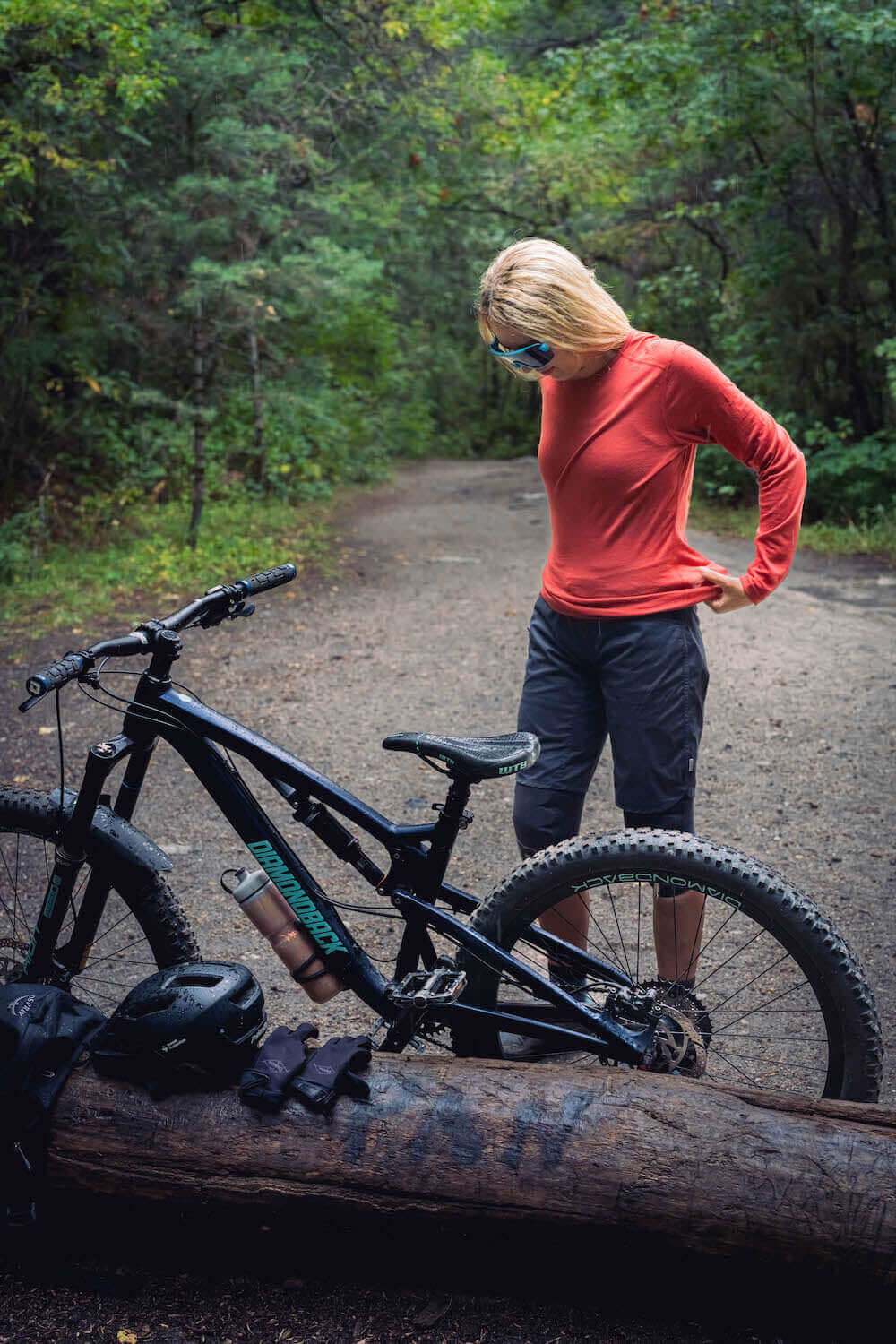
Base layers. Two Roman Trail Women's Merino Wool Base Layers ($49-59) in long sleeve, three for a traverse. The pattern is a hot sweaty climb out of the valley followed by cold wind and frequently heavy rain on the escarpment. Merino at 17.5 micron and 160 gsm keeps insulating damp, which is what matters when a storm catches you at 3,000 meters, and long sleeves handle the severe high-plateau UV.
Mid layer. The Columbia Women's Fast Trek II Jacket ($65), needed at the top in every season, plus a proper insulated jacket in winter, because a night in a cave or hut on the escarpment in July is well below freezing.
The shell. The Marmot Women's PreCip Eco Rain Jacket ($110), hooded, waterproof and windproof, plus waterproof overtrousers for summer. Drakensberg storms deliver an extraordinary volume of water very fast and the plateau offers no shelter whatsoever.
Footwear. The Merrell Women's Moab 3 Waterproof Hiking Boot ($140), broken in, for ankle support on exposed contour paths and grip on the chain ladders and the descent gully. The Darn Tough Women's Hiker Micro Crew Merino Socks ($28), three pairs, worn long against grass seeds and adders.
Navigation and safety, which is not optional here. A map and compass plus a GPS track on a charged device with a power bank, because the escarpment is entirely unmarked. A head torch, since dawn starts and overlong days are both normal. A whistle. For anything multi-day, a personal locator beacon or satellite messenger, given that coverage on the plateau is patchy to absent. And sign the mountain register, which costs nothing and is the mechanism that triggers a search.
Sun and water. A wide-brimmed hat with a chin strap for the wind, high-factor sunscreen and real sunglasses, because UV at 3,000 meters on this plateau is severe. Two to three litres of water capacity, with streams reliable on most routes and a filter as cheap insurance.
Everything else. Trekking poles for the long descents, the Eagle Creek Pack-It Cube Set ($59), and a passport if Sani Pass or any Lesotho crossing is on the plan.

Getting There and Getting Around
Flying in: Durban King Shaka is the closest major airport, two and a half to four hours from the various Berg regions. Johannesburg is three and a half to five hours and often better connected internationally. Pietermaritzburg is closer for the central and southern areas.
You need a car. Public transport does not usefully serve the Drakensberg, the reserves are spread along 200 kilometres of escarpment on separate access roads with no linking route along the range, and getting between the northern, central and southern Berg means dropping back to the N3 and driving round. Hire is inexpensive by international standards.
Vehicle notes: a standard car reaches most reserve gates on tarred or good gravel. The Sentinel car park road is rough and a high-clearance vehicle is strongly advisable. Sani Pass requires a proper 4x4 and is best done on an organised tour from Underberg rather than in a hire car, which most rental agreements prohibit anyway.
Driving practicalities: the N3 between Johannesburg and Durban is busy and heavily trafficked with trucks. Rural roads carry livestock and pedestrians. Avoid driving after dark. Fuel up before heading into the reserves.
Guided options: many hotels and lodges run day walks and can arrange guides, which for a solo visitor is both safer and more sociable, and is the practical answer to the navigation problem on the escarpment.
Costs: What to Budget
South Africa is excellent value for international visitors, and the Drakensberg is cheap by mountain-destination standards.
Budget, $35 to $60 a day: a backpackers' dorm or campsite at $12 to $30, self-catering, park entry fees, and a share of a hire car.
Mid-range, $80 to $150 a day: an Ezemvelo hutted camp or a guesthouse at $45 to $95, some meals out, a hire car, guided rock art walks.
Higher end, $250 and up: the Champagne Valley and Cathedral Peak hotels on full board, which is the traditional Drakensberg holiday, plus guided hiking and the Sani Pass tour.
Specific costs: Ezemvelo park entry roughly 60 to 120 rand per person per day; the Sentinel and Witsieshoek access fee around 150 to 250 rand; a guided Main Caves rock art walk around 100 to 150; the Giant's Castle vulture hide around 350 to 500 and booked ahead; a Sani Pass day tour 900 to 1,600; an Ezemvelo hutted chalet 900 to 2,000 a night; a backpackers' dorm 250 to 450; hire car 350 to 700 a day.
Money: the South African rand. Cards are accepted almost everywhere including park gates and small shops, and contactless is widespread. Carry some cash for community access fees, guides and tips. ATMs are in the towns and not at the reserves. Tipping is expected and matters: 10 to 15 percent in restaurants, something for a guide, and a few rand for informal car guards, who are a normal feature of South African parking. Park bookings and fees at Ezemvelo KZN Wildlife.
Where to Stay: Camps, Backpackers and Hotels for Women
Ezemvelo hutted camps inside the reserves, at Giant's Castle, Injisuthi, Didima at Cathedral Peak, Thendele in Royal Natal and Garden Castle, are the best value and the best located: self-catering chalets in the reserves themselves, so you walk from your door and start at dawn without a drive. Book well ahead, particularly Thendele for the Amphitheatre views.
The Champagne Valley hotels are the traditional Drakensberg institution: full-board resorts with pools, tennis and guided walks, comfortable and somewhat dated, and genuinely convenient. Cathedral Peak Hotel and the Champagne Castle Hotel are the long-established names.
Backpackers and guesthouses cluster around Winterton, Bergville, Underberg and the Champagne Valley, and the hiking-oriented backpackers are where you find people to walk with, which for a solo visitor matters more here than in most places given the navigation problem.
Witsieshoek Mountain Lodge, community-owned and high on the northern escarpment, is the closest bed to the Sentinel trailhead and the obvious choice for the Amphitheatre.
Caves on the escarpment are the accommodation for multi-day routes, permitted and unserviced, and require full self-sufficiency.
What to check as a woman travelling alone: whether the property runs guided day walks, which solves both the navigation and the company question and which many do specifically for solo guests; whether it is inside a reserve, which removes a dawn drive; whether there is secure parking, since trailhead and roadside theft is the main crime risk here; and whether heating and hot water are adequate, because winter nights are genuinely cold and some older chalets are not.
Essential Resources for Women in the Drakensberg
Emergency numbers in South Africa: 10111 police, 10177 ambulance, 112 from a mobile. ER24 on 084 124 and Netcare 911 on 082 911 are the private services and frequently the faster response.
Mountain rescue: coordinated by Ezemvelo KZN Wildlife with the police and volunteer teams. The mountain register you sign at the trailhead is what triggers a search, which is why signing it matters more than it appears to. Coverage on the escarpment is patchy to absent, so a personal locator beacon or satellite messenger is genuinely worthwhile for multi-day routes.
Park authority: Ezemvelo KZN Wildlife manages the reserves, issues permits and camp bookings and publishes access information. The Sentinel car park is reached through the separate Witsieshoek community arrangement.
US consular services: the US Consulate General in Durban is the nearest post, two and a half to four hours away, with the embassy in Pretoria. Contact details and the after-hours emergency number are at za.usembassy.gov.
Main hospitals: local facilities at Estcourt, Bergville, Winterton and Underberg handle minor matters, with the main referral hospitals in Pietermaritzburg and Durban, two to four hours away. Private hospitals require payment or an insurance guarantee up front, so carry your insurer's emergency number written down separately from your phone, and confirm the policy covers hiking and mountain rescue.
Official health authority: the South African Department of Health at health.gov.za. The Drakensberg is not a malaria area, so prophylaxis is not needed here, unlike the Kruger lowveld.
Official tourism authority: southafrica.net nationally, with reserve information, permits and camp bookings through Ezemvelo KZN Wildlife.
US State Department travel advisory for South Africa: current advisory level and detail, which raises crime as the principal national concern.
UK FCDO travel advice for South Africa: entry requirements, safety and health guidance.
Solo women safety assessment: The Drakensberg is among the safer parts of South Africa and the experience here is genuinely different from the cities. The reserves are rural and secure, the hiking community is small and generous, and crime against visitors inside the parks is uncommon. The national crime advisories bear mainly on the drive rather than the walk: leave nothing visible in a car at a trailhead, which is where thefts happen, do not stop in isolated spots on the approach roads, and do not drive rural KwaZulu-Natal after dark. On the mountain the dangers are real and specific. Summer afternoon lightning kills people here, so start at dawn, be down early and write off days. The escarpment is unmarked and mist arrives in minutes on a grass plateau edged by kilometre cliffs, so carry a map, compass and GPS, and sign the register. The chain ladders need both hands, dry conditions and no fear of heights. For a solo visitor the best single move is to book accommodation that runs guided day walks, which several do specifically for people travelling alone, since it solves navigation and company at once.
Reading On
The Drakensberg is the finest mountain walking in Africa and considerably more serious than the resort hotels at its foot suggest. The Drakensberg packing list for women has the gear and navigation detail. The South Africa travel guide for women covers the country, with the Cape Town travel guide for women at the other end of it. For East African safari country, see the Kenya travel guide for women, the Maasai Mara travel guide for women and the Tanzania travel guide for women, and for the Namib desert the Namibia travel guide for women. For mountains with the same unmarked-navigation problem in other forms, see Chamonix, the Lake District travel guide for women and the High Tatras travel guide for women. The travel packing guide for women is the parent for every destination. For why merino handles a hot climb then a cold storm, the merino wool base layer guide explains it, and the full range is at Roman Trail women's merino base layers.
If the outer journey is calling you, the inner one usually is too. Explore SoulMap at romantrail.com/blogs/soulmap.
Blog posts
View all-

Packing List for Skardu, Pakistan: What Women S...
What to pack for Skardu, Pakistan: the capital of Baltistan, the cold desert, Deosai plains, the road head for K2, and how to get there legally.
Packing List for Skardu, Pakistan: What Women S...
What to pack for Skardu, Pakistan: the capital of Baltistan, the cold desert, Deosai plains, the road head for K2, and how to get there legally.
-

Packing List for Naran, Pakistan: What Women Sh...
What to pack for Naran, Pakistan: the Kaghan valley, Saiful Muluk lake, the Babusar Pass as the compliant road north, and the permission you need before you go.
Packing List for Naran, Pakistan: What Women Sh...
What to pack for Naran, Pakistan: the Kaghan valley, Saiful Muluk lake, the Babusar Pass as the compliant road north, and the permission you need before you go.
-

Packing List for Multan, Pakistan: What Women S...
What to pack for Multan, Pakistan's city of saints: the Sufi shrines, the blue tilework, the mango orchards, and heat that reaches the high forties.
Packing List for Multan, Pakistan: What Women S...
What to pack for Multan, Pakistan's city of saints: the Sufi shrines, the blue tilework, the mango orchards, and heat that reaches the high forties.


Contact form

Roman Trail Outfitters
Merino Wool Women's Long Sleeve Top | Crew Neck Shirt | Deep Olive