High Tatras Travel Guide for Women: Everything You Need to Know

The High Tatras, Vysoké Tatry, are the highest range in the Carpathian arc and the smallest high-alpine range in the world: about 26 kilometres long by 17 wide, holding 25 peaks above 2,500 meters. Gerlachovský štít at 2,655 meters is the highest point in Slovakia and in the entire Carpathians.
Disclosure: This post contains affiliate links. If you buy through them, Roman Trail earns a small commission at no extra cost to you.
The range straddles the Slovak and Polish frontier. On the Slovak side, TANAP was established in 1949 and is Slovakia's oldest national park; on the Polish side sits Tatrzański Park Narodowy. The whole massif is a UNESCO Biosphere Reserve.
What distinguishes the Tatras from the Alps is compression. Everything is close together, the peaks are steep bare granite rather than glaciated, and there is no lift network reaching into the high cirques. You get to almost everything on foot, which makes the range feel bigger and wilder than its dimensions suggest.
Three rules govern a visit, and all three catch visitors out because they have no Alpine equivalent.
The high trails are legally closed for winter. TANAP closes everything above the treeline from 1 November to 15 June. This is law rather than advice, it protects wildlife during breeding and reduces avalanche incidents, fines are issued, and being up there also means being effectively uninsured.
The real peaks are guide-only. Slovak regulation restricts the non-trail summits, Gerlachovský štít among them, to parties with a licensed Slovak mountain guide. Marked trails reach saddles, lakes and a handful of summits including Rysy; everything else requires a guide by law.
Mountain rescue is chargeable. Unlike most of Europe, Slovakia bills the rescued party, and a helicopter evacuation can run into thousands of euros. The rescue service itself advises visitors to carry insurance covering it.
This guide covers those rules, safety, seasons, the valleys and peaks, transport, costs, chalets and packing.
Is the High Tatras Safe for Women Travelers
Slovakia is a safe country with low violent crime, and the Tatras are a straightforward place to walk alone. Trails are well marked by a clear colour-coded system, busy in season, the chalets are communal and sociable, and Slovaks are helpful towards visitors, with English widely spoken by younger people and throughout tourism.
Four things deserve genuine attention.
Chargeable rescue
The most important practical difference from the Alps. Horská záchranná služba, the HZS, bills for rescue, and costs escalate quickly with a helicopter. Confirm your travel insurance names mountain rescue in Slovakia before you travel. Slovak and EU visitors often carry dedicated mountain insurance for a few euros a day, which is worth doing.
Afternoon thunderstorms
The main physical danger. Continental weather builds storms over the ridges through the afternoon in summer, and above the treeline there is no shelter and nothing higher than you. Local practice is to start at dawn and be off the high ground by early afternoon, and it is followed rigorously by people who know the range.
Chains, ladders and one-way trails
Slovak grading differs from Alpine convention, and several routes marked simply as hiking trails include fixed chains, steel cables and ladders across exposed rock. Some high trails are also designated one-way because the chained sections cannot take two-way traffic, and walking one against the direction is both dangerous and fineable. Check before you set out.
Wildlife and ticks
Brown bears are present in numbers and encounters happen on forest trails. Make noise, never approach, never run, and do not leave food at huts or campsites. Slovakia has had a rising number of incidents in recent years and the park publishes current guidance.
Ticks carry both Lyme disease and tick-borne encephalitis, and Slovakia is a recognised TBE risk area. Vaccination exists and takes weeks to schedule, so raise it with a travel clinic early. Treat trousers with permethrin and check yourself every evening.
Emergency numbers: 112 generally, HZS mountain rescue on +421 18 300, 155 ambulance, 158 police.
Best Time to Visit the High Tatras
Mid-June to October, the only high season
The high trails open on 16 June and close on 1 November, and that is the whole window for anything above the treeline.
July and August: warmest at 15 to 22 degrees in the valleys, busiest, and stormiest in the afternoons. Chalets book out and Polish and Slovak school holidays fill the resorts.
September: the best month by consensus. Stable weather, clear air, autumn colour in the larch and dwarf pine, thinner crowds, chalets still open, and the light at its best.
October: cold, quiet and beautiful, with the first snow on the peaks and chalets beginning to close.
November to mid-June
High trails closed by law. The valleys, the lift-served lakes and viewpoints, and the towns all stay open. This is ski season, with Tatranská Lomnica and Štrbské Pleso offering good, genuinely cheap skiing by Alpine standards, plus ski touring and winter ascents with guides. Spring, from April to mid-June, is the awkward gap: snow melting, high trails shut, valleys wet.
Recommended Tours and Experiences

Top Regions and What Each One Requires
Starý Smokovec and the central valleys
The historic heart of Tatra tourism, a string of spa and resort villages along the southern foot of the range connected by an electric tram line dating from 1908. Above them open the Veľká Studená and Malá Studená valleys, both marked, both spectacular, leading to chalets and glacial tarns.
Terrain: steady rocky ascents from valley to treeline, then boulder and scree.
Pack: boots, shell, fleece, dawn start.
Štrbské Pleso and the west
A glacial lake at 1,346 meters with a resort around it, reached by train, and the trailhead for Rysy and the Mengusovská valley to Popradské pleso. Also the cross-country and ski jumping centre.
Rysy, 2,501 meters, is the highest summit reachable on a marked trail without a guide and sits exactly on the border, so you stand in Slovakia and Poland at once. A long hard day with chained sections near the top, usually broken at the Chata pod Rysmi, the highest hut in the range at 2,250 meters, which is supplied on the backs of porters.
Tatranská Lomnica and the east
The cable car to Lomnický štít, 2,634 meters, the second highest peak in Slovakia, which is the one high summit you can reach without walking, with an observatory and a tiny platform at the top. Tickets are timed and sell out, and the cable car closes for wind.
Skalnaté pleso below it is the intermediate station and a trailhead.
The Tatranská magistrála
The range's classic long route: roughly 46 kilometres traversing the southern slopes at around treeline height from Podbanské to Veľké Biele pleso, walkable in three to four days chalet to chalet. It stays mostly below the most exposed ground, which makes it the best introduction to the range and the most reliable option in unsettled weather.
Beyond the High Tatras
The Belianske Tatry and the Western Tatras are gentler, greener and far quieter. Slovenský raj, Slovak Paradise, two hours east, is a limestone gorge system climbed on ladders and chains beside waterfalls, and is one of the best days in the country. Belianska jaskyňa is an accessible ice cave, and the region's wooden churches and Spiš Castle are UNESCO sites within easy reach.
What to Pack for the High Tatras: Women's Packing List
The full detail is in the High Tatras packing list for women. The essentials:
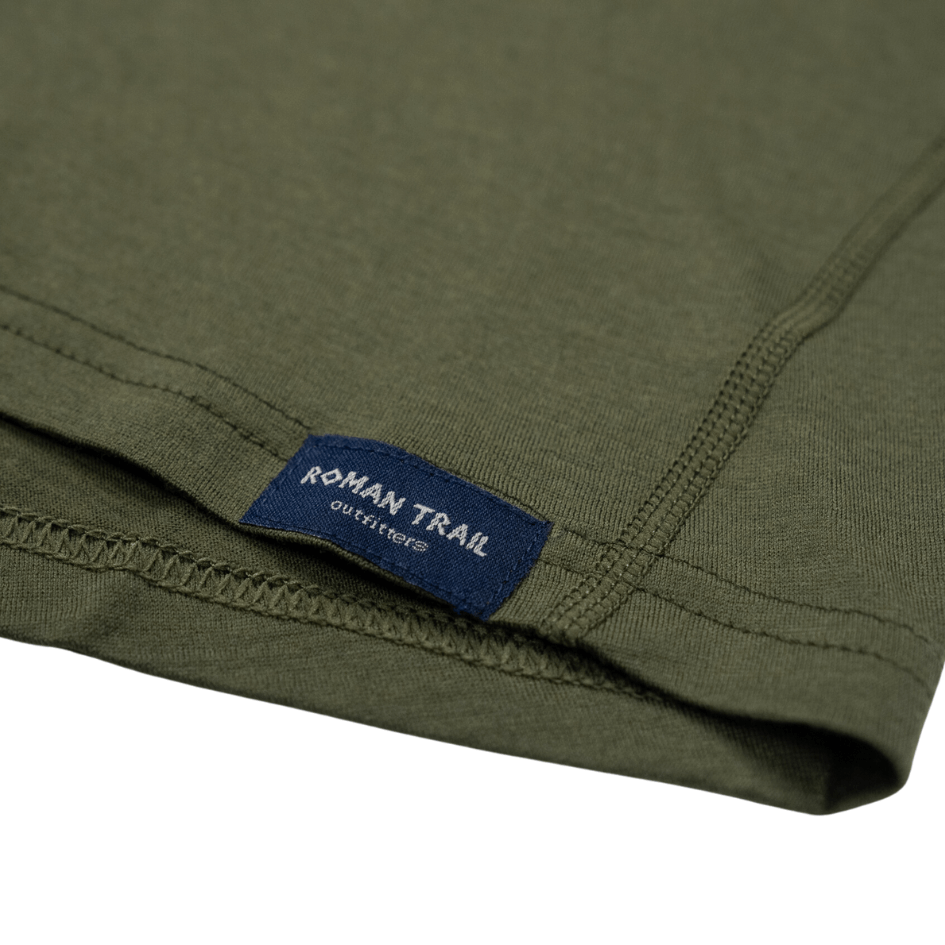
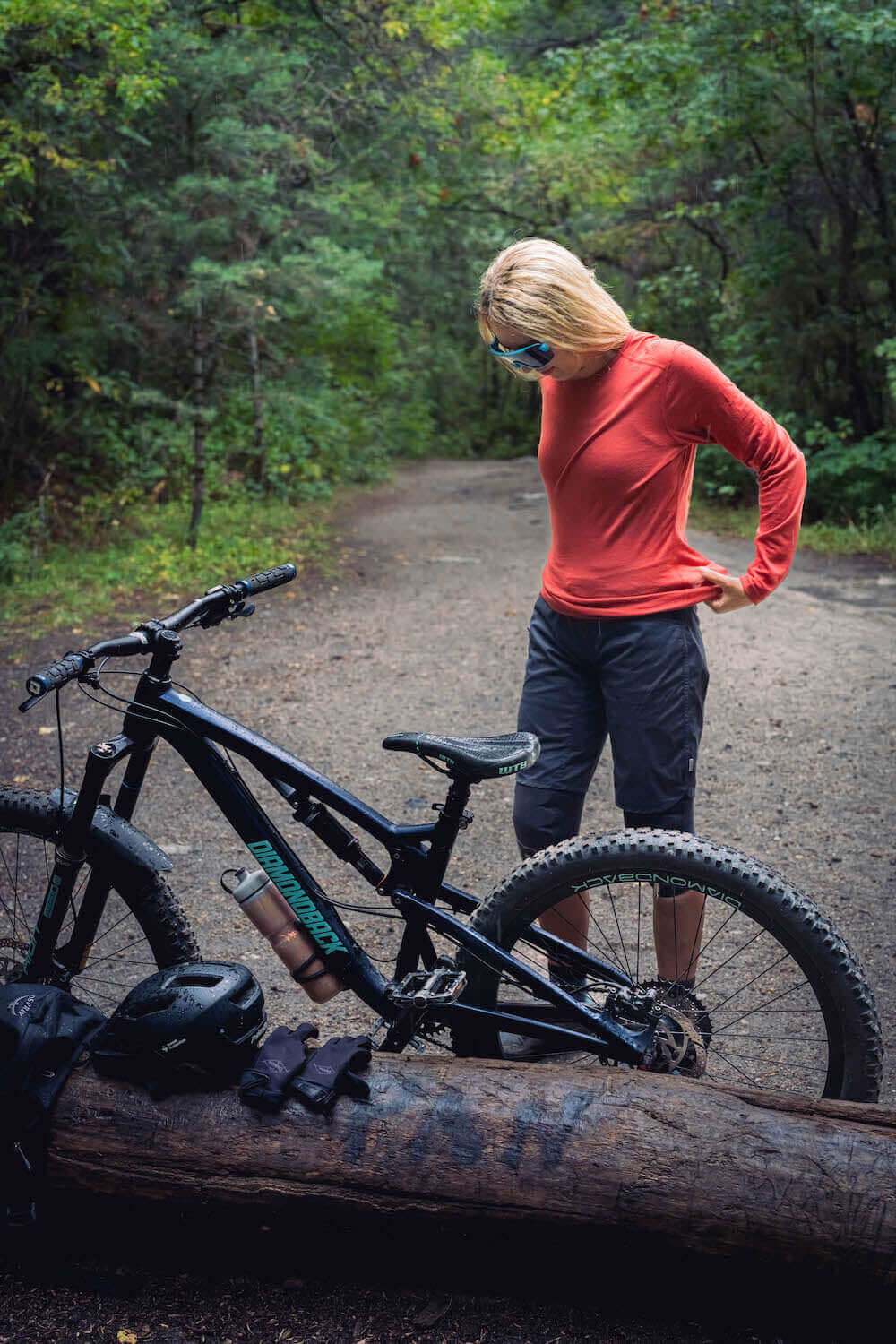
Base layers. Two Roman Trail Women's Merino Wool Base Layers ($49-59) in long sleeve. The Tatra pattern is a hard sweaty climb from valley to treeline followed by wind and exposure above it, frequently with a storm arriving. Merino at 17.5 micron and 160 gsm keeps insulating when damp, which is exactly what matters when you arrive at a 2,200-meter saddle wet through. Long sleeves also help against ticks in forest sections and against altitude sun.
Mid layer. The Columbia Women's Fast Trek II Jacket ($65), needed at every saddle and in every chalet in the evening, in July as much as in September.
Outer layer. The Marmot Women's PreCip Eco Rain Jacket ($110), hooded, waterproof and windproof. Afternoon storms above the treeline are the specific hazard, and the shell is what lets you descend through one rather than sit it out.
Footwear. The Merrell Women's Moab 3 Waterproof Hiking Boot ($140), broken in, for rock, scree and root, with ankle support for long unrelenting descents and confident footing on chained sections. The Darn Tough Women's Hiker Micro Crew Merino Socks ($28), three pairs for a chalet-to-chalet trip.
Health and ticks. Sawyer Permethrin Clothing Insect Repellent ($16) treated onto trousers and socks before travelling, which is the single most effective tick measure, plus skin repellent, long trousers in forest, and a nightly tick check. Discuss tick-borne encephalitis vaccination with a travel clinic well in advance.
Everything else. Trekking poles, stowed on chained sections. Two litres of water capacity, refillable at chalets. Cash in euros, because many chalets take nothing else and have no signal. A sleeping bag liner and earplugs for dormitories. A head torch for dawn starts. A paper map, since the colour-marked system is excellent but signal is not. The Eagle Creek Pack-It Cube Set ($59).

Food and the Chalet Table
Slovak mountain food is built for people who have just walked uphill for four hours, and the chalets serve it without apology.
Bryndzové halušky is the national dish and the thing to eat here: small potato dumplings with bryndza, a sharp sheep's cheese from the Tatra shepherding tradition, usually topped with fried bacon. It is heavy, salty and exactly right at 1,800 meters.
Kapustnica, a sour cabbage soup with sausage and sometimes dried mushrooms, served everywhere and especially good after rain.
Pirohy, filled dumplings, and strapačky, halušky with sauerkraut.
Žinčica, a slightly sour whey drink from sheep's milk, sold at shepherd huts and something of an acquired taste.
Borovička, a juniper spirit, and Tatratea, a herbal liqueur sold in escalating strengths up to 72 percent with the number on the label. It is a souvenir more than a drink, and at altitude it should be treated with respect.
Practical notes: chalet meals run to a fixed timetable, usually a single dinner sitting, and if you arrive late you may not be fed. Portions are large and vegetarian options are limited but improving, with halušky itself vegetarian if you ask for it without bacon. Breakfast is bread, cheese and cold meat. Carry your own lunch, since there is nothing between chalets.
Getting There and Getting Around
Getting there: Kraków in Poland is the most useful airport for many visitors, about three hours by road, and Poprad-Tatry is the local airport with limited routes. Košice is two hours east and Bratislava four hours west. Trains from Bratislava and Košice reach Poprad, which is the gateway.
The Tatra Electric Railway, the TEŽ, is the great practical asset: a narrow-gauge line running since 1908 that links Poprad with Štrbské Pleso, Starý Smokovec and Tatranská Lomnica, calling at every trailhead along the southern foot of the range. Cheap, frequent, and it means you never need a car and can walk linear routes.
The rack railway climbs from Tatranská Štrba to Štrbské Pleso, and buses fill the gaps.
Cable cars and chairlifts serve Lomnický štít, Skalnaté pleso and Hrebienok, and all close for wind.
Hire car: unnecessary given the railway, and useful for Slovenský raj and the wooden churches. Winter tyres are legally required from mid-November to March.
Crossing to Poland: Zakopane is about two hours by road via the Lysá Poľana border crossing, with buses running. Both countries are in Schengen so the crossing is seamless, and this makes seeing both sides of the range in one trip straightforward.
Costs: What to Budget
The Tatras are among the cheapest serious mountain destinations in Europe, which is a large part of their appeal.
Budget, 35 to 60 euros a day: a hostel or pension bed at 18 to 35, chalet meals or self-catering, the electric railway, and free trails.
Mid-range, 80 to 140 euros a day: a good pension or hotel at 50 to 95, restaurant meals at 15 to 25, cable cars, a guided day.
Higher end, 220 euros and up: the grand spa hotels at Smokovec and Kmetov, which are a genuine Habsburg-era experience, plus private guides and wellness.
Specific costs: TANAP trail access is free; a chalet bed with breakfast 25 to 45 euros; the Lomnický štít cable car around 30 to 40 and timed; Skalnaté pleso around 20; the electric railway a few euros per journey with day tickets available; a licensed mountain guide for Gerlachovský štít 150 to 250 for a small group; a chalet dinner 10 to 16; a restaurant main 10 to 18; dedicated mountain rescue insurance a few euros a day, which you should buy.
Money: the euro, since Slovakia is in the eurozone. Cards work in towns, hotels and restaurants. Mountain chalets frequently take cash only and have no signal, so carry euros in small notes for the whole time you are above the valley. ATMs are in the resort villages. Tipping: round up or add 10 percent. Trail status and closures from TANAP, and rescue information at the HZS.
Where to Stay: Chalets, Pensions and Hotels for Women
Starý Smokovec is the best all-round base: central on the railway, with pensions and the historic Grand Hotel, and the funicular to Hrebienok behind it.
Štrbské Pleso is higher, colder, on a lake, and the trailhead for Rysy and the Mengusovská valley. More resort than village.
Tatranská Lomnica is the prettiest of the resort villages, with the big cable car and good restaurants.
Poprad is a working town 25 minutes below the range, considerably cheaper, with the airport and the main train station. A sensible base if you are on a budget and using the railway.
The chalets, chaty: the real Tatra experience. Mountain huts reached only on foot, serving hearty food and dormitory beds. Book months ahead for July to September. Expect dormitories, shared bathrooms, sometimes no hot water, often no card payment and no signal. Sléziho dom, Zbojnícka chata, Chata pri Zelenom plese and the Chata pod Rysmi are the classics.
What to check as a woman travelling alone: whether the chalet takes cards, which many do not, so arrive with cash; whether there is a drying room, because you will be wet; whether the pension is on the electric railway, which determines whether you need a car; and, for winter, whether there is ski storage. Slovak chalet dormitories are mixed and entirely unremarkable in practice.
Essential Resources for Women in the High Tatras
Emergency numbers in Slovakia: 112 is the European emergency line, 155 ambulance, 158 police, 150 fire.
Mountain rescue: Horská záchranná služba, the HZS, on +421 18 300 or via 112, with an official app that transmits your position. Rescue in Slovakia is chargeable to the person rescued, unlike most of Europe, and a helicopter can cost thousands of euros. The HZS itself recommends that visitors carry insurance covering mountain rescue, and this is the single most important practical preparation for the range.
Park authority and trail status: TANAP publishes the seasonal closure dates, one-way trail designations, current closures and bear activity notices, and closes routes at short notice.
Mountain guides: the Slovak Mountain Guides Association licenses guides, and a licensed guide is legally required for the non-trail summits including Gerlachovský štít.
US consular services: the US Embassy in Bratislava covers Slovakia, about four hours west. Contact details and the after-hours emergency number are at sk.usembassy.gov.
Main hospitals: Poprad hospital is the nearest general facility, roughly 25 minutes from the resorts, with serious cases referred to Košice. The region has specialist mountain trauma capability given the accident rate. EU visitors should carry a European Health Insurance Card and UK visitors a GHIC, both of which cover public treatment; everyone else needs insurance, and in all cases it should explicitly cover mountain rescue, which the health cards do not.
Official health authority: the Slovak Ministry of Health at health.gov.sk. Discuss tick-borne encephalitis vaccination with a travel clinic, since Slovakia is a recognised risk area and the schedule takes weeks.
Official tourism authority: slovakia.travel, with trail and closure information from TANAP.
US State Department travel advisory for Slovakia: current advisory level and detail.
UK FCDO travel advice for Slovakia: entry requirements, safety and health guidance.
Solo women safety assessment: The Tatras are an easy and rewarding range to walk alone. Slovakia has low violent crime, the colour-marked trail system is excellent, paths are busy in season, the chalets are communal and welcoming, and English is widely spoken. Four things are genuinely different from the Alps and worth acting on. Mountain rescue is billed to you, so confirm your insurance names mountain rescue in Slovakia before you go, and consider the cheap local mountain cover. The closed season is law: above the treeline from 1 November to 15 June is prohibited, fined, and uninsured in practice. Afternoon storms are the main physical danger, which is why locals start at dawn and are down by two, and you should copy them. And brown bears are present in real numbers, so make noise on forest trails, never approach, and keep food secured at chalets. Treat trousers with permethrin against ticks, check yourself nightly, and carry euros in cash because the chalets frequently take nothing else and there is no signal to solve it.
Reading On
The High Tatras are the best-value serious mountain range in Europe and the least visited by outsiders. The High Tatras packing list for women has the gear detail. Across the border the Zakopane travel guide for women covers the Polish side of the same range, with the Poland travel guide for women and Krakow travel guide for women covering the usual approach, since Kraków is the nearest major airport. The Prague travel guide for women and Budapest travel guide for women are the regional city pairings. For higher and more developed alpine walking, see Chamonix, the Dolomites travel guide for women and Zermatt. The travel packing guide for women is the parent for every destination. For why merino handles a sweaty climb then a windy saddle, the merino wool base layer guide explains it, and the full range is at Roman Trail women's merino base layers.
If the outer journey is calling you, the inner one usually is too. Explore SoulMap at romantrail.com/blogs/soulmap.
Blog posts
View all-

Packing List for Skardu, Pakistan: What Women S...
What to pack for Skardu, Pakistan: the capital of Baltistan, the cold desert, Deosai plains, the road head for K2, and how to get there legally.
Packing List for Skardu, Pakistan: What Women S...
What to pack for Skardu, Pakistan: the capital of Baltistan, the cold desert, Deosai plains, the road head for K2, and how to get there legally.
-

Packing List for Naran, Pakistan: What Women Sh...
What to pack for Naran, Pakistan: the Kaghan valley, Saiful Muluk lake, the Babusar Pass as the compliant road north, and the permission you need before you go.
Packing List for Naran, Pakistan: What Women Sh...
What to pack for Naran, Pakistan: the Kaghan valley, Saiful Muluk lake, the Babusar Pass as the compliant road north, and the permission you need before you go.
-

Packing List for Multan, Pakistan: What Women S...
What to pack for Multan, Pakistan's city of saints: the Sufi shrines, the blue tilework, the mango orchards, and heat that reaches the high forties.
Packing List for Multan, Pakistan: What Women S...
What to pack for Multan, Pakistan's city of saints: the Sufi shrines, the blue tilework, the mango orchards, and heat that reaches the high forties.


Contact form

Roman Trail Outfitters
Merino Wool Women's Long Sleeve Top | Crew Neck Shirt | Deep Olive