Valencia Travel Guide for Women: Everything You Need to Know

Valencia is the third city of Spain and the one that consistently ranks at or near the top of European livability surveys, which is an unusual thing for a city that most visitors still skip in favour of Barcelona. It has 300 days of sunshine, a four kilometre city beach twenty minutes from the cathedral by tram, the finest covered market building in Spain, the most ambitious piece of contemporary architecture in the country, and the best food value of any major Spanish city. It is also where paella was invented, which locals will remind you of, correctly, at every opportunity.
The thing that makes Valencia work as a place to be rather than just a place to see is the Turia. After catastrophic flooding in 1957 the river was diverted around the city, and instead of building a motorway in the empty bed, Valencia planted a nine kilometre park that curves through the middle of the city from the old town to the sea. It is the reason people here cycle everywhere, and it is the spine of any visit.
Disclosure: This post contains affiliate links. If you buy through them, Roman Trail earns a small commission at no extra cost to you.
This guide covers safety, which is straightforward here, the seasons, the neighbourhoods, the paella question, Las Fallas, the Albufera, transport, costs, where to stay, and how to pack for a Mediterranean climate that asks very little of a suitcase.
Is Valencia Safe for Women Travelers
Valencia is one of the safest cities in Spain and one of the more comfortable cities in Europe for a woman travelling alone. Violent crime is low, street harassment is uncommon, and walking home through El Carmen at two in the morning after dinner is entirely ordinary rather than an act of nerve. Spain generally has low rates of violent crime by European standards, and Valencia sits below the Spanish average.
The realistic risks here are property crime and they are specific.
Pickpocketing concentrates in three places: the Mercado Central, the tram and metro out to the beach, and the crowds around the Plaza de la Reina and the cathedral. Standard precautions handle it. A crossbody bag that closes, nothing in a back pocket, and awareness in crowds.
Beach theft. Bags left on the sand at La Malvarrosa while people swim are taken regularly. This is the single most common way visitors lose things in Valencia. Take turns swimming, or bring nothing you mind losing.
Las Fallas. In March the city fills far beyond its normal capacity and pickpocketing rises sharply. The bigger physical risk that week is not crime: it is firecrackers thrown in the streets by children all day, and the density of the mascletà crowds in the Plaza del Ayuntamiento. More on that below.
Nightlife. El Carmen and Ruzafa are both busy and well populated late, and neither has a reputation for trouble. The usual drink precautions apply as anywhere.
Spain has a well-developed system for tourist crime reports. A denuncia can be started by phone on 902 102 112 or online and then signed in person within 72 hours, which you will need for any insurance claim.
Best Time to Visit Valencia
April, May, September and October are the best months by a clear margin. Warm days in the low to mid twenties, low rainfall, sea warm enough to swim in September and October, and none of the summer crowding. May and September are close to ideal.
Summer, June to August. Hot at 28C to 33C with high humidity off the sea. It is noticeably more bearable than Madrid or Seville because the coast keeps the nights down, and the sea reaches 26C in August. This is peak beach season and the city empties of locals in August as they head to the coast themselves. Many restaurants close for part of the month.
Winter, December to February. Mild days of 12C to 18C, nights down to 6C to 9C, and very little rain. Too cold for the beach but excellent for the city, the museums and the food, and by far the cheapest time to come. Valencia in January is a genuinely underrated proposition.
March, for Las Fallas. The festival runs 15 to 19 March and dominates the city completely. Accommodation prices multiply, streets close, and sleep is scarce. It is one of the great festivals of Europe and worth building a trip around, but do not come to Valencia in mid-March expecting a normal city break.
Autumn rainfall. October and November carry the year's real rain, often as the gota fría, short violent storms that can drop a great deal of water in a few hours. They pass quickly.
Top Neighbourhoods and What Each One Requires
El Carmen and Ciutat Vella

The medieval old town, and the densest concentration of bars, restaurants and cultural life in the city. Narrow lanes, Gothic and Baroque facades, and the two surviving city gates, the Torres de Serranos and the Torres de Quart, both climbable. Valencia Cathedral sits at its heart, holding a chalice that has a serious claim to being the Holy Grail, with the Miguelete bell tower beside it, 207 steps up a narrow spiral. La Lonja de la Seda, the fifteenth century Gothic silk exchange, is a UNESCO World Heritage Site and the finest building in the city.
What it requires: flat comfortable shoes for worn, uneven paving that gets slippery in rain. Covered shoulders and knees is the respectful default inside the cathedral.
The Ciudad de las Artes y las Ciencias
Santiago Calatrava's complex in the old riverbed at the seaward end of the Turia: the Oceanogràfic, the largest aquarium in Europe, the Hemisfèric IMAX in the shape of an eye, the Principe Felipe science museum, the Umbracle garden walkway and the Palau de les Arts opera house. It is white concrete, glass and shallow reflecting pools, and it is the most dramatic contemporary architecture in Spain.
What it requires: sun protection above all. The white surfaces and the water throw light back at you brutally, and there is almost no shade between buildings. A hat, sunglasses and sunscreen in any month. Inside the Oceanogràfic the air conditioning is severe, so carry a layer. Allow a full day if you are doing the aquarium properly.
The Turia Gardens
Nine kilometres of park in the diverted riverbed, running in a curve through the city from the Bioparc in the west to the Ciudad de las Artes in the east, crossed by eighteen historic bridges. It holds football pitches, running tracks, orange groves, a giant Gulliver playground and the city's main cycling artery.
What it requires: a bike, ideally. Valenbisi, the city bike share, is cheap and has stations along the whole length. Closed shoes rather than sandals if you are riding.
La Malvarrosa and the Beach

Four kilometres of wide city beach with a paved promenade, reachable by tram in twenty minutes or by cycling the Turia to its end and continuing to the port. The beachfront restaurants along the Paseo Maritimo are the best urban beach dining in Spain, and La Pepica, where Hemingway ate, still serves paella on the front.
What it requires: swimwear, a coverup for the restaurants, and the discipline never to leave a bag on the sand. Evenings on the promenade are cooler than the city centre because of the sea breeze.
Ruzafa
South of the centre, and the neighbourhood that has changed most in the last decade. Formerly working class, now the centre of the independent restaurant, wine bar and design scene, with the Mercado de Ruzafa at its middle. Quieter than El Carmen and where locals in their thirties actually go out.
What it requires: nothing special. It is flat, walkable and increasingly the best area to eat in the city.
Paella: The Authentic Version and the Tourist One
Paella is from here, specifically from the rice fields of the Albufera lagoon just south of the city, and the local version bears little resemblance to what is sold as paella elsewhere.
Authentic paella valenciana contains chicken, rabbit, garrofo and ferradura beans, tomato, sometimes snails, and short flat bomba or senia rice, cooked over an open orange wood fire in a wide shallow pan until a caramelised crust called the socarrat forms on the bottom. It contains no seafood, no chorizo and no onion, and suggesting otherwise in Valencia is a reliable way to start an argument.
Seafood paella exists and is legitimate, but it is arroz a banda or paella de marisco, a different dish with a different name. What is served in tourist restaurants on the Plaza de la Reina, frequently pre-cooked, yellow from colouring rather than saffron, and containing everything at once, is neither.
Practically: paella is a lunch dish, eaten in the early afternoon, never in the evening. It takes around an hour to cook properly, so the good places require ordering ahead, and many require a minimum of two people. The best versions are in the Albufera villages, El Palmar in particular, or at the traditional Malvarrosa restaurants. La Pepica on the seafront and Restaurante Levante in Benissano, twenty kilometres out, are the two most celebrated.
Las Fallas
Las Fallas runs from 15 to 19 March and is unlike any other festival in Europe. Neighbourhood associations spend the year building around 800 elaborate satirical sculptures called fallas, some of them thirty metres tall, populated with figures called ninots that mock politicians and public figures. They are erected across the city and then, on the night of 19 March, all of them are burned simultaneously in La Crema. One ninot is voted out and saved each year, going to a museum.
Every day at 2pm from 1 to 19 March there is a mascletà in the Plaza del Ayuntamiento: a percussive firework display of coordinated ground-level explosions, in the region of 120 decibels, designed to be felt in the chest rather than looked at. There are nightly firework displays over the Turia, the Ofrenda floral procession where thousands of women in traditional dress bring flowers to a giant Virgin, and firecrackers thrown in the streets by children all day, every day.
Practical guidance: book accommodation months ahead and expect to pay several times the normal rate. Wear closed shoes, not sandals, because of the firecrackers. Prefer natural fibres to synthetics near the burning. Bring ear protection for the mascletà if you are sensitive to noise, which is genuinely sensible rather than precious. Expect street closures, very long walks and almost no sleep. It is worth all of it.
What to Pack for Valencia, Women's Packing List
Valencia asks less of a suitcase than almost anywhere in Europe. The climate is consistent, nothing requires formality, and you can do laundry easily.
Base layers
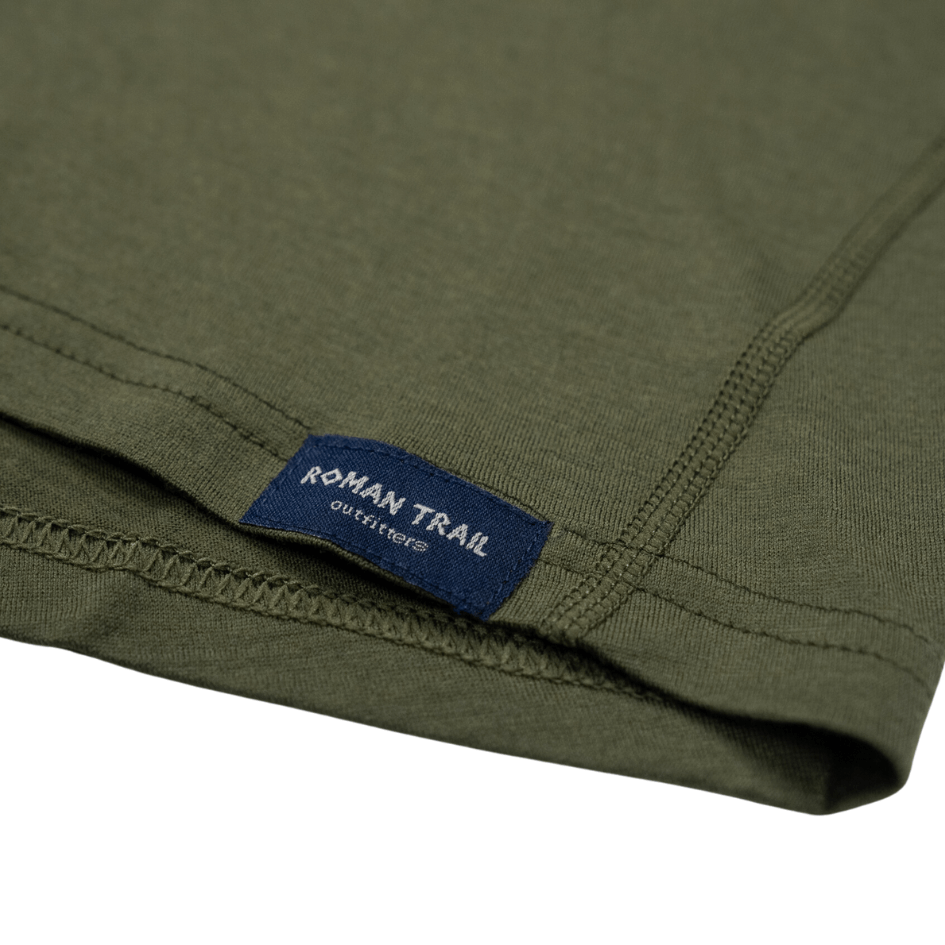
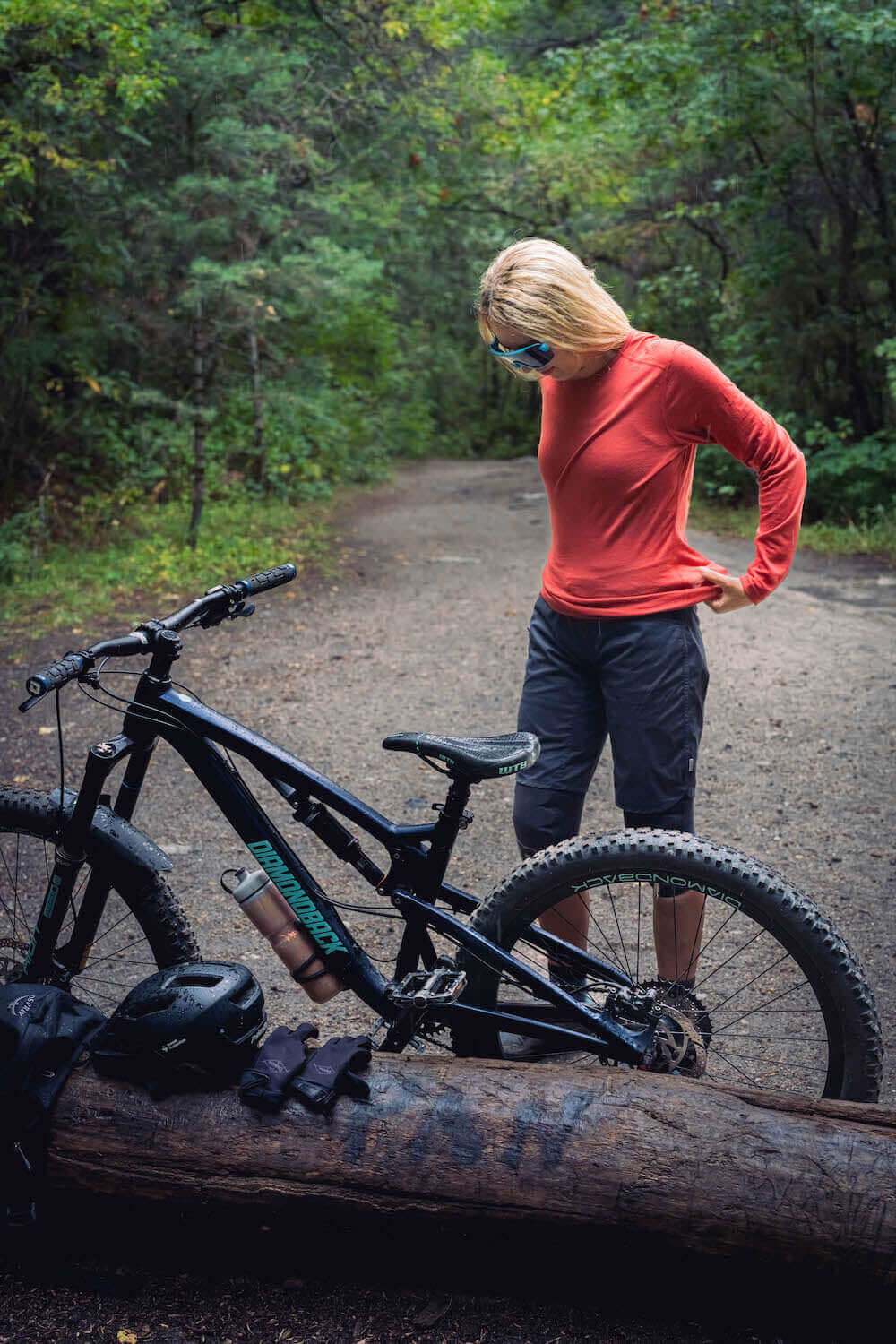
A merino wool base layer for Valencia at 160gsm works at both ends of this climate: breathable enough for cycling the Turia in June, warm enough for a January evening in El Carmen. It resists odour across several wears, which matters when you are moving between beach, city and dinner in the same clothes. Two tops covers a week.
Mid layers
One light layer, needed year round. A light fleece for Mediterranean evenings handles winter days, the sea breeze along the Malvarrosa promenade after sunset, and the aggressive air conditioning inside the Oceanogràfic, which is the coldest you will be in Valencia in August.
Outer layers
A packable rain jacket for autumn downpours is worth carrying from October to December for the gota fría storms. For a summer trip you can leave it at home entirely.
Footwear
comfortable waterproof walking shoes for city terrain handle El Carmen's worn paving, the length of the Turia and the beach promenade, and they are the right choice for cycling, which sandals are not. Add merino wool socks for long days walking, three pairs, which manage the summer heat and dry overnight. Bring sandals for the beach and one dressier flat pair for evenings. Skip heels.
Accessories, documents and health
A crossbody bag that closes, which serves both for cycling and for pickpocket resistance in the Mercado Central. Sunscreen in every month, because 300 days of sunshine is not marketing. Sunglasses and a hat, particularly for the Ciudad de las Artes. A refillable bottle, since the tap water is safe though hard. A universal adaptor for European Type F sockets.
Spain is in the EU and Schengen. EU and UK visitors should carry a valid EHIC or GHIC card, which covers state healthcare. Travel insurance is still worth having for repatriation and belongings.
Getting Around Valencia
By bike. The best way to see Valencia and genuinely the local default. Valenbisi, the city bike share, is inexpensive with a weekly visitor subscription and has stations throughout the centre and along the Turia. The city is completely flat and has an extensive protected cycle lane network. If you do one thing here, cycle the Turia from the old town to the sea.
On foot. The historic centre is compact and entirely walkable. El Carmen to the Ciudad de las Artes is about 40 minutes on foot through the park.
Metro and tram. Metrovalencia runs both. Line 4 and line 6 trams serve La Malvarrosa and the beach, taking around 20 minutes from the centre. Clean, cheap and safe at all hours. A single ticket is around 1.50 euros; a multi-trip card is better value.
Buses. EMT runs a dense network including night buses. Useful for Ruzafa and the outer neighbourhoods.
From the airport. Valencia Airport is 8 kilometres west and metro lines 3 and 5 run directly to the centre in around 25 minutes for a few euros. A taxi is around 20 to 25 euros.
To the Albufera. Bus 25 runs from the centre to El Palmar and the lagoon in around 45 minutes. Well worth doing for the sunset boat trip through the rice fields and lunch.
Trains. Valencia Joaquin Sorolla station connects to Madrid in around 1 hour 40 minutes by AVE high speed rail, and to Barcelona in around 3 hours.
Costs, What to Budget
Valencia is the best value of Spain's major cities, noticeably cheaper than Barcelona and Madrid for both food and accommodation.
Budget: 50 to 80 euros a day. Hostel dorm at 20 to 30 euros, menu del dia lunches, Valenbisi, and mostly free or cheap sights.
Mid-range: 110 to 180 euros a day. A central hotel or apartment at 70 to 120 euros, restaurant meals, metro and the occasional taxi, museum entries and the Oceanogràfic.
Luxury: 280 euros a day and up. Four and five star hotels in the Ciutat Vella from 180 euros, tasting menus, private guides.
Accommodation runs 20 to 30 euros for a hostel dorm, 70 to 120 for a good mid-range double, and 180 and up at the top end. Las Fallas week multiplies all of these by three or four.
Meals. The menu del dia, a fixed price three course lunch with wine, is the great value of Spanish eating and runs 12 to 16 euros in Valencia. Tapas are 3 to 8 euros a plate. A full paella for two in the Albufera is 35 to 55 euros. Coffee is 1.50 to 2.50 euros, and a glass of wine is often cheaper than a soft drink.
Entrance fees. The Oceanogràfic is around 35 euros and is the single biggest ticket in the city. The Hemisfèric is around 9 euros, and combined tickets bring the total down. La Lonja is around 2 euros. The Miguelete tower is around 2 euros. Valencia Cathedral with the Holy Grail chapel is around 9 euros. The Museo de Bellas Artes, the second best art museum in Spain after the Prado, is free.
Currency and tipping. Spain uses the euro and cards are accepted almost everywhere, though small bars can be cash only. Tipping is not obligatory and Spaniards tip lightly: rounding up, or leaving a euro or two, is normal, and 10 percent is generous. Official visitor information is published on spain.info.
Where to Stay: Ciutat Vella, Ruzafa and the Beach
Ciutat Vella and El Carmen. The obvious first choice: inside the medieval centre, walking distance to everything, and surrounded by the bar and restaurant scene. The trade-off is late night noise, so ask for a courtyard-facing room away from the main plazas.
Ruzafa. The best balance for most solo travellers. Ten to fifteen minutes on foot from the old town, quieter at night, better and cheaper restaurants, and a residential feel with plenty going on. This is where to look first.
L'Eixample and Gran Via. The elegant nineteenth century grid between the old town and Ruzafa. Wide streets, good mid-range hotels, quiet, and close to the Mercado de Colon.
La Malvarrosa and El Cabanyal. By the beach, about 20 minutes by tram from the centre. El Cabanyal is the old fishermen's quarter with tiled facades and a growing restaurant scene, and it is excellent value. Best for a longer stay or a summer trip. Slightly less convenient for the historic sights.
Hostels. Valencia has a strong hostel scene concentrated in the Ciutat Vella. Look for female-only dorms, keycard access, in-room lockers and air conditioning, which matters in summer. Check whether the hostel runs a bar, which determines how much you sleep.
What to look for. Air conditioning for any trip between June and September. A lift, since many old town buildings are walk-ups of four or five floors. Double glazing or a courtyard-facing room in El Carmen. Proximity to a metro or tram stop if you are staying outside the centre.
Essential Resources for Women in Valencia
Emergency numbers: 112 reaches all emergency services across Spain and operators speak English. Direct lines are National Police 091, Local Police 092, Guardia Civil 062, and medical emergencies 061.
Tourist police and reporting: Theft reports for insurance can be filed at the National Police station on Gran Via Ramon y Cajal in Valencia. A denuncia can be started by phone on 902 102 112 or online and then signed in person within 72 hours. Tourist information offices in the Plaza del Ayuntamiento assist with translation.
US Embassy and Consulate: The US Embassy is in Madrid at Calle de Serrano 75, 28006 Madrid, telephone +34 91 587 2200. The US Consulate General covering eastern Spain is in Barcelona at Passeig Reina Elisenda de Montcada 23, telephone +34 93 280 2227. Website es.usembassy.gov.
Main hospitals: Hospital Clinico Universitario de Valencia, Avenida Blasco Ibanez 17, +34 96 197 3500, close to the Malvarrosa. Hospital Universitari i Politecnic La Fe, Avenida Fernando Abril Martorell 106, +34 96 124 4000, is the major regional hospital with a 24 hour emergency department. Pharmacies are marked with a green cross and several operate 24 hours.
Official health authority: Spanish Ministry of Health, sanidad.gob.es. EU and UK visitors should carry a valid EHIC or GHIC card.
US State Department travel advisory: Spain travel advisory.
UK FCDO travel advice: gov.uk/foreign-travel-advice/spain UK FCDO safety and security: gov.uk/foreign-travel-advice/spain/safety-and-security.
Official tourism authority: spain.info, the official Spanish tourism portal.
Solo women safety assessment: Valencia is among the safest cities in Spain and one of the easiest places in Europe to travel alone as a woman, with low violent crime and little street harassment. Walking home through El Carmen or Ruzafa late at night is ordinary. The genuine risks are property crime: pickpocketing in the Mercado Central, on the beach tram and in the crowds around the cathedral, and theft of unattended bags on La Malvarrosa, which is the most common way visitors lose belongings here. Never leave a bag on the sand while you swim. During Las Fallas in March, pickpocketing rises sharply with the crowds, and the physical hazards that week are firecrackers thrown in the street and the density of the mascletà crowd rather than crime.
Book Tours and Experiences
Related Reading
For the season by season packing detail, see the Valencia packing list for women. For the country as a whole, see the Spain travel guide for women. For other Spanish cities, see the Barcelona travel guide for women and the Seville travel guide for women. For packing across every destination we cover, see the travel packing guide for women.
You can read more about building a merino-first travel wardrobe on the Roman Trail merino wool base layer guide. Browse the full collection at Roman Trail women's merino base layers, available in eight colors with free two-day shipping and a two-year satisfaction guarantee.
If the outer journey is calling you, the inner one usually is too. Explore SoulMap at romantrail.com/blogs/soulmap.
Blog posts
View all-

Packing List for Tucson, Arizona: What Women Sh...
What to pack for Tucson: a 1797 Spanish mission, giant saguaros, a UNESCO food city and a summer monsoon that fills dry washes in minutes.
Packing List for Tucson, Arizona: What Women Sh...
What to pack for Tucson: a 1797 Spanish mission, giant saguaros, a UNESCO food city and a summer monsoon that fills dry washes in minutes.
-

Packing List for Sequoia National Park: What Wo...
What to pack for Sequoia National Park: the largest trees on Earth, 13,000 feet of elevation range, mandatory bear lockers and a road with a length limit.
Packing List for Sequoia National Park: What Wo...
What to pack for Sequoia National Park: the largest trees on Earth, 13,000 feet of elevation range, mandatory bear lockers and a road with a length limit.
-

Packing List for St Augustine, Florida: What Wo...
What to pack for St Augustine: a Spanish fort built of shell stone, the oldest continuously occupied European settlement in the continental United States.
Packing List for St Augustine, Florida: What Wo...
What to pack for St Augustine: a Spanish fort built of shell stone, the oldest continuously occupied European settlement in the continental United States.


Contact form

Roman Trail Outfitters
Merino Wool Women's Long Sleeve Top | Crew Neck Shirt | Deep Olive