Uruguay Travel Guide for Women

Uruguay is the country people skip, and the reason is simply that it is small and sits between two enormous neighbours. It has 3.4 million people, roughly half of them in one city, no mountains, no desert, no rainforest and no famous ruin. What it has instead is 660 kilometres of coast, the longest carnival in the world, a hundred-year-old welfare state, and a quality of ordinary life that makes it the easiest country on the continent to travel in alone.
Disclosure: This post contains affiliate links. If you buy through them, Roman Trail earns a small commission at no extra cost to you.
IT IS ALSO NOT CHEAP, and that is the honest opening caveat. Travellers arrive expecting South American prices and find something closer to southern Europe: Montevideo is routinely one of the most expensive cities in Latin America, and Punta del Este in January is priced for Buenos Aires and Sao Paulo money. Uruguay repays the cost in a different currency, which is that almost nothing goes wrong. The tap water is drinkable. The buses leave on time. The institutions work.
WHAT THERE IS TO DO DIVIDES CLEANLY INTO THREE. There is Montevideo, a low, wide, slightly faded river city with the best food and the best music in the country. There is the coast, running east from the Rio de la Plata to the Atlantic, which is where every Uruguayan goes in January and which contains both the glossiest resort in South America and some of its emptiest beaches within two hours of each other. And there is Colonia del Sacramento, a Portuguese smuggling town of 1680 that is now a UNESCO World Heritage quarter and an hour by ferry from Buenos Aires.
THIS GUIDE IS WRITTEN FOR A WOMAN TRAVELLING ALONE OR WITH FRIENDS, and the short version of the safety answer is that Uruguay is a stable, socially liberal country where the one real risk is opportunist street theft in central Montevideo, which the advisory names precisely and which is avoidable. The long version is next.
Is Uruguay Safe for Women Travelers
Yes, and the advisory is unusually specific about the one thing to watch.
US State Department travel advisory: the Uruguay advisory. Read the current level there directly rather than relying on a figure printed in any guide.
UK FCDO travel advice: gov.uk/foreign-travel-advice/uruguay, and read the safety and security page rather than only the landing page, because that is where the substance sits.
UK FCDO: Uruguay has NO advised-against areas anywhere, and there is no FCDO regional-risks page for it at all, which only a handful of countries in this library can say. On terrorism the advice is that although there is no recent history of terrorism in Uruguay, attacks cannot be ruled out, which is the mildest wording the FCDO uses. WHAT IT DOES WARN ABOUT IS STREET CRIME IN MONTEVIDEO, SPECIFICALLY AND ONLY: bag-snatching and pickpocketing, and mugging and robbery that is SOMETIMES ARMED. Its instructions are concrete. Keep valuables, spare cash and cards in a safe; use ATMs that are NOT on the street, preferring machines inside shopping centres and banks; do not carry a lot of cash or wear expensive jewellery; carry cash and cards in separate pockets. And the geographic one, which is the most useful sentence on the page: keep away from isolated or poorly lit areas at night and AVOID WALKING DOWNTOWN OR IN THE PORT AREA ALONE, ESPECIALLY AT NIGHT AND AT WEEKENDS. THEFT FROM CARS IS A SEPARATE NAMED RISK and the FCDO says criminals REGULARLY break into cars left on the street, that you should park in paid car parks or busy well-lit areas, and that thieves smash windows and grab valuables AT TRAFFIC LIGHTS AND JUNCTIONS, so nothing should be visible on a seat. On the rest of the country it is explicit that CRIME RATES ARE GENERALLY LOWER OUTSIDE MONTEVIDEO while usual precautions still apply.
SO THE WHOLE OF THE WARNING IS ONE CITY'S DOWNTOWN AND ITS PARKED CARS. There is no advised-against area in Uruguay and no regional-risks page for it at all, which puts it in a small group with Oman and Portugal in this library. Checking for that third page matters rather than being pedantic: a country with a partial advisory says only "parts of" on its landing page, and the list of parts lives on the regional-risks page. Uruguay's returns a 404 because there are no parts.
The FCDO's advice to avoid walking downtown alone at weekends is not a slip, and it describes something real about Montevideo. The Ciudad Vieja and the streets around it are a working district: offices, ministries, banks and the port. On a weekday they are full of people until early evening. ON A SATURDAY AFTERNOON AND ALL DAY SUNDAY THEY EMPTY, and a quarter that felt busy and ordinary on Friday is shuttered and deserted a day later, which is exactly the condition the advice is about. The practical version is that the Ciudad Vieja is a weekday sightseeing destination, that the Mercado del Puerto and the Sunday Tristan Narvaja market are the deliberate exceptions because they draw crowds of their own, and that at night you take a taxi or a ride app the few blocks rather than walking them.
Uruguay's social record is the reason it feels different from its neighbours, and it is much older than people assume. Divorce at a woman's request has been legal since 1913. Church and state were separated in 1917, so thoroughly that the public holidays were renamed and still carry the secular names: Christmas is the DIA DE LA FAMILIA, Easter week is the SEMANA DE TURISMO, and Epiphany is the Day of the Children. Women voted in Uruguay before they voted in most of Europe. The welfare state, free education through university, and the eight-hour day all date from the Batlle governments of the early twentieth century, which is why the country was being called the Switzerland of South America a hundred years ago. MORE RECENTLY: same-sex marriage has been legal since 2013, abortion in the first trimester since 2012, and Uruguay gave a laptop to every state schoolchild from 2007, the first country in the world to do it nationwide. It generates the large majority of its electricity from renewables, mostly wind and hydro. It is consistently ranked the strongest democracy and the least corrupt country in Latin America. NONE OF THAT MAKES IT CRIME-FREE, and it is worth being precise rather than romantic: Uruguay's homicide rate has risen over the past decade and is not the lowest in South America. What the record does mean is a stable, institutionally solid, socially liberal country where a woman travelling alone is unremarkable and where the risk she actually faces is opportunist theft in one city's downtown, which is what the FCDO advice says.
The FCDO's paragraph on Uruguay is the most positive it writes about any country in Latin America. Same-sex marriage is legal, same-sex civil unions are recognised, there are anti-discrimination laws, it is common to see same-sex couples together in public, and hostility or discrimination towards LGBT+ visitors is RARE. Montevideo holds one of the continent's larger Pride marches, and Punta del Este has a visible gay scene in season.
WHAT A WOMAN ACTUALLY NOTICES HERE is how little attention she attracts. Uruguay is not a country where a woman alone in a restaurant, on a bus, in a bar or walking a beach is remarkable, and street harassment is markedly lower than in most of the region. Uruguayans are reserved by Latin American standards, slow to start a conversation and genuinely helpful once one has started. A woman drinking mate alone on the Rambla at seven in the evening is the single most ordinary sight in the country.
FOR THE REAL RISK, THE MEASURES ARE DULL AND THEY WORK: a bag that closes and sits in front of you, a phone that is not in your hand on a quiet street, cash and one card in separate pockets, ATMs inside banks and shopping centres rather than on the pavement, nothing visible in a parked car, and a taxi or a ride app instead of a walk through the Ciudad Vieja after dark or at the weekend. Violent crime against visitors is rare, and almost every incident reported to consular staff is a snatch rather than a confrontation.
Uruguay legalised cannabis in 2013, the first country in the world to do so, and IT IS STILL ILLEGAL FOR TOURISTS. This is the single most misunderstood fact about the country. The FCDO states it plainly: Uruguayan nationals and foreign nationals who have been RESIDENT FOR MORE THAN TWO YEARS may grow cannabis or buy it from registered pharmacies IF they have registered with the government, and it is illegal for tourists to do either. The law was written to take the trade away from criminal suppliers for people who live here, not to create a destination for people who do not. A visitor who buys on the street is buying illegally from the market the law exists to displace. SMOKING IS SEPARATELY AND STRICTLY RESTRICTED: it is illegal to smoke, INCLUDING E-CIGARETTES, in enclosed public places such as restaurants, shopping centres and cinemas. Uruguay was the first country in the Americas to go smoke-free indoors and it enforces it.
Best Time to Visit Uruguay
December to March is the beach season. November and April are better value and nearly as good.
URUGUAY IS IN THE SOUTHERN HEMISPHERE, so the seasons are inverted and the beach season is the European winter. The climate is humid subtropical and remarkably even: there is no rainy season, rain falls in every month, and the country has no significant altitude anywhere, its highest point being a hill of 514 metres.
JANUARY AND FEBRUARY ARE THE SEASON, 25 to 30C, long evenings, every beach town full, and prices at their absolute peak. The country effectively relocates to the coast and Montevideo empties. If you want Punta del Este as the thing it is famous for being, this is when it happens; if you want a beach to yourself, this is when it does not.
DECEMBER AND MARCH ARE THE BETTER MONTHS and the ones to aim for. Warm water, lifeguards still posted, most places open, and perhaps half the January price. Early March in particular is the local secret: the Argentine and Brazilian holidays have ended and the sea is at its warmest, because the ocean lags the air by a month.
APRIL, MAY, OCTOBER AND NOVEMBER are mild and quiet at 18 to 23C, good for Montevideo, Colonia and the interior and poor for swimming. SEMANA DE TURISMO, the week containing Easter, is when Uruguayans themselves travel, so book anything on the coast well ahead and expect the interior to be busy.
JUNE TO AUGUST IS WINTER, 10 to 15C, damp, grey and windy, with no snow anywhere and no heating to speak of in older buildings, so interiors are colder than the thermometer suggests. The PAMPERO, the cold southwesterly off the pampas, can drop the temperature sharply in an afternoon. Coastal resort towns close almost completely. Montevideo carries on and is at its cheapest.
AND THE ONE DATE WORTH PLANNING AROUND IS CARNAVAL, which runs roughly forty days from late January into early March and is THE LONGEST CARNIVAL IN THE WORLD. The two things to see are the DESFILE DE LLAMADAS in the Barrio Sur and Palermo, a night-long parade of candombe drumming troupes through the streets where Afro-Uruguayan culture was formed, and the TABLADOS, the neighbourhood stages where murga choirs perform satirical political revues. Candombe's drumming and its social setting are on the UNESCO intangible heritage list. You can also simply follow the sound of the drums on any Sunday evening in those neighbourhoods year round, which is free and better than any ticket.
What Makes Uruguay Different
Mate, candombe, beef, and a political culture a century ahead of its neighbours.
MATE IS NOT A DRINK HERE, IT IS A POSTURE. Uruguayans carry a thermos of hot water tucked under one arm and a gourd in the other hand, all day, everywhere: on the bus, at the beach, in a queue at the bank, pushing a pram. Per head this is the highest yerba mate consumption on earth, higher than Argentina's. It is shared from one gourd and one metal straw around a circle, which is the point of it, and being offered a turn is a small social event rather than an offer of refreshment. Accept, drink the whole gourd, hand it back to the person pouring, and do not say thank you until you want the circle to stop coming to you, because "gracias" is the polite signal that you have had enough.
THE FOOD IS BEEF AND IT IS SERIOUS. Uruguay has more cattle than people by a factor of three and the asado is the national institution: a slow wood fire, a grill, and several hours. The MERCADO DEL PUERTO in Montevideo is a nineteenth century iron market hall now entirely filled with parrillas, and it is the best single introduction. The CHIVITO is the national sandwich, a steak with ham, cheese, bacon, egg and salad that arrives larger than seems reasonable. The wine to drink is TANNAT, a thick dark grape that struggles elsewhere and is Uruguay's signature, and the thing to order at Roldos in the Mercado is a MEDIO Y MEDIO, half sparkling and half white wine. Dulce de leche is in everything, including the alfajores you will eat on every bus journey.
FOOTBALL IS THE OTHER NATIONAL FACT and the numbers are genuinely strange. A country of 3.4 million has won the World Cup twice, in 1930 and 1950, and two Olympic football golds in the 1920s, which is why there are four stars on the shirt. The ESTADIO CENTENARIO in Montevideo was built for the first World Cup in 1930 and still stands, with a football museum inside it. The 1950 final in Rio, which Uruguay won against Brazil in front of nearly 200,000 people, is called the Maracanazo and is still the reference point for the whole rivalry.
AND THE COUNTRY IS FLAT, GREEN AND EMPTY in a way photographs never convey. Outside Montevideo and the coast, Uruguay is rolling grassland with cattle on it, broken by small towns with a plaza and a church, and this is where the ESTANCIA stays are: working ranches that take guests, ride out with the gauchos, and feed you from the fire. It is the one Uruguayan experience that has nothing to do with a beach.
Top Regions and What Each One Requires
Montevideo and the Rambla
Half the country lives here and it is a genuinely underrated capital: low-rise, leafy, slightly worn, with Art Deco and neoclassical buildings in every state of repair. THE RAMBLA, the waterfront promenade, runs more than twenty kilometres along the river and is the city's living room. The CIUDAD VIEJA holds Plaza Independencia, the Palacio Salvo, the Teatro Solis of 1856 and the Mercado del Puerto, and is a weekday destination for the reasons the safety section gives. POCITOS is the beach neighbourhood most visitors stay in; PARQUE RODO has the funfair and the lake; the TRISTAN NARVAJA street market on Sunday mornings takes over twenty blocks of Cordon.
WHAT IT REQUIRES: a bag that closes, shoes for broken pavement, a layer for the river wind at any time of year, and a taxi after dark downtown.
Punta del Este and the Maldonado coast
The glossiest resort in South America, two hours east of Montevideo on a peninsula where the river meets the ocean. That geography is the practical fact everybody needs: PLAYA MANSA faces the Rio de la Plata and is calm and warm, PLAYA BRAVA faces the open Atlantic and has surf and rips, and they are a few hundred metres apart on opposite sides of the same spit. LA MANO, the giant hand emerging from the sand on Playa Brava, is the country's most photographed object. CASAPUEBLO, the white Mediterranean-style house an artist built into the cliff at Punta Ballena, is fifteen minutes west. Along the coast, LA BARRA and JOSE IGNACIO are quieter, more expensive and where the fashionable crowd actually goes.
WHAT IT REQUIRES: a January booking made months earlier, a bigger budget than anywhere else in the country, and a reading of the beach flags, because Brava earns its name.
Colonia del Sacramento and the river west
Founded by the Portuguese in 1680 to smuggle goods past the Spanish, taken and retaken repeatedly, and now a UNESCO World Heritage quarter of cobbled lanes, plane trees, 1920s cars left artfully in the street and a lighthouse on a ruined convent. The BARRIO HISTORICO takes a slow half day and the CALLE DE LOS SUSPIROS is the single most photographed street in Uruguay. It is one hour from Buenos Aires by fast ferry, which makes it the busiest day-trip destination in the country and startlingly quiet by seven in the evening, so STAY A NIGHT if you can.
WHAT IT REQUIRES: shoes that cope with genuine cobbles, and a deliberate decision to stay after the last ferry leaves.
Rocha and the wild east
East of Punta del Este the coast empties out and the department of Rocha is where Uruguayans go to be left alone. PUNTA DEL DIABLO was a shark-fishing village and is now a low-rise surf and backpacker town with no real street plan. CABO POLONIO has no road at all: you reach it in a high-wheeled truck across the dunes, there is no mains electricity, and there is a lighthouse and a large sea lion colony. The PARQUE NACIONAL SANTA TERESA and its eighteenth century Portuguese fortress sit near the Brazilian border at Chuy. LAGUNA DE ROCHA and the surrounding wetlands are serious birdwatching.
WHAT IT REQUIRES: cash, because card acceptance thins out here and the FCDO says so; a torch for Cabo Polonio; and low expectations of opening hours outside January.
The interior and the estancias
Almost nobody visits and it is the half of the country that is not a coastline. The hot springs of SALTO and PAYSANDU on the Uruguay river in the northwest, the gaucho town of TACUAREMBO, the hill country and amethyst mines around ARTIGAS, and estancias across the whole of it taking guests for riding and asado. CARMELO, in Colonia department, is the small wine region most reachable from Buenos Aires or Colonia.
WHAT IT REQUIRES: a hire car or a willingness to use long-distance buses, Spanish, and more time than a coast trip.

What to Pack for Uruguay
Layers, because the wind off the river decides the temperature
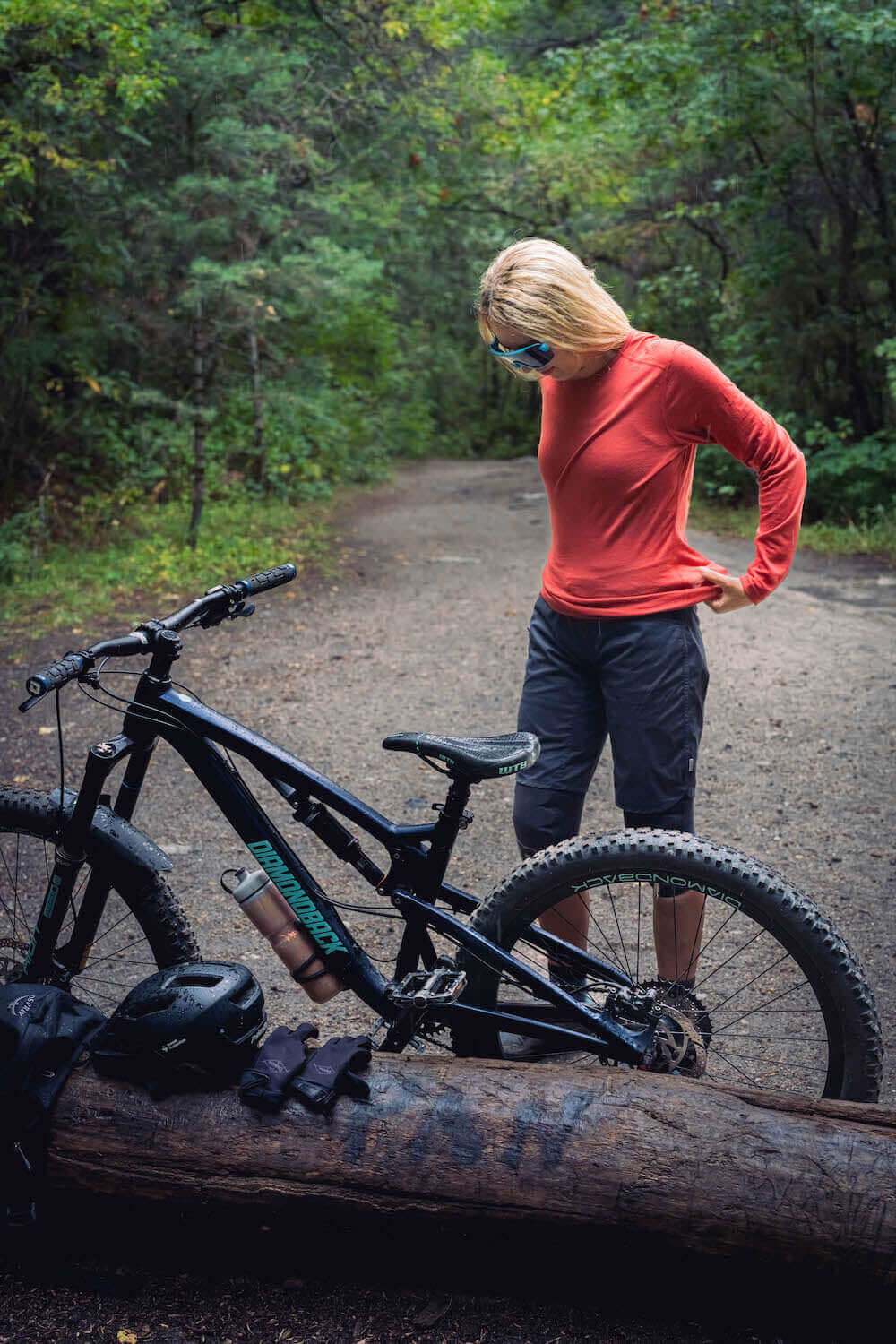
Our merino base layers are 100% Australian merino at 17.5 micron, and a long sleeve merino wool base layer for women is the single most useful garment to bring to Uruguay in any season. Nothing here is more than a few hundred metres above sea level and almost everything is within a few kilometres of a very large body of water, so the air temperature is decided by the wind rather than the sun: a 28C January afternoon on Playa Brava becomes a 17C evening on the Rambla, and a 14C July day with the pampero blowing feels considerably colder than 14C. Merino handles that swing in one garment, works under a shell, and goes several days between washes without holding smell, which matters on a bus-and-beach itinerary.
A wind-cutting rain jacket
A packable rain jacket. Uruguay has no dry season, so rain is possible in every month, and the point of the jacket here is as much the wind as the water. Anything that flaps uselessly on an exposed promenade is the wrong purchase.
Serious sun protection, because the UV is one of two named health risks
A wide brim sun hat that will survive a sea breeze, a long sleeve sun hoodie and a high factor sunscreen. The FCDO names STRONG SUN WITH HIGH UV LEVELS as a health risk for Uruguay, which it does not do for every country, and the summer sun over pale sand and reflective water at this latitude burns faster than its warmth suggests. A long sleeve top you can swim in is worth more than any amount of reapplication.
Shoes for cobbles and broken pavement
Walking shoes with a real sole and no heel. Colonia's historic quarter is authentic cobble rather than decorative paving, Montevideo's pavements are uneven and frequently dug up, and a beach town like Punta del Diablo has sand streets. Flip-flops for the beach and these for everything else is the right pair of decisions.
A quick-dry towel
A quick dry travel towel. This is a country where a river beach, an ocean beach and a thermal spring can all happen in one week, and where many hostels and apartments do not provide one.
Something to carry water, and an eye on the thermos question
An insulated water bottle. Uruguayan tap water is safe to drink, which is not true of most of the continent and saves both money and plastic. If you fall for mate, note that the local answer is a dedicated thermos carried under the arm, and that every supermarket sells a gourd, a straw and a kilo of yerba for very little, which is the cheapest souvenir in the country and the only one you will use daily.
The small things
Cash in Uruguayan pesos for Rocha and the interior, because the FCDO warns that credit cards are not always usable outside major towns and that ATMs may not always accept UK debit cards, so do not plan a trip east on a single card. A European two-pin or Argentine-style three-pin adapter, since Uruguay uses 220V with sockets of type C, F, I and L and a universal adapter is the honest answer. Mosquito repellent, because dengue is the other named health risk and the mosquitoes on the lagoons are real. A light scarf for the wind. Sunglasses. Enough of any regular medication to cover the trip, since a local prescription is needed to buy more. And a swimsuit you can walk home in.
Getting Around Uruguay
The buses are excellent, the distances are small, and the ferry from Buenos Aires is the best way in.
The ferry from Buenos Aires is an international border crossing and both countries' controls are done before you board. That is the practical thing to know, because it means arriving at the terminal well before departure rather than at a ferry-shaped margin: you clear Argentine exit and Uruguayan entry side by side at the departure terminal, then walk onto the boat and off it with nothing further to do. Buquebus and the smaller operators run the routes. THE TWO CHOICES ARE THE DIRECT CROSSING TO MONTEVIDEO, a little over two hours on the fast ferry and longer on the conventional one, AND THE SHORT CROSSING TO COLONIA DEL SACRAMENTO, about an hour and a quarter, with a connecting coach to Montevideo of two and a half to three hours. The Colonia route is usually cheaper and it is the better trip, because it delivers you into the UNESCO quarter rather than into a city terminal. Book ahead in January, take your passport, and note that fares vary enormously with how far in advance you buy.
FLYING IN: Carrasco International outside Montevideo is the main airport, about twenty kilometres east of the city, and it is a genuinely pleasant building. Punta del Este has its own airport at Laguna del Sauce, busy in season. There are direct connections from Sao Paulo, Buenos Aires, Santiago, Lima, Panama and Madrid, and almost everything else connects through one of those.
BUSES ARE THE DEFAULT AND THEY ARE GOOD. Montevideo's Tres Cruces terminal is modern, safe, has a supermarket and left luggage, and services run constantly along the coast and out to every departmental capital. Montevideo to Punta del Este is about two hours, to Colonia two and a half to three, to Punta del Diablo four to five. Buy at the terminal or online, and expect assigned seats and air conditioning.
DRIVING IS EASY AND THE ROADS ARE GOOD. The Ruta Interbalnearia runs the length of the coast; traffic is light outside January. A UK photocard licence is valid for the first 90 days, after which a Uruguayan licence is required, and hire companies frequently demand two years of driving experience and an international driving permit, so check before you book rather than at the desk. Headlights on at all times and a zero-tolerance attitude to drink driving are both the law. Theft from parked cars is the advisory's named risk, so use paid car parks.
IN MONTEVIDEO, city buses are cheap and comprehensive, taxis are metered and honest, and ride apps work. Cabo Polonio is the one place with no road access: you park at the entrance and take the authorised dune trucks.
Costs: What to Budget
Plan for southern European prices, not South American ones.
Uruguay is the most expensive country in South America for a traveller and the gap is widest in January on the coast. A hostel dorm in Montevideo runs roughly the price of one in Portugal; a private room or a mid-range hotel is comparable to Spain; an apartment in Punta del Este in January can cost more than one in Lisbon in August. Outside the season the coast halves and Montevideo drops noticeably.
Eating is where the cost shows most. A parrilla dinner with wine in the Mercado del Puerto is a proper restaurant price, and a chivito with a beer at a corner place is a modest one, so the spread between the two is the whole budgeting question. Supermarkets are reasonable, the markets are cheap, and the fact that tap water is drinkable removes a running cost that most of the continent imposes.
Transport is good value: long-distance buses are inexpensive relative to everything else, and the ferry from Buenos Aires varies enormously with how far ahead you book, which is the single biggest saving available on a Uruguay trip.
ONE MECHANISM WORTH CHECKING BEFORE YOU PAY FOR ANYTHING, because it is money back rather than a discount: Uruguay operates a VAT REFUND FOR NON-RESIDENTS on accommodation, applied automatically at the point of payment when you pay with a FOREIGN-ISSUED card, and it has at various times been extended to restaurant bills and car hire as part of tourism policy. The rate and the scope have changed more than once, so confirm the current terms with your hotel rather than trusting any figure in any article, including this one, and pay with a foreign card rather than local cash where the choice exists.
Where to Stay
Pocitos in Montevideo, the historic quarter in Colonia, and a decision about which Punta you want.
IN MONTEVIDEO, POCITOS is the straightforward recommendation: a leafy residential beach neighbourhood on the Rambla, safe to walk at night, full of restaurants, twenty minutes from the Ciudad Vieja by bus or taxi. PUNTA CARRETAS next door is smarter and quieter. The CIUDAD VIEJA has the best boutique hotels in the country and the weekend-emptiness problem the safety section describes, which is manageable if you take taxis at night and is the reason it is not the default suggestion. CORDON and PARQUE RODO suit a longer stay.
IN COLONIA, stay inside or beside the BARRIO HISTORICO, which is small enough to cross in fifteen minutes and transforms once the last ferry has gone. There are a dozen good small hotels and posadas and they book out in season.
ON THE COAST, decide what you want before you book. PUNTA DEL ESTE proper is high-rise, serviced and busy, with the peninsula walkable and everything else requiring a car. LA BARRA and MANANTIALES are lower-rise and younger. JOSE IGNACIO is a fishing village turned very expensive. PIRIAPOLIS, an hour closer to Montevideo, is an older, cheaper, more Uruguayan seaside town with a grand 1930s hotel. PUNTA DEL DIABLO is cabins and hostels and nothing formal at all.
IN THE INTERIOR, the ESTANCIAS are the reason to go: working ranches with a handful of rooms, full board, horses and a fire. They are not cheap and they are the most distinctive accommodation in the country.

Essential Resources for Women in Uruguay
Emergency numbers: 911 reaches the police anywhere in Uruguay and is the number to remember. 104 is the fire service and 105 the public emergency medical service. English is less widely spoken by emergency operators than in Europe, so if you are staying somewhere with a reception desk, calling them first is often faster in practice.
Police and support: Montevideo has a TOURIST POLICE unit, the Policia Turistica, which operates in the Ciudad Vieja and the central area and is the right place to report a theft, because you will need a written report, a denuncia, for any insurance claim. For gender-based violence, Uruguay runs a national free confidential line on 0800 7272 through its women's institute, InMujeres, which is answered around the clock and is the dedicated route rather than a general police counter.
Main hospital or clinic: in Montevideo the HOSPITAL BRITANICO is the private hospital most used by foreign visitors and has English-speaking staff; the HOSPITAL MACIEL in the Ciudad Vieja is the main public hospital and the oldest in the country. On the coast, the regional hospital in MALDONADO serves Punta del Este, about twenty minutes away, and anything serious goes to Montevideo. Uruguay has no reciprocal health agreement with the UK or the United States, and the FCDO is unusually blunt about the consequence: MEDICAL AND DENTAL TREATMENT IS EXPENSIVE IN URUGUAY, so travel health insurance with cover for treatment AND REPATRIATION, plus accessible funds, is essential rather than advisable. Standards in Montevideo are good and the city is a regional medical destination; provision thins outside it, and the FCDO publishes a list of medical providers in Uruguay where some staff speak English. TWO PHARMACY RULES CATCH PEOPLE OUT. You need a prescription from a LOCAL doctor to get prescribed medication, a foreign prescription will not do, and ALL medication in a pharmacy, prescribed or not, is kept BEHIND THE COUNTER and must be asked for, so there is nothing to browse. Bring enough of anything you take regularly, because medicine for complex treatment may simply be unavailable in smaller towns. The named health risks are DENGUE and STRONG SUN WITH HIGH UV LEVELS. Tap water in Uruguay is generally safe to drink, which is not true of most of the continent.
Official health authority: the Uruguayan Ministry of Public Health. There is no reciprocal health agreement, so insurance covering treatment AND repatriation is essential, and the FCDO states plainly that medical and dental treatment in Uruguay is expensive. Note that a local prescription is required for prescribed medication and that all pharmacy medicine is kept behind the counter
US Embassy: the United States Embassy in Montevideo.
Official tourism authority: the Uruguayan Ministry of Tourism. The Ministry of Tourism runs information offices in Montevideo, Colonia and Punta del Este, and its site publishes the lifeguard season dates and the Carnaval programme, which moves every year
Safety summary for women travelling alone in Uruguay: Uruguay is the easiest country in South America to travel alone in and the advisory supports that rather than merely permitting it. There are NO advised-against areas anywhere, no FCDO regional-risks page exists for the country at all, and the terrorism wording is the mildest the FCDO writes. The entire body of the warning is street crime in central Montevideo, bag-snatching, pickpocketing and mugging that is sometimes armed, plus theft from parked cars, with crime rates stated to be generally lower everywhere else in the country. The geographic advice is the part to act on: avoid walking downtown or in the port area alone, especially at night AND AT WEEKENDS, which is real because the Ciudad Vieja is an office district that empties on a Saturday afternoon and stays empty through Sunday. Use ATMs inside banks and shopping centres, carry a bag that closes in front of you, split cash and cards, leave nothing visible in a car, and take a taxi the few blocks after dark. Socially a woman alone here is unremarkable: street harassment is markedly lower than elsewhere in the region, Uruguayans are reserved and helpful, and the FCDO's own LGBT+ paragraph, noting legal same-sex marriage, anti-discrimination law and rare hostility, is the most positive it writes for Latin America. THE ENVIRONMENTAL RISKS ARE THE SEA AND THE SUN. Lifeguards are posted December to March only, the Atlantic beaches have currents and sandbanks with sudden descents, and the flag system includes a RED WITH GREEN CROSS flag meaning the water is unsanitary and a BLACK flag meaning thunderstorms and leave the coast entirely. High UV and dengue are the named health risks. And on the law: cannabis is legal for registered residents of two years or more and ILLEGAL FOR TOURISTS, and smoking including e-cigarettes is banned in all enclosed public places. 911 for police, 0800 7272 for the national women's violence line, and insurance that covers repatriation, because treatment here is expensive.
Recommended Tours and Experiences
Our Uruguayan destination guides, each with its own packing list, safety assessment and emergency numbers. More are added as they publish, and this hub is the parent for all of them.
- Montevideo packing list for women the capital, the Rambla, the Mercado del Puerto and the one downtown the advisory names.
- Punta del Este packing list for women South America's glossiest resort, where the calm river beach and the fierce Atlantic one sit five minutes apart.
- Colonia del Sacramento packing list for women a Portuguese smuggling town of 1680, now a UNESCO quarter, an hour by ferry from Buenos Aires.
Reading On
For the neighbours this trip is usually combined with, the Argentina travel guide for women and the Buenos Aires packing list, which is an hour away by ferry and the commonest way into the country, plus the Brazil travel guide for women for the border at Chuy. Further afield on the same continent, the Chile travel guide for women and the Bolivia travel guide for women. For why merino rather than cotton in a country where the wind off the river decides the temperature in every season, read the guide to merino wool base layers for women. Every destination we cover is indexed at the travel packing guide for women, and the base layers themselves are at the Roman Trail collection.
If the outer journey is calling you, the inner one usually is too. Explore SoulMap at romantrail.com/blogs/soulmap.
Blog posts
View all-

Packing List for Colonia del Sacramento: What W...
What to pack for Colonia del Sacramento. A Portuguese smuggling town of 1680 that is now a UNESCO quarter, an hour by ferry from Buenos Aires.
Packing List for Colonia del Sacramento: What W...
What to pack for Colonia del Sacramento. A Portuguese smuggling town of 1680 that is now a UNESCO quarter, an hour by ferry from Buenos Aires.
-

Packing List for Watamu: What Women Should Bring
What to pack for Watamu. A marine park on the Swahili coast with turtle nesting beaches, coral gardens and the ruins of a lost city behind it.
Packing List for Watamu: What Women Should Bring
What to pack for Watamu. A marine park on the Swahili coast with turtle nesting beaches, coral gardens and the ruins of a lost city behind it.
-

Packing List for Tsavo West: What Women Should ...
What to pack for Tsavo West. Red earth, red elephants, lava flows and springs, on the road between Nairobi and Mombasa.
Packing List for Tsavo West: What Women Should ...
What to pack for Tsavo West. Red earth, red elephants, lava flows and springs, on the road between Nairobi and Mombasa.


Contact form

Roman Trail Outfitters
Merino Wool Women's Long Sleeve Top | Crew Neck Shirt | Deep Olive