Stockholm Travel Guide for Women: Everything You Need to Know

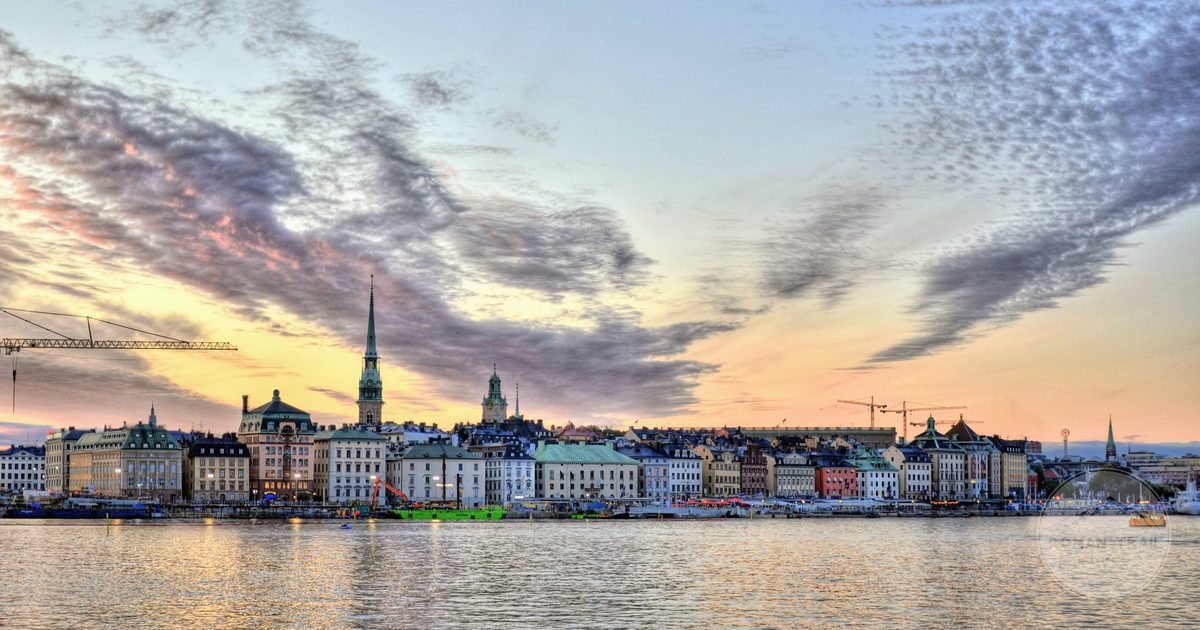
Stockholm is the most beautiful capital in Scandinavia and one of the safest cities in the world to travel alone. A city of 975,000 people built across 14 islands where Lake Mälaren meets the Baltic, connected by 57 bridges and opening east into an archipelago of 30,000 islands, it combines a medieval old town, a warship raised intact from the harbour floor, and a design culture that has shaped how the rest of the world furnishes its homes.
Disclosure: This post contains affiliate links. If you buy through them, Roman Trail earns a small commission at no extra cost to you.
This guide covers what a woman planning a Stockholm trip actually needs: how safe it is, what the four seasons genuinely do including the winter darkness nobody quite prepares you for, how the islands differ, how to reach the archipelago, how to approach the Vasa and the ABBA Museum, how the Tunnelbana and the ferries work, what a week costs, where to stay, and what to pack.
The packing challenge is Baltic damp rather than extreme cold. Stockholm winter runs minus 8 to 0, which is not severe by Nordic standards, but the moisture in the air and the wind off the water make it bite considerably harder than the number suggests, and heated interiors mean you are shedding and adding layers all day. A layering system beats a single warm coat here decisively.
Is Stockholm Safe for Women Travelers
Stockholm is among the safest cities in the world for women travelers, and Sweden carries a Level 1 US State Department advisory, exercise normal precautions, the lowest rating issued.
Solo women walk Stockholm comfortably at essentially any hour across Gamla Stan, Norrmalm, Östermalm, Södermalm, Kungsholmen, Vasastan, and Djurgården. Solo dining is completely unremarkable, Swedish social norms give people a wide berth in public, and street harassment is rare enough that visitors from other countries frequently comment on its absence. The Tunnelbana is clean, well lit, and safe late at night.
The realistic risk is pickpocketing rather than anything violent, and it concentrates exactly where you would expect: Gamla Stan's narrow lanes at peak hours, the Central Station and T-Centralen concourses, and crowded Tunnelbana carriages. A zipped bag worn in front covers it. Certain suburbs well outside the city have higher crime rates and hold nothing on a visitor itinerary.
Two Stockholm-specific cautions that are not about crime. The first is ice: from December through March the cobbles of Gamla Stan and the sloping streets of Södermalm glaze over in the freeze-thaw cycle, sidewalks are gritted rather than salted, and falls are the most common way visitors get hurt here. The second is water and darkness: the city is built on islands with a great many unfenced quaysides, and walking home along a dark waterfront after drinking is a genuinely bad idea that Swedish authorities campaign about every year.
The emergency number across Sweden is 112 for everything. Non-urgent medical advice is 1177, which is staffed around the clock and answers in English.
The Four Seasons and the Darkness
Stockholm sits at 59 degrees north, and the daylight swing across the year shapes a trip more than the temperature does.
Summer, June through August, is the peak season and it is extraordinary. Temperatures run 20 to 25 degrees, and in June the city gets around 18 to 20 hours of usable light with a long blue twilight that never fully darkens. The archipelago ferries run their full schedule, the outdoor swimming and the waterside bars are in full operation, and the whole city is outdoors. Midsummer in late June is the biggest holiday in the Swedish year, when Stockholm empties as people head to the countryside and many restaurants and shops close for the weekend.
Spring, April through May, is the loveliest time to be here. The city comes out of the dark with visible relief, daylight increases fast, temperatures run 5 to 15 degrees, and the cherry blossoms in Kungsträdgården peak in late April into a genuine public event. Fewer crowds and lower prices than summer.
Autumn, September through October, has the foliage on Djurgården and along the waterways, the cultural season restarting, and comfortable walking weather at 8 to 15 degrees. October brings the Nobel Prize in Literature announcement from the Swedish Academy in Gamla Stan.
Winter, November through March, is cold, damp, and above all dark. Temperatures run minus 8 to 0. At the December solstice the sun rises around 8:45am and sets before 3pm, giving roughly six hours of low, grey light, and November before the Christmas lights arrive is the bleakest stretch.
That said, winter is a genuine season to visit rather than one to avoid, provided you plan for it. The Christmas markets in Gamla Stan and at Skansen run from late November, the candle-and-cafe culture that Swedes build around the dark is the whole point of fika, museum admissions are quiet, hotel rates drop, and the city under snow is beautiful. Build the itinerary around indoor Stockholm with short bright outdoor stretches, rather than the reverse.
Stockholm Island by Island
Gamla Stan
The old town on its own island is one of the best preserved medieval centres in Europe: ochre and rust coloured buildings on lanes barely wide enough for two, the Royal Palace with its 1,430 rooms and the daily changing of the guard, Stortorget square with its narrow gabled houses, and Mårten Trotzigs Gränd, the narrowest alley in the city at 90 centimetres. The Nobel Prize Museum occupies the old Stock Exchange, where the Literature laureate is announced each October.
Go early or late. Between 10am and 4pm in summer the main lane, Västerlånggatan, is packed, while the side streets a block away stay quiet.
Djurgården
The green island east of the centre holds most of the major museums and is a park in its own right, with walking and cycling paths around its shoreline. The Vasa Museum, the ABBA Museum, Skansen, the Nordic Museum, and the Thielska Galleriet with its Munch collection are all here. It is a short walk over the bridge from Östermalm, or a ferry from Slussen, which is the better arrival.
Södermalm
The large island south of Gamla Stan is the most creative and most enjoyable part of Stockholm to spend time in. Fotografiska on the waterfront is the best photography museum in Scandinavia and stays open late. SoFo, south of Folkungagatan, has the independent boutiques, vintage shops, and coffee. The Monteliusvägen cliff path along the northern edge gives the finest view in the city, across the water to City Hall and Riddarholmen, and it is best an hour before sunset.
Norrmalm, Östermalm, and Kungsholmen
Norrmalm is the modern centre with the shopping, Central Station, and Kungsträdgården. Östermalm is the elegant district, with the Östermalms Saluhall food market in its restored 1888 hall and the best restaurants in the city. Kungsholmen west of the centre has the Stadshuset, Stockholm City Hall, where the Nobel banquet is held each December, and a waterside walk that few visitors find.
The Vasa Museum and the ABBA Museum
The Vasa is the single most extraordinary thing in Stockholm and worth prioritising above everything else. A 69 metre warship built for Gustavus Adolphus, it capsized and sank in Stockholm harbour on its maiden voyage in 1628 after sailing barely 1,300 metres, having been built dangerously top-heavy. Baltic water is too brackish for the shipworm that destroys wood elsewhere, so it sat almost intact on the harbour floor for 333 years and was raised in 1961. What stands in the museum is roughly 98 percent original timber, carved and decorated, seven storeys tall.
Go at opening or in the last two hours; the middle of the day is very busy. Admission is around 190 SEK, the free guided talks in English run several times daily and are genuinely worth timing your visit around, and the building is kept cool and humidity-controlled to protect the ship, so bring a layer even in August.
The ABBA Museum next door is the most purely enjoyable museum in Stockholm and entirely unembarrassed about it. The complete archive of costumes, instruments, and gold discs sits alongside interactive installations that let you sing, dance, and mix tracks as the fifth member. Tickets are timed and should be booked online in advance, and they run around 275 SEK, which is not cheap. Go even if you think you do not care; almost nobody leaves unconvinced.
Skansen, also on Djurgården, is the oldest open-air museum in the world, with 150 historic buildings relocated from across Sweden, Nordic animals including bears and wolves, and the best Christmas market in the city.
The Stockholm Archipelago
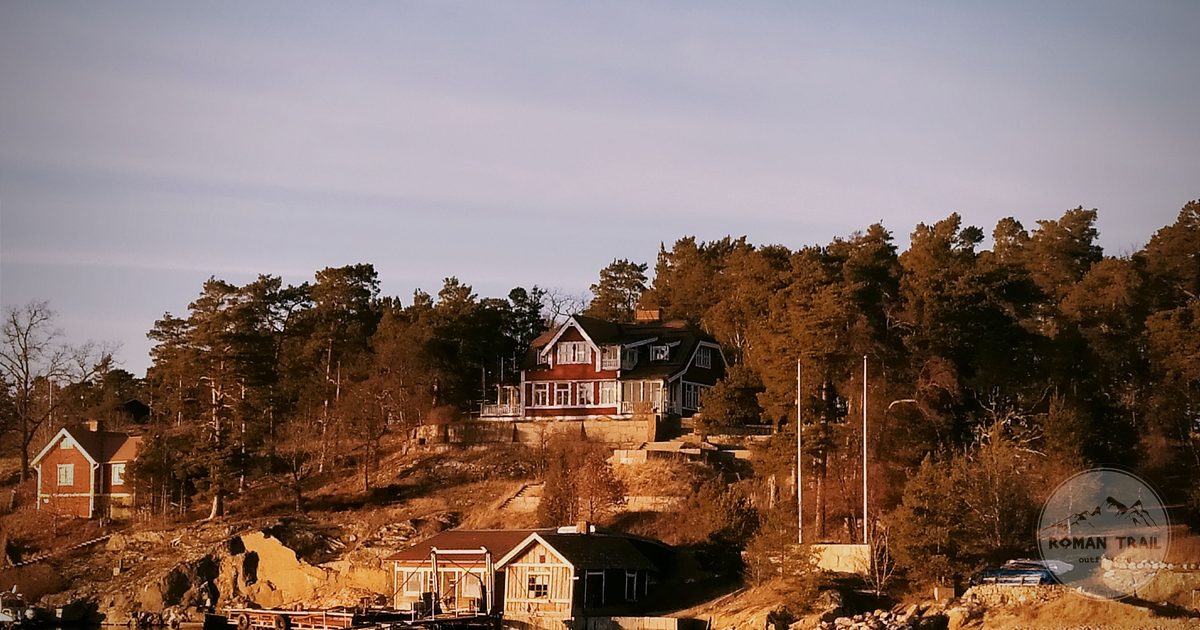
The archipelago is what makes Stockholm different from every other European capital: 30,000 islands, skerries, and rocks extending 80 kilometres east into the Baltic, reachable on a scheduled public ferry from the middle of the city.
Waxholmsbolaget is the public ferry operator, running year round from Strömkajen beside the Grand Hotel. Tickets are bought on board or through the app, and a Båtluffarkortet island-hopping pass covers five days of unlimited travel, which is the best value if you plan more than one trip. Strommakanalbolaget also runs tourist routes from the same quay.
Where to go, by distance. Fjäderholmarna is 25 minutes out and works as a half-day: a small island with craft workshops, a smokehouse, and swimming rocks. Vaxholm is an hour, the archipelago's main town, with the fortress, wooden villas, and cafes, and it is the easiest full day. Grinda at two hours is quieter, with good swimming and a hostel and inn. Sandhamn at three hours is the sailing centre, with the best sand beach in the archipelago. Utö at three to four hours is the classic outer island for cycling and swimming.
Practicalities. The full ferry network runs late June through August; outside that, services thin considerably and some outer routes stop, so check timetables before planning an autumn or winter trip. Ferry decks are exposed, and wind over open water runs several degrees colder than the temperature on land even in July, so take a windproof layer. The granite shoreline is smooth and slick when wet, so shoes with grip matter. Bring a swimsuit; Swedes swim from the rocks well into September. Many islands have limited or no shops, so carry water and food for the day.
Kayaking between the inner islands is excellent and rentals are available on Vaxholm, Grinda, and elsewhere, with guided day trips leaving from the city in summer.
Getting Around Stockholm
The Tunnelbana, the metro, is clean, punctual, and genuinely worth seeing in its own right: more than 90 of the 100 stations are decorated, many blasted directly out of bedrock and painted, which makes the network the longest art gallery in the world. T-Centralen, Solna Centrum, and Kungsträdgården are the most striking.
SL runs the metro, buses, trams, commuter trains, and the commuter ferries on one ticket. Fares are distance-free within Stockholm at around 42 SEK per journey, with 24-hour, 72-hour, and 7-day travelcards available. Buy through the SL app or tap a contactless card at the gate; there is no cash on board anywhere.
The commuter ferry from Slussen to Djurgården is included in the standard travelcard and is the nicest way to reach the museums. Stockholm is also a fine walking city and the islands are closer together than a map suggests, though Södermalm's cliffs make some routes steeper than expected.
From the airport, the Arlanda Express train reaches Central Station in 20 minutes for around 340 SEK, and the Flygbussarna coach takes 45 minutes for roughly 130. Do not rent a car; you will not need one, and parking is expensive.
Sweden is close to cashless. Many restaurants, museums, and market stalls take cards only, and a contactless card or phone covers effectively everything.
What Stockholm Costs
Stockholm is expensive, though less punishing than its reputation if you use the lunch culture and the free attractions.
Budget travel runs 700 to 1,100 SEK per day, roughly 65 to 105 US dollars: a hostel bed at 350 to 550 SEK, food built around the dagens lunch, the weekday set lunch offered by most restaurants at 110 to 150 SEK, which is the single best value in Swedish dining, a transit day pass at 165 SEK, and free attractions including Gamla Stan, the Monteliusvägen view, and several museums with free entry.
Mid-range runs 1,800 to 2,800 SEK per day, roughly 170 to 265 dollars: a hotel room at 1,200 to 2,000 SEK, 500 to 700 on food including a proper dinner, and museum admissions at 150 to 275 each.
Luxury starts around 4,500 SEK per day, with Östermalm and waterfront hotels at 3,000 to 6,000 SEK per night.
Two ways to spend less without eating worse: take your main meal at lunch, when the dagens lunch typically includes bread, salad, and coffee for a third of dinner prices, and use the free museums, which include the Nordic Museum on some evenings, the Medieval Museum, and several others.
Tipping is not expected in Sweden. Service is included, and rounding up a restaurant bill is generous rather than standard. Alcohol is heavily taxed and sold outside bars only through Systembolaget, the state monopoly, which closes early and does not open on Sundays.
Where to Stay in Stockholm
Gamla Stan puts you inside the medieval old town, atmospheric and central, in small hotels in centuries-old buildings. The tradeoff is tourist density by day and narrow stairs in buildings without lifts. Expect 1,200 to 2,200 SEK per night.
Norrmalm and the central district is the most practical base, walkable to Gamla Stan and next to Central Station and T-Centralen, at 1,100 to 2,000 SEK. It is functional rather than charming.
Södermalm is the best choice for most travellers who want to feel like they are living in the city rather than visiting it, with the best food, bars, and independent shopping, at 1,000 to 1,900 SEK and a ten-minute walk or one metro stop from Gamla Stan.
Östermalm is the elegant option, quiet and residential with the best restaurants and the Saluhall, at 1,500 to 3,000 SEK. Djurgården has a small number of properties for travellers who want the park and the museums at the door.
For solo women specifically: Swedish hotels and hostels are of a uniformly high standard, with staffed reception and card access as the norm, and the city's safety baseline is high everywhere a visitor would stay. Look for a place near a Tunnelbana station if you are visiting in winter, since the walk matters more when it is dark by 3pm and the pavements are icy. Note that many older Gamla Stan buildings have no lift, which is worth checking if you are carrying a heavy bag.
What to Pack for Stockholm
Stockholm packs for Baltic damp, for constant layer changes, and for wind over water.
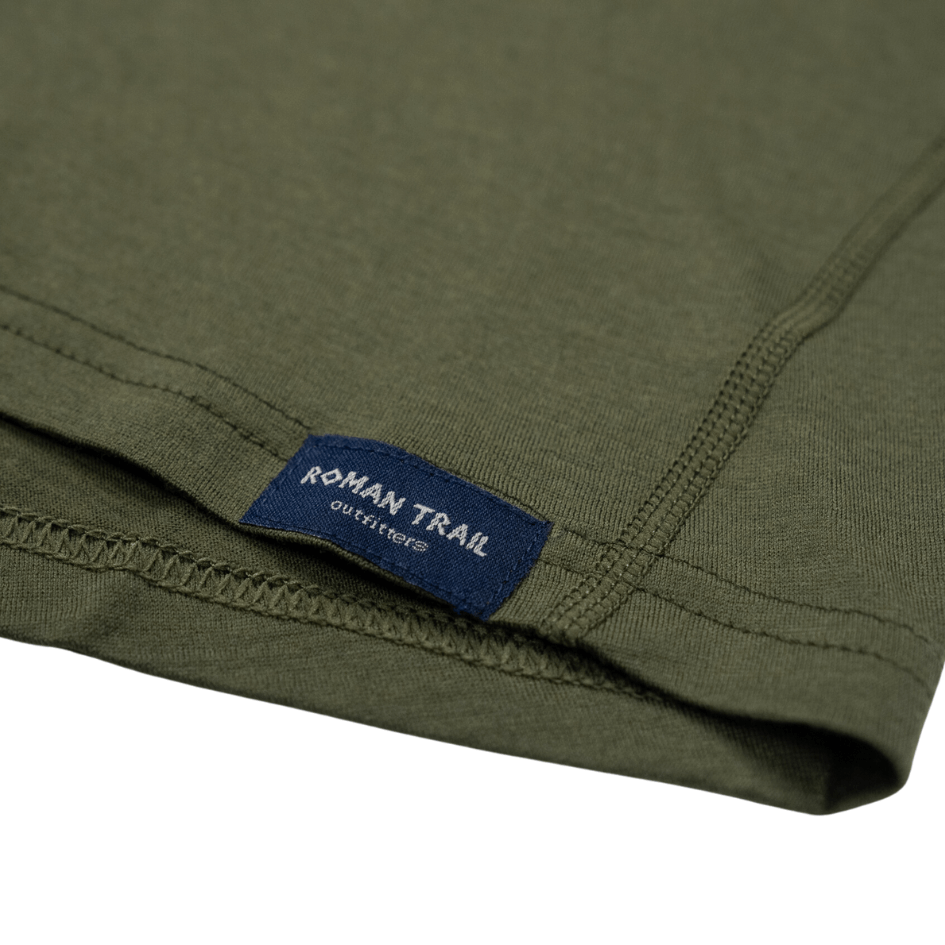
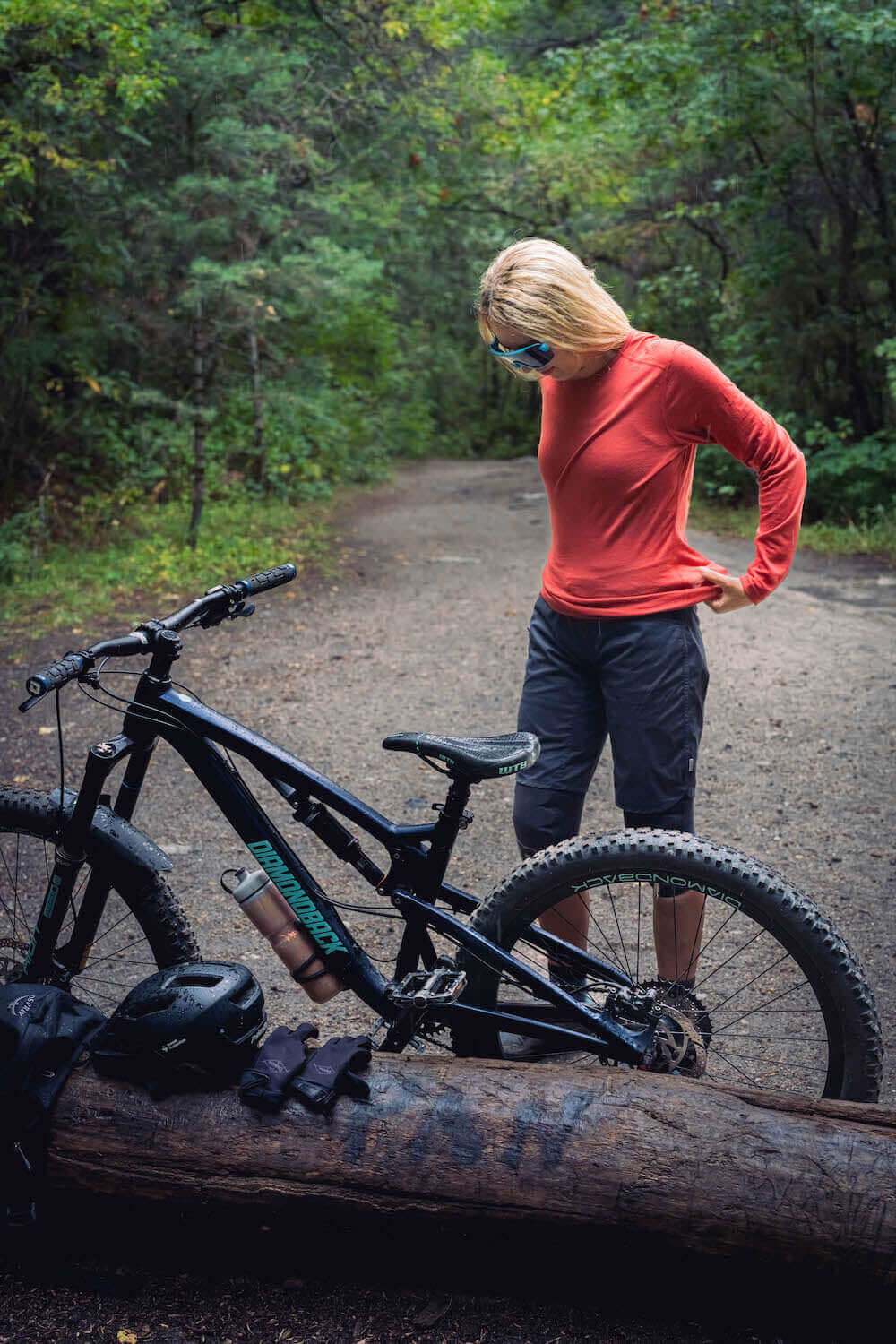
The Roman Trail Women's Merino Wool Base Layer ($49-59) is the foundation because of one property in particular: wool insulates when damp and cotton does the opposite. Baltic air carries moisture, and a damp cotton layer in wind off the water stops keeping you warm and starts actively cooling you, which is the mechanism behind most of the misery visitors report in a Stockholm November. Merino also handles the constant indoor-outdoor cycling that Stockholm demands, since interiors are heated hard and you will shed and add layers all day between cafes, museums, and the Tunnelbana. Two of them, three in winter.
For winter the Columbia insulated hooded jacket ($279) is the insulating mid layer under a shell, and it packs down small enough to carry on a spring or autumn day when the temperature drops after dark, which at this latitude it does sharply.
The Marmot Women's PreCip Eco Rain Jacket ($110) belongs in the bag in every season, and treat it as a wind layer first. On a ferry deck crossing open Baltic water, or on the Monteliusvägen promenade in any month, the wind is the part of the cold that gets through everything else. Umbrellas are useless here and Swedes do not use them.
Footwear is a grip question rather than a warmth one. The Salomon Women's X Ultra 4 GTX ($165) handles the Gamla Stan cobbles, the Södermalm slopes, and the smooth wet granite of the archipelago shoreline, paired with Darn Tough Women's Hiker Micro Crew Merino Socks ($28). From December through March, Stockholm's pavements are gritted rather than salted and the freeze-thaw glazes the old town, so an aggressive waterproof sole is worth more than extra insulation, and slip-on ice cleats are worth considering for the worst weeks. Add one dressier pair, because Stockholm's restaurant scene rewards a put-together look.
Pack quality and understatement rather than anything loud, which is the Swedish aesthetic and will make you feel less conspicuous. Bring a swimsuit in summer, socks you are happy to be seen in since shoes come off indoors, and a blackout mask in June, when it barely gets dark.
The full season-by-season list, including the winter system and the archipelago day, is in the Stockholm packing list for women.
Browse the Roman Trail women's merino base layer collection, the layer that keeps working when Baltic damp gets into everything else, available in eight colors with free two-day shipping and a two-year satisfaction guarantee.
Day Trips from Stockholm
Drottningholm Palace, the royal family's residence and a UNESCO World Heritage Site, is an hour by boat across Lake Mälaren and has a preserved 18th century theatre still in working use. Uppsala, 40 minutes by train, is Sweden's oldest university city, with the largest cathedral in Scandinavia and the burial mounds at Gamla Uppsala.
Sigtuna, an hour away, is the oldest town in Sweden, founded around 980, with rune stones along its single main street. Birka on Björkö island is a Viking Age trading settlement and another World Heritage Site, reachable by boat in summer. Mariefred with Gripsholm Castle makes a good full day by steamboat across the lake.
Essential Resources for Women in Stockholm
Emergency number: 112 for all emergencies across Sweden (police, ambulance, fire). 114 14 for non-urgent police matters.
Non-urgent medical advice: 1177, staffed 24 hours and answered in English, for guidance on where to go and whether you need to.
US Embassy Stockholm: Dag Hammarskjölds Väg 31, 115 89 Stockholm, +46 8 783 5300, se.usembassy.gov
Hospitals: Karolinska University Hospital Solna, +46 8 123 700 00, the region's largest. Södersjukhuset on Södermalm, Sjöstadsvägen 11, +46 8 616 10 00, the most central emergency department. EU and UK visitors should carry the European Health Insurance Card or its UK equivalent; everyone else needs travel insurance.
Official health authority: Folkhälsomyndigheten, the Public Health Agency of Sweden, folkhalsomyndigheten.se
Official tourism authority: Visit Stockholm, visitstockholm.com, and Visit Sweden, visitsweden.com
Archipelago ferry timetables: Waxholmsbolaget, waxholmsbolaget.se
US State Department travel advisory: travel.state.gov Sweden advisory
UK FCDO travel advice: gov.uk foreign travel advice for Sweden
Solo women safety assessment: Stockholm is among the safest cities in the world for solo women travelers, and Sweden carries a Level 1 US State Department advisory, the lowest rating issued, with solo walking comfortable at essentially any hour across every central district and street harassment rare enough that visitors regularly remark on its absence. The realistic risk is pickpocketing in Gamla Stan's narrow lanes at peak hours, around Central Station and T-Centralen, and on crowded Tunnelbana carriages, all handled by a zipped bag worn in front. The hazards worth more attention are not criminal: ice on the gritted cobbles of Gamla Stan and the slopes of Södermalm from December through March causes more visitor injuries here than anything else, and the city's many unfenced quaysides make walking a dark waterfront after drinking a genuinely bad idea that Swedish authorities campaign about each year.
Ready to plan your wardrobe for the trip? The complete Stockholm packing list for women covers the Baltic damp, the winter system, and what an archipelago day actually requires.
Related Reading
Stockholm sits inside the wider country guide, so start with the Sweden travel guide for women for Lapland, the west coast, and the rest of the country. The Roman Trail travel packing guide for women covers the packing system behind every destination on this site, and the guide to the best merino wool base layers for women explains why wool that insulates when damp is the right choice in a Baltic maritime climate. For Stockholm specifically, the Stockholm packing list for women has the season-by-season detail.
Book Tours and Experiences
If the outer journey is calling you, the inner one usually is too. Explore SoulMap at romantrail.com/blogs/soulmap.
Blog posts
View all-

Trondheim Packing List for Women: Nidaros, Bakk...
What to pack for Trondheim, Norway's medieval capital, where the coronation cathedral stands over a student city with a lift for bicycles.
Trondheim Packing List for Women: Nidaros, Bakk...
What to pack for Trondheim, Norway's medieval capital, where the coronation cathedral stands over a student city with a lift for bicycles.
-

Puebla Packing List for Women: Talavera Tiles a...
What to pack for Puebla, a UNESCO city of tiled facades under an active volcano, where mole poblano was invented and the Cinco de Mayo battle was fought.
Puebla Packing List for Women: Talavera Tiles a...
What to pack for Puebla, a UNESCO city of tiled facades under an active volcano, where mole poblano was invented and the Cinco de Mayo battle was fought.
-

Palenque Packing List for Women: Maya Ruins in ...
What to pack for Palenque, the Maya city in the Chiapas rainforest where Pakal's tomb was found intact under a pyramid in 1952.
Palenque Packing List for Women: Maya Ruins in ...
What to pack for Palenque, the Maya city in the Chiapas rainforest where Pakal's tomb was found intact under a pyramid in 1952.


Contact form

Roman Trail Outfitters
Merino Wool Women's Long Sleeve Top | Crew Neck Shirt | Deep Olive