San Francisco Travel Guide for Women: Everything You Need to Know

San Francisco is the most beautiful city in the United States and the most compact. Eight hundred and seventy five thousand people live on a 121 square kilometer peninsula between the Pacific and the bay, which means almost everything worth seeing is within a 40-minute walk or a short transit ride of almost everything else. It is also, and this is the thing nobody tells first-time visitors clearly enough, genuinely cold in summer.
Disclosure: This post contains affiliate links. If you buy through them, Roman Trail earns a small commission at no extra cost to you.
This guide covers what a woman planning a San Francisco trip actually needs: the fog and the microclimates and how they reshape a day, an honest safety assessment including the Tenderloin, how the neighborhoods differ, how to do the Golden Gate Bridge and Alcatraz properly, how BART and Muni and the cable cars work, what a week costs, where to stay, and what to pack.
The packing rule for San Francisco is simpler than for any other city on this site and more absolute: layers, always, in every season, without exception. Not because the weather is extreme, but because it changes by the hour and by the neighborhood. Visitors who pack for California summer spend their trip buying fleece sweatshirts at Fisherman's Wharf, and the shops there know it.
The Fog: What San Francisco's Weather Actually Does
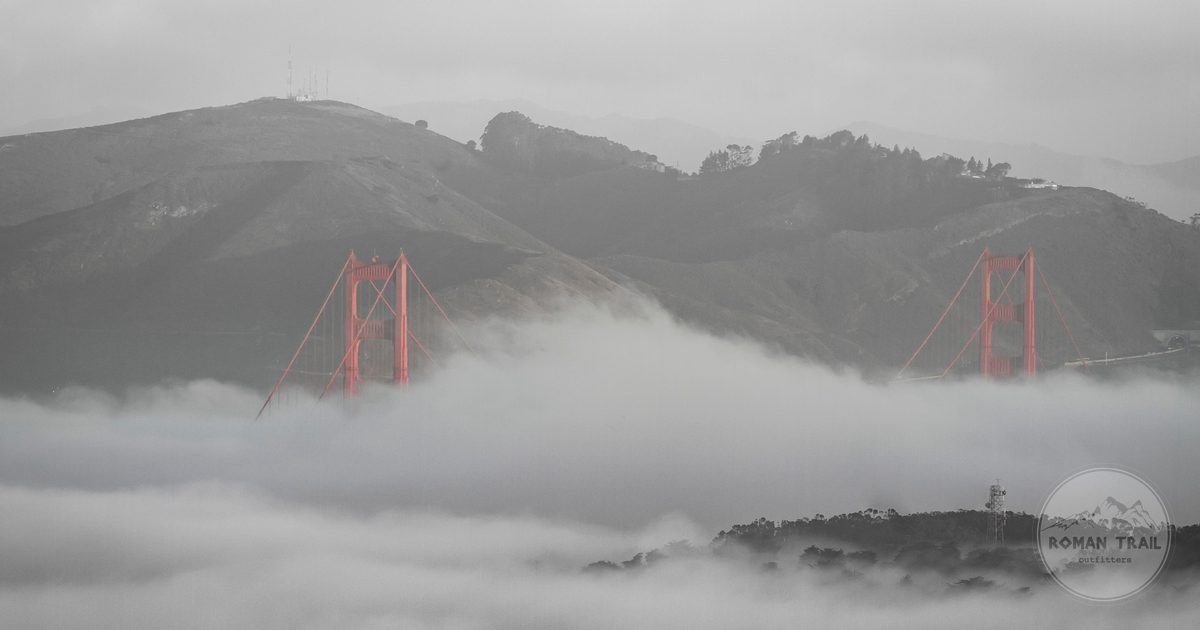
Start here, because everything else follows from it. San Francisco's summer is cold. Average July temperatures run 14 to 18 degrees Celsius with fog and a steady Pacific wind, and evenings drop lower. This is not an occasional bad week; it is the normal condition of June, July, and August.
The mechanism is simple. The Pacific off Northern California is cold, around 12 to 14 degrees year round, because of upwelling along the coast. When the inland valleys heat up in summer, they pull marine air through the Golden Gate, and that air condenses into the fog that pours over the western hills most afternoons and evenings. The hotter it gets in Sacramento, the foggier and colder it gets in San Francisco. The two are directly linked.
This produces the most extreme microclimate variation of any American city. The Richmond and Sunset Districts on the ocean side are fogged in more days than not, all year. Ocean Beach is cold enough that surfers wear full winter wetsuits in August. Meanwhile the Mission, the Castro, and Potrero Hill on the sheltered eastern side can be 10 degrees warmer and in full sun at the same moment. A 20-minute walk genuinely changes the weather.
The seasons, honestly: summer from June through August is the foggiest and coldest, at 14 to 18 degrees. Autumn from September through November is the best, with an Indian summer in September and October that locals consider the real San Francisco summer, at 16 to 22 degrees with clear skies. Winter from December through February is the rainy season at 8 to 14 degrees, with real rain but rarely severe cold. Spring from March through May warms gradually as the fog begins returning.
If you can choose your dates, choose late September or October. If you cannot, pack the layers and plan around the fog rather than against it.
Is San Francisco Safe for Women Travelers
San Francisco requires more situational awareness than most American cities of its size, and it deserves a straight answer rather than reassurance.
The specific issue is concentrated and geographically small. The Tenderloin, roughly bounded by Market, Van Ness, Geary, and Mason, along with parts of Mid-Market and the blocks around Civic Center BART, has significant open drug use, visible homelessness, and street-level crime. It is unpleasant and it can feel confronting, particularly at night. It is also directly adjacent to Union Square and several major hotels, which means visitors walk into it accidentally more often than into any equivalent area in another city. Look at a map before you book a hotel and again before you walk somewhere at night.
Property crime is the realistic risk for visitors across the whole city. Car break-ins are endemic in San Francisco, particularly at tourist parking near the Palace of Fine Arts, Twin Peaks, Lands End, and the bridge viewpoints. Never leave anything in a parked car, including in the trunk, and leave the glovebox open and empty so it is visible there is nothing to take. Phone snatching happens on Market Street and at BART entrances, so do not walk with a phone held loosely in an outstretched hand.
Outside of that, San Francisco is comfortable. The Mission, the Castro, Hayes Valley, North Beach, Noe Valley, the Marina, and the Richmond and Sunset are all neighborhoods where solo women walk in the evening without issue. The Castro in particular is one of the most welcoming and safest-feeling neighborhoods for women traveling alone in any American city. Solo dining is completely unremarkable everywhere.
Emergency number is 911. Non-emergency city services, including reporting a break-in, is 311 or sf.gov. There is no separate tourist police force.
San Francisco by Neighborhood
The Mission
The cultural center of contemporary San Francisco and the warmest, sunniest neighborhood in the city, which is why Dolores Park fills the moment the sun appears. Valencia Street has the bookshops, galleries, and restaurants. 24th Street has the best Mexican food in the city and the murals of Balmy Alley. La Taqueria and El Farolito are the two burrito institutions worth arguing about.
North Beach and Chinatown
North Beach is the historic Italian neighborhood: City Lights Bookstore, open since Ferlinghetti founded it in 1953, Caffe Trieste, and the Columbus Avenue espresso culture. Chinatown immediately south is the oldest in North America and best entered on Stockton Street, where the actual grocery shopping happens, rather than Grant Avenue, which is the souvenir version.
Hayes Valley and Alamo Square
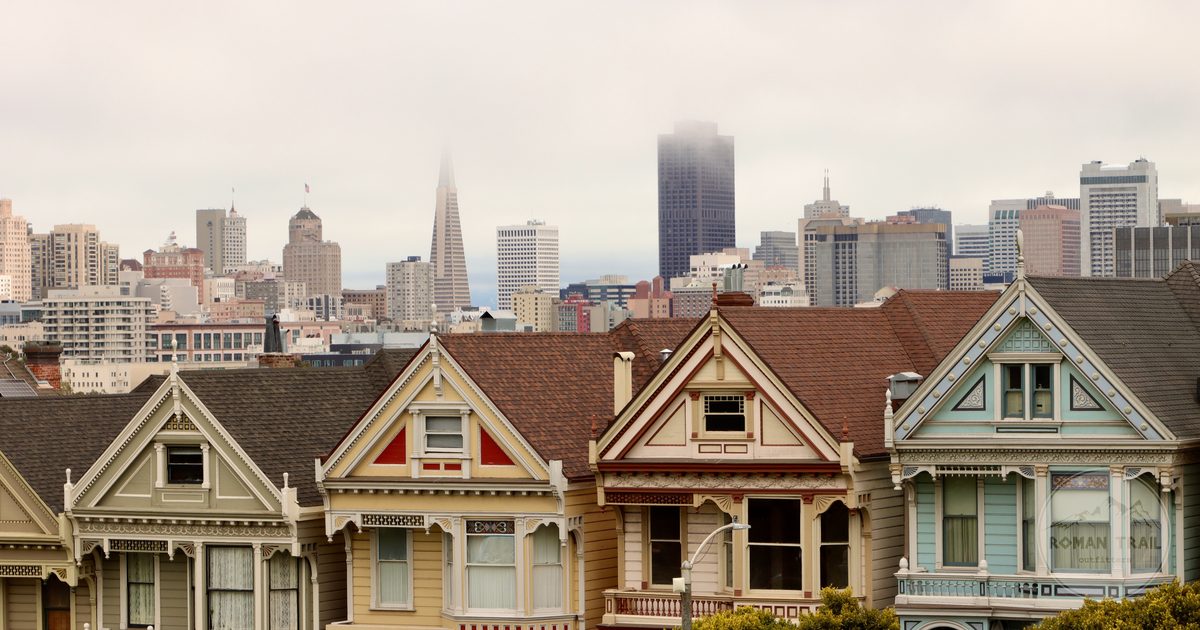
Hayes Valley has the densest concentration of good restaurants in San Francisco and the most pleasant small-scale shopping. Alamo Square, a few blocks west, has the Painted Ladies, the row of Victorian houses photographed against the downtown skyline from the park's east slope.
The Castro and Haight-Ashbury
The Castro has the restored Castro Theatre, the best independent retail concentration in the city, Harvey Milk Plaza, and a genuinely welcoming atmosphere. Haight-Ashbury has the Victorian houses, Amoeba Music, and the eastern entrance to Golden Gate Park.
The Richmond, the Sunset, and Golden Gate Park
The western districts are residential, foggy, and where San Franciscans actually live. Clement Street in the Richmond has the best dim sum and Asian food in the city. Golden Gate Park between them holds the de Young Museum, the California Academy of Sciences, the Japanese Tea Garden, and the Conservatory of Flowers, and is larger than Central Park.
The Golden Gate Bridge and Alcatraz
The Golden Gate Bridge walk is 2.7 kilometers each way across a deck 67 meters above the water, and the east sidewalk is open to pedestrians during daylight hours. Go in the morning: the fog most often holds off until early afternoon, and the light is better. Bring one more layer than the city temperature suggests, because the bridge deck is always colder and windier than anywhere else you will stand, and secure hats and loose items. Battery Spencer and the Marin Headlands on the north side give the classic view back toward the city and are worth the drive or the bike ride.
Alcatraz needs to be booked well in advance, often several weeks in high season, and only through Alcatraz City Cruises, the official operator. Resellers charge more without offering earlier availability. The visit takes about three hours including the ferry, and the audio tour of the cellhouse is genuinely excellent and worth doing properly rather than rushing. The island is exposed with little shelter and the cellhouse is unheated, so dress for a cold, standing, outdoor activity regardless of what the city is doing. The night tour is smaller, more atmospheric, and harder to get.
Getting Around San Francisco
San Francisco is small enough to walk, steep enough that you will not want to walk all of it, and well served enough that you do not need a car. Do not rent one unless you are leaving the city; parking is expensive, difficult, and the break-in risk is real.
Muni runs the buses, the light rail, the historic F Line streetcars along Market and the Embarcadero, and the cable cars. A single fare is $2.75 when you pay with Clipper or the MuniMobile app and $3.00 in cash, and it includes 120 minutes of transfers. Cable cars are a separate $8 flat fare and are a tourist ride rather than transport, though the Powell-Hyde line down to Ghirardelli Square earns its price on the view alone.
BART is the regional rail: it connects SFO airport, downtown San Francisco, and the East Bay including Oakland and Berkeley. Fares are distance-based, roughly $2.50 to $11. SFO to downtown is about 30 minutes and $10, which is the best airport transfer of any major American city.
The Clipper card, physical or in Apple Wallet or Google Wallet, works across Muni, BART, Caltrain, and the ferries, and is the simplest way to pay for everything. Rideshare is widely available and reasonable for short hops. Cycling is excellent along the Embarcadero, through Golden Gate Park, and across the bridge to Sausalito, where you can ferry back rather than climbing home.
Food and Coffee in San Francisco
San Francisco has a strong claim to being the best eating city in the United States for its size, and the best of it is not expensive.
The Mission burrito is the city's defining food: foil-wrapped, rice-filled, and large enough to be two meals. La Taqueria on Mission Street, which famously omits the rice, and El Farolito, which does not, are the two institutions people argue about, and both are worth the queue. Dim sum belongs on Clement Street in the Richmond or in Chinatown on Stockton, where the shopping is real rather than performed for visitors. Sourdough is a genuine San Francisco product rather than a marketing claim, and Tartine Bakery in the Mission is the place to understand why.
The Ferry Building Marketplace on the Embarcadero has a permanent hall of producers and a farmers market on Tuesday, Thursday, and Saturday mornings that is the best in California. Saturday is the big one and it starts early. Dungeness crab is in season from roughly November through June and is the one thing at Fisherman's Wharf genuinely worth ordering.
Third-wave coffee started here, more or less, and the standard is uniformly high. Sightglass, Ritual, and Four Barrel are the originals. Almost any neighborhood cafe in the Mission, Hayes Valley, or the Castro will make a better flat white than most cities can manage anywhere.
Reservations matter at the better restaurants and open at midnight 30 or 60 days out on the booking platforms. If you have one restaurant you specifically want, book it before you book anything else about the trip.
What San Francisco Costs
San Francisco is one of the more expensive American cities, though the single best thing to do here, walking it, is free.
Budget travel runs $130 to $200 per day: a hostel bed at $50 to $90, food from taquerias, Chinatown, and the Ferry Building at $35 to $50, transit at $6 to $10, and free attractions including the bridge, Lands End, Golden Gate Park, and the Presidio.
Mid-range runs $300 to $450 per day: a hotel room at $200 to $350, $80 to $110 on food including one proper dinner, museum admissions at $20 to $35, and the Alcatraz ticket at around $47.
Luxury starts around $700 per day, with rooms in Nob Hill, the Embarcadero, and Union Square running $450 to $1,000 and tasting menus at $200 to $400 per person.
Tipping is not optional. Restaurants expect 18 to 22 percent, and many San Francisco restaurants also add a separate healthcare or service surcharge of 4 to 6 percent, which is not a tip and does not replace one; check the bill. Sales tax is 8.625 percent and is added at the register.
Where to Stay in San Francisco
Neighborhood choice matters here more than in most cities because of how close the Tenderloin sits to the main hotel district.
Hayes Valley is the best all-round base: central, walkable, excellent restaurants, good transit, and comfortable at night. North Beach is atmospheric, walkable to Chinatown and the waterfront, and lively in the evening. The Mission gives the best food and the best weather in the city, with a slightly longer transit ride to the northern sights.
Union Square has the largest concentration of hotels and the best prices for the standard of room, and it is well located for shopping and transit. The caveat is real: check which side of Union Square your hotel sits on, because the blocks running west toward the Tenderloin change character quickly. Fisherman's Wharf is convenient for Alcatraz and little else.
Nob Hill and Russian Hill are quieter, more residential, and beautiful, with the tradeoff being the hills themselves on the walk home.
For solo women specifically: San Francisco hotels have staffed reception and card-access elevators as standard. For hostels, HI San Francisco Downtown and the Green Tortoise in North Beach are the most consistently well reviewed by women traveling alone, both with female-only dorm options. Whatever you book, walk the route from the nearest transit stop on a map first and choose a hotel where that walk is on a busy commercial street.
What to Pack for San Francisco
Layers, always, in every season. That is the whole rule and San Francisco enforces it more strictly than any other American city.
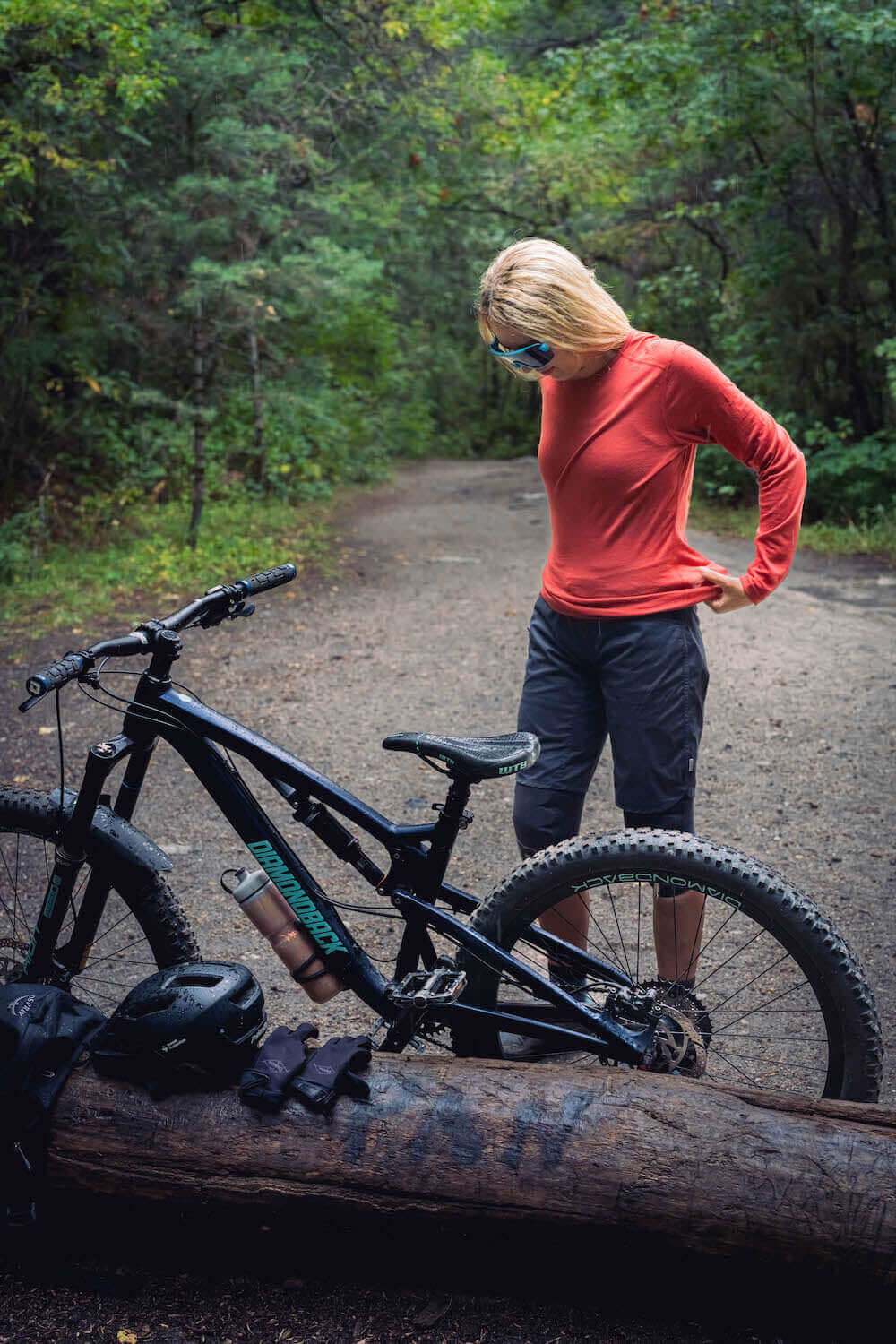
The Roman Trail Women's Merino Wool Base Layer ($49-59) is non-negotiable here. A single San Francisco day moves between a foggy 14-degree Richmond morning and a sunny 22-degree Mission afternoon, and merino handles that range continuously without a clothing change. It also insulates when damp, which matters in a city where fog soaks a cotton layer over the course of a morning and a wet cotton shirt in a Pacific wind is genuinely miserable.
Layer over it. The Columbia insulated hooded jacket ($279) handles the sustained damp cold of the fog zone and the winter, and packs down small enough to carry on the sunny days when you will still want it by 5pm. The Marmot Women's PreCip Eco Rain Jacket ($110) covers the winter rain and, more importantly, works as the wind shell for the Golden Gate Bridge deck and the Alcatraz ferry, both of which are far colder than the city.
Footwear is a hills question. The climb from the Embarcadero to Nob Hill gains 100 meters and the descent from Twin Peaks is harder on knees than the climb up. The Salomon Women's X Ultra 4 GTX ($165) gives grip on steep, smooth, fog-damp sidewalks and handles the Marin Headlands and Lands End trails too, paired with Darn Tough Women's Hiker Micro Crew Merino Socks ($28). Add one dressier flat for Hayes Valley evenings, and a light scarf or neck gaiter, which is the smallest and most useful thing you can carry in this city.
The full clothing list, season by season, plus what to leave at home, is in the San Francisco packing list for women.
Browse the Roman Trail women's merino base layer collection, the layer that makes a foggy San Francisco day comfortable, available in eight colors with free two-day shipping and a two-year satisfaction guarantee.
Day Trips from San Francisco
Muir Woods and the Marin Headlands are 30 minutes north across the bridge, with old-growth coast redwoods and the classic view back to the city. Muir Woods requires an advance parking or shuttle reservation, which catches out visitors who simply drive up.
Sausalito is reachable by ferry from the Ferry Building in 30 minutes and pairs perfectly with cycling across the bridge and ferrying back. Point Reyes National Seashore, 90 minutes north, has the best coastal walking in Northern California. Napa and Sonoma are 60 to 90 minutes northeast. Big Basin and Santa Cruz are 90 minutes south, and Half Moon Bay is 45 minutes down the coast on Highway 1.
Essential Resources for Women in San Francisco
Emergency number: 911 for all emergencies (police, ambulance, fire).
Non-emergency city services: 311, or sf.gov, for city services and non-emergency reports including vehicle break-ins with no injury.
Hospitals: Zuckerberg San Francisco General Hospital, 1001 Potrero Avenue, +1 628 206 8000, the city's only Level 1 trauma center. UCSF Medical Center at Parnassus, 505 Parnassus Avenue, +1 415 476 1000. California Pacific Medical Center Van Ness, 1101 Van Ness Avenue, +1 415 600 6000. All have 24-hour emergency departments.
Official health authority: San Francisco Department of Public Health, sf.gov department of public health
Official tourism authority: San Francisco Travel Association, sftravel.com
Travel advisories: US citizens travelling domestically need no advisory. International visitors should check their own government's United States advice, including the UK FCDO travel advice for the USA. The safety and security section carries the detail that the landing page only summarises, and it is the page to read before you travel.
Solo women safety assessment: San Francisco is comfortable for solo women travelers across most of the city, including the Mission, the Castro, Hayes Valley, North Beach, and the western districts, where walking alone in the evening is unremarkable. The genuine exception is geographically small and worth taking seriously: the Tenderloin, Mid-Market, and the blocks around Civic Center BART have significant open drug use and street-level crime and sit immediately adjacent to Union Square, so check a map before booking a hotel and before walking anywhere at night. The most likely thing to actually happen to a visitor is a car break-in, which is endemic here, so never leave anything in a parked car including in the trunk.
Ready to plan your wardrobe for the trip? The complete San Francisco packing list for women covers exactly what to bring for the fog, the hills, and the July cold nobody warns you about.
Related Reading
Start with the Roman Trail travel packing guide for women for the packing system behind every destination on this site, and the guide to the best merino wool base layers for women for why merino is the right foundation in a damp, changeable coastal climate. For San Francisco specifically, the San Francisco packing list for women has the season-by-season detail.
Book Tours and Experiences
If the outer journey is calling you, the inner one usually is too. Explore SoulMap at romantrail.com/blogs/soulmap.
Blog posts
View all-

Packing List for Tucson, Arizona: What Women Sh...
What to pack for Tucson: a 1797 Spanish mission, giant saguaros, a UNESCO food city and a summer monsoon that fills dry washes in minutes.
Packing List for Tucson, Arizona: What Women Sh...
What to pack for Tucson: a 1797 Spanish mission, giant saguaros, a UNESCO food city and a summer monsoon that fills dry washes in minutes.
-

Packing List for Sequoia National Park: What Wo...
What to pack for Sequoia National Park: the largest trees on Earth, 13,000 feet of elevation range, mandatory bear lockers and a road with a length limit.
Packing List for Sequoia National Park: What Wo...
What to pack for Sequoia National Park: the largest trees on Earth, 13,000 feet of elevation range, mandatory bear lockers and a road with a length limit.
-

Packing List for St Augustine, Florida: What Wo...
What to pack for St Augustine: a Spanish fort built of shell stone, the oldest continuously occupied European settlement in the continental United States.
Packing List for St Augustine, Florida: What Wo...
What to pack for St Augustine: a Spanish fort built of shell stone, the oldest continuously occupied European settlement in the continental United States.


Contact form

Roman Trail Outfitters
Merino Wool Women's Long Sleeve Top | Crew Neck Shirt | Deep Olive