Miami Travel Guide for Women: Everything You Need to Know

Miami is the most glamorous city in the United States and the only genuinely tropical one on the mainland. Four hundred and seventy thousand people live in the city proper and 6.2 million across the metropolitan area, spread between a barrier island of Art Deco hotels, a mainland of Cuban and Haitian and Colombian neighborhoods, and the edge of the largest subtropical wilderness in North America.
Disclosure: This post contains affiliate links. If you buy through them, Roman Trail earns a small commission at no extra cost to you.
This guide covers what a woman planning a Miami trip actually needs: how safe the city is and where awareness matters, what the two seasons genuinely mean including hurricane season, how the neighborhoods differ, what Art Basel is and how to do it, how to spend a day in the Everglades, whether you need a car, what a week costs, where to stay, and what to pack.
The packing challenge in Miami is not the heat, which is obvious and easy to dress for. It is the gap between the heat and the air conditioning. Miami runs 33 degrees outdoors and 20 degrees indoors, and you cross that boundary a dozen times a day, every day. Visitors pack for the tropics and then spend a week cold in restaurants. A light layer is the single most useful thing in a Miami bag, and the one most people leave at home.
Is Miami Safe for Women Travelers
Miami is comfortable for solo women travelers in the areas visitors actually spend time, with standard urban awareness and one specific nightlife caveat.
South Beach, Wynwood, the Design District, Brickell, Coral Gables, and Coconut Grove are all fine to walk during the day and generally fine in the evening on the main commercial streets. The tourist infrastructure is dense, the streets are busy, and solo dining and solo beach days attract no attention at all.
The specific caveat is South Beach nightlife. Ocean Drive and Collins Avenue after midnight carry the dynamics of any concentrated club district: heavy drinking, aggressive promoters, and a high volume of visitors who do not know the area. Drink spiking is a real and reported issue in South Beach clubs, so watch your drink being poured, do not accept one from a stranger, and go out with a plan for getting back. Ocean Drive restaurants are also known for adding a mandatory 18 to 20 percent service charge and then leaving the tip line blank, which catches out visitors into tipping twice; read the bill.
Areas that warrant more caution, particularly at night, include Overtown, Liberty City, and parts of Little Haiti away from the main commercial strips. Wynwood is excellent by day and busy by night on the main blocks, but the surrounding warehouse streets empty out quickly after the bars close.
Car break-ins are the most common property crime affecting visitors. Never leave anything visible in a parked car, including at the Everglades trailheads and beach lots. The emergency number is 911. Miami-Dade has a 311 line for non-emergency city services. There is no separate tourist police force, though Miami Beach Police maintain a visible presence along Ocean Drive.
Miami's Two Seasons and When to Visit
Miami has hot and slightly less hot, and the difference between them matters more than the numbers suggest.
Winter, from November through April, is the season. Temperatures run 20 to 28 degrees Celsius, humidity drops to comfortable levels, rain is infrequent, and the skies are at their clearest. This is when Art Basel happens in early December, when the snowbirds arrive from the northeast, and when Miami is at its most social. It is also the most expensive and most crowded season, with hotel rates in South Beach doubling between October and January.
Summer, from May through October, is hot and very humid at 30 to 35 degrees with humidity routinely above 80 percent, which pushes the heat index well past 40. The afternoon thunderstorms arrive with striking regularity between 3 and 5pm from June through September, deliver an intense hour of rain and lightning, and clear. Plan the outdoor half of the day for the morning and the indoor half for the afternoon and summer works perfectly well. It is also much cheaper, and the ocean at 30 degrees is genuinely warm.
Hurricane season runs June through November, peaking in August and September. Direct hits on Miami in any given year are unlikely, but tropical systems bring multi-day rain and flight disruption. If you travel in that window, buy travel insurance that covers weather cancellation and watch the National Hurricane Center forecasts in the week before you fly.
The shoulder months of November and April are the sweet spot: winter weather without peak-season prices.
Miami by Neighborhood
South Beach
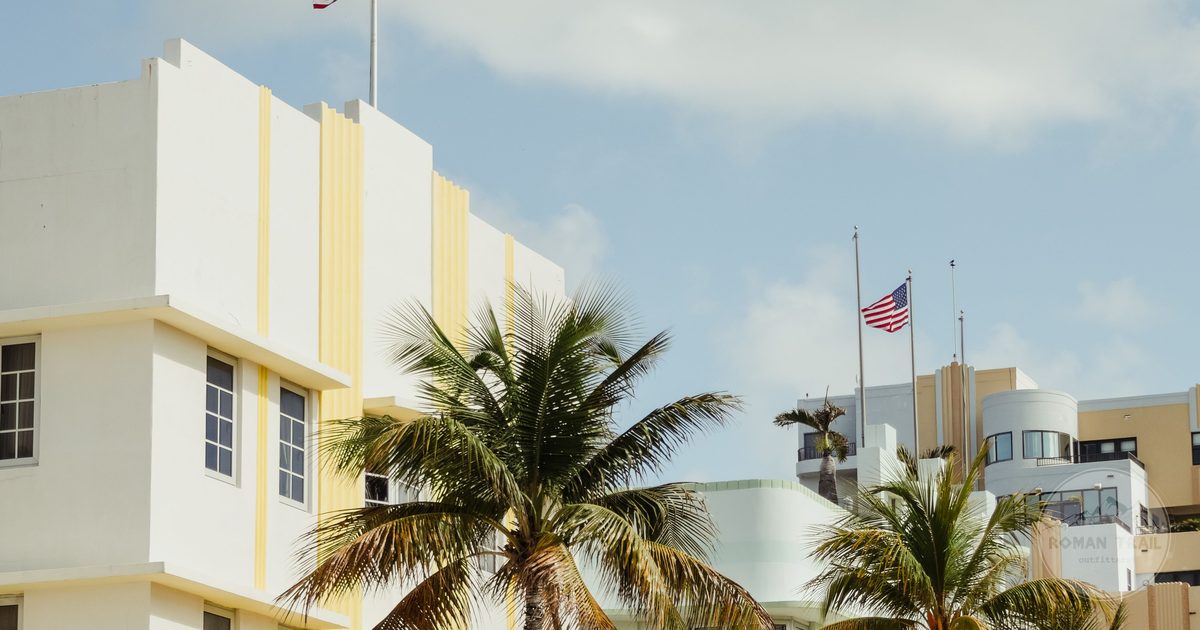
The barrier island neighborhood that defines Miami in the popular imagination. Ocean Drive and the Art Deco Historic District hold the largest concentration of Streamline Moderne architecture in the world, roughly 800 protected buildings in pink, turquoise, and cream. The Miami Design Preservation League runs walking tours from the Art Deco Welcome Center that are the best way to actually understand what you are looking at. The beach itself is wide, clean, and free. Lincoln Road is the pedestrian shopping street. Collins Avenue is the hotel strip.
Wynwood
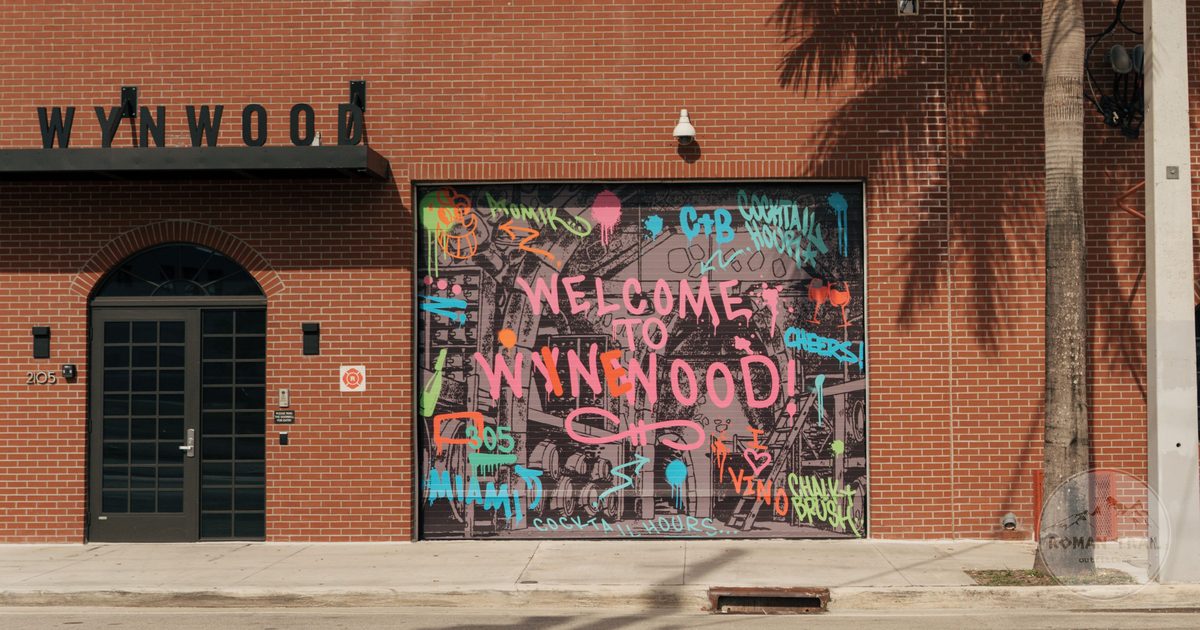
The former warehouse district that became the most significant outdoor street art installation in the United States. The Wynwood Walls is the ticketed, curated core, but the surrounding streets are free and arguably better. The neighborhood also has the best independent restaurants, breweries, and galleries on the mainland. Go during the day for the art, stay for dinner, and know that the streets away from the main strip empty quickly at night.
Little Havana
Calle Ocho, meaning Southwest 8th Street, is the heart of Cuban Miami and the most atmospheric neighborhood in the city. The ventanitas, the walk-up coffee windows, serve cafecito and cortadito all day. Domino Park has old men playing dominoes every afternoon. The Tower Theatre shows films in Spanish. Versailles is the most famous Cuban restaurant in America and worth the visit as much for the room as the food. Viernes Culturales, the last Friday of each month, closes the street for music and art.
The Design District and Midtown
North of Wynwood, the Design District is a purpose-built luxury environment of flagship fashion stores, public art, and high-end restaurants. The Institute of Contemporary Art Miami is there, is free, and is the best contemporary art institution in the city.
Coral Gables and Coconut Grove
Coral Gables is the most beautiful residential neighborhood in Miami, with Mediterranean Revival architecture, banyan-lined streets, the Biltmore Hotel, and the Venetian Pool, a public swimming pool carved from a coral rock quarry in 1924 and the most beautiful public pool in America. Coconut Grove is the oldest neighborhood in the city, leafy and waterfront, with Vizcaya Museum and Gardens, an Italian Renaissance villa on Biscayne Bay that is the single most photogenic building in Miami.
Art Basel Miami Beach
Art Basel Miami Beach in early December is one of the three most important contemporary art fairs in the world, alongside Basel in Switzerland and Hong Kong. For one week the global art industry relocates to Miami and the entire city reorganizes around it.
The main fair at the Miami Beach Convention Center is ticketed, with day passes typically running $70 to $100 and selling out in advance. It is genuinely worth it if contemporary art interests you at all: several hundred galleries showing their most significant work in one hall.
The satellite fairs are the better value. NADA, Untitled on the beach, Scope, and Design Miami each have their own character and much lower prices. Many are free or under $30.
The free layer is the best part and the part visitors miss. During Art Basel week, Wynwood, the Design District, and Miami Beach fill with gallery openings, murals being painted live, pop-up installations, and parties, most of them free and open. Simply walking Wynwood during that week is a genuine cultural experience.
Practical warnings: book accommodation months ahead, because rates triple and availability disappears. Traffic between the mainland and Miami Beach becomes severe. And the whole city is dressed for it, which is worth knowing before you pack.
The Everglades Day Trip
Everglades National Park is 45 minutes to an hour from Miami and is the only subtropical wilderness in North America, a slow-moving river of saw grass covering 6,000 square kilometers.
The Royal Palm area at the Ernest F. Coe entrance near Homestead is the best first stop. The Anhinga Trail there is a short boardwalk loop with the most reliable wildlife viewing in the park: alligators, anhingas, herons, and turtles at close range, genuinely close. Shark Valley on the Tamiami Trail has a 24-kilometer paved loop you can cycle or ride by tram, with an observation tower at the halfway point. Flamingo, at the southern tip, has the best birding and access to Florida Bay.
Practical notes: park entry is $35 per vehicle for seven days. The dry season from December through April is much better for wildlife, because animals concentrate around remaining water, and much better for mosquitoes, which in the wet season are genuinely severe. Bring insect repellent regardless, plus more water than you think, sun protection, and shoes you do not mind getting wet. Airboat tours operate outside the park boundary in the Miccosukee and Everglades City areas rather than inside it.
Getting Around Miami
Rideshare is the primary way visitors move around Miami and the honest default recommendation. Uber and Lyft are plentiful and reasonably priced, and they solve the two problems a car creates here: parking, which in South Beach runs $20 to $40 per night at hotels plus meters everywhere, and the break-in risk.
Budget $30 to $60 per day on rideshare for a typical itinerary. South Beach to Wynwood runs roughly $20 to $30 and takes 20 to 35 minutes depending on causeway traffic.
Public transport is limited but useful in places. The Metromover in downtown and Brickell is free and genuinely convenient. Metrorail connects the airport, downtown, and Coral Gables. Metrobus covers more ground slowly. The South Beach Trolley is free and loops the island. None of these connect the mainland neighborhoods to each other well.
Rent a car only if the Everglades, the Keys, or Fort Lauderdale are on the plan, and consider renting for those days specifically rather than the whole trip. Cycling is pleasant on Miami Beach and along the Venetian Causeway and unpleasant almost everywhere else.
What Miami Costs
Miami's price range is wider than most American cities because the seasonal swing is so large. Winter and summer rates for the same room can differ by a factor of two.
Budget travel runs $110 to $180 per day: a hostel bed in South Beach at $40 to $80, food from Little Havana ventanitas, Cuban bakeries, and food trucks at $30 to $45, rideshare and free trolley at $20 to $30, and the beach, which costs nothing.
Mid-range runs $280 to $450 per day: a hotel room at $180 to $350 depending heavily on season, $70 to $110 on food including one proper dinner, rideshare at $40 to $60, and attractions at $20 to $35 each.
Luxury starts around $700 per day and rises steeply during Art Basel and the winter high season, with South Beach and Bal Harbour rooms running $500 to $1,500.
Tipping is not optional. Restaurants expect 18 to 22 percent, but check the bill first: Miami Beach restaurants very commonly add an automatic 18 to 20 percent service charge and then leave the tip line open, and paying both is the most common way visitors overpay here. Sales tax in Miami-Dade is 7 percent and is added at the register. Resort fees of $30 to $50 per night are standard at South Beach hotels and are not included in the advertised rate.
Where to Stay in Miami
South Beach is the obvious choice and the right one for a first visit: the beach, the Art Deco district, restaurants, and nightlife all within walking distance, with excellent rideshare access to the mainland. The tradeoff is noise on and near Ocean Drive and Collins, so ask for a room away from the street. Expect $180 to $400 per night in winter and considerably less in summer.
Wynwood and the Design District suit travelers who want art, food, and a more local feel over beach access, at $150 to $300 per night, with the beach 20 to 30 minutes away by car.
Coral Gables is the quietest and most beautiful option, residential and green and genuinely safe, with the tradeoff of being furthest from both the beach and the nightlife. Brickell, the financial district, has modern high-rise hotels, excellent restaurants, the free Metromover, and good value at $150 to $280.
For solo women specifically: Miami hotels have staffed reception and card-access elevators as standard, and South Beach's hostel scene is unusually good, with several well-run properties offering female-only dorms and strong reviews from women traveling alone. Wherever you book, check whether a resort fee applies and confirm the room is not directly above a pool bar or street-facing on Ocean Drive, both of which are loud until 3am.
What to Pack for Miami
Miami's packing list is the shortest of any city on this site, and the item most people forget is a layer.
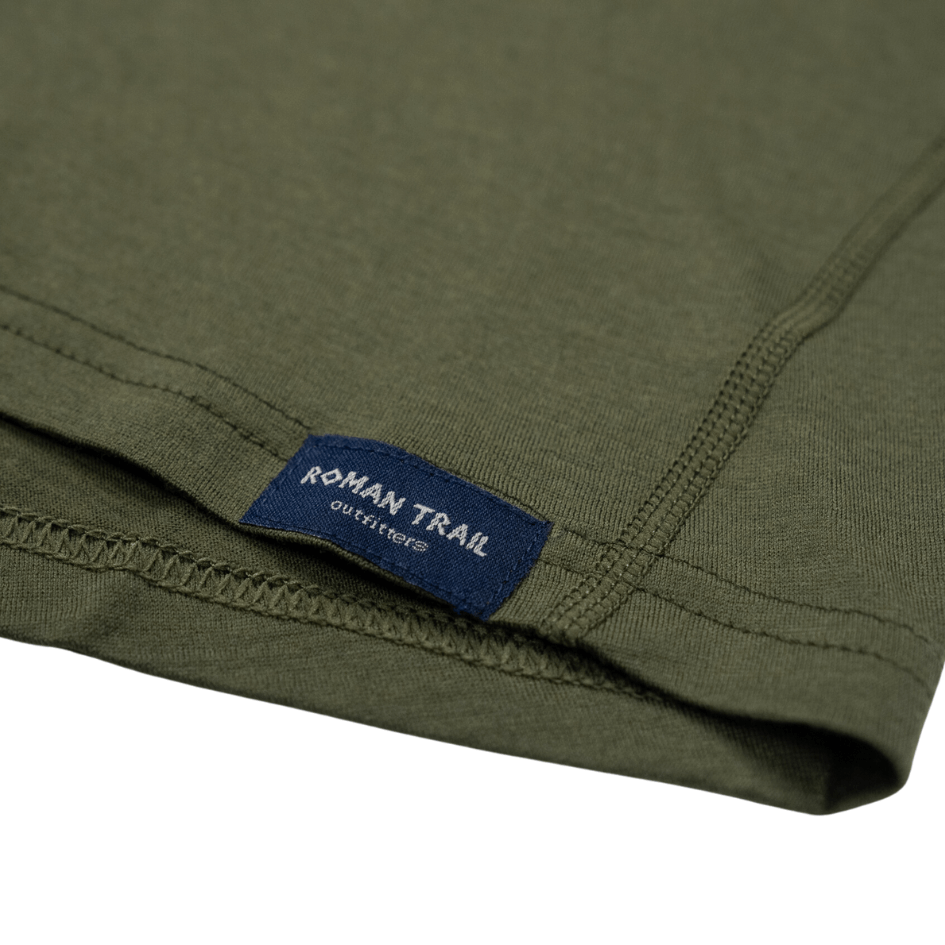
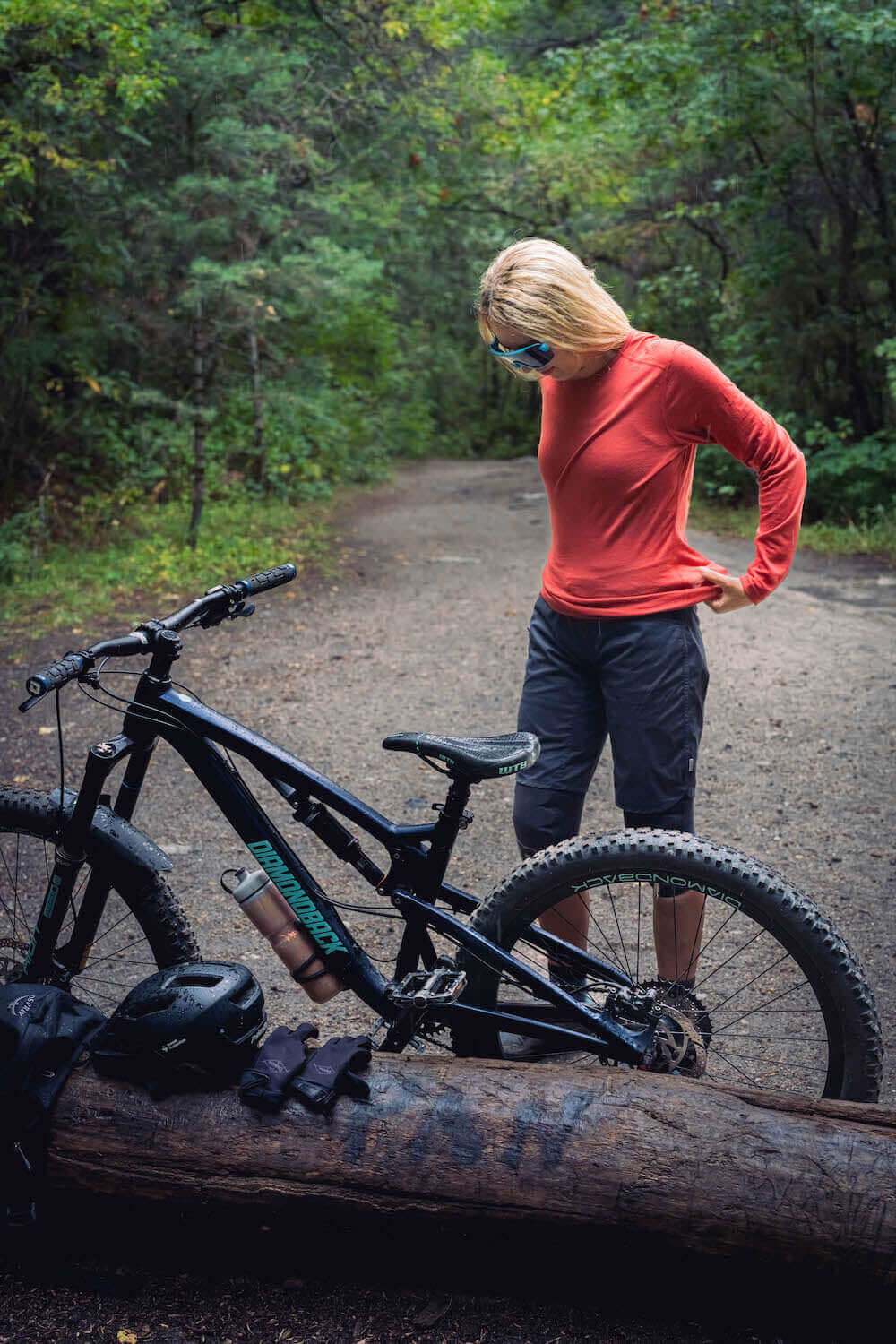
The Roman Trail Women's Merino Wool Base Layer ($49-59) solves the specific Miami problem, which is the 13-degree gap between the street and the interior of every restaurant, hotel lobby, club, and Uber in the city. Merino in the tropics surprises people, but the 160gsm weight breathes, moves moisture away from the skin rather than trapping it in 80 percent humidity, and does not develop odor after a sweaty day the way a synthetic does. Two of them cover a week.
The Columbia Women's Fast Trek II Jacket ($65) is the air conditioning layer and the most underestimated item in a Miami bag. The Marmot Women's PreCip Eco Rain Jacket ($110) handles the afternoon thunderstorms of summer, which are intense, brief, and almost scheduled, and packs down to nothing when you do not need it.
For the Everglades, the terrain is wet, the boardwalks are damp, and standing water is normal rather than exceptional. The Merrell Women's Moab 3 Waterproof Hiking Boot ($140) with Darn Tough Women's Hiker Micro Crew Merino Socks ($28) is the right kit for a full day out there. In the city, flat sandals and one dressier pair for the evening covers everything.
Sun protection is not optional in Miami. At 25 degrees north the UV index reaches 10 or 11 through most of the year, including winter. Wide brim hat, SPF 50 reapplied every two hours, and real sunglasses. Choose a reef-safe mineral sunscreen, since Florida's reef systems sit close to shore.
The full clothing list, including what Miami style actually asks for in the evening, is in the Miami packing list for women.
Browse the Roman Trail women's merino base layer collection, the layer that handles tropical heat and arctic air conditioning in the same afternoon, available in eight colors with free two-day shipping and a two-year satisfaction guarantee.
Day Trips from Miami
The Florida Keys begin an hour south, and Key Largo with John Pennekamp Coral Reef State Park is the closest snorkeling and diving. Key West is a three and a half hour drive each way, which makes it an overnight rather than a day trip.
Fort Lauderdale is 45 minutes north with quieter beaches and the canal network. Palm Beach is 90 minutes north for Gilded Age architecture. Biscayne National Park, mostly underwater, is 40 minutes south and is best seen on a boat or snorkel tour. And the Everglades, covered above, is the one that genuinely belongs on every Miami itinerary.
Essential Resources for Women in Miami
Emergency number: 911 for all emergencies (police, ambulance, fire).
Non-emergency city services: 311 for Miami-Dade County services and non-emergency reports. Miami Beach Police non-emergency: +1 305 673 7900.
Hospitals: Jackson Memorial Hospital, 1611 NW 12th Avenue, +1 305 585 1111, the region's Level 1 trauma center. Mount Sinai Medical Center, 4300 Alton Road, Miami Beach, +1 305 674 2121, the closest emergency department to South Beach. Baptist Hospital of Miami, 8900 North Kendall Drive, +1 786 596 1960. All have 24-hour emergency departments.
Official health authority: Florida Department of Health in Miami-Dade County, miamidade.floridahealth.gov
Hurricane information: National Hurricane Center, nhc.noaa.gov
Official tourism authority: Greater Miami Convention and Visitors Bureau, miamiandbeaches.com
Travel advisories: US citizens travelling domestically need no advisory. International visitors should check their own government's United States advice, including the UK FCDO travel advice for the USA. The safety and security section carries the detail that the landing page only summarises, and it is the page to read before you travel.
Solo women safety assessment: Miami is comfortable for solo women travelers across South Beach, Wynwood, the Design District, Brickell, Coral Gables, and Coconut Grove, where solo dining and solo beach days are entirely unremarkable. The realistic risk is concentrated in South Beach nightlife after midnight, where heavy drinking, aggressive club promoters, and reported drink spiking mean you should watch your drink being poured, refuse drinks from strangers, and settle how you are getting back before you go out. Exercise more caution after dark in Overtown, Liberty City, and the warehouse streets around Wynwood once the bars close, and never leave anything in a parked car, including at Everglades trailheads and beach lots.
Ready to plan your wardrobe for the trip? The complete Miami packing list for women covers the heat, the air conditioning, and what South Beach evenings actually ask for.
Related Reading
Start with the Roman Trail travel packing guide for women for the packing system behind every destination on this site, and the guide to the best merino wool base layers for women for why merino works in tropical humidity as well as it does in the cold. For Miami specifically, the Miami packing list for women has the full detail.
Book Tours and Experiences
If the outer journey is calling you, the inner one usually is too. Explore SoulMap at romantrail.com/blogs/soulmap.
Blog posts
View all-

Packing List for Tucson, Arizona: What Women Sh...
What to pack for Tucson: a 1797 Spanish mission, giant saguaros, a UNESCO food city and a summer monsoon that fills dry washes in minutes.
Packing List for Tucson, Arizona: What Women Sh...
What to pack for Tucson: a 1797 Spanish mission, giant saguaros, a UNESCO food city and a summer monsoon that fills dry washes in minutes.
-

Packing List for Sequoia National Park: What Wo...
What to pack for Sequoia National Park: the largest trees on Earth, 13,000 feet of elevation range, mandatory bear lockers and a road with a length limit.
Packing List for Sequoia National Park: What Wo...
What to pack for Sequoia National Park: the largest trees on Earth, 13,000 feet of elevation range, mandatory bear lockers and a road with a length limit.
-

Packing List for St Augustine, Florida: What Wo...
What to pack for St Augustine: a Spanish fort built of shell stone, the oldest continuously occupied European settlement in the continental United States.
Packing List for St Augustine, Florida: What Wo...
What to pack for St Augustine: a Spanish fort built of shell stone, the oldest continuously occupied European settlement in the continental United States.


Contact form

Roman Trail Outfitters
Merino Wool Women's Long Sleeve Top | Crew Neck Shirt | Deep Olive