Crete Travel Guide for Women: Everything You Need to Know

Crete is the largest of the Greek islands and the fifth largest in the Mediterranean: about 260 kilometres end to end, with roughly 620,000 people and a mountain spine running its full length, rising to 2,456 meters at Psiloritis. It sits closer to Africa than to Athens.
Disclosure: This post contains affiliate links. If you buy through them, Roman Trail earns a small commission at no extra cost to you.
It held the first advanced civilisation in Europe. The Minoans built palace complexes with multi-storey architecture, drainage and a written script from around 2700 BCE, a thousand years before classical Greece, and their civilisation collapsed for reasons still argued over, probably involving the eruption of Thera and subsequent Mycenaean arrival.
Since then Crete has been Roman, Byzantine, Venetian for four centuries, Ottoman for two, briefly an independent state, and Greek only since 1913. All of it is visible in the towns.
The thing visitors most often get wrong is the scale. Crete is not a small island you tour in three days. Chania to Sitia is five hours of driving, and the interior is serious mountain country.
This guide covers the Samaria Gorge and its season, transport, the Minoan sites, the Venetian towns, the beaches and how to reach them, the mountains, food, costs, safety and what to pack.
Crete at a Glance
Where: the southern Aegean, the southernmost part of Greece and of Europe.
Size: about 260 kilometres long, 8,300 square kilometres, 620,000 people.
Getting there: airports at Chania and Heraklion. Overnight ferries from Piraeus to both, around nine hours.
Getting around: buses along the north coast, a hire car for everything else.
Language: Greek. English is widely spoken in tourism.
Currency: euro.
Best months: May, early June, September and October.
Safety for women alone: very good. The hazards are outdoors rather than human.
The Samaria Gorge
The most popular walk in Greece, and the one thing on Crete with a hard set of rules.
Season
Open roughly 1 May to 31 October, with the exact spring opening depending on conditions. The park closes for the winter because of flash flooding and rockfall, and the closure is enforced. Anyone offering a winter Samaria walk is describing something both illegal and dangerous.
What it involves
Sixteen kilometres through the gorge from the Xyloskalo entrance on the Omalos plateau at 1,230 meters down to the park exit, then about three more to the village of Agia Roumeli on the coast. Five to seven hours.
The first two kilometres descend steeply on switchbacks. After that the gradient eases and the surface becomes riverbed: loose rock, boulders and repeated crossings on stepping stones. At the Iron Gates the walls close to about three meters apart with 300 meters of rock above.
It is downhill throughout, which is why people underestimate it. Sustained descent on uneven rock is hard on knees, and turned ankles on the riverbed section are the most common injury rangers deal with.
Halfway down you pass the abandoned village of Samaria, evacuated when the park was created in 1962. The gorge is also the last refuge of the kri-kri, the Cretan wild goat, which survives nowhere else.
The logistics, which matter more than the walk
There is no exit once you are inside. The only way out is to finish. Agia Roumeli has no road: you leave by ferry to Chora Sfakion or Sougia and then by bus over the mountains.
The ferry is the bottleneck. Sailings are limited and the last is mid to late afternoon. Missing it means a night in the village.
Rangers count you in and out at both ends, and last entry is early, usually around two.
Take the organised transfer from Chania or Rethymno unless you have a good reason not to. Doing it with a hire car means abandoning the car at the top of a mountain range and having to get back to it.
The alternatives
The lazy way: take the ferry to Agia Roumeli, walk up to the Iron Gates, which is the most dramatic section, and walk back. About six kilometres each way on flat riverbed.
Imbros gorge: eight kilometres, gentler, no park fee, two to three hours, and far quieter.
Agia Irini and Aradena are the other good gorges, both largely empty.
Recommended Tours and Experiences

Transport: A Car for Western Crete
KTEL buses serve the north coast well and cheaply: Chania, Rethymno, Heraklion and Agios Nikolaos are all connected frequently.
Everything else is difficult. The south coast villages, the mountain plateaus, the gorges other than Samaria, and the beaches at Balos and Elafonissi are thinly served or not served at all.
Hire a car, at minimum for the western half. North coast roads are good. Roads over the mountains to the south are narrow, steep, winding and often without barriers, and journey times run far longer than the map suggests. Fuel stations in the interior close in the evenings and on Sundays.
One specific warning: the track to Balos is rough and unsealed, and most hire agreements explicitly prohibit driving it. Damage sustained there is not covered. Take the boat from Kissamos instead unless you have an appropriate vehicle and have checked the terms.
When to Visit
May and early June
The best window. 18 to 26 degrees, the island covered in wildflowers, the gorge open from the start of May, the sea warm enough by late May, and the mountains still holding snow, which makes for a striking combination.
September and October
Equally strong. The sea is at its warmest after the summer, the crowds thin sharply after the first week of September, the light is excellent and the gorge stays open to the end of October.
July and August
28 to 36 degrees on the coast and considerably hotter inland. The meltemi blows hard from the north, which cools the air, makes the north coast beaches rough and occasionally cancels ferries. Resorts are full and prices peak.
November to April
10 to 17 degrees on the coast, wet, with snow in the mountains into May. Most coastal resorts close entirely and the gorge is shut. Chania and Heraklion function normally and are very quiet, which some people prefer.
The Minoans
Knossos, five kilometres from Heraklion, is the largest Bronze Age site on the island and the centre of Minoan civilisation, a complex of over a thousand interlocking rooms that probably gave rise to the labyrinth myth.
An important caveat: Sir Arthur Evans, who excavated it from 1900, reconstructed large portions in painted concrete, including whole colonnades and frescoes extrapolated from fragments. Archaeologists have argued about it for a century. It makes the site vivid and it also means some of what you are looking at is an Edwardian interpretation rather than a Minoan building.
See the Heraklion Archaeological Museum first. It holds the actual finds: the bull-leaping fresco, the snake goddess figurines, the Phaistos Disc with its undeciphered script, and the Minoan gold. Knossos makes far more sense afterwards.
Phaistos, in the south, is the second palace, less reconstructed and in a better setting. Malia and Zakros complete the set, and Zakros in the far east is reached through a gorge and sees almost nobody.
The Towns
Chania is the most beautiful town in Crete and arguably in Greece: a Venetian harbour ringed by tall pastel houses, a lighthouse on the mole first built by the Venetians and rebuilt by the Egyptians, an Ottoman mosque on the waterfront and a covered market. The old town is a tangle of Venetian and Turkish lanes. Walk out to the lighthouse at sunset.
Rethymno, between Chania and Heraklion, has an enormous Venetian fortezza, a smaller harbour and a quieter old town. The best value base on the north coast.
Heraklion is the capital and a working city rather than a pretty one, with the archaeological museum, a Venetian fortress on the harbour and the tomb of Nikos Kazantzakis on the walls, inscribed with the line about hoping for nothing and fearing nothing.
Agios Nikolaos and the east are more resort-oriented, with Spinalonga, the former Venetian fortress and twentieth-century leper colony, reachable by boat from Elounda.

The Beaches
Balos, on the northwest tip, is a shallow turquoise lagoon between the mainland and a rocky islet. Reached by a rough unsealed track and a twenty-minute walk down, or by boat from Kissamos, which also calls at Gramvousa and its Venetian fortress. Take the boat.
Elafonissi, the southwest corner, has sand tinged pink by crushed shell and a shallow lagoon you wade across. It is a Natura 2000 protected site, it is extremely busy in summer, and removing the pink sand is prohibited.
Falassarna, in the west, is a long sandy beach with the best sunsets on the island.
Preveli, on the south coast, sits where a palm-filled gorge meets the sea, down a steep path from the car park.
Seitan Limania, near Chania, is a narrow inlet at the foot of a very steep scramble. Spectacular, and genuinely not for everyone.
Vai, in the far east, has Europe's largest natural palm forest behind it.
General notes: many Cretan beaches are pebble rather than sand, the meltemi makes the north coast rough in July and August, and the great majority are unlifeguarded.
The Mountains and the Interior
The interior is where Crete stops being a beach destination.
The White Mountains, Lefka Ori, in the west, hold over fifty peaks above 2,000 meters and snow into May.
The Lasithi plateau, ringed by mountains at 850 meters, was once covered in thousands of white-sailed windmills for irrigation, a few of which survive. The Dikteon cave here is where Zeus was supposedly born.
Sfakia, on the south coast, is the most fiercely independent region of an already independent island, with a reputation for vendetta and resistance that locals maintain with some pride.
The mountain villages are where the food is best and the tourism thinnest. Anogia, Zaros and the Amari valley are worth the drive.
Food
Cretan cooking is the original template for the Mediterranean diet, which was defined from a 1950s study of this island specifically.
Dakos, a barley rusk soaked in olive oil and topped with grated tomato and mizithra cheese. The dish of Crete.
Stamnagathi, a wild bitter green, boiled with oil and lemon or served with lamb.
Kalitsounia, small pastries with cheese or herbs, sweet or savoury depending on the region.
Gamopilafo, wedding rice cooked in meat stock, served at celebrations.
Snails, eaten in quantity, usually fried with rosemary and vinegar.
Apaki, smoked pork, and Cretan cheeses including graviera and the fresh mizithra.
Raki, also called tsikoudia, arrives free at the end of every meal whether or not you want it, often with fruit or a small dessert. Refusing is possible and mildly disappointing to your host.
Where to Stay
Chania for the best old town, the harbour and access to the west, including Samaria, Balos and Elafonissi. The obvious first choice.
Rethymno for value, a quieter old town and a central position on the north coast.
Heraklion for Knossos, the museum and the ferry to Athens, and not for charm.
The south coast, around Plakias, Loutro or Paleochora, for quiet, sea and mountains. Loutro has no road at all and is reached by boat.
The mountain villages for the best food and the least tourism, with a car.
Two bases over a week works better than one, given the distances.
What Crete Costs
Good value by western European standards and cheaper than the Cyclades.
Accommodation: guesthouses and studios 45 to 90 euros, hotels 90 to 180, resorts considerably more.
Eating: a taverna meal 15 to 25 euros a head with wine, souvlaki a few euros, coffee 2 to 3.50.
Car hire: 30 to 60 euros a day, less outside summer, and worth booking ahead for July and August.
Samaria: park entry around 5 euros, the organised transfer including bus and ferry around 30 to 40.
Sites: Knossos around 15 euros, Heraklion museum around 12, a combined ticket available.
Safety for Women in Crete
Crete is a comfortable and welcoming destination for a woman travelling alone. Violent crime is rare, Cretan hospitality is genuine to the point of being hard to refuse, towns are lively in the evening and the tourism infrastructure is mature.
Everything that requires attention is environmental:
The gorge. Turned ankles on loose rock, dehydration on the exposed upper section, and the fixed ferry deadline at the bottom. Boots, water, early start.
Mountain roads. Narrow, winding, frequently without barriers, with goats on the carriageway. The most likely way to be hurt on this island.
Unpatrolled beaches and the meltemi, which produces genuine surf and currents on the north coast in summer.
Heat inland in July and August, where temperatures well exceed the coastal readings.
Scooters and quad bikes, which are rented freely to visitors and are the most common cause of holiday injuries in Greece.
Harassment is comparable to the rest of Greece: some attention in resort areas, mostly verbal, and not a significant feature elsewhere.
What to Pack for Crete
The full list is in the Crete packing list for women. The essentials:
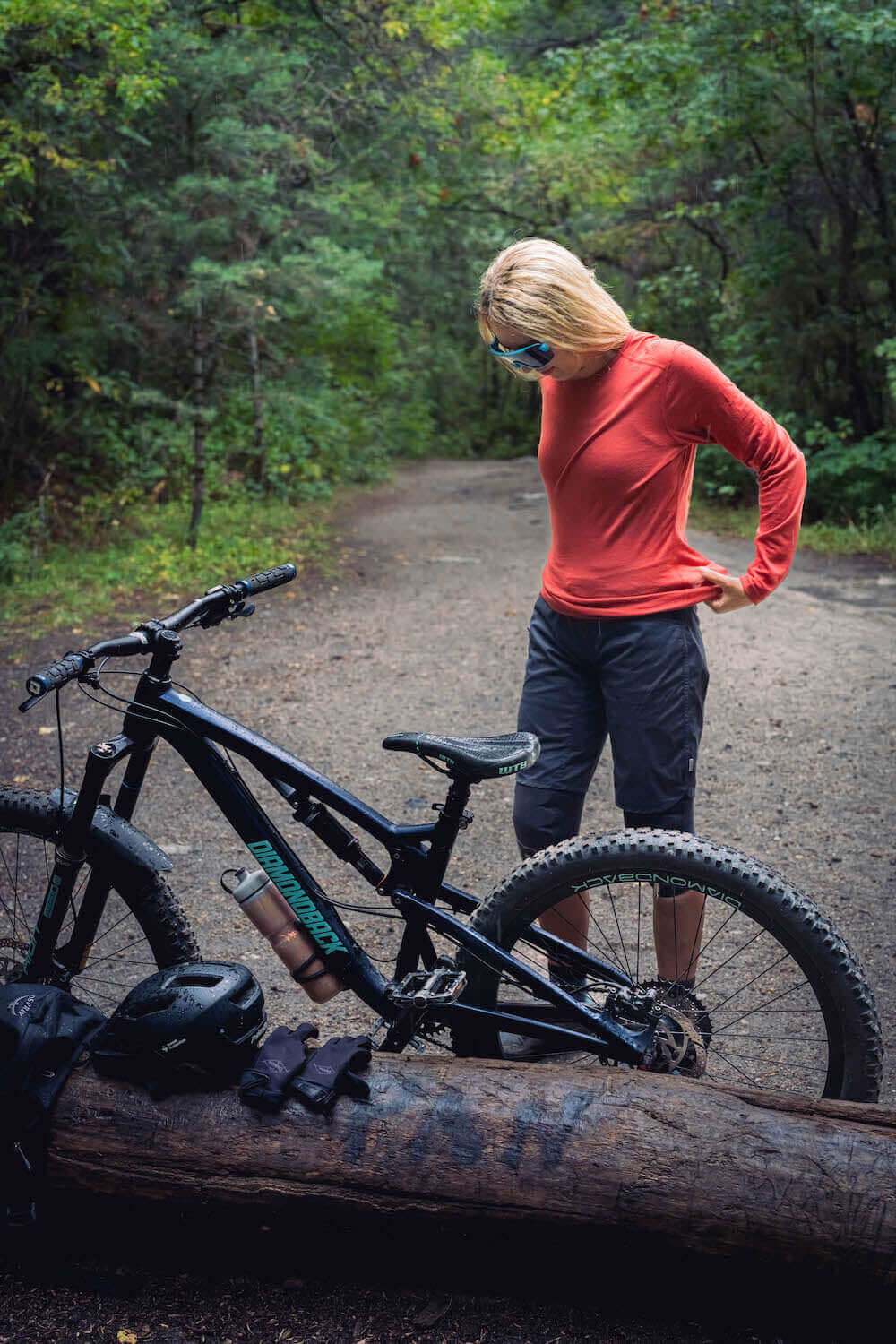
Base layers. Two Roman Trail Women's Merino Wool Base Layers ($49-59) in long sleeve. The gorge starts cold at 1,230 meters at eight in the morning and finishes hot at sea level, which is the range merino handles. Long sleeves also cover you for the monasteries, which enforce a dress code.
Fleece. The Columbia Women's Fast Trek II Jacket ($65) for the gorge start, the mountain villages and shoulder-season evenings.
Rain and wind shell. The Marmot Women's PreCip Eco Rain Jacket ($110) for spring and autumn rain and against the meltemi.
Hiking boots. The Merrell Women's Moab 3 Waterproof Hiking Boot ($140), broken in. Sixteen kilometres of loose riverbed rock is where trainers fail and ankles turn.
Water shoes. The ELETON Barefoot Hiking and Water Shoes ($23.99) for pebble beaches and for wading the lagoons at Balos and Elafonissi.
Socks. The Darn Tough Women's Hiker Micro Crew Merino Socks ($28), three pairs, because blisters are the other common gorge injury.
Plus two litres of water capacity, a wide-brimmed hat, high-factor sunscreen, a scarf for the monasteries, trekking poles if your knees object to descent, and a hire car.
Essential Resources for Crete
Emergency number in Greece: 112, the European emergency line. 166 reaches the ambulance service directly and 100 the police.
Tourist police: Greece operates a dedicated tourist police service on 1571, with English-speaking officers, which handles visitor complaints and disputes.
Mountain and gorge rescue: 112. Rangers are stationed within the Samaria Gorge and there are emergency posts along the route, with mule evacuation for injuries.
US consular services: the US Embassy in Athens covers Greece. There is no consulate on Crete. Details and emergency arrangements are at gr.usembassy.gov.
Medical care: the university hospital in Heraklion is the main facility, with general hospitals in Chania, Rethymno and Agios Nikolaos and health centres in the larger villages. EU and UK visitors should carry a European Health Insurance Card or its UK equivalent; others need travel insurance, and it should cover hiking and, if relevant, scooter hire, which many policies exclude.
Samaria Gorge information: the Greek Ministry of Environment and the park authority publish opening dates and daily conditions, and the park closes at short notice for weather.
Official tourism information: the Greek national tourism organisation at visitgreece.gr, and the regional site at incrediblecrete.gr.
Health authority: the Greek Ministry of Health at moh.gov.gr.
US State Department travel advisory for Greece: current advisory level and detail.
UK FCDO travel advice for Greece: entry requirements, safety and health guidance.
Solo women travel assessment: Crete is an easy and generous place to travel alone. Cretan hospitality towards visitors is real rather than performed, and a woman on her own in a village taverna is more likely to be fed extra than bothered. Towns are safe at night, buses along the north coast are straightforward, and the tourism infrastructure absorbs solo travellers without comment. What genuinely requires planning is the outdoors: the Samaria Gorge has no exit once you enter and a hard ferry deadline at the far end, so go early, take boots and water, and use the organised transfer. Mountain roads with no barriers and goats on the carriageway are the most likely way to be hurt here, and most beaches have no lifeguards while the meltemi produces real surf. Avoid renting a scooter, check your insurance covers hiking, and give the island more days than you first planned.
Crete FAQ
How many days do I need? Seven minimum, split between two bases. Ten to fourteen to see west and east properly without living in the car.
West or east? The west, based in Chania, has the gorge, the best old town and the famous beaches, and suits a first visit. The east is quieter, has Knossos and Spinalonga, and sees fewer independent travellers.
Is Knossos worth it given the reconstruction? Yes, provided you see the Heraklion museum first and understand what Evans did. Go early to avoid both heat and coach parties.
Can I do Samaria without a guide? Yes, and most people do. Take the organised bus and ferry transfer for the logistics rather than a guided walk.
Crete or the Cyclades? The Cyclades for whitewashed villages and island hopping. Crete for mountains, gorges, archaeology, better food and a place substantial enough to spend two weeks in.
Can I drink the tap water? Generally yes in the towns, and many people drink bottled by preference. Supply in some villages is variable.
Reading On
Crete is the largest and most self-contained of the Greek islands. The Greece travel guide for women covers the country, and there are guides to Athens, Santorini and Mykonos, all reachable by ferry or short flight. For the wardrobe reasoning underneath an island where you can walk a gorge and swim on the same day, the merino wool base layer guide explains the fibre choice. The full collection is at Roman Trail women's merino base layers.
If the outer journey is calling you, the inner one usually is too. Explore SoulMap at romantrail.com/blogs/soulmap.
Blog posts
View all-

Packing List for Sihanoukville, Cambodia: What ...
What to pack for Sihanoukville, Cambodia: the island ferry port, the half built city, the three FCDO warnings that name it and honest advice for women travelling alone.
Packing List for Sihanoukville, Cambodia: What ...
What to pack for Sihanoukville, Cambodia: the island ferry port, the half built city, the three FCDO warnings that name it and honest advice for women travelling alone.
-

Packing List for Vang Vieng, Laos: What Women S...
What to pack for Vang Vieng, Laos: limestone towers over a river town, the caves and lagoons, the methanol warning in full and honest advice for women travelling alone.
Packing List for Vang Vieng, Laos: What Women S...
What to pack for Vang Vieng, Laos: limestone towers over a river town, the caves and lagoons, the methanol warning in full and honest advice for women travelling alone.
-

Packing List for Tagaytay, Philippines: What Wo...
What to pack for Tagaytay, Philippines: the ridge above Taal Lake, cool air an hour from Manila, and a volcano inside a lake inside a volcano.
Packing List for Tagaytay, Philippines: What Wo...
What to pack for Tagaytay, Philippines: the ridge above Taal Lake, cool air an hour from Manila, and a volcano inside a lake inside a volcano.


Contact form

Roman Trail Outfitters
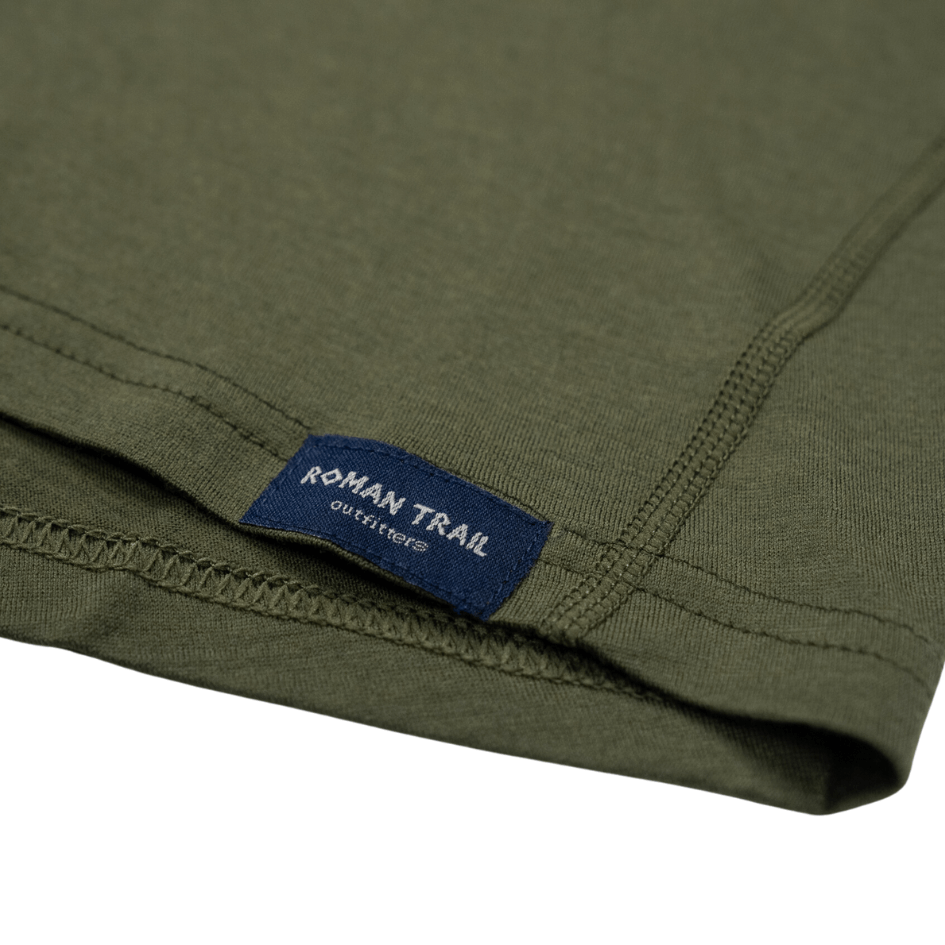
Merino Wool Women's Long Sleeve Top | Crew Neck Shirt | Deep Olive