Athens Travel Guide for Women: Everything You Need to Know

Athens is the most historically dense city in Europe and one that most visitors underestimate, treating it as a stopover on the way to the islands rather than the destination it is. A capital of 3.7 million across the metropolitan area, continuously inhabited for 3,400 years, it holds the Parthenon, the best-preserved Greek temple in the world, the finest museum of classical sculpture anywhere, and a contemporary food and bar culture that has quietly become one of the best in the Mediterranean.
Disclosure: This post contains affiliate links. If you buy through them, Roman Trail earns a small commission at no extra cost to you.
This guide covers what a woman planning an Athens trip actually needs: how safe it is and where awareness genuinely matters, what the seasons do and how serious the summer heat has become, how the neighbourhoods differ, how to book and time the Acropolis, what to do with the Acropolis Museum, how the island ferries from Piraeus work, how to use the metro, what a week costs, where to stay, and what to pack.
The packing challenge is heat on stone and grip underfoot. The Acropolis is a bare hill with no shade where ancient marble reflects heat back at you, and its approach has been polished by two and a half millennia of feet into something genuinely slippery. Sun protection and shoes that grip are the two decisions that matter here.
Is Athens Safe for Women Travelers
Athens is a safe city for women travelers, and Greece carries a Level 1 US State Department advisory, exercise normal precautions, the lowest rating issued.
Plaka, Monastiraki, Psirri, Koukaki, Thiseio, Kolonaki, and Syntagma are all comfortable to walk during the day and well into the evening. Greek social hours run late, so streets that would be empty at 11pm elsewhere are still busy with families and diners here. Solo dining is entirely unremarkable, particularly in the tavernas, where a person alone with a book and a carafe attracts no attention.
The realistic risk is pickpocketing rather than anything violent, and it is concentrated with unusual precision. Metro Line 1, the green line, and the route between Syntagma and Monastiraki are the known hotspots, along with crowded buses to Piraeus and the Acropolis entrance queue. Organised groups work these routes. A zipped bag worn in front handles almost all of it, and phones should not go in back pockets.
Where to be more deliberate at night: Omonia Square and the streets immediately around it, parts of Exarcheia depending on the night, and the area around Victoria station and Menandrou. Omonia in particular is a major transport interchange that feels considerably rougher after dark than its central location suggests, and it is easy to end up there by metro without intending to.
Two practical notes. Athens has periodic strikes and demonstrations, usually announced in advance and concentrated around Syntagma, which can close metro lines and streets at short notice; they are almost always peaceful but worth checking. And Greek drivers treat pedestrian crossings as advisory, so cross with care and do not assume a stopping car.
The emergency number across Greece is 112. Tourist police, who speak English and handle visitor issues specifically, are on 1571.
The Seasons, and the Summer Heat
Autumn, October and early November, is the best time to visit Athens. Temperatures run 18 to 25 degrees, the sea is still warm enough for the islands, the crowds have gone, prices drop, and the light is extraordinary. If you can pick your dates freely, pick October.
Spring, April and May, is the close second: 16 to 25 degrees, wildflowers on the hills around the city, everything open, and comfortable temperatures for the sustained walking Athens demands. Orthodox Easter, which usually falls later than Western Easter, is the biggest holiday of the Greek year and worth planning around either way.
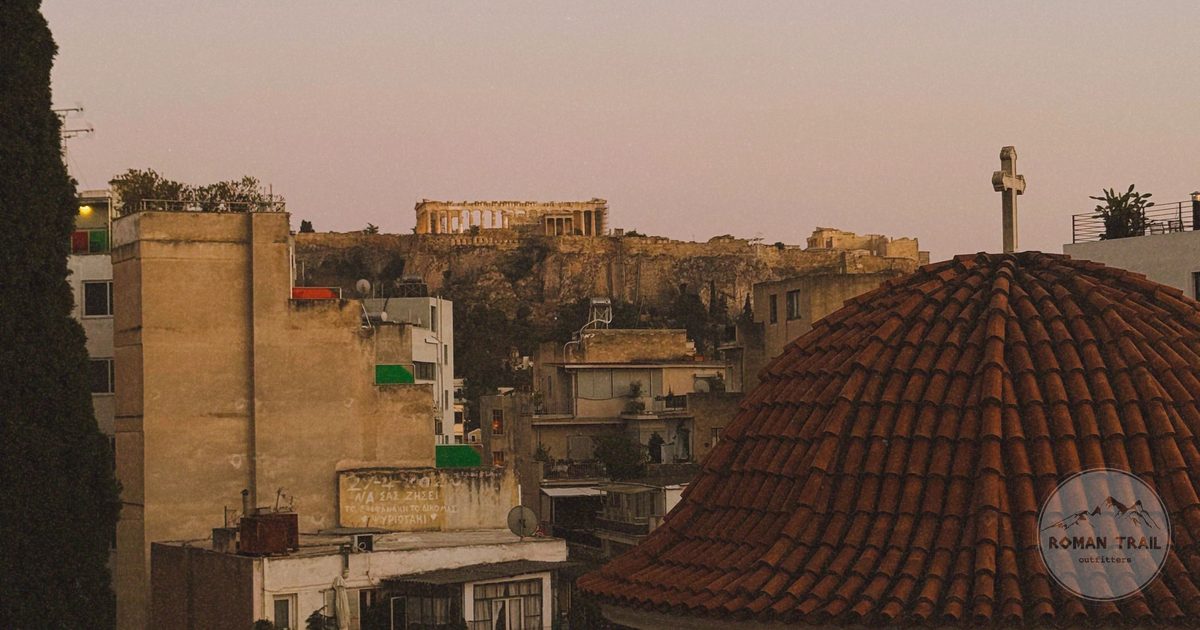
Summer, June through September, is hot and getting hotter. Temperatures run 30 to 38 degrees, and Greece has had genuine heatwaves in recent years where the Acropolis closed during the hottest afternoon hours for visitor safety. This is not a formality: the site is a bare hill with no shade, and the marble radiates heat back at you. If you visit in summer, do the archaeological sites at opening, spend the middle of the day in the Acropolis Museum or the National Archaeological Museum, and go out again in the evening, which is how Athenians live anyway. August is also when much of the city closes and leaves for the islands.
Winter, December through February, is mild at 8 to 14 degrees with the year's rain, and it is genuinely underrated. The sites are nearly empty, you can stand alone at the Parthenon, the light is beautiful, and prices are at their lowest. Bring a proper layer, because Athenian buildings are not well heated and the evenings are cool.
The Acropolis: Booking and Timing
Getting this right is the difference between one of the great experiences in Europe and a hot, crowded slog.
Book online in advance at the official ticketing site, etickets.tap.gr. Tickets are now timed-entry in peak season and the early slots sell out. The single-site Acropolis ticket runs around 20 euros in summer and drops in the winter low season. The combined ticket, around 30 euros and valid five days, covers the Acropolis plus the Ancient Agora, Roman Agora, Kerameikos, Hadrian's Library, the Temple of Olympian Zeus, and Aristotle's Lyceum, and it is much better value if you are staying more than a day.
Go at opening, which is 8am in summer. The first hour has raking light on the marble, manageable crowds, and bearable temperatures. By 11am in July it is packed and punishing. Late afternoon, roughly two hours before closing, is the second-best slot and gives you the golden hour.
Practicalities on the hill: it is an 80-metre climb from the gate on stone and marble with no shade anywhere. Allow ninety minutes to two hours. There is a water fountain at the entrance and nothing above it. Grippy shoes are not optional, because the polished marble of the Propylaia approach is slick even bone dry.
Two things to combine it with. Areopagus Hill, just below the entrance, is free, and the view over the Agora at sunset is the one everyone photographs, though the rock is extremely slippery. Philopappos Hill, opposite, is also free and gives the best straight-on view of the Parthenon itself.
The Acropolis Museum
The museum at the base of the hill is not an afterthought to the site and deserves half a day of its own.
Bernard Tschumi's building is set on pillars above an excavated ancient neighbourhood, visible through glass floors as you walk in. The top floor, the Parthenon Gallery, is rotated to align exactly with the temple on the hill above and glazed on all sides, so the surviving frieze is displayed at the same orientation and spacing as on the building itself, with the Parthenon framed through the windows behind it.
The gaps in that frieze are where the sculptures removed by Lord Elgin sit in the British Museum, and the display is deliberately arranged to make their absence visible. Whatever you think about that argument, the room makes it more powerfully than any text could.
Admission is around 15 euros in summer. It is air-conditioned, which makes it the correct place to be between noon and four in July, and the top-floor cafe terrace has one of the best Acropolis views in the city for the price of a coffee.
Athens by Neighbourhood
Plaka and Anafiotika
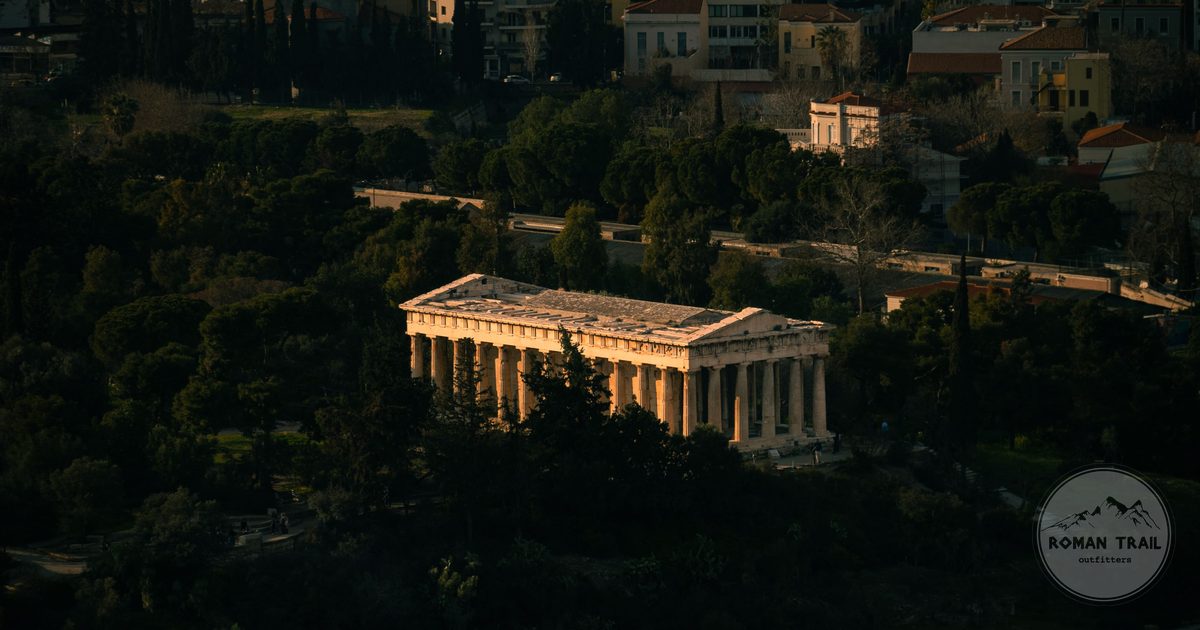
Plaka is the oldest continuously inhabited neighbourhood, wrapping the northern and eastern slopes of the Acropolis in neoclassical houses and bougainvillea. Kydathinaion Street is the tourist spine and worth walking once. Anafiotika, tucked into the rock above it, is a cluster of whitewashed Cycladic houses built by island stonemasons brought to Athens in the 19th century, and it feels like a village dropped into a capital.
Monastiraki and Psirri
Monastiraki has the flea market, the Sunday morning antiques on Ifaistou Street, the Tzistarakis Mosque, and the entrance to the Ancient Agora. Psirri just north is where Athenians actually eat and drink: workshops turned into tavernas and bars, busiest and best after 9pm.
Koukaki and Thiseio
Koukaki, south of the Acropolis, is the residential neighbourhood that has quietly become the best place for visitors to stay: walkable to everything, genuinely local, with good coffee and no tour groups. Thiseio on the other side has the pedestrianised Apostolou Pavlou promenade under the Acropolis, which is the best evening walk in Athens.
Kolonaki and Exarcheia
Kolonaki east of Syntagma is the upscale quarter, with the Benaki Museum, the Museum of Cycladic Art, designer shopping, and the funicular up Lycabettus Hill for the highest view in the city. Exarcheia north of it is the anarchist and student neighbourhood, politically charged, covered in murals, with the best independent bookshops and a genuinely different atmosphere.
The Islands: Ferries from Piraeus
Athens is the gateway to the Greek islands, and Piraeus is the largest passenger port in Europe.
Getting there: metro Line 1, the green line, runs from Monastiraki and central Athens to Piraeus station in about 25 minutes. The port is enormous, with gates spread across several kilometres, so allow a full hour between arriving and departure and check your gate number, which is printed on the ticket. Free shuttle buses run between the gates.
Routes and times: high-speed catamarans reach Mykonos in about three hours and Santorini in five; conventional ferries take roughly five and eight respectively and cost considerably less. Crete is an overnight sailing. Aegina, Hydra, and Poros in the Saronic Gulf are one to two hours and make genuine day trips, with Hydra in particular, which bans cars entirely, being the best single day out of Athens.
Book ahead for July and August, when routes sell out. Rafina port, an alternative to Piraeus, is closer to the airport and serves Mykonos and the northern Cyclades, often faster.
What to bring on board: deck seating is exposed and the Aegean wind at speed is genuinely cold, so a windproof layer belongs in your day bag even in August. The meltemi wind blows hard through July and August and cancels sailings outright some days, which is worth building slack into your plans for.
Getting Around Athens
The Athens metro is clean, cheap, air-conditioned, and doubles as an archaeological museum, since construction unearthed so much that several stations display finds in situ. Syntagma station in particular has an excavated cross-section behind glass.
Three lines cover the city. Line 1, the green line, runs to Piraeus. Line 2, red, serves Syntagma and Acropolis station. Line 3, blue, runs to the airport. A 90-minute ticket is around 1.20 euros, a 24-hour pass about 4.10, and a five-day pass roughly 8.20. The airport requires a separate 9-euro ticket.
Central Athens is compact and walking is the best way to see it, since Plaka, Monastiraki, the Agora, Thiseio, and the Acropolis are all within a twenty-minute radius of each other and largely pedestrianised. The pavements are uneven and often blocked by parked scooters, so it is walkable rather than smooth.
Taxis are cheap by European standards. Use the Uber app, which dispatches licensed yellow taxis in Athens, or insist on the meter. Do not rent a car for the city, where traffic and parking are both hostile.
What Athens Costs
Athens is among the most affordable capitals in Western Europe.
Budget travel runs 55 to 90 euros per day: a hostel bed at 20 to 35 euros, souvlaki and bakery food at 20 to 30, the metro at 4.10 for a day pass, and free sites including Areopagus, Philopappos, and the changing of the guard at Syntagma.
Mid-range runs 130 to 200 euros per day: a hotel room at 80 to 140 euros, 45 to 65 on food including a proper dinner, and the combined archaeological ticket at 30.
Luxury starts around 320 euros per day, with the rooftop-Acropolis-view hotels in Plaka and Koukaki running 250 to 500.
Tipping is modest in Greece: rounding up or 5 to 10 percent in a restaurant is generous, and nobody tips at a souvlaki counter. VAT is included in displayed prices. Note that many smaller tavernas and market stalls still prefer cash.
Where to Stay in Athens
Koukaki is the best all-round choice and the one locals would recommend: residential, safe, genuinely Athenian, a ten-minute walk to the Acropolis Museum and the site entrance, with good coffee and no coach parties. Expect 70 to 150 euros per night.
Plaka puts you inside the postcard, walkable to everything, in small hotels on lanes below the Acropolis, at 90 to 200 euros. It is the most touristed part of the city and quiet at night.
Monastiraki and Psirri are the liveliest, closest to the bars and the flea market, at 70 to 160 euros, with the tradeoff of noise. Thiseio is quieter with the best evening promenade.
Syntagma is the most convenient for transport, sitting on the airport metro line, at 90 to 220 euros. Avoid booking around Omonia purely on price, because the saving is not worth the walk back at night.
For solo women specifically: Greek hotels have staffed reception as standard and the central neighbourhoods are busy late. The decision that matters is which side of the centre you land on, since Koukaki, Plaka, Thiseio, and Kolonaki are all comfortable while Omonia a few metro stops away is not, and price sites will not make that distinction for you. A rooftop with an Acropolis view is worth paying a little more for; it is the thing people remember.
What to Pack for Athens
Athens packs for reflected heat, polished marble, and a great deal of walking on uneven ground.
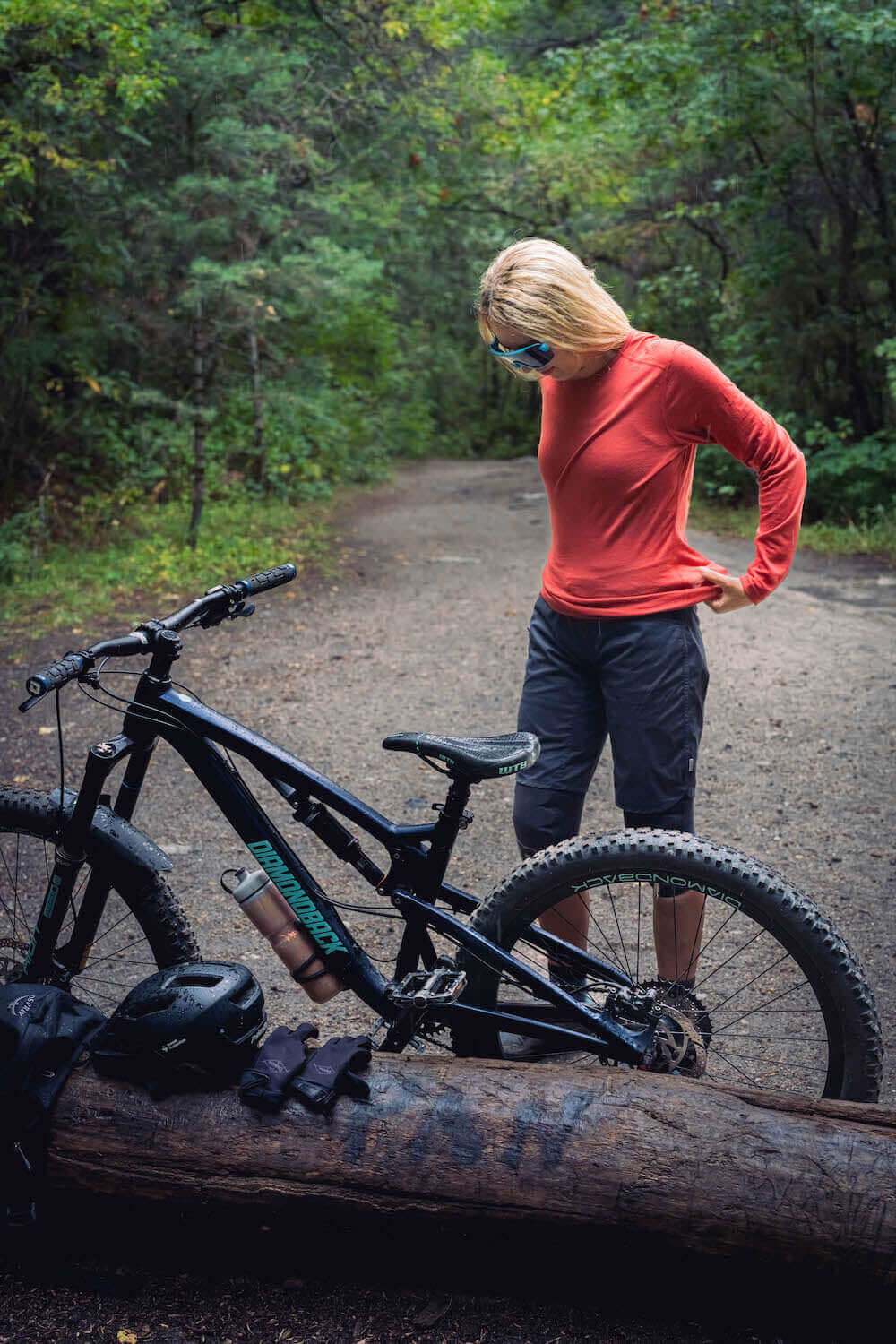
The Roman Trail Women's Merino Wool Base Layer ($49-59) is the foundation, and merino at 35 degrees surprises people who associate wool with cold. The 160gsm weight moves moisture away from the skin before it accumulates, which is exactly what cotton fails to do on a shadeless hilltop where the marble radiates heat back at you. It also covers shoulders for the Orthodox churches scattered through Plaka and Monastiraki, without carrying a separate cover-up in the heat. Two of them cover a week.
The Columbia Women's Fast Trek II Jacket ($65) handles the winter, which is cooler than people expect, and the evenings, which drop sharply year round once the sun goes. Athenian buildings are also poorly heated in winter. The Marmot Women's PreCip Eco Rain Jacket ($110) covers the winter and spring rain and, more usefully, works as the wind layer on an exposed ferry deck, where the Aegean at speed is genuinely cold even in August.
Footwear is the decision Athens punishes hardest. The approach through the Propylaia has been polished by two and a half thousand years of feet into marble that is slick bone dry and treacherous in the lightest rain, the Agora is uneven archaeological ground, and Plaka's lanes are steep cobble. The Salomon Women's X Ultra 4 GTX ($165) handles all of it, paired with Darn Tough Women's Hiker Micro Crew Merino Socks ($28) for the distances. Add one dressier flat for a rooftop taverna evening. Leave smooth soles and heels at home entirely.
Treat a wide brim hat, SPF 50, and a full water bottle as required equipment for the Acropolis rather than optional extras. There is a fountain at the entrance and nothing on the hill.
The full clothing list, including the Acropolis specifics and what a rooftop evening asks for, is in the Athens packing list for women.
Browse the Roman Trail women's merino base layer collection, the layer that handles Mediterranean heat and church coverage at once, available in eight colors with free two-day shipping and a two-year satisfaction guarantee.
Day Trips from Athens
Cape Sounion, 90 minutes down the coast, has the Temple of Poseidon on a headland above the Aegean and is the best sunset within reach of the city. Delphi, two and a half hours northwest, was the centre of the ancient world and sits on a mountainside above an olive valley; it is the single best day trip Athens offers.
Hydra is a two-hour ferry and bans cars entirely, which makes it the most restorative day out. Aegina is closer at an hour, with the Temple of Aphaia. Nafplio, two hours southwest, is a Venetian harbour town near Mycenae and Epidaurus, whose ancient theatre has acoustics that still work perfectly.
Essential Resources for Women in Athens
Emergency number: 112 for all emergencies across Greece and the EU. 100 for police, 166 for ambulance, 199 for fire.
Tourist Police: 1571, English-speaking, handling visitor issues and complaints specifically.
US Embassy Athens: 91 Vasilisis Sophias Avenue, 10160 Athens, +30 210 721 2951, gr.usembassy.gov
Hospitals: Evangelismos General Hospital, 45-47 Ipsilantou, Kolonaki, +30 213 204 1000, the largest and most central. Hygeia Hospital, 4 Erythrou Stavrou, Marousi, +30 210 686 7000, private and English-speaking. EU visitors should carry the European Health Insurance Card; everyone else needs travel insurance.
Official health authority: Hellenic National Public Health Organization, eody.gov.gr
Acropolis tickets: official ticketing at etickets.tap.gr. Check for heat-related afternoon closures in summer.
Ferry timetables: ferryhopper.com or the operators direct. Meltemi winds cancel sailings in July and August.
Official tourism authority: Visit Greece, visitgreece.gr, and This is Athens, thisisathens.org
US State Department travel advisory: travel.state.gov Greece advisory
UK FCDO travel advice: gov.uk foreign travel advice for Greece
Solo women safety assessment: Athens is a safe city for solo women travelers, and Greece carries a Level 1 US State Department advisory, the lowest issued, with Plaka, Monastiraki, Psirri, Koukaki, Thiseio, and Kolonaki all comfortable to walk well into the evening and solo dining in tavernas entirely unremarkable. The realistic risk is pickpocketing rather than anything violent, and it is unusually concentrated: metro Line 1, the Syntagma to Monastiraki stretch, the buses to Piraeus, and the Acropolis entrance queue are the known hotspots, so wear a zipped bag in front and keep your phone out of a back pocket. Be more deliberate after dark around Omonia Square and the streets near Victoria station, which feel considerably rougher than their central location suggests and are easy to reach by metro without intending to, and note that Greek drivers treat pedestrian crossings as advisory rather than binding.
Ready to plan your wardrobe for the trip? The complete Athens packing list for women covers the heat on the hill, the polished marble, and what to wear for a rooftop evening.
Related Reading
Athens sits inside the wider country guide, so start with the Greece travel guide for women for the islands, the mainland, and the rest of the country. The Roman Trail travel packing guide for women covers the packing system behind every destination on this site, and the guide to the best merino wool base layers for women explains why merino works in Mediterranean heat. For Athens specifically, the Athens packing list for women has the full detail.
Book Tours and Experiences
If the outer journey is calling you, the inner one usually is too. Explore SoulMap at romantrail.com/blogs/soulmap.
Blog posts
View all-

St Moritz Packing List for Women: High Engadine...
What to pack for St Moritz, at 1,822 metres in the Engadine, where the winter sun is famously reliable, the air is dry and the temperature still sits well below...
St Moritz Packing List for Women: High Engadine...
What to pack for St Moritz, at 1,822 metres in the Engadine, where the winter sun is famously reliable, the air is dry and the temperature still sits well below...
-

Thessaloniki Packing List for Women: Greece's S...
What to pack for Thessaloniki, a northern Greek city with Byzantine churches, a long waterfront and a genuinely cold, wet winter that the island stereotype hides.
Thessaloniki Packing List for Women: Greece's S...
What to pack for Thessaloniki, a northern Greek city with Byzantine churches, a long waterfront and a genuinely cold, wet winter that the island stereotype hides.
-

Naxos Packing List for Women: The Cyclades Isla...
What to pack for Naxos, the largest and greenest of the Cyclades, where the island grows its own food, the wind blows hard and Mount Zas is a real 1,004...
Naxos Packing List for Women: The Cyclades Isla...
What to pack for Naxos, the largest and greenest of the Cyclades, where the island grows its own food, the wind blows hard and Mount Zas is a real 1,004...


Contact form

Roman Trail Outfitters
Merino Wool Women's Long Sleeve Top | Crew Neck Shirt | Deep Olive