Bahamas Travel Guide for Women

The Bahamas is an archipelago of around 700 islands and cays strung across roughly 800 kilometres of the western Atlantic, of which about thirty are inhabited. It is not in the Caribbean Sea, a point worth getting right because it explains the weather: the islands sit in the Atlantic north of Cuba, directly in the hurricane track, and they are low, flat and limestone rather than volcanic. The highest point in the entire country is around 63 metres.
Disclosure: This post contains affiliate links. If you buy through them, Roman Trail earns a small commission at no extra cost to you.
What that geography produces is the water. Because the islands sit on the Bahama Banks, enormous shallow carbonate platforms, the sea around them is shallow for miles and the sand beneath it is white, which is what creates the luminous turquoise that the country is photographed for. It is not an effect of filters. It is a consequence of depth and sand colour, and it is genuinely like that.
The country divides very sharply into two travel experiences. New Providence, which holds Nassau and about 70 per cent of the population, plus Paradise Island attached to it by bridge, is the developed, cruise-served, resort-heavy Bahamas. Everything else, known collectively as the Out Islands or Family Islands, is quiet, thinly populated and in places genuinely remote. Deciding which of those two you came for is the single most useful planning decision, because they want different budgets, different logistics and different expectations.
This guide covers safety honestly, including a line from the FCDO that most guides leave out, the islands worth your time, hurricane season as a planning reality, and what it actually costs.
Is the Bahamas Safe for Women Travelers
The honest answer requires stating something most guides omit: the FCDO places violent crime in tourist areas, not only in residential ones.
The FCDO publishes no advised-against areas anywhere in the Bahamas, and its advice was last updated on 28 May 2026. Its safety and security page records that there have been violent crimes and armed robberies, sometimes fatal, in residential and tourist areas of New Providence and Grand Bahama. The phrase that matters is "and tourist areas". The usual reassurance offered about Caribbean destinations is that crime is concentrated in neighbourhoods visitors have no reason to enter, and for the Bahamas that reassurance is only partly true. It is a real country with a real crime problem and a very large tourism industry occupying the same island.
What that means in practice is more specific and more manageable than the sentence sounds. The overwhelming majority of visitors have no trouble at all. Violent crime in Nassau is concentrated in parts of the city well away from the resort strips, particularly over the hill from the harbour front, and armed robbery of visitors is most often opportunistic and at night. The behaviours that matter are unglamorous: do not walk at night in Nassau away from the lit, busy areas, use a licensed taxi rather than walking back from a bar, do not wear obvious jewellery, do not take out a phone to navigate on a quiet street, and treat an isolated beach after dark as somewhere not to be.
Nassau's cruise-day pattern is worth understanding because it changes the city hour by hour. On a day with four ships in, Bay Street and the straw market are extremely crowded, which is a pickpocketing environment and an aggressive-sales environment rather than a dangerous one. By early evening the ships have gone and the same streets empty out fast, and the quiet is when the sensible caution starts.
The Out Islands are a different proposition entirely. Harbour Island, the Exumas, Long Island and the other Family Islands are small communities where crime against visitors is rare and where being a woman alone is unremarkable. The risk profile there is environmental rather than criminal: boats, sun, current and distance from medical care.
Two hazards do more damage to visitors than crime does. The water is the first: strong currents run between the cays, there are very few lifeguards anywhere in the country, and the blue holes that the islands are famous for are serious diving environments rather than swimming spots. The second is the jet ski. Jet ski rental in Nassau is a recurring and well-documented source of trouble, involving aggressive operators, disputed damage claims and injuries, and the FCDO has flagged it for years. The simplest answer is not to rent one; if you do, use a licensed operator through your hotel and photograph the machine before you take it out.
Finally, the practical safety point that applies nationwide: medical capability drops off very sharply outside Nassau. On an Out Island, a serious injury means an air ambulance to Nassau or Florida, and that is the reason insurance with a high medical limit and air evacuation cover is not optional here.
Best Time to Visit the Bahamas
December to April is the dry, cooler, reliable season. June to November is hurricane season, and in this country that is a structural fact rather than a footnote.
Mid-December to April is the main season. Daytime temperatures sit in the mid twenties Celsius, humidity is low, rain is infrequent, and the water is clear but cool enough that some people want a shortie wetsuit for a long snorkel. This is also peak pricing and peak cruise traffic, with Christmas, New Year and the US spring break weeks the most expensive and busiest of the year. Junkanoo, the national street parade with elaborate costume and goombay drumming, takes place in the very early hours of Boxing Day and New Year's Day, and it is the single best reason to be in Nassau in that window.
May and early June are an excellent compromise: warm, still mostly dry, the crowds thinning, prices falling, and the water warmer than in winter.
The Atlantic hurricane season runs from 1 June to 30 November and peaks between August and October. The Bahamas is not on the edge of that track, it is in the middle of it, and the country has been struck severely within living memory. This is not a reason to avoid the islands in summer, when prices are at their lowest and the water at its warmest, but it does change what a responsible trip looks like. Buy travel insurance that explicitly covers hurricane disruption and buy it when you book rather than later, because cover typically stops once a storm is named. Choose accommodation with a published storm policy. Keep slack in the itinerary, particularly around inter-island flights. Monitor the National Hurricane Center rather than a phone weather app. And if an evacuation order is issued for an island you are on, leave on the transport you are offered, because on a small cay there may not be a second chance.
September and October are the wettest, cheapest and least reliable months. Many Out Island resorts and some restaurants simply close for part of that period, which is worth checking before booking.
The Exumas, Pink Sand and the Swimming Pigs
The country's three signature experiences are all in the Out Islands, not in Nassau.
The Exumas are a chain of 365 cays running south-east from New Providence, and they are the reason most people who love the Bahamas love the Bahamas. The water there is the shallow, sandbar-streaked turquoise that appears in every photograph of the country, and the chain includes the Exuma Cays Land and Sea Park, one of the earliest marine protected areas anywhere, established in the 1950s. Great Exuma and its town of George Town are the base; the cays are reached by boat.
The swimming pigs live on Big Major Cay, an uninhabited island in the Exumas, and they are exactly what the name says: a feral pig population that swims out to meet boats. It is a genuine oddity and an entirely commercialised one, visited by dozens of operators a day. Two things are worth knowing before you go. The pigs are wild animals and they bite when crowded or when people withhold food, and several visitors are injured each year. And feeding them the wrong things has killed pigs, so the operators who brief you properly and bring appropriate food are the ones to choose. Nearby on the same route are Thunderball Grotto, a snorkel-through cave used in a Bond film, and the nurse sharks at Compass Cay.
The pink sand is on Harbour Island, off Eleuthera, and the colour is real. It comes from the crushed shells of foraminifera, single-celled organisms with pink shells, mixed into white carbonate sand, and it is most obvious in low morning or evening light rather than at midday. Harbour Island is three miles long, golf-cart only, expensive, and genuinely beautiful. Eleuthera itself is long and narrow, with the Glass Window Bridge where the dark Atlantic and the pale bank water sit side by side a few metres apart, which is the most striking single view in the country.
Beyond those, Andros is the largest island and the least developed, with the world's highest concentration of blue holes and the bonefishing that serious anglers come for. Long Island has Dean's Blue Hole, among the deepest known saltwater blue holes on earth and a world freediving site. Bimini is closest to Florida. Grand Bahama and Freeport are the second developed centre and have been rebuilding from storm damage.

Top Regions and What Each One Requires
Three distinct Bahamas, and the gap between them is larger than the map suggests.
New Providence: Nassau and Paradise Island
This is the arrival point and the only place with full urban infrastructure: hospitals, an international airport with direct flights from much of North America and Europe, a wide range of accommodation at every price, and the cruise port. Nassau itself has real history worth a day, including the colonial buildings around Parliament Square, the Queen's Staircase cut by enslaved labour in the eighteenth century, Fort Charlotte, and the Pirates of Nassau museum covering the period when the town was a genuine pirate republic. Paradise Island, across a bridge, is effectively a resort district dominated by Atlantis.
What you need here is light clothing, sun protection and something presentable for dinner, because the resort restaurants have dress codes. This is also the only part of the country where the crime advice above applies with force.
The Exumas and Eleuthera
The classic Out Island experience: boats, cays, sandbars, snorkelling and very little else. You need swimwear, sun protection in quantity, something for a wet boat day, and reef shoes. Distances are by water, mobile signal comes and goes, and dining options on a small cay may be one restaurant.
Andros, Long Island and the Far Out Islands
Remote in a way that needs planning. Flights are small and infrequent, car hire may be informal, resorts are few and seasonal, and medical care is a clinic rather than a hospital. These islands reward people who want blue holes, bonefishing, diving and genuine quiet, and they punish people who expected a resort. Bring anything you cannot buy, including specific medication, contact lens solution and reef-safe sunscreen.
What to Pack for the Bahamas
Base layers, for sun and air conditioning rather than cold
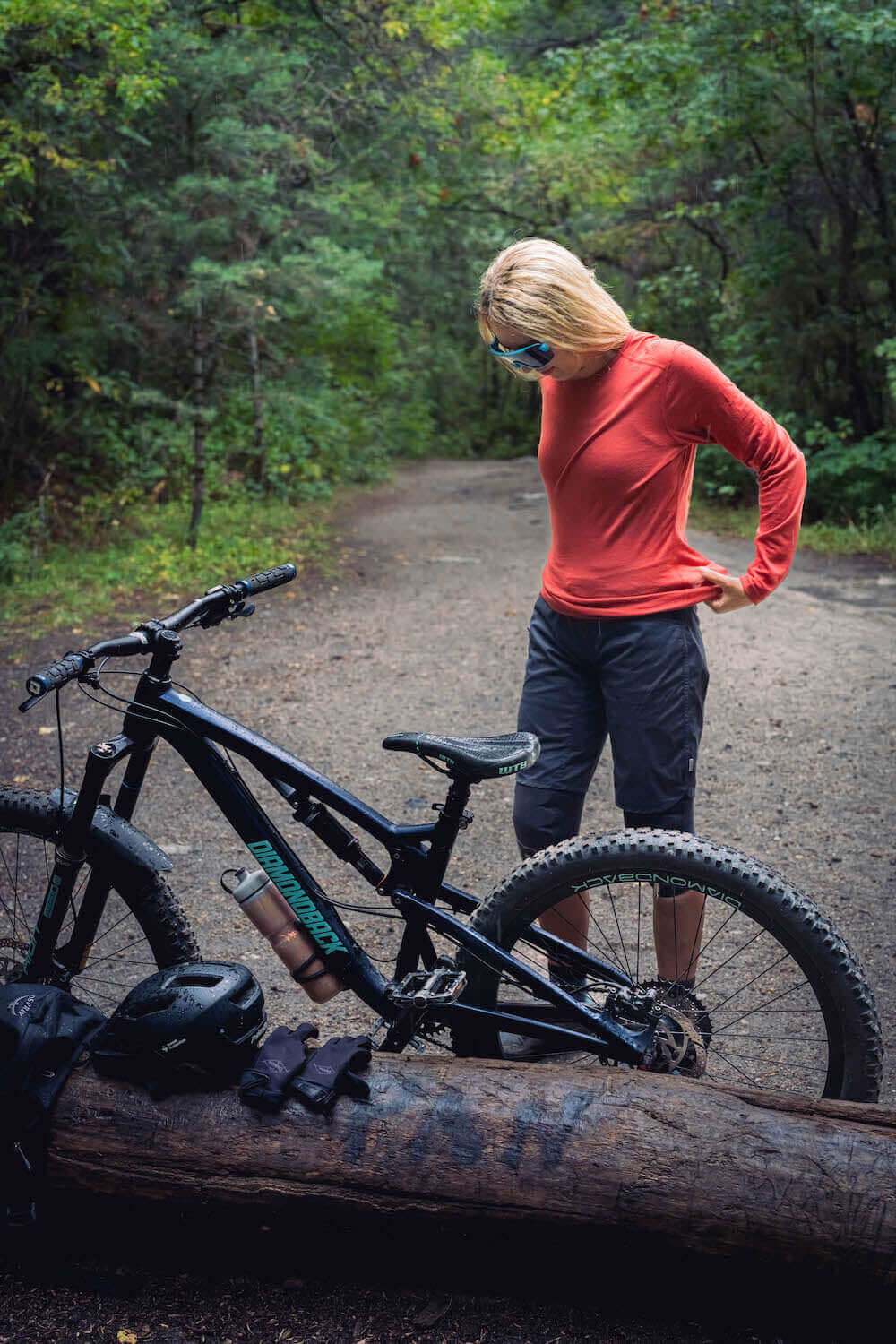
The job here is not warmth. It is managing humidity and the brutal transition between 30C outside and aggressively cold hotel air conditioning, which is what makes people feel unwell on tropical trips. Fine merino at 160gsm moves moisture off the skin instead of trapping it, stays fresh across days of salt and sweat without needing a wash, and gives you a long sleeve layer that covers your arms on a full day in an open boat, which is worth more than reapplying sunscreen you cannot reach. Our merino base layers are 100% Australian merino at 17.5 micron with no synthetic blend. A merino wool base layer for women also covers a cool winter evening on Harbour Island and an over-cooled flight.
Sun protection, in quantity
A wide brim sun hat with a chin cord, which is the part that matters on a moving boat, plus proper sunglasses and high SPF reef-safe sunscreen. The combination of low latitude, no shade and light reflecting off white sand and shallow water burns people faster here than almost anywhere, and a sea breeze hides it until the evening.
For the water
Reef shoes or something you can swim in, because the limestone shoreline is sharp in places and sea urchins are common. A waterproof dry bag earns its place more here than in most destinations: almost every good day involves a small open boat, and a phone, a passport and a cabin key need somewhere dry. Your own mask and snorkel if you have them, since rental quality is variable.
A light warm layer
A fleece mid layer sounds absurd for the Bahamas and is not. Winter evenings on the Out Islands drop further than people expect, an open boat at speed is cold when wet even at 25C, and interior air conditioning is set punishingly low.
Rain and wind
A packable rain jacket for women, which doubles as the windproof layer on a boat. Summer squalls arrive fast and pass fast.
The small things
Insect repellent for sandflies and mosquitoes, which are worst at dawn and dusk and worse on the Out Islands than in Nassau. Merino wool socks for travel days. Any medication you need, in its original packaging, because an Out Island pharmacy may be a shelf in a general store. Cash in small US bills, which circulate interchangeably with the Bahamian dollar. And a refillable bottle, since tap water is desalinated and drinkable in Nassau but worth treating further out.
Getting Around the Bahamas
Inter-island transport is the hardest part of planning a Bahamas trip and the part most people underestimate.
There is no single network. Bahamasair and a handful of small carriers fly between Nassau and the main Out Islands, but the routes mostly radiate from Nassau rather than connecting islands to each other, so going from one Out Island to another often means flying back to Nassau. Schedules are limited, aircraft are small, and cancellations and delays are routine rather than exceptional. Build a buffer day before any international departure, because missing a connection out of George Town can cost you a flight home.
The mail boats are the local alternative: slow freight and passenger vessels running from Potter's Cay in Nassau out to the islands on a weekly rhythm. They are extremely cheap, genuinely uncomfortable and a real experience, and they are not a schedule you can plan a holiday around.
Within New Providence, jitney buses cover the island cheaply and stop running in the early evening. Taxis are plentiful, unmetered and operate on government-set zone fares, so agree the price before you get in. On the Out Islands, transport is golf carts on the small cays, informal car hire on the larger ones, and water taxis between neighbouring islands. Driving is on the left, inherited from British rule, while most cars are American imports with the steering wheel on the left as well, which makes overtaking genuinely awkward and is worth taking seriously.
Costs: What to Budget
The Bahamas is one of the more expensive destinations in this library, and almost everything is imported.
The Bahamian dollar is pegged one to one with the US dollar and both circulate freely, so there is no exchange friction. What there is instead is import cost: the islands grow and manufacture very little, so groceries, alcohol and fuel all carry freight and duty on top, and restaurant prices in Nassau are closer to Miami than to the Caribbean average. There is also a value added tax applied broadly, and resorts commonly add a service charge and a separate resort levy, which together can add a substantial percentage to a quoted room rate. Ask what the final figure is before booking.
At the budget end, the country is harder work than most. Guesthouses and small hotels away from the resort strips, local food from a takeaway or a fish fry rather than a restaurant, and jitney buses rather than taxis will keep costs down, and the fish fry at Arawak Cay in Nassau is both the cheapest good meal in the city and the most enjoyable. Conch in its various forms is the national dish and the best value on any menu.
The expensive items are boats and flights. A day trip to the swimming pigs and the Exuma cays, a two-tank dive, or an inter-island flight are each significant, and the Out Islands are structurally more expensive than Nassau because everything has to be shipped further. Tipping is expected at around fifteen per cent and is often already included as a service charge, so check before adding more.
Where to Stay
Decide between resort and island first, because the two are not interchangeable here.
In Nassau, the choice is between the resort corridor on Cable Beach and Paradise Island, which is self-contained and convenient and expensive, and smaller hotels and guesthouses in and around downtown, which are cheaper and put you in a real city with the evening caution described above. For a solo traveller, a smaller property with staff who know your name is often better than a very large resort, and being within walking distance of somewhere to eat matters more than a pool.
On Harbour Island, accommodation is boutique and expensive, and the island is small enough that location barely matters. In the Exumas, George Town on Great Exuma has guesthouses and mid-range hotels and is the practical base; the private-island resorts on the smaller cays are a different budget entirely. On Eleuthera, the accommodation is spread thinly along a very long island, so a car is close to essential.
On the far Out Islands, book ahead and confirm the property is open, because seasonal closures are common and a wasted flight is expensive. Bonefishing lodges on Andros and Long Island operate on a season and fill early.

Essential Resources for Women in the Bahamas
Emergency numbers: 911 and 919 both reach emergency services in the Bahamas, with 919 the traditional police number and 911 now widely operational. On an Out Island, the local clinic and your accommodation are often a faster route to help than a national number, so note both when you arrive.
Non-emergency police: the Royal Bahamas Police Force has stations across New Providence and on the main Out Islands, and there is a dedicated tourism-facing police presence in central Nassau. A theft needs an in-person report to produce the document an insurer will require.
Main hospital or clinic: Princess Margaret Hospital in Nassau is the main public hospital and the country's referral centre, and Doctors Hospital, also in Nassau, is the main private facility and where most insurers will direct you. Rand Memorial Hospital serves Grand Bahama. Everywhere else is a community clinic, and anything serious is transferred to Nassau or flown to Florida. That single fact is the most important practical consideration for an Out Island trip.
Diving and air evacuation: confirm that your insurance covers diving as an activity, recompression treatment, and air ambulance repatriation. Blue hole and wall diving here is advanced and the nearest chamber may be a flight away.
Official health authority: the Government of the Bahamas publishes health guidance at bahamas.gov.bs, including the Ministry of Health and Wellness. Tap water in Nassau is desalinated and safe; on smaller islands it is often rainwater-collected and worth treating.
US Embassy: the United States Embassy in Nassau, bs.usembassy.gov.
Hurricanes: the National Hurricane Center at nhc.noaa.gov is the authoritative source, and the Bahamas Department of Meteorology and NEMA issue domestic warnings and evacuation orders. Season is 1 June to 30 November, peaking August to October. Buy insurance when you book, not later, because cover closes once a storm is named.
US State Department travel advisory: the Bahamas advisory. Read the current level there directly. If that link does not resolve, the same advisory is listed under The Bahamas on the State Department's travel advisories index, because the site blocks automated requests and its country URL format has changed before.
UK FCDO travel advice: gov.uk/foreign-travel-advice/bahamas, and read the safety and security page rather than only the landing page, because that is where the statement about violent crime in tourist areas appears.
Official tourism authority: the Bahamas Ministry of Tourism, bahamas.com, which carries island-by-island practical information and the current position on inter-island flights.
Solo women safety assessment: the Bahamas works well for a woman travelling alone, and the Out Islands in particular are small, friendly communities where being on your own draws no attention at all. Nassau needs more care than most Caribbean capitals, and the reason is specific: the FCDO records violent crime and armed robbery in tourist as well as residential areas of New Providence and Grand Bahama, which removes the usual reassurance that trouble stays where visitors do not go. The practical response is not to avoid Nassau but to be deliberate in it. Do not walk at night away from lit, populated areas, take a licensed taxi rather than walking back from dinner, agree the fare first, leave obvious jewellery at home, and treat an empty beach after dark as somewhere to be elsewhere. On cruise days the straw market and Bay Street are a pickpocketing and hard-sell environment rather than a dangerous one. Decline jet ski rental, which is a long-standing and well-documented source of disputes and injuries here. Respect the water: currents between the cays are strong, lifeguards are almost nonexistent, and blue holes are diving sites rather than swimming spots. If you visit the swimming pigs, understand they are wild animals that bite, and choose an operator that briefs you and brings the right food. And carry insurance with a high medical limit and air evacuation cover, because outside Nassau and Freeport the medical answer to anything serious is a flight.
Recommended Tours and Experiences
Destination Guides for the Bahamas
Destination articles for the Bahamas will be listed here as they are published. In the meantime, this hub covers the country at the level most trips are planned at.
Reading On
For why fine wool handles heat, humidity and hard air conditioning better than cotton or synthetics, read the guide to merino wool base layers for women. Every destination we cover is indexed at the travel packing guide for women, and the base layers themselves are at the Roman Trail collection.
If the outer journey is calling you, the inner one usually is too. Explore SoulMap at romantrail.com/blogs/soulmap.
Blog posts
View all-

Packing List for Yosemite: What Women Should Bring
What to pack for Yosemite. Granite walls, snowmelt waterfalls that dry up by August, and a 1,200 metre valley floor with 3,000 metre passes above it.
Packing List for Yosemite: What Women Should Bring
What to pack for Yosemite. Granite walls, snowmelt waterfalls that dry up by August, and a 1,200 metre valley floor with 3,000 metre passes above it.
-

Packing List for Sedona: What Women Should Bring
What to pack for Sedona. Red sandstone at 1,370 metres, where the sun is fierce, the nights are cold and the dust stains everything you own.
Packing List for Sedona: What Women Should Bring
What to pack for Sedona. Red sandstone at 1,370 metres, where the sun is fierce, the nights are cold and the dust stains everything you own.
-

Packing List for Savannah: What Women Should Bring
What to pack for Savannah. America's first planned city, where subtropical humidity, sand gnats and 22 public squares of brick pavement decide the list.
Packing List for Savannah: What Women Should Bring
What to pack for Savannah. America's first planned city, where subtropical humidity, sand gnats and 22 public squares of brick pavement decide the list.


Contact form

Roman Trail Outfitters
Merino Wool Women's Long Sleeve Top | Crew Neck Shirt | Deep Olive