

Washington DC is the most historically significant capital city in the world for American history and the one that offers the most extraordinary museum and monument experience available anywhere entirely for free.
Disclosure: This post contains affiliate links. If you buy through them, Roman Trail earns a small commission at no extra cost to you.
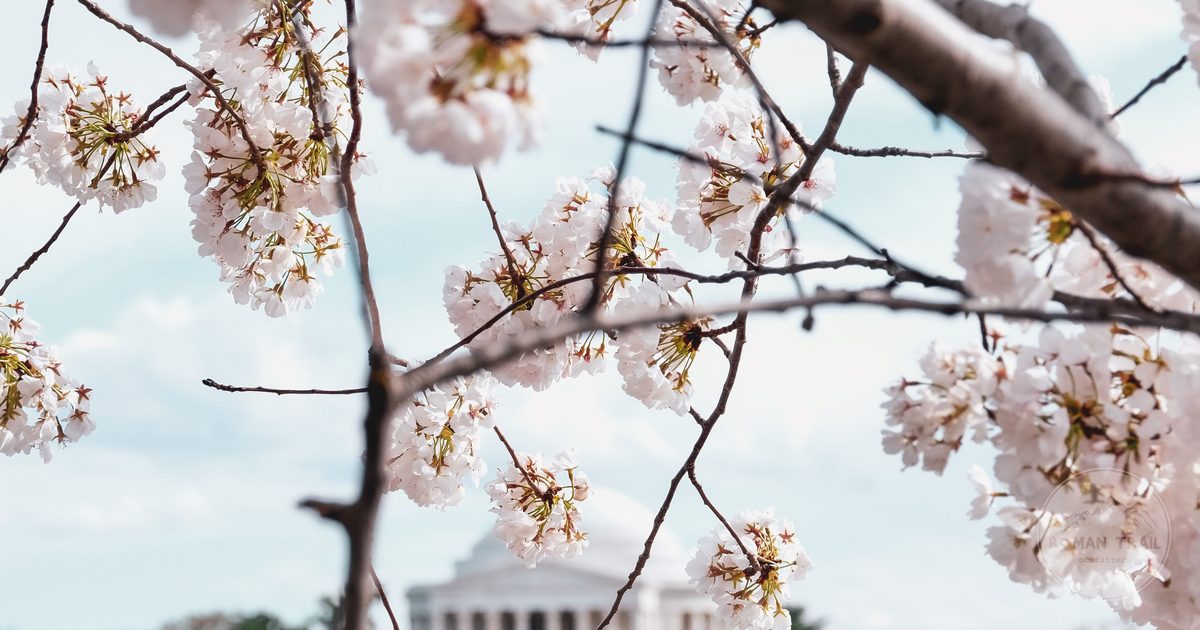
The District of Columbia has the Smithsonian Institution, the largest museum complex in the world, with 19 museums and galleries along and near the National Mall, all free to enter. The National Air and Space Museum, the National Museum of Natural History with the Hope Diamond, the National Gallery of Art, the National Museum of American History, and the National Museum of African American History and Culture all charge no admission, in an experience of cultural access that has no parallel in any other capital city. The Lincoln Memorial reflects in the Reflecting Pool at dawn before the crowds arrive. The Vietnam Veterans Memorial is the most emotionally affecting memorial in America, its black granite wall reflecting the visitor's face among the 58,000 names. The Jefferson Memorial across the Tidal Basin is surrounded by Japanese cherry trees that peak in late March and early April in the most beautiful annual event in Washington.
Georgetown across Rock Creek Park from the National Mall has the finest independent shopping street in DC on M Street and Wisconsin Avenue, the most beautiful residential streets of the Federal period in America, and the C&O Canal towpath running northwest to Great Falls in one of the finest urban hiking corridors on the East Coast.
Understanding Washington DC's Climate
DC has four distinct seasons with extremes at both ends.
Summer from June through August: hot and extremely humid with temperatures from 30 to 35 degrees Celsius. The humidity makes DC summer the most uncomfortable of any major American city for sustained outdoor activity at the monuments.
Autumn from September through November: the finest season, with comfortable temperatures from 12 to 24 degrees and the cultural season in full operation.
Winter from December through February: cold with temperatures from minus 3 to 6 degrees and occasional significant snowfall that shuts the city down dramatically when it arrives.
Spring from March through May: cherry blossom season in late March to early April is the most visited period. Temperatures from 8 to 20 degrees. Book accommodation months in advance for cherry blossom peak.
The summer humidity deserves its own sentence, because it is the thing visitors underestimate most. Washington was built on low ground near the Potomac and it holds moisture; a 33-degree July afternoon on the Mall, which is open, treeless, and reflective, is meaningfully harder work than the same temperature almost anywhere else in the country. The monuments are best done early morning or after dark in summer, and the Mall at night, lit and nearly empty, is arguably better anyway.
The Layering System for Washington DC
Base Layer
The Roman Trail Women's Merino Wool Base Layer ($49-59) handles DC's extreme four-season climate. The humidity of DC summer makes merino's moisture management the most comfortable base layer option for sustained outdoor monument visits in the heat. In winter it provides the warm base layer for the cold that DC's position in the mid-Atlantic amplifies through wind and occasional ice.
Bring two and rotate them. The other reason merino earns its place here is the museum problem: the Smithsonian buildings are climate-controlled to protect collections, so you move from humid heat outdoors to a steady 21 degrees indoors and back again, repeatedly, across a single day.
Mid Layer
DC's cold winters and cool spring and autumn evenings make a mid layer essential for most of the year. The Columbia Women's Fast Trek II Jacket ($65) handles spring, autumn, and mild winter. The Columbia insulated hooded jacket ($279) handles DC's genuine winter cold.
Rain Shell
DC receives rain throughout the year, particularly in spring. The Marmot Women's PreCip Eco Rain Jacket ($110) handles DC's variable weather.
DC Style
Washington DC has the most specifically professional dress culture of any American city outside of New York. The government-adjacent culture of power suits and professional attire is the dominant aesthetic. For tourism the standard is smart casual at minimum. Georgetown specifically rewards quality presentation.
Footwear for Washington DC
The National Mall involves significant walking on paved surfaces. The Georgetown cobblestones require grip. The Salomon Women's X Ultra 4 GTX ($165) handles DC's terrain in all weather. One dressier pair for Georgetown evenings. Two pairs total.
The distances on the Mall are larger than any map suggests. The Capitol to the Lincoln Memorial is 3 kilometers in a straight line, and a day that takes in two museums and the monument circuit will put you well past 12 kilometers before dinner. This is the single most underestimated fact about visiting Washington.
For socks the Darn Tough Women's Hiker Micro Crew Merino Socks ($28) handle DC's sustained walking without blisters.
Clothing List
Two merino base layer tops. Two quality professional casual tops. One quality evening outfit for Georgetown or the Penn Quarter restaurant scene. Down or fleece mid layer appropriate to season. Compact rain shell. Comfortable waterproof walking shoes. Dressier shoes for evening. Three merino socks. Two casual socks.
Add a small bag that opens easily. Every Smithsonian museum, the Capitol, and the memorials with indoor space run bag checks, and a large or complicated bag turns each entry into a delay.
What Not to Bring to Washington DC
Leave the heels. The Mall is long, Georgetown is cobblestone, and the Metro escalators are among the longest in the world.
Leave the large backpack. Bag checks at every museum make a big pack a liability, and several Smithsonian buildings restrict pack size outright.
Leave the umbrella for a hooded shell, and leave the assumption that you can see the Smithsonian in a day. Two full days covers a fraction of it.
Washington DC by Neighborhood
The National Mall, the 3-kilometer green corridor from the Capitol to the Lincoln Memorial, has the monument circuit and the Smithsonian museums along its northern and southern edges. Allow two full days minimum to do justice to the museums alone.
Capitol Hill east of the Mall has the Supreme Court, the Library of Congress, and the Eastern Market neighborhood with the finest Saturday farmers market in DC and residential streets of Victorian rowhouses.
Georgetown northwest of downtown has the most pleasant urban walking in DC along M Street, Wisconsin Avenue, and the canal towpath. The Georgetown waterfront park below the Key Bridge has the finest Potomac River views in DC.
Adams Morgan and Columbia Heights north of downtown have the most diverse and most international restaurant culture in DC, with Ethiopian restaurants on 18th Street and Latin food throughout Columbia Heights.
Packing for Cherry Blossom Season
Peak bloom is the most beautiful week in Washington and the most misjudged for clothing. The trees peak in a window between roughly the third week of March and the first week of April, which in DC is genuinely unsettled weather: a bloom week can deliver 20 degrees and sun, or 4 degrees with wind off the Tidal Basin, and frequently both within the same day.
The practical kit is a merino base layer, a packable mid layer, and a shell, which covers that whole range without a return to the hotel. Add gloves if you are going at dawn, which you should. The Tidal Basin loop is 3 kilometers, largely unshaded and exposed to wind off the water, and before 7am it is quiet enough to photograph properly. By 10am on a peak weekend it is shoulder to shoulder.
Parking around the Basin is effectively impossible during the festival, so take the Metro to Smithsonian and walk. And build in a rain plan, because a wet windy day at peak strips blossom off the trees within hours.
Seasonal Notes for the Monument Circuit
The monuments are outdoors, open, and mostly unshaded, which makes them a different proposition in each season. Summer means going at dawn or after dark, and the memorials lit at night with almost nobody there is the better experience anyway. Winter means wind: the Mall is a long open corridor and the cold cuts across it with nothing to break it, so this is where the down layer and a hat earn their place.
Washington DC Packing FAQ
Are all the Smithsonian museums really free?
Yes. Every Smithsonian museum and gallery, including the National Gallery of Art, is free to enter. No tickets are required for the permanent collections. Temporary special exhibitions occasionally charge. This is the most extraordinary free cultural offering of any capital city in the world.
When is cherry blossom season in DC?
The National Cherry Blossom Festival runs from late March through mid-April, with peak bloom typically in late March to early April depending on the year. The National Park Service publishes a bloom forecast each year. The Tidal Basin around the Jefferson Memorial is the most beautiful viewing location. Arrive before 7am to experience it without crowds.
How much walking should I plan for on the Mall?
More than you expect. The Capitol to the Lincoln Memorial is 3 kilometers one way, the museums are spread along both edges, and the Tidal Basin loop adds another 3. A full sightseeing day runs 12 to 18 kilometers. The Mall is open, treeless, and reflective, which makes summer distances feel longer still.
What food should I try in DC?
The half-smoke sausage at Ben's Chili Bowl on U Street, the most iconic DC food institution since 1958. Ethiopian injera and stews from any of the restaurants on 18th Street in Adams Morgan, which serves the largest Ethiopian community outside Addis Ababa. Old Bay seasoned blue crabs from the Chesapeake Bay at any seafood shack in the summer. The smash burger at Good Stuff Eatery on Capitol Hill.
For the full city plan, including safety, the Smithsonian guide, the monument circuit, cherry blossom logistics, the Metro, costs, and where to stay, see the Washington DC travel guide for women.
You can read more about building a merino-first travel wardrobe on the Roman Trail merino wool base layer guide. Browse the full collection at Roman Trail women's merino base layers, available in eight colors with free two-day shipping and a two-year satisfaction guarantee.
If the outer journey is calling you, the inner one usually is too. Explore SoulMap at romantrail.com/blogs/soulmap.


