

Los Angeles is the most outdoor and most physically active major city in America and the one where the line between what you wear to the beach, to a coffee shop, to a hike, and to a restaurant is deliberately and completely blurred.
Disclosure: This post contains affiliate links. If you buy through them, Roman Trail earns a small commission at no extra cost to you.
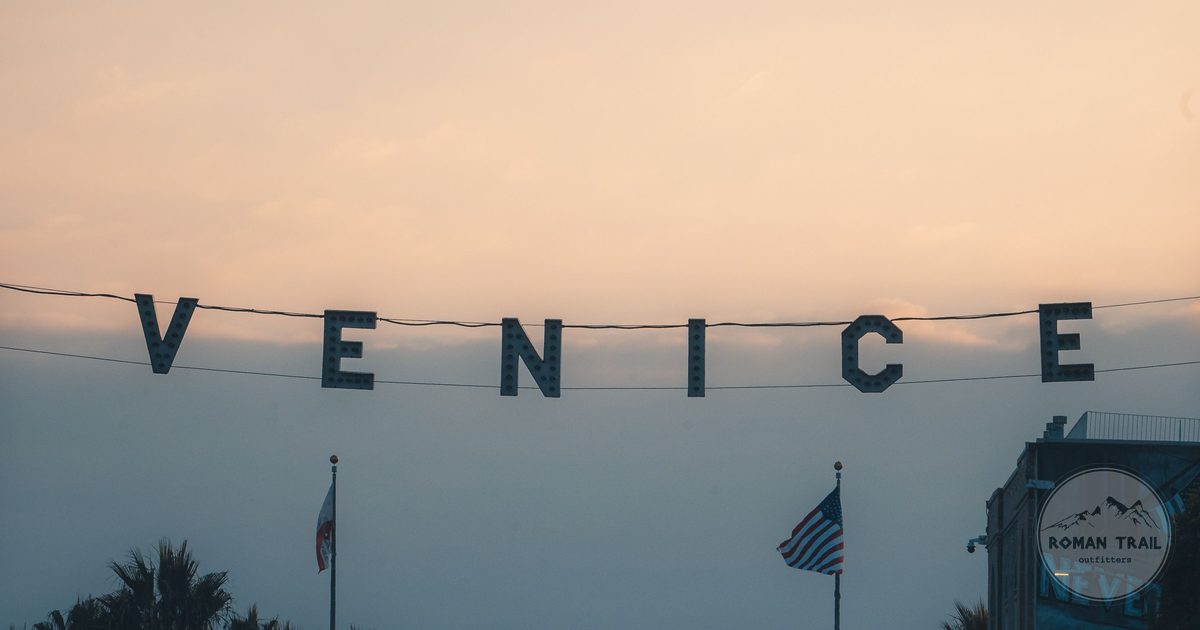
The sprawling city of 4 million people in Los Angeles County proper and 13 million in the greater metropolitan area has reinvented California casual as a genuine aesthetic philosophy. The Venice Beach Boardwalk where skaters and bodybuilders and artists and tourists have coexisted in extraordinary creative tension since the 1970s. The Getty Center, Richard Meier's white travertine museum complex on a hilltop above Bel Air, with the finest collection of European paintings in the American West and views over the entire LA basin to the Pacific. The Griffith Observatory on its Hollywood Hills perch with the most accessible views of the LA skyline and, on clear days, the Pacific horizon. Silver Lake and Los Feliz, the neighborhoods where the creative industry lives in an atmosphere of independent coffee shops, record stores, and vintage clothing that makes Williamsburg seem self-conscious. Malibu, 45 minutes up the Pacific Coast Highway, where the canyon meets the ocean at Point Dume in one of the most beautiful landscapes in Southern California.
Understanding Los Angeles's Climate
Los Angeles has a Mediterranean climate that most visitors find more variable than expected.
The base climate: warm and sunny from May through October with temperatures from 22 to 30 degrees Celsius and almost zero rain. This is the LA of the imagination.
The reality: June Gloom from May through July, when the marine layer from the Pacific covers the coast and inland areas in grey until noon most days. The coast, including Santa Monica, Venice, and Malibu, can be genuinely cool in the morning even in summer.
Autumn from September through November is the finest season, with the Santa Ana winds clearing the sky to an extraordinary blue clarity and temperatures warm without summer heat.
Winter from December through February is LA's rainy season with temperatures from 12 to 18 degrees and genuine rain. Cold by LA standards. Not cold by any other standard.
The other variable nobody mentions is elevation and distance from the water. A morning in Santa Monica at 17 degrees and a same-hour afternoon in Burbank at 30 degrees is a completely normal Los Angeles day, and the two places are 25 kilometers apart. The San Fernando Valley runs consistently 5 to 8 degrees warmer than the coast, and the canyons run cooler and shadier than either.
The key insight: always bring a layer. The marine layer, the aggressive air conditioning of every LA restaurant and coffee shop, and the temperature drop after sunset make a layer essential every single day of the year in LA.
Recommended Tours and Experiences
The Layering System for Los Angeles
Base Layer
The Roman Trail Women's Merino Wool Base Layer ($49-59) handles Los Angeles's marine layer mornings and air-conditioned interiors better than cotton or synthetic alternatives. In a city where you move from a cool beach morning to a hot midday hike to an aggressively air-conditioned restaurant for lunch to a warm outdoor dinner, merino manages all four transitions without requiring a wardrobe change.
Bring two and rotate them. At 160gsm the weight is right for Southern California: warm enough for a 15-degree Malibu morning, breathable enough for a Runyon Canyon climb at midday, and light enough that it never reads as winter clothing in a city that has no winter.
Mid Layer
The Columbia Women's Fast Trek II Jacket ($65) handles LA's marine layer mornings, the cool canyon hikes that are the finest outdoor activity in the city, and the air conditioning that is turned to maximum in every LA establishment regardless of outdoor temperature.
Rain Shell
LA's winter rainy season and the marine layer drizzle of June Gloom make a packable rain shell worth carrying. The Marmot Women's PreCip Eco Rain Jacket ($110) handles both. It also doubles as a wind layer for the Griffith Observatory ridge and the Malibu bluffs, both of which are windier than the city below them.
LA Style
Los Angeles has the most specific and most deceptive dress culture of any American city. It looks casual. It is not casual. The athleisure worn in Silver Lake coffee shops costs $200. The vintage Levi's in Melrose vintage shops are carefully curated. The no-makeup look requires significant product. The effortless beach wave hair requires a professional.
Pack quality casual. Not formal. Not sloppy. The quality that LA rewards is the quality that looks like you did not try and requires considerable trying.
The practical version: one outfit that works for a hike and a coffee afterwards without changing, one that works for a beach afternoon and dinner in Venice, and one genuinely good outfit for a West Hollywood or Downtown restaurant. Formal is rarely required anywhere in Los Angeles, and a jacket and dark jeans clears almost every door in the city.
Footwear for Los Angeles
Los Angeles requires a car for most activities, but the neighborhoods worth exploring on foot, meaning Venice, Silver Lake, Los Feliz, and the Arts District, reward comfortable shoes. The Griffith Observatory approach is a real hike. The Getty tram requires comfortable shoes. The Salomon Women's X Ultra 4 GTX ($165) handles both urban exploring and the canyon trails. Sandals for beach days. One dressier option for the West Hollywood and Beverly Hills restaurant evenings. Two to three pairs total.
For socks the Darn Tough Women's Hiker Micro Crew Merino Socks ($28) handle LA's hiking terrain without blisters. The canyon trails are dusty, loose, and steeper than they look on a map, and they are the reason a genuine trail shoe rather than a fashion sneaker belongs in the bag.
Clothing List
Two merino wool base layer tops. Two quality casual tops. One quality casual dress that works for beach to dinner. One light fleece for marine layer mornings and air conditioning. Compact rain shell for winter and June Gloom. Comfortable hiking shoes. Sandals for beach. One dressier option for evening. Three merino socks. Two casual socks. Swimsuit for beach and hotel pool.
Add sunglasses and sunscreen and treat both as required rather than optional. Los Angeles sits at 34 degrees north with 280 sunny days a year and very little humidity to soften the light, and the sun exposure on a canyon trail at midday is significantly higher than the temperature suggests.
What Not to Bring to Los Angeles
Leave the heavy winter coat. Even in January, a base layer plus a fleece plus a rain shell handles everything Los Angeles produces. Leave formal wear unless you have a specific event; LA restaurants at every price point are more relaxed than their New York equivalents.
Leave the giant beach bag and the umbrella. Leave anything you would not want to carry across a very large parking lot in full sun, which is the physical reality of most LA destinations.
And do not pack for the LA in your head, which is 28 degrees and cloudless every day. Pack for the LA that is 16 degrees and grey in Santa Monica at 9am in June, because that one is real too.
Los Angeles by Neighborhood
Venice Beach and the Boardwalk is the most iconic LA neighborhood for visitors. Abbot Kinney Boulevard, adjacent to the Boardwalk, has the finest independent boutiques, coffee shops, and restaurants in LA in a single walkable street.
Silver Lake and Los Feliz east of Hollywood are the most creative and most livable neighborhoods in LA, with Sunset Junction, the Reservoir, and the independent business culture that makes these neighborhoods the genuine alternative to the more tourist-facing West Side.
The Arts District in Downtown LA has converted the industrial warehouses of the city's original downtown into the most concentrated gallery, restaurant, and creative space district in LA. Smorgasburg LA, the weekly food market on Sunday mornings, is the finest food event in the city.
Malibu on the Pacific Coast Highway has the Getty Villa, the smaller and more intimate Roman antiquities companion to the Getty Center, plus Point Dume State Beach and the Malibu Creek State Park canyon trails in the Santa Monica Mountains.
Beaches and the Pacific Coast Highway
The beaches change character completely as you move north along the coast, and packing for them differs accordingly. Santa Monica and Venice are urban beaches, busy and walkable and served by the Metro, and a swimsuit with a coverup and sandals is the whole requirement. Manhattan Beach and Hermosa Beach further south are quieter and more residential. Malibu, north on the Pacific Coast Highway, is where the beaches turn wild: El Matador with its sea stacks and Point Dume with its headland climb both involve stairs, rock, and sand underfoot, which means proper shoes rather than flip flops.
Water temperature in Southern California runs 15 to 21 degrees Celsius year round, which is colder than the air and colder than most visitors expect. Long swims are a wetsuit activity here even in August. Bring the layer for after: the wind picks up along the coast in the late afternoon and a damp swimsuit plus an ocean breeze at 18 degrees gets cold quickly.
Los Angeles Packing FAQ
Do I need a car in Los Angeles?
For most of the city, yes. The Metro rail system connects Downtown, Hollywood, and West Hollywood efficiently and is expanding. But Malibu, the canyon hikes, the Getty Center, and most residential neighborhoods require a car or Uber. Plan for significant rideshare costs or a rental car.
What is the best hike in LA?
The Runyon Canyon hike in Hollywood Hills for the most accessible city views. The Griffith Park trail to the Observatory for the most iconic. The Escondido Falls trail in Malibu for the most dramatic. The Backbone Trail along the Santa Monica Mountains ridge for the most sustained.
What is June Gloom and will it ruin my trip?
June Gloom is the marine layer that settles over coastal Los Angeles from roughly May through July, producing grey overcast mornings that usually burn off between 11am and 1pm. It does not ruin a trip, but it does change the plan: do the beach in the afternoon and the inland or eastside neighborhoods in the morning, and always have a layer with you.
What food should I try in LA?
A breakfast burrito from any Mexican taqueria in East LA or Boyle Heights. Korean BBQ in Koreatown at 1am after everything else has closed. The smash burger at Irv's Burgers in West Hollywood. Sushi anywhere in the San Fernando Valley, where the finest Japanese chefs outside of Japan have settled. The taco truck outside Dodger Stadium on a game night.
For the full city plan, including safety, neighborhoods, getting around, costs, and where to stay, see the Los Angeles travel guide for women.
You can read more about building a merino-first travel wardrobe on the Roman Trail merino wool base layer guide. Browse the full collection at Roman Trail women's merino base layers, available in eight colors with free two-day shipping and a two-year satisfaction guarantee.
If the outer journey is calling you, the inner one usually is too. Explore SoulMap at romantrail.com/blogs/soulmap.


