Valletta Travel Guide for Women: Everything You Need to Know
Valletta covers about 0.8 square kilometres and houses roughly 5,700 people, which makes it one of the smallest capital cities in the world and, in its entirety, a UNESCO World Heritage site. It was built from nothing after 1566, in the aftermath of the Great Siege, in which several hundred Knights of St John and a few thousand Maltese held out against an Ottoman army for four months and won.
Disclosure: This post contains affiliate links. If you buy through them, Roman Trail earns a small commission at no extra cost to you.
The Knights then decided they needed a proper fortress, and built one on the Sciberras peninsula between the Grand Harbour and Marsamxett Harbour, on a grid, which was an advanced idea for the 1560s. The founding grandmaster, Jean Parisot de Valette, described the intention as a city built by gentlemen for gentlemen, and Malta's tourist literature has been quoting it ever since.
Everything is built from the same honey-coloured limestone, which is soft enough to carve and hardens on exposure, and which gives the whole island a single unified colour.
Two practical facts define a visit. Valletta is a city of staircases: the peninsula rises steeply from both harbours and the cross-streets are stepped rather than sloped, reportedly built shallow so armoured knights could manage them. And Malta is an English-speaking country, with English and Maltese both official, which combined with low crime and a compact geography makes this one of the best first solo destinations in Europe.
This guide covers safety, seasons, the city and the islands, transport, costs, accommodation and the packing list.
Is Valletta Safe for Women Travelers
Malta is among the safest countries in Europe and Valletta is a very easy city for a woman travelling alone. Violent crime is low, the centre is small and populated in the evening, English is an official language so there is no communication barrier at all, and buses and ferries are safe and straightforward at any hour they run.
The risks here are physical rather than criminal.
Limestone steps. The leading cause of visitor injury. Valletta's stepped streets, Mdina's lanes and Birgu's slopes are worn limestone that becomes genuinely slippery when polished by foot traffic or wet with winter rain. Flat shoes with grip are a safety decision.
Swimming entries. Malta has very little sand. Most swimming is off rock, often with a ladder, into water that is deep close in. The rock is sharp, and lifeguards exist only at the main sandy bays in season.
Traffic. Maltese driving is fast, roads are narrow, pavements are frequently absent, and they drive on the left, which catches out continental European visitors stepping off a kerb.
Wind and ferries. The Gozo and Comino crossings are suspended in high winds, which is common in winter with the northeasterly grigal, and can strand a day trip.
Heat. July and August at 30 to 35 degrees with high humidity and radiating limestone, and very little shade on the bastions or at the temple sites.
The one district worth a note
St Julian's and Paceville, fifteen minutes from Valletta, form Malta's nightlife quarter, with the usual late-night drinking, pushy club promoters and periodic drink-spiking reports. It is where a large share of the island's incidents occur, and it is entirely avoidable: Valletta's own evening scene on Strait Street is calmer, more local and more pleasant.
Emergency numbers: 112 for all emergencies, 196 ambulance direct, 199 fire. Malta operates a Community and Tourism Police unit with a presence in Valletta, Sliema and St Julian's, and officers speak English as standard.
Best Time to Visit Valletta
April to June
The best window. 18 to 28 degrees, dry, the island green from the winter rain and covered in wildflowers in April, the sea warm enough to swim from late May, and Comino and the temples manageable. This is also when walking Valletta's steps is a pleasure rather than a trial.
September and October
Equally good. The sea is at its warmest after the summer, the crowds thin sharply after the first week of September, and the light is excellent. October brings the first rain, usually as short heavy bursts.
July and August
30 to 35 degrees, humid, and busy. The island's population effectively doubles, the Blue Lagoon becomes one of the most crowded places in the Mediterranean, and cruise ships bring large groups into Valletta mid-morning. Sea temperatures are at their best. If you come now, do everything before ten and after five.
November to March
12 to 19 degrees, damp, windy and green, with most of the year's rain falling in short heavy spells. Swimming is for the hardy. Everything in Valletta is open, the city is quiet and local, and this is the best season for the museums, the churches and walking the fortifications. Carnival in February and Holy Week processions are genuinely major events. Ferries to Gozo and Comino are less reliable in wind.
Recommended Tours and Experiences
Top Regions and What Each One Requires
Valletta itself
St John's Co-Cathedral is the reason to come. An austere, almost military exterior conceals one of the great high baroque interiors in Europe: every surface carved and gilded, Mattia Preti's vault paintings, eight side chapels belonging to the national langues of the Order and competing in magnificence, and a floor of around 400 inlaid marble tombstones of knights.
In the Oratory hangs Caravaggio's The Beheading of Saint John the Baptist, painted in 1608: his largest canvas at roughly 3.7 by 5.2 meters and the only work he ever signed, signed in the blood from the Baptist's throat. Caravaggio had fled Rome after killing a man, was admitted to the Order as a knight, was imprisoned in Fort St Angelo after another violent incident, escaped, and was expelled in absentia as a "foul and rotten member". The painting remained, in the room it was made for, lit by the daylight he composed for. His Saint Jerome Writing hangs beside it.
Go at opening. The Oratory is small, cruise groups arrive mid-morning, and at eleven you will view it over shoulders. At opening you may have fifteen minutes with it alone. Entry around 15 euros with a good audio guide, closed Sundays and during services. Shoulders and knees covered, and no stiletto or narrow heels, which are banned to protect the marble tombs and which do get visitors turned away. No photography in the Oratory.
Also in the city: the Grandmaster's Palace, the National Museum of Archaeology holding the prehistoric temple finds including the Sleeping Lady, the Upper Barrakka Gardens with the Saluting Battery firing at noon and four, Fort St Elmo and the war museum, the modern City Gate and Parliament by Renzo Piano, and Strait Street, once the Mediterranean fleet's red-light lane and now the city's bar quarter.
Terrain: a grid on a steep peninsula, with stepped cross-streets. The Barrakka Lift from the waterfront saves the worst climb for a euro.
Pack: flat shoes with grip, covered shoulders for the churches, a hat, and a windproof layer for the bastions.
The Three Cities, across the Grand Harbour
Take the ferry, not the bus. The Valletta to Birgu crossing takes ten minutes and costs about two euros, and it shows you the thing itself: bastions rising sheer from the water, Fort St Angelo opposite, the creeks full of boats, and the Knights' entire defensive system laid out as designed. A bus goes around the harbour head and shows you none of it.
Birgu, or Vittoriosa, Bormla and Isla, or Senglea, are older than Valletta and are where the Knights first settled and where the Great Siege was actually fought. Birgu's lanes are quieter and more residential than Valletta's, with the Inquisitor's Palace, Fort St Angelo, and a superyacht marina sitting oddly beneath medieval walls. Senglea's Gardjola watchtower, carved with an eye and an ear for vigilance, gives the best view back at Valletta.
Pack: the same shoes, since Birgu is steep, and a layer for the windy crossing.
Mdina and the centre
Mdina was the island's capital before Valletta: a fortified hill town inhabited for 4,000 years, walled by the Arabs who named it, with about 250 residents inside the walls and cars almost entirely excluded. It is called the Silent City.
Go at dusk. It takes very large numbers of day visitors between ten and five and empties in the evening, when the lamps come on, the limestone turns gold and then blue, and the lanes become genuinely silent. It is the best hour on the island. The cathedral has another inlaid marble tomb floor and two Preti works, the bastion viewpoint looks across half of Malta to the sea, and Rabat outside the gate holds St Paul's Catacombs and most of the local life.
Pack: sensible shoes for uneven dimly lit lanes, cathedral covering, and a layer, since the hill is cooler and windier than the coast.
The prehistoric temples
Malta's megalithic temples are older than Stonehenge and the pyramids, among the oldest free-standing stone structures on earth.
The Hypogeum of Ħal Saflieni is the extraordinary one: a subterranean burial complex cut into rock, admitting only a handful of visitors a day in timed groups to protect its microclimate. Tickets sell out weeks in advance and must be booked before anything else in your trip.
Ħaġar Qim and Mnajdra sit together on an exposed south-coast clifftop with no shade at all, and Ġgantija is on Gozo. Tarxien is in the suburbs and easy to reach.
Pack: hat, water, sunscreen. These sites are fully exposed and there is nowhere to shelter.
Comino and the Blue Lagoon
Comino has a permanent population in single figures, and the Blue Lagoon is a shallow channel between it and a rocky islet where the water is an improbable turquoise over white sand.
In July and August it is among the most crowded places in the Mediterranean, with thousands of day visitors and boats moored across the channel. Take the first ferry of the day from Ċirkewwa, a 25-minute crossing, and arrive before nine for an hour or two of it looking like the photographs. Or come in May, June, September or October.
There is essentially no shade and no infrastructure, the rocks at the water's edge are sharp, and walking fifteen minutes to Santa Marija Bay or the Crystal Lagoon escapes the crowd entirely. The public ferry is usually better than the resort "Blue Lagoon trips", which spend more time selling drinks than swimming.
Gozo
Twenty-five minutes by ferry from Ċirkewwa, and greener, slower and more rural than Malta. The Citadel at Victoria, the Ġgantija temples, salt pans cut into the rock at Xwejni, Ramla Bay's red sand, and some of the best diving in the Mediterranean. Worth a night rather than a day trip.
What to Pack for Valletta: Women's Packing List
The full detail is in the Valletta packing list for women. The essentials:
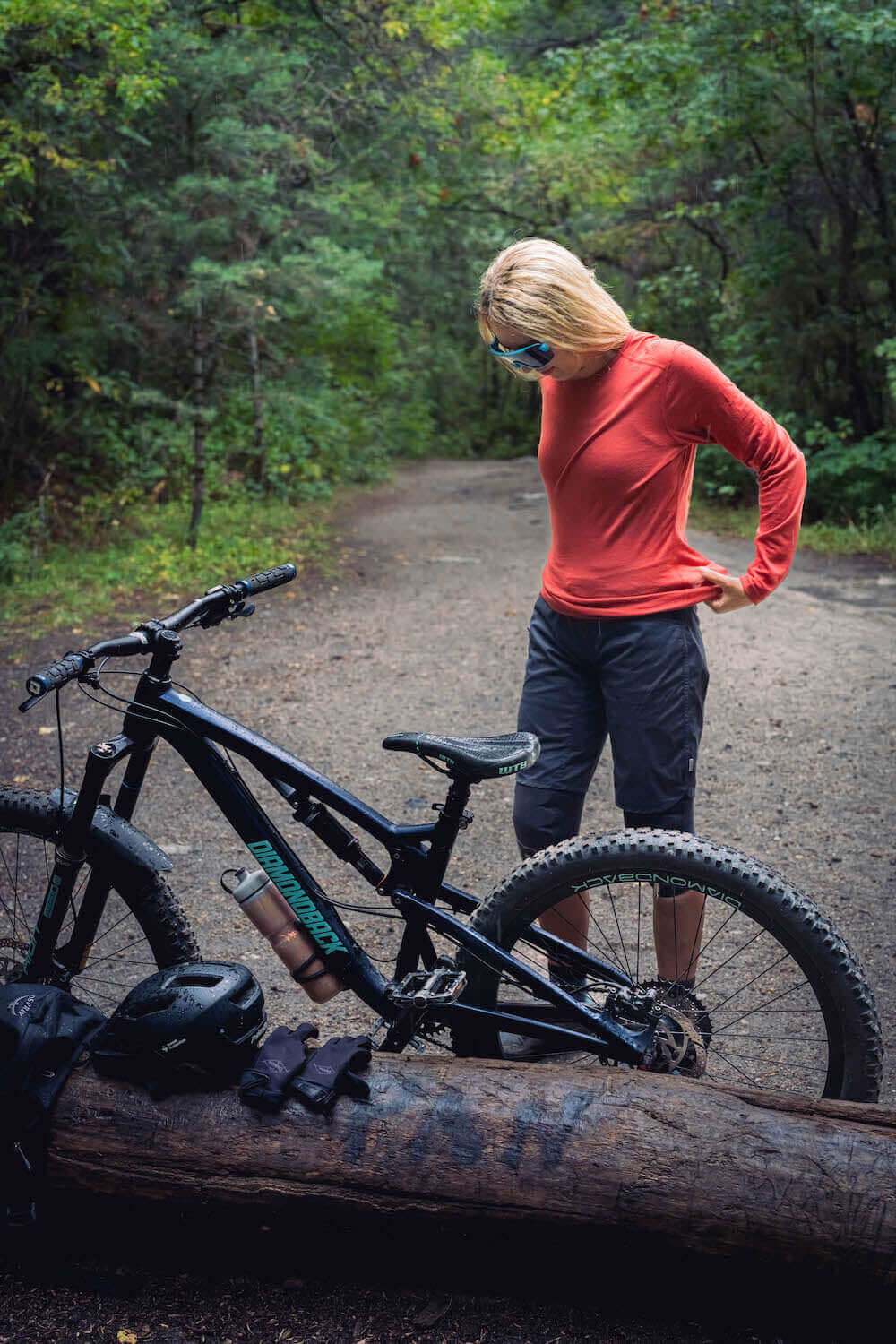
Base layers. Two Roman Trail Women's Merino Wool Base Layers ($49-59) in long sleeve. The long sleeve does three jobs here: it satisfies the cathedral dress codes without a separate shawl, it protects you from sun on unshaded bastions, temple sites and boats, and it handles the swing from a 30-degree afternoon to a windy evening on the water. Merino at 17.5 micron also stays wearable through several days of Mediterranean heat and humidity.
Mid layer. The Columbia Women's Fast Trek II Jacket ($65) for winter, when Malta is 12 to 19 degrees and damp and windy, and for evenings from October to April.
Outer layer. The Marmot Women's PreCip Eco Rain Jacket ($110), which matters less for rain, since Malta is dry, than as the windproof layer on the bastions, the harbour ferry and the Comino crossing, all of which are breezier than the sheltered streets.
Footwear, which matters most. One properly comfortable flat walking shoe with grip, because the stepped streets, Mdina's lanes and Birgu's slopes are worn limestone that gets slippery, and because narrow and stiletto heels are banned at St John's Co-Cathedral to protect the marble tomb floor. Plus ELETON Barefoot Hiking and Water Shoes ($23.99) for the Blue Lagoon and the rock swimming entries, which are sharp across the whole island. The Darn Tough Women's Hiker Micro Crew Merino Socks ($28), two pairs, for the step count.
Sun and sea. A Wide Brim Sun Hat Women UPF 50 ($25) with a chin strap, because Malta is consistently windy and there is no shade on the bastions, at the temples or on Comino. High-factor sunscreen, sunglasses, two swimsuits, a quick-dry towel, and a refillable bottle, since Maltese tap water is desalinated, safe and unpleasant to drink.
Covered clothing and documents. A light scarf or linen shirt for shoulders at every church, and modest clothing in the towns, since beachwear away from the water reads badly in a Catholic country. A European Health Insurance Card or its UK equivalent if you hold one, and travel insurance that covers diving if you intend to dive, which many policies exclude.
Organisation. The Eagle Creek Pack-It Cube Set ($59), which on a short island trip keeps the beach half separate from the city half.
Maltese Food
A genuine cuisine shaped by Sicily, North Africa and 150 years of British rule, and better than the island's reputation suggests.
Pastizzi, the national snack: flaky pastry parcels of ricotta or mushy peas, eaten from a hole-in-the-wall pastizzerija for small change, and the correct Maltese breakfast.
Fenkata, rabbit, which is the national dish, slow-cooked in wine and garlic and traditionally eaten as a communal meal. The eating of rabbit has a political history here as an act of defiance against the Knights, who reserved hunting rights.
Lampuki pie, made with the dorado that runs off Malta between August and December, and aljotta, a garlicky fish soup.
Bragioli, beef olives, and ross il-forn, a baked rice.
Ftira, the flat sourdough loaf, filled with tuna, capers, olives and tomato, and now UNESCO-listed as intangible heritage.
Ġbejniet, small sheep's cheeses, fresh or peppered and dried.
Kinnie, the bitter orange soft drink that Maltese people are genuinely attached to, and Cisk, the local lager. Maltese wine from indigenous Girgentina and Ġellewża grapes is worth trying and rarely leaves the island.
Getting Around
Walking covers Valletta entirely; it is eight hundred meters end to end and largely pedestrianised.
The Barrakka Lift connects the waterfront to the Upper Barrakka Gardens for about a euro and saves a substantial climb.
The harbour ferries run from Valletta to Birgu and to Sliema, both about ten minutes and a couple of euros, and both are better than the equivalent bus in every respect.
Buses are the island's public transport, radiating from the terminus outside Valletta's city gate, and they are free for residents and cheap for visitors, reaching everywhere including Mdina, the temples and Ċirkewwa. They are also slow, crowded in summer and prone to passing full stops, so allow more time than the timetable suggests.
Bolt and eCabs both operate and are inexpensive, which is the practical answer for getting back from Mdina at night.
Ferries to Gozo and Comino leave from Ċirkewwa at the northern tip, roughly an hour from Valletta by bus. A fast ferry also runs directly from Valletta to Gozo.
Hire car: useful for the temples and the west coast, and pointless in Valletta, where parking is impossible. They drive on the left, roads are narrow, and Maltese driving is assertive.
Costs: What to Budget
Malta is mid-priced for Europe, cheaper than Italy for food and accommodation, and dearer than its size suggests in high summer.
Budget, 60 to 90 euros a day: a hostel dorm at 20 to 35 euros, pastizzi and a ftira for lunch at 10 to 15, buses, free churches and viewpoints, one paid site.
Mid-range, 130 to 210 euros a day: a small hotel or guesthouse at 80 to 150 euros, restaurant meals at 35 to 55, ferries and the occasional Bolt, two or three paid sites.
Higher end, 350 euros and up: Valletta's boutique palazzo hotels from 220, tasting menus, private guides, a diving package.
Specific costs: St John's Co-Cathedral around 15 euros, the Grandmaster's Palace around 12, the National Museum of Archaeology around 5, Fort St Elmo around 10, the Hypogeum around 35 and booked weeks ahead, Ħaġar Qim and Mnajdra around 10 together, the Birgu or Sliema ferry around 2 to 3, the Barrakka Lift about 1, the Comino ferry around 13 return, the Gozo ferry around 5 return as a foot passenger, a pastizz under a euro, a fenkata 20 to 30 a head.
Money: the euro. Cards are accepted almost everywhere including buses, contactless is universal, and ATMs are plentiful. Tipping: 5 to 10 percent for good service, and not obligatory. Site opening times, Hypogeum tickets and ferry schedules are at visitmalta.com.
Where to Stay: Hostels, Guesthouses and Hotels for Women
Valletta itself is the best base and has changed enormously in the last decade, with a wave of small palazzo conversions and boutique hotels in seventeenth and eighteenth-century townhouses. You are walking distance from everything, the city is quiet and local in the evening, and the ferries leave from below it. The trade-off is steep stairs and no lifts in many old buildings, plus limited vehicle access.
Sliema, ten minutes by ferry across Marsamxett Harbour, has the larger hotels, a seafront promenade and the best view back at Valletta, at lower prices. A good practical choice.
Birgu and the Three Cities are the quiet, atmospheric alternative: fewer visitors, residential lanes, and the ferry into Valletta in ten minutes.
Mdina and Rabat for a night or two of the Silent City after the day visitors leave, which is a genuinely different experience of Malta.
St Julian's and Paceville is where the nightlife and many of the package hotels are, and the one area worth avoiding if you want a calm trip.
Hostels: Malta has a good hostel scene, concentrated in Sliema and St Julian's with a few in Valletta, most with female dorms and organised trips to Comino and Gozo.
What to check as a woman travelling alone: how many flights of stairs, because Valletta's converted townhouses frequently have four floors and no lift, and you will be carrying a suitcase up a stepped street to reach the door. Whether there is air conditioning, which between June and September is not optional. Whether the room faces Strait Street or another bar lane, which is noisy until late. And whether the property is in Valletta proper rather than Floriana, which is a short walk further out.
Essential Resources for Women in Valletta
Emergency numbers in Malta: 112 is the European emergency line for police, ambulance and fire. 196 reaches the ambulance service directly, 199 the fire service.
Police and tourist assistance: Malta operates a Community and Tourism Police unit with a presence in Valletta, Sliema and St Julian's. Officers speak English as standard, since it is an official language, and reports for insurance can be filed at any district station.
Maritime emergencies: the Armed Forces of Malta run search and rescue, reachable through 112. Gozo and Comino ferries are suspended in high winds, which is common in winter.
US consular services: the US Embassy in Malta is at Ta' Qali near Attard, outside Valletta. Contact details, hours and the after-hours emergency number are at mt.usembassy.gov.
Main hospitals: Mater Dei Hospital at Msida is the main public hospital with a 24-hour emergency department and the largest in the country, with St James Hospital and Da Vinci Hospital as private options. Gozo General Hospital serves Gozo, with serious cases transferred to Mater Dei, sometimes by helicopter. EU and UK visitors should carry a European Health Insurance Card or its UK equivalent, which covers public treatment; everyone else needs travel insurance, and it should cover diving if you plan to dive, since Malta is a major diving destination and many policies exclude it.
Official health authority: the Maltese Ministry for Health at deputyprimeminister.gov.mt.
Official tourism authority: visitmalta.com, the Malta Tourism Authority, which is where to book Hypogeum tickets and check site and ferry schedules.
US State Department travel advisory for Malta: current advisory level and detail.
UK FCDO travel advice for Malta: entry requirements, safety and health guidance.
Solo women safety assessment: Malta is one of the safest and easiest destinations in Europe for a woman travelling alone, and the fact that English is an official language makes it an unusually good first solo trip. Violent crime is very low, Valletta is small and lively in the evening without being rowdy, and eating alone is entirely unremarkable. The risks are physical rather than human. Worn limestone steps are the leading cause of visitor injury, so wear flat shoes with grip, which are also required at the co-cathedral. Swimming is almost all off sharp rock into deep water with few lifeguards, so pick your entry carefully and do not swim alone in a swell. Traffic is fast, pavements are often missing and they drive on the left, which catches out continental visitors. And St Julian's and Paceville, the nightlife district fifteen minutes away, is where most of the island's late-night incidents and drink-spiking reports occur; Valletta's own evening scene is calmer and more local, and staying there rather than there is the simplest precaution.
Reading On
Valletta is the smallest capital in Europe, holds one of its greatest baroque interiors and the only painting Caravaggio signed, and Malta is an unusually easy country to travel alone in. The Valletta packing list for women has the gear detail, and the Malta travel guide for women covers the islands as a whole, with the Malta packing list for women alongside it. Ninety kilometres north, the Sicily travel guide for women is the nearest neighbour and the natural pairing, with the Italy travel guide for women beyond it. The travel packing guide for women is the parent for every destination. For why one merino long sleeve covers a cathedral dress code, an exposed clifftop temple and a windy ferry crossing, the merino wool base layer guide explains the fibre, and the full collection is at Roman Trail women's merino base layers.
If the outer journey is calling you, the inner one usually is too. Explore SoulMap at romantrail.com/blogs/soulmap.
What are Roman Trail base layers made from?
Roman Trail base layers are made from 100% Australian Merino wool, with no synthetic fibers blended inromantrail.com. This means you get pure merino fabric known for its softness and performance. The wool fibers are ultra-fine (17.5 micron) and the fabric is lightweight (160 GSM), making the shirts super soft and comfortable on your skinromantrail.com. No polyester or “plastic” content is used – it’s all-natural merino, so you can enjoy the full benefits of this premium wool without any added materialsromantrail.com.
Do Roman Trail merino garments use any synthetic or plastic fibers?
No – “No plastic, just merino” is a core principle at Roman Trail Outfittersromantrail.com. Unlike some competitors who wrap wool around a synthetic core, Roman Trail uses the highest possible merino content (in fact, 100% merino wool) in its garmentsromantrail.com. This means there are no synthetic fibers or plastics in our base layers. By avoiding synthetic blends, our merino wool tops retain maximum breathability and natural performance, and you won’t have to worry about microplastic pollution from our clothingromantrail.comtheprofessionalhobo.com.
Will a merino wool base layer keep me warm in cold weather?
Yes – merino wool is excellent at keeping you warm when it’s cold out. The fine wool fibers trap heat close to your body, providing insulation in chilly conditionsromantrail.com. Even if the fabric gets damp from sweat or snow, it retains warmth better than cotton or other materials, which is why hikers and skiers trust merino to help prevent hypothermiaromantrail.comtheprofessionalhobo.com. Roman Trail’s base layer is a mid-light weight (160gsm) merino, ideal as a thermal first layer in fall, winter, and spring. For very cold temperatures, wear it as a base layer under a fleece or jacket for added insulation. It will keep you cozy on its own in cool weather and serve as a critical warming layer when you’re in freezing climates.
Can I wear merino wool in hot weather or summer?
Absolutely. Merino wool is highly breathable and temperature-regulating, so it’s not just for winterromantrail.com. In warmer conditions or summer, merino pulls moisture (sweat) away from your skin and releases heat, which helps keep you cool and dryromantrail.comromantrail.com. The Roman Trail 160gsm shirts are lightweight enough for moderate or even warm weather use. Many travelers wear merino tees in hot climates because the fabric breathes well and doesn’t make you overheat. So yes, you can comfortably wear our merino base layer on a summer hike or a warm day — it will help wick sweat and won’t feel stifling.
Does merino wool wick moisture and dry quickly?
Yes. One of merino wool’s best qualities is its moisture-wicking abilityromantrail.com. Merino fibers can absorb up to 30% of their weight in water vapor without feeling wetromantrail.com, pulling sweat away from your skin and into the fabric. This keeps you dry and prevents that clammy feeling during intense activity. The moisture then evaporates out of the wool relatively quickly compared to cotton. While merino may not dry quite as fast as a thin synthetic, it still dries fast and keeps insulating you even when dampromantrail.com. In practice, a merino shirt will dry overnight after washing in most conditions. Its ability to manage moisture means you stay comfortable whether you’re climbing a hill or walking in humid weather.
How many days can I wear a merino wool shirt without washing?
Merino wool can be worn for multiple days in a row because it naturally resists odor buildupromantrail.com. Many customers find they can wear their Roman Trail merino base layer for several days – even a week or more – on a trip before it starts to smell. The wool fibers have antimicrobial properties that prevent odor-causing bacteria from thriving, so the shirt won’t stink like a cotton or synthetic shirt mightromantrail.com. Of course, the exact number of days will depend on your activity and personal comfort, but it’s not uncommon to get 3-5 (or more) wears before washing. This makes merino ideal for travel and camping, when doing laundry is difficult. Just be sure to let the garment air out between uses, and once it does eventually get dirty or develop odor, give it a proper wash (in cold water, gentle cycle).
Is merino wool itchy or scratchy?
No – merino wool is not itchy like traditional wool. In fact, it’s prized for being soft and comfortable against the skinromantrail.com. Merino fibers are extremely fine (Roman Trail uses ~17.5 micron wool), which makes the fabric feel smooth and almost silky instead of pricklyromantrail.comromantrail.com. Even if you usually find wool sweaters itchy, merino wool base layers shouldn’t irritate your skin. Our customers often comment on how soft and non-scratchy the shirts feel. You can easily wear a Roman Trail merino top as your only layer without an undershirt – it’s that comfortable. The softness plus breathability also means you won’t get that “itchy and hot” feeling; instead you’ll barely notice you’re wearing wool.
Is the fabric really soft and comfortable for all-day wear?
Yes, merino wool is extremely soft and comfortable for extended wear. Roman Trail’s shirts use superfine merino fibers, giving them a luxurious feel on your skinromantrail.com. Unlike coarser wool, merino drapes gently and doesn’t poke or irritate. It’s also great for all-day wear because it breathes well and regulates temperature – meaning you stay comfortable hour after hour without getting too hot or coldromantrail.comromantrail.com. The natural stretch of the knit allows the shirt to move with you, so whether you’re on a long flight or a full-day hike, you won’t feel restrictedromantrail.com. In short, our merino base layer is designed to feel good next to your skin for the entire day, keeping you cozy when you’re inactive and cool when you’re active.
How durable are merino wool clothes? Will they last?
Merino wool is fine but surprisingly durable for its weightromantrail.com. Roman Trail base layers are built to withstand regular outdoor use and repeated washing without losing their shape or performanceromantrail.com. With proper care, a high-quality merino wool shirt can last for yearsromantrail.com. The fibers have a natural elasticity that helps prevent wrinkling and helps the garment return to shape after stretchingtheprofessionalhobo.com. That said, merino is not indestructible – it’s softer than synthetic, so you should avoid abrasive surfaces (like wearing it under a rough backpack without a shell layer) to minimize pilling or small holes. Following good care habits (gentle washing, avoiding high heat) will further extend its life. Many people find the investment in merino pays off because the pieces remain in good condition for a long time and don’t need to be washed as often as other shirtsromantrail.com. And don’t forget, Roman Trail offers a robust guarantee: if something does fail prematurely, we’ll make it right (see our warranty FAQ below).
Is merino wool clothing worth the price?
For most people, yes – merino wool is worth the investment. While merino garments cost more upfront than basic cotton or synthetic, they offer huge benefits that can actually save you money and hassle in the long run. Merino wool can be worn multiple times between washes (thanks to odor resistance), meaning you need fewer shirts on a trip and do less laundryromantrail.com. The fabric’s durability and timeless comfort also mean you’ll get years of use, rather than replacing cheaper shirts frequentlyromantrail.com. From a performance standpoint, merino replaces several types of specialty clothing – it keeps you warm like a sweater, cool like a tech tee, and fresh like an odor-resistant athletic shirt, all in one. Additionally, merino’s environmental benefits (biodegradability, no microplastics) make it a responsible choicetheprofessionalhobo.com. If you value comfort, versatility, and longevity, merino wool base layers are absolutely worth the cost. Many travelers and outdoor enthusiasts consider their merino shirt one of their best gear investments.
What’s the difference between merino wool and cotton?
Merino wool outperforms cotton in almost every way when it comes to active or travel clothing. Cotton retains moisture– if you sweat or get wet, cotton will soak it up and stay wet, which makes you cold and uncomfortabletheprofessionalhobo.com. Merino, on the other hand, wicks moisture and still insulates when damp, helping keep your body temperature stabletheprofessionalhobo.com. Cotton also tends to hold odors and can mildew; merino is naturally odor-resistant and stays fresh longerromantrail.com. In cold weather, cotton offers almost no warmth once wet (the old saying “cotton kills” for outdoor wear), whereas merino keeps you warm even if it gets wet from perspiration or light raintheprofessionalhobo.com. Cotton is fine for casual everyday wear, but for hiking, traveling, or any situation where you might sweat or face changing weather, merino wool is a far superior choice. It provides better warmth, moisture management, and odor control than cotton canromantrail.comromantrail.com.
How does merino wool compare to synthetic fabrics (like polyester or fleece)?
Merino wool has some clear advantages over synthetics, though each has its place. The big benefit of merino is odor resistance – unlike polyester, merino wool inhibits bacteria growth, so it doesn’t get stinky after one useromantrail.com. Merino is also more breathable and regulates temperature better, keeping you comfortable over a wider range of conditions (it insulates in cold and won’t make you overheat in warmth)romantrail.comromantrail.com. Additionally, merino is a sustainable, natural fiber, whereas synthetic fabrics are made from petrochemicals and shed microplastic fibers into the environmenttheprofessionalhobo.com. On the other hand, synthetic base layers (like polyester or poly-spandex blends) can be a bit more durable with rough use and do dry extremely fast. They’re often cheaper as well. However, synthetics tend to start smelling very quickly once you sweat in them, and they don’t feel as cozy against the skin. Even a popular outdoor brand concluded that merino wins on softness, temperature control, odor resistance, and sustainability compared to fleeceromantrail.com. In summary, merino offers superior comfort and odor performance for everyday wear and multi-day use, while synthetics might edge out in short-term durability or cost. Many people now prefer merino for the majority of uses and don’t miss those plasticky polyester shirts at all.
What sizes do Roman Trail base layers come in, and do they fit true to size?
Roman Trail merino tops are offered in women’s sizes XS, S, M, and Lromantrail.com. They are designed with a regular, athletic fit that is true to size for most women. That means the shirt should feel fitted (to efficiently wick moisture) but not compression-tight or restrictive. The cut is meant to be flattering and “forgiving,” with a bit of extra length in the back for coverageromantrail.com. If you’re between sizes or prefer a looser fit, we suggest sizing up, as the material does drape nicely and you’ll still get the benefits of the wool. Conversely, if you want it very snug as a purely thermal layer, you can choose the smaller size. Overall, customers report that the sizing is consistent with typical women’s shirt sizes and the fit is comfortable – not baggy, not overly tight. (Be sure to consult our size chart for detailed measurements to get the best fit.)
How should a merino wool base layer fit?
A merino base layer should fit snugly but comfortably against your body. You don’t want a lot of loose fabric, since the goal is to trap your body heat and pull moisture off your skin. Roman Trail’s shirts have an ergonomic cut that skims the body without feeling restrictiveromantrail.com. The natural stretch of merino allows for free movement even in a close fit. When you try it on, the shirt should lay close to your torso and arms, but you should be able to reach and stretch without the seams digging in. Our design includes features like flatlock seams and extra back length to ensure the shirt moves with you and stays in placeromantrail.com. In short, fitted is best – think of it like a comfortable second skin. If it’s too loose, it won’t perform as well in terms of wicking and warmth; if it’s too tight, it could restrict motion or comfort. The sweet spot is a nice athletic fit that you can wear on its own or under other layers seamlessly.
Do you offer merino base layers for men?
Currently, Roman Trail Outfitters specializes in women’s merino wool base layers. Our designs are tailored to fit the female form with specific cuts and styling for womenromantrail.com. At this time we do not have a men’s line, so the available sizes are women’s XS-L. However, men looking for merino shirts aren’t completely out of luck – a male customer on the smaller side could potentially wear one of our larger sizes, though the cut is optimized for women’s proportions. We recognize the interest in men’s merino apparel, and as our brand grows, we may expand our offerings. For now, our focus is on providing the best women’s merino base layers possibleromantrail.com. Men seeking similar quality can look at other merino brands, but keep an eye on Roman Trail in the future!
What activities are merino wool base layers good for?
Merino base layers are incredibly versatile – you can use them for almost any activity where comfort and performance matter. Roman Trail base tops are popular for hiking, backpacking, camping, and mountain biking – basically any outdoor adventureromantrail.com. They’re also great for running and workouts, since merino wicks sweat and breathes to keep you comfortable. In cold-weather sports like skiing or snowboarding, a merino base layer is an excellent first layer to keep you warm under your jacket. Travelers love merino for long flights and multi-day trips (no odors, easy to re-wear) – more on that below!romantrail.comromantrail.com. Even for everyday use, you can wear the merino top on its own as a casual shirt or under a sweater or blazer in cooler weather. In summary, these base layers are suitable for hiking, running, camping, skiing, traveling, and everyday wear – basically anytime you want a comfortable, moisture-managing shirt. Merino wool adapts to a wide range of conditions, so it truly is an all-purpose staple for both outdoor adventures and daily liferomantrail.comromantrail.com.
Can I wear a merino wool base layer on a plane or for travel?
Yes, merino wool is one of the best choices for travel and long flights. We highly recommend wearing your Roman Trail merino top on airplanes. Why? First, merino regulates temperature amazingly well – it will keep you warm walking through a chilly airport terminal, yet it won’t overheat you when the plane’s cabin gets warmromantrail.comromantrail.com. The fabric also deals with the challenges of long travel days: it’s soft and non-irritating for long periods of sitting, it has natural stretch so you can move comfortably in your seatromantrail.com, and it resists odors, meaning you’ll still smell fresh after an overnight flightromantrail.comromantrail.com. Another perk for packing light: since you can wear merino multiple times without washing, you can bring fewer clothes on your tripromantrail.com. Many seasoned travelers swear by merino wool shirts as their go-to airplane outfit and travel staple. In short, you can absolutely wear it on a plane – you’ll likely find you’re more comfortable and fresher upon landing than if you wore a cotton t-shirt or synthetic hoodie. (Our blog even calls merino layers the “best winter travel hack” for flying!)
Can I wear the merino base layer on its own, or is it only for layering?
You can definitely wear our merino base layer on its own as a normal top. While it’s designed to function as a base layer (meaning it works great under other layers), it also looks and feels good by itself. The shirt has a classic crew-neck style and comes in attractive colors, so it doesn’t look like underwear – it looks like a regular long-sleeve tee. The midweight 160gsm merino knit is opaque (not see-through), especially in the darker colors, so you don’t have to worry about transparency. Many customers wear the “base layer” as a standalone shirt with jeans or leggings. You’ll get the same benefits of comfort, breathability, and odor-resistance whether you wear it alone or under a jacket. In warmer weather, it pairs nicely with just about anything as a lightweight top. And in colder weather, you can layer over it when you go outside, then peel down to just the merino shirt indoors. In summary, it’s versatile – feel free to rock it solo or use it as the foundational layer in your outfit.
Do I need other layers with a merino base layer in winter?
In very cold conditions, yes – you’ll typically want to add layers over your merino base layer for full protection. Think of the merino base as your first or “next-to-skin” layer: it will keep you dry and retain body heat, but in winter you’ll usually need an insulating mid-layer and a windproof/waterproof outer layer on topromantrail.com. For example, you might wear our merino long-sleeve, then a fleece or puffy jacket as a mid-layer for warmth, and then a shell jacket if it’s windy or wet. The merino base layer does its job by regulating your temperature and wicking moisture, which actually makes your other layers work more effectivelyromantrail.com. If it’s cool (not frigid) or you’re doing high-intensity activity, the merino layer alone might be sufficient, or you can carry an extra layer in your pack just in case. But in true winter cold, it’s best used as part of a layering system: merino base + insulating layer + outer shell if neededromantrail.com. The good news is merino plays nicely with other layers – its snug fit and thumb of warmth make it an ideal foundation. Always start with merino next to your skin, and then you can add or remove layers on top as conditions change, knowing that the merino is helping keep you dry and comfortable underneathromantrail.comromantrail.com.
How do I wash and care for merino wool clothing?
Caring for merino wool is easy if you follow a few simple steps. For washing: use cold water and a gentle cycle (or hand wash) with a mild detergent, preferably one formulated for wool or delicatesromantrail.com. Avoid using fabric softeners or bleach – softeners can coat the wool fibers and reduce their performanceromantrail.com. It’s best to turn the garment inside out before washing to minimize pilling. After washing, air dry your merino top by laying it flat or hanging it – this preserves the shape and prevents any possible shrinkageromantrail.com. Merino wool dries fairly quickly on a line or rack. If you must use a dryer, see the next question for guidelines (short answer: low heat only). In general, merino doesn’t need frequent washing unless it’s really soiled; often you can just air it out between wears. When storing wool long-term (over the summer, for instance), make sure it’s clean and dry, and consider storing folded in a breathable bag to protect from moths. By treating your merino gear gently – cool wash, no high heat – you’ll keep it looking and performing its best for a long timeromantrail.com.
Does merino wool shrink?
Merino wool can shrink if it’s washed or dried improperly, so care is importantpackhacker.com. Like most wool, exposure to high heat or harsh agitation can cause the fibers to contract. To prevent shrinkage, always wash your merino in cold (or cool) water and avoid hot water. Do not throw it in a hot dryer, as that’s a common cause of shrinking. Instead, lay it flat to dry or tumble dry on low heat if necessaryromantrail.com. When properly cared for, merino garments will maintain their size and fit. In fact, our merino is pre-washed and relatively stable, so normal gentle washing shouldn’t noticeably shrink it. The main thing is to follow the care instructions on the tag – cold wash, gentle cycle, and you’ll be finepackhacker.com. And if an accident happens (say, it goes in a warm wash and shrinks a bit), there are some wool restoration tricks (like gentle stretching while damp), but it’s best to avoid the situation altogether by treating it gently from the start.
Can I put merino wool in the dryer?
It’s safest to air dry merino when possible, but if you need to use a dryer, you can tumble dry on low heat with cautionromantrail.com. High heat will cause shrinkage and can damage the wool fibers, so never use a hot dryer setting. If your dryer has a wool or delicate setting, that’s ideal. We recommend removing the garment while it’s still slightly damp and laying it flat to finish drying, which helps it retain its shape. In general, the best practice is to hang or flat-dry merino clothes – they actually dry pretty quickly that way. The Roman Trail product care notes indicate it’s “best if hang dry”and only “safe to tumble dry on low” if necessaryromantrail.com. So yes, you can use a dryer on low, but to maximize the life of your merino, try to make air drying your go-to method.
Where is your merino wool sourced from?
We source our merino wool from Australia, which is world-renowned for high-quality merino fiberromantrail.com. Australian Merino sheep produce fine, soft wool that is perfect for next-to-skin clothing. Roman Trail works with ethical wool suppliers to ensure the raw wool is top grade and obtained responsibly. Our wool is 100% Australian in origin, but the fabric is then milled and the garments are produced to our specifications. Australia (and New Zealand) merino is known for its exceptional softness, and that’s exactly why we’ve chosen it – so you get the best feeling base layer possibleromantrail.com. We like to highlight that our product is 100% Australian Merino Wool right up front, as it speaks to its premium quality and provenanceromantrail.com.
Is your wool ethically sourced and cruelty-free?
Yes, we are committed to ethical sourcing and animal welfare in obtaining our merino woolromantrail.com. Roman Trail Outfitters ensures that our wool suppliers follow humane practices – this includes sheep farming that avoids cruel practices (such as mulesing) and treats sheep with care. In fact, our brand emphasizes sustainability from start to finish, “from sourcing [the] wool ethically to using eco-friendly packaging.”romantrail.com. We source from reputable Australian farms that adhere to high standards and many of our wool batches are certified under the Responsible Wool Standard (RWS), which is a leading certification for animal welfare and sustainable land management. (The RWS certification on our merino means the sheep are well cared for and the wool is fully traceable.) We want you to not only feel good wearing our products, but also feel good about how they’re made. That’s why we prioritize cruelty-free, sustainable sourcing for every fiber that goes into our base layersromantrail.com.
Is merino wool sustainable and eco-friendly?
Merino wool is a very sustainable, eco-friendly material. It’s a natural and renewable resource – Merino sheep grow a new fleece every year, so wool is continuously replenishedromantrail.com. Unlike synthetic fabrics derived from petroleum, wool is biodegradable; when a wool garment reaches the end of its life, it can decompose and return to the earth rather than lingering as plastic wasteromantrail.com. Additionally, producing wool generally has a lower environmental impact in terms of energy use compared to manufacturing synthetic fibers. Roman Trail also enhances sustainability by avoiding synthetic blends (no microplastics are shed from our 100% wool clothing)romantrail.comtheprofessionalhobo.com. We use eco-friendly packaging for our products as wellromantrail.com. So when you choose merino, you’re choosing a product that’s not only high-performance but also better for the planet. From the farm to your closet to eventual disposal, merino has a smaller environmental footprint than most other performance fabrics.
What does 160 GSM and 17.5 micron mean for your merino fabric?
These are technical specifications of the wool fabric that relate to weight and fiber fineness. 160 GSM means the material is 160 grams per square meter – essentially, it’s a measure of the fabric’s weight or thickness. At ~160 GSM, our base layer is considered a lightweight merino, ideal for year-round use or layering in cooler weatherromantrail.com. Lightweight merino (150-200 GSM) is breathable enough for mild temperatures yet offers warmth as a baselayer in cold conditionsromantrail.com. 17.5 micron refers to the diameter of the individual wool fibers (1 micron = one millionth of a meter). A lower micron count means finer, softer wool fibers. 17.5 microns is very fine (human hair by comparison is around 50-100 microns), which is why the fabric feels so soft and not itchyromantrail.com. In summary, 160 GSM tells you the shirt is light and versatile, and 17.5μm indicates top-tier superfine wool fiber for maximum softness. These specs make Roman Trail’s fabric ultra-soft, lightweight, and high-performance, truly the gold standard for a merino base layer.
Do merino wool clothes wrinkle or need ironing?
Merino wool is naturally resistant to wrinkles, so your base layer shirt will stay fairly smooth even after being packed or worn all day. Thanks to the fiber’s elasticity, merino fabric tends to spring back and doesn’t crease easilytheprofessionalhobo.com. If you fold or roll your shirt in a suitcase, you’ll likely find it has few to no wrinkles when you take it out – one reason merino is beloved by travelers. Any light creases that do form will usually relax and disappear just from wearing the garment or hanging it up for a bit. Typically, you won’t need to iron a merino shirt. If you do get a stubborn wrinkle, you can gently steam it or use a cool iron with a press cloth, but avoid high heat. In general, merino’s wrinkle resistance means it always looks presentable and is ready to wear straight out of your bag – another small way it makes your life easier.
Does merino wool offer sun protection (UV protection)?
Merino wool does provide a bit of natural UV protection, though the exact amount can vary. Wool fibers absorb some UV radiation, and a typical lightweight merino shirt like ours might have a UPF (Ultraviolet Protection Factor) of around 20-30. Some merino garments and weaves are rated even higher; for instance, midweight merino shirts have been tested at UPF 40+packhacker.com. While we haven’t formally rated our 160gsm fabric, you can expect it to block a good portion of harmful rays compared to a thin cotton tee. This makes merino a nice choice for sunny hikes – it’s like an extra bonus on top of its other benefits. Of course, you should still use sunscreen on exposed skin, as no shirt covers everything. But yes, merino wool clothing will generally help shield you from the sun better than many synthetic summer fabrics, and certainly better than no cover at all. It’s another reason merino is a smart pick for all-day outdoor adventures.
How long does shipping take, and do you ship internationally?
We aim to get your gear to you as quickly as possible. Domestic U.S. orders (contiguous 48 states) typically arrive within about 7–10 business days of your orderromantrail.com. In fact, we offer two-day processing and then standard shipping, so many customers see their package in roughly a week. We do ship to Alaska and Hawaii as well, though those may take a bit longer in transitromantrail.com. International orders are also welcome – we can ship abroad, with delivery times varying by destination (usually a couple of weeks for standard international shipping). Please note that international shipments might be subject to customs processing, which can add to delivery times and potentially incur import duties or taxes depending on your country. You’ll see shipping options and rates at checkout. If you have a tight deadline or need expedited shipping, feel free to contact us; we’ll do our best to accommodate. But in general, U.S. customers can expect their Roman Trail package in about a week, and international customers should allow a bit more time for delivery.
What is your return policy?
We want you to love your merino gear. If you need to return an item, we offer a 30-day return policy from the date of purchaseromantrail.com. To be eligible for a full refund, the item should be unused, unwashed, and in its original condition with packaging/tags intactromantrail.com. We understand you may need to try it on for fit – that’s fine, just avoid wearing it out or removing tags until you’re sure. If 30 days have passed since your purchase, unfortunately we can’t offer a refund or exchange (though our separate 2-year quality guarantee might cover certain issues – see below). Also note, any final-sale or clearance items are not refundableromantrail.com. Refunds are issued back to your original payment method once we receive and inspect the returned item, which typically takes 7-10 business daysromantrail.com. It’s important to mention that currently return shipping is the customer’s responsibility (we don’t provide a prepaid label unless the return is due to a product defect)romantrail.com. As long as your item meets the conditions and is returned in the 30-day window, we’ll process your refund promptly.
How do I return or exchange an item?
To initiate a return, simply contact our customer service or email us at info@romantrailoutfitters.com with your order details. We’ll provide you with the return instructions and the address to send the item back (which is in Austin, TX, our base of operations)romantrail.com. Make sure the product is in new condition, and package it securely. You can choose any shipping service to send it to us; we recommend using a trackable method and insuring the package, especially if it’s a higher value itemromantrail.com. Once we receive your return, we’ll inspect it and process your refund within about 7–10 business daysromantrail.com. If you need an exchange (for example, a different size or color), the quickest method is to return the original item for a refund and then place a new order for the desired item. At this time we don’t have an automatic exchange program for size swaps, and we only replace items if they are defective or damaged upon arrivalromantrail.com. If that’s the case, contact us and we will arrange a replacement. For any returns or exchange questions, our team is here to help make it as easy as possible.
Is there a warranty or satisfaction guarantee?
Yes! Roman Trail Outfitters stands by the quality of our products with a robust guarantee. We take the idea of a warranty to a whole new level – if you are unsatisfied with your Roman Trail product for any reason within two years of purchase, we will replace your item for freeromantrail.com. This is a no-hassle satisfaction guarantee. We don’t put you through hoops like requiring the old, worn item to be mailed back at your expense or denying “normal wear and tear.” If within 24 months you feel your merino base layer didn’t hold up or meet your expectations, just reach out to us and we’ll make it rightromantrail.com. That could mean replacing it with a new one or an equivalent item. We’re proud to offer this because we want you to feel confident investing in our gear. Our goal is to inspire your outdoor adventures by providing the best merino base layers possibleromantrail.com, and that includes standing behind our product long after the sale. So, in short, yes – we have a two-year guarantee against defects or dissatisfaction. Just keep your order info, and if something goes wrong, let us know and we’ll take care of you promptly.
Sources: Roman Trail Outfitters product pages and blog articles, Pack Hacker gear guide, and other merino wool travel/outdoor resources. All linked references provide additional context and verification for the information above.
Contact form
Roman Trail Outfitters
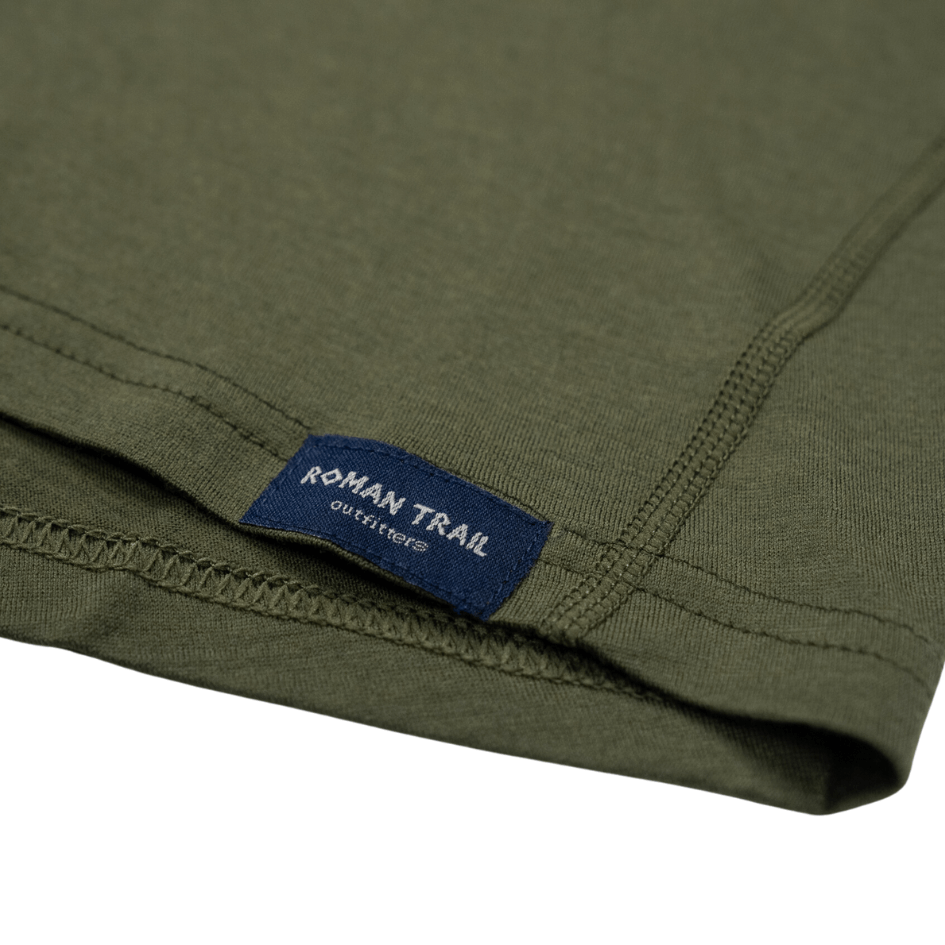
Merino Wool Women's Long Sleeve Top | Crew Neck Shirt | Deep Olive