Uganda Travel Guide for Women: Everything You Need to Know

Uganda solves a problem most African safari planning runs into eventually: how to see genuinely different ecosystems and wildlife experiences without weeks of travel time between them. Winston Churchill called it the Pearl of Africa, and within a country roughly the size of the United Kingdom, Uganda packs mountain gorilla trekking, chimpanzee tracking, savanna safari with tree-climbing lions, and the world's most powerful waterfall into distances that a single well-planned itinerary can genuinely cover.
Disclosure: This post contains affiliate links. If you buy through them, Roman Trail earns a small commission at no extra cost to you.
This guide is for women planning a trip built around that density: standing seven meters from a wild mountain gorilla family in Bwindi's misty forest, spending a full day tracking habituated chimpanzees in Kibale, watching lions rest in fig tree branches in Queen Elizabeth National Park, or simply wanting an honest read on gorilla permit logistics, safety, and what dry season versus wet season actually means for a trekking-heavy itinerary before booking.
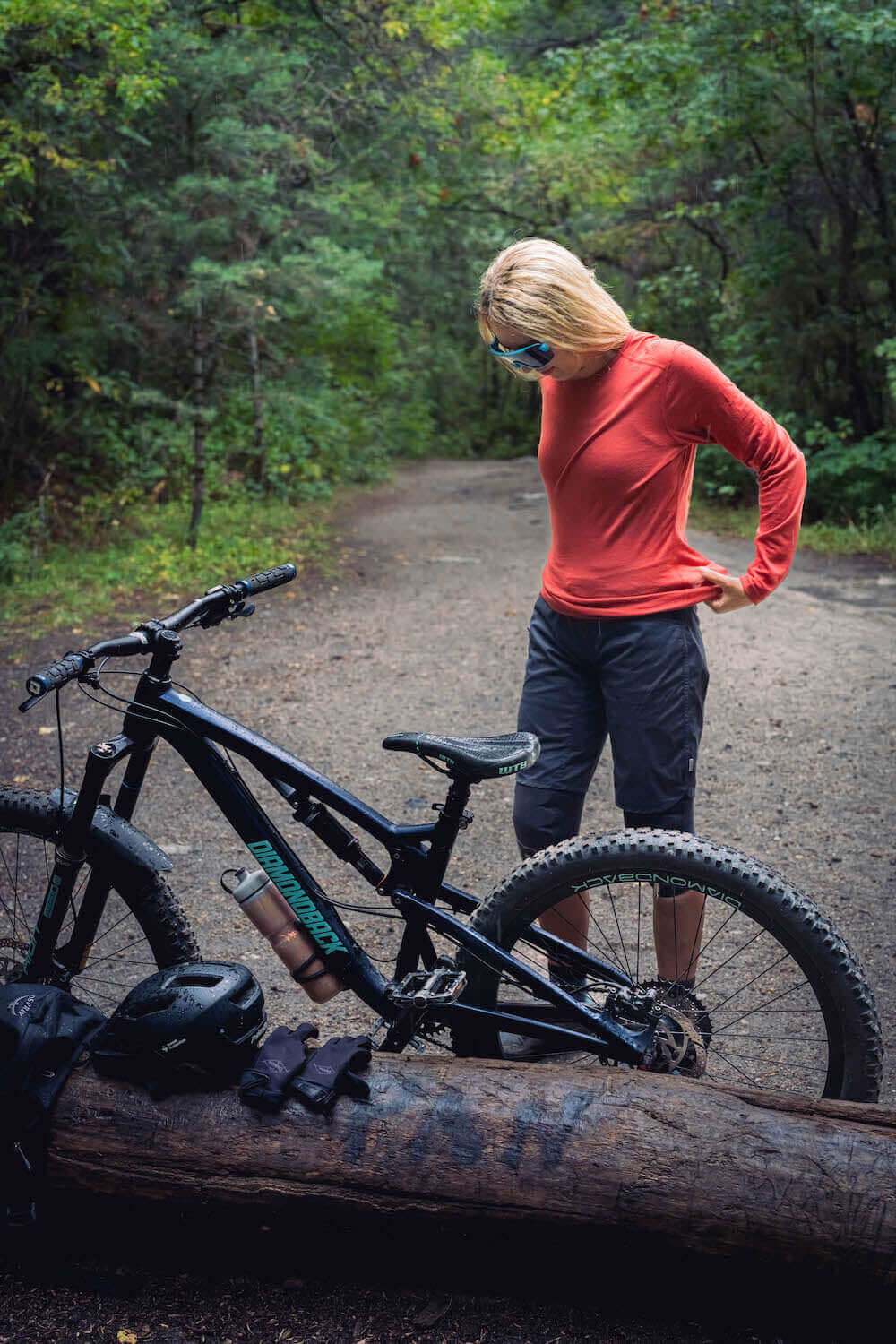
The packing challenge in Uganda centers on forest trekking discipline: gorilla and chimpanzee tracking both require dark neutral colors, full coverage regardless of temperature, and genuine waterproofing, since the forest drips even on technically dry days. A merino base layer in the right colors, real broken-in boots, and a rain shell that will not fail you on a six-hour trek solve most of it.
Is Uganda Safe for Women Travelers
Uganda is generally safe for solo women travelers specifically within the structured wildlife tourism context that defines how most visitors actually experience the country, and that context matters more here than in almost any other destination in this guide.
The national parks, gorilla and chimpanzee trekking routes, and safari lodges are consistently safe environments, run with professional guides and armed park rangers accompanying every forest trek as standard practice, not an upgrade. The vast majority of a typical Uganda itinerary happens inside this well-supervised tourism infrastructure, which meaningfully reduces the independent-travel risks that apply more directly in destinations built around solo urban exploration.
Kampala and Entebbe warrant standard capital-city awareness: use hotel-arranged or app-based transport after dark, and keep valuables secured in crowded markets and bus parks, where petty theft is the most realistic concern. Uganda has experienced occasional localized civil unrest and political tension in specific regions over the years, so check current advisories for your actual planned regions, the southwest gorilla and chimpanzee circuit, Queen Elizabeth, and Murchison Falls, rather than relying on a general country-level impression that may reflect conditions in areas nowhere near your itinerary.
Best Time to Visit Uganda: Dual Dry Seasons and Trekking Conditions
Uganda's equatorial position gives it two dry seasons rather than one, and understanding both is the key to planning gorilla and chimpanzee trekking around genuinely better trail conditions rather than guessing.
The main dry season, June through August, is the most popular window and offers the most reliable trail conditions for the Bwindi and Kibale forest treks, along with the best general safari viewing in Queen Elizabeth and Murchison Falls. The short dry season, December through February, is Uganda's second-best window, with similarly favorable trekking conditions and noticeably fewer visitors than the June to August peak.
Here is the honest picture on the rainy seasons that some tourism content glosses over: the main rains, March through May, and the short rains, October through November, bring heavy rainfall that makes forest trails genuinely muddy and more physically demanding, particularly the steeper Bwindi sectors. This does not prevent gorilla or chimpanzee trekking, permits remain valid and treks proceed in the rain, but it changes the character of the experience. The upside is real: the forest is at its most lush and atmospheric, trails are less crowded, and permit prices are occasionally discounted during the low season.
Temperatures across Uganda's lowlands stay remarkably stable year-round at 25 to 29 degrees Celsius, since equatorial location matters more than season for daytime heat. Bwindi's forest at 2,200 meters is the exception, running from 7 to 20 degrees Celsius with genuinely cold pre-dawn starts regardless of which dry season you choose.
Top Regions in Uganda and What Each One Requires
Bwindi Impenetrable National Park
Bwindi holds roughly half the world's remaining mountain gorillas, approximately 460 individuals, in an ancient montane rainforest that is both a UNESCO World Heritage site and one of Africa's most biodiverse ecosystems. Trekking departs from one of four sectors, Buhoma, Ruhija, Rushaga, or Nkuringo, and involves anywhere from 30 minutes to six hours of forest hiking to reach a habituated gorilla family, followed by exactly one hour with them. At $700 per permit, Bwindi offers the same category of experience as Rwanda's gorilla trekking at less than half the cost. Pack for cold, wet, physically demanding forest terrain regardless of season.
Kibale National Park
Kibale holds the highest density of primates anywhere in Africa, 13 species including East Africa's largest chimpanzee population, in a tropical rainforest that contrasts sharply with Bwindi's cooler highland character. Standard chimpanzee tracking runs two to three hours of trekking followed by one hour with a habituated community; the chimpanzee habituation experience extends that to a full day observing a community wake, feed, travel, and interact. Pack for heat and humidity here rather than cold, though the same dark neutral color and full-coverage rules apply.
Queen Elizabeth National Park
Queen Elizabeth is Uganda's most ecologically varied safari destination, anchored by the Ishasha sector's famous tree-climbing lions, a population that rests in the branches of giant fig trees in behavior found almost nowhere else in Africa. The Kazinga Channel connecting Lake Edward and Lake George offers boat-based wildlife viewing, hippo, crocodile, buffalo, and elephant, from the water. The park suffered significant poaching pressure in past decades but has recovered substantially. Pack standard safari gear here; the strict dark-color trekking rules are specific to the gorilla and chimpanzee forests, not the open-vehicle game drives.
Murchison Falls National Park
Uganda's largest protected area centers on the Nile River being forced through a 7-meter gap in the Rift Valley escarpment, creating the most powerful waterfall on earth by volume through a single point, viewable both from above and by boat at its base. The northern game circuit holds the park's highest wildlife concentration, including the rare Rothschild giraffe alongside elephant, lion, and buffalo. This is Uganda's most classic open-savanna safari experience and pairs naturally with a Nile boat safari.
Entebbe and Lake Victoria
Entebbe, not Kampala, is where nearly every Uganda trip actually begins and ends, since the international airport sits here rather than in the capital, and it is worth treating as more than a transit point. Lake Victoria, the largest lake in Africa by surface area and the primary source of the Nile, laps the town's shoreline, and boat trips to the Ssese Islands or simple fishing village visits make an easy, low-key first or last day that eases the transition into or out of the trekking-heavy parts of an itinerary. The Uganda Wildlife Education Centre in Entebbe, essentially a conservation-focused zoo, offers a useful primer on species you will encounter in the parks, including a chance to see forest wildlife up close for anyone whose itinerary does not include Kibale or Bwindi. Pack light and casual here; this is the one part of a Uganda itinerary with no color rules or trekking gear required.
What to Pack for Uganda: Women's Packing List
Uganda's packing list is built around one non-negotiable rule: gorilla and chimpanzee trekking both require dark neutral colors, no bright shades, no blue, plus full-length sleeves and pants regardless of temperature, since the coverage protects against both vegetation and disease transmission risk between humans and habituated primates.
Base layers
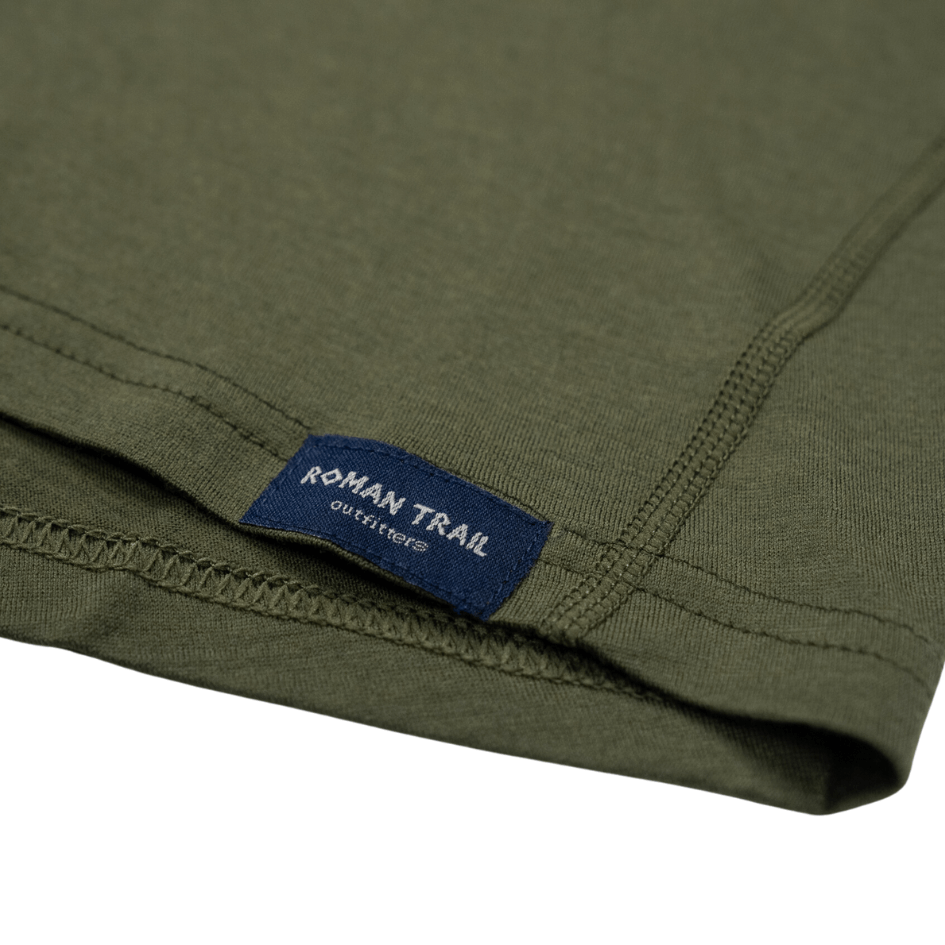
Two Roman Trail Women's Merino Wool Base Layers ($49-59) in dark neutral colors. In Bwindi's cold pre-dawn forest starts at 2,200 meters, merino provides genuine warmth; in Kibale's hot tropical forest, it manages heat and humidity through sustained trekking far better than cotton, and it stays fresh across multiple days when remote lodge laundry access is limited.
Mid layer and rain shell
A dark neutral fleece such as the Columbia Women's Fast Trek II Jacket ($65) covers Bwindi's temperature range, and for the coldest forest mornings, the Columbia insulated hooded jacket ($279) adds real warmth under a rain shell. The Marmot Women's PreCip Eco Rain Jacket ($110), also in a dark neutral color, is non-negotiable: both trekking forests receive rain year-round, and vegetation drips constantly even on nominally dry days.
Footwear
The Merrell Women's Moab 3 Waterproof Hiking Boot ($140) is essential, not optional, for Uganda's gorilla and chimpanzee trekking. Bwindi's trails involve steep muddy slopes, root crossings, and bamboo thicket navigation where ankle support and waterproofing genuinely matter; break them in thoroughly before departure rather than testing new boots on trek day.
Trekking-specific and health items
Lightweight gloves for handling vegetation on steep Bwindi sections, gaiters for consistently muddy trail conditions, Sawyer Permethrin clothing treatment applied before departure, a standard DEET skin repellent, your prescribed malaria prophylaxis, and your yellow fever vaccination certificate, required for entry.
The full breakdown by category, including exact quantities, is in the Uganda packing list for women.
Shop Roman Trail's merino wool base layers, available in eight colors with free two-day shipping and a two-year satisfaction guarantee.
Getting Around Uganda: Domestic Flights, Private Vehicles, and Organized Safari
Domestic flights connect Entebbe to small airstrips near Bwindi, Kibale, Queen Elizabeth, and Murchison Falls, and given road travel times of six to eight hours between some of these regions, flying is standard practice for itineraries covering multiple parks in a limited timeframe. Aerolink and other domestic operators run scheduled routes specifically built around the safari and trekking circuit.
Private vehicle with driver-guide is the most common way independent travelers move overland between parks, combining transport with informal wildlife spotting along rural roads and flexibility to stop at viewpoints, markets, and community sites. Most tour operators bundle this into a package itinerary rather than treating it as a separate booking.
Organized safari and trekking packages handle the logistics for gorilla and chimpanzee permits, park entry, ranger coordination, and lodge bookings as a unit, and this is genuinely the standard way to experience Uganda's marquee wildlife encounters rather than an optional convenience. Independent, self-arranged gorilla trekking without an operator is uncommon and not recommended given the permit booking system and remote lodge logistics involved.
Self-driving is possible on the main routes but demands real comfort with African road conditions, and most first-time visitors are better served by a private driver-guide who also adds wildlife-spotting expertise a rental car cannot.
Costs: What to Budget for Uganda
Uganda's overall costs sit in the moderate range for this guide, but gorilla and chimpanzee permits are a significant fixed cost that shapes the budget of any serious wildlife itinerary here more than accommodation or food ever will.
A gorilla trekking permit costs $700 per person for a one-hour encounter, booked through the Uganda Wildlife Authority, and a chimpanzee tracking permit costs $250 per person; both should be booked three to six months ahead for dry-season dates. Beyond permits, budget travelers using guesthouses and public transport where feasible spend $40 to $70 per day. Mid-range travel, comfortable lodges, a private driver-guide, and standard trekking permits included, runs $150 to $280 per day averaged across a full itinerary. Luxury travel with top-tier safari lodges throughout starts around $350 per day before permits.
Accommodation ranges from $20 to $40 per night for a simple guesthouse to $150 to $400 per night for a well-appointed safari lodge near Bwindi or Queen Elizabeth, with premium gorilla-trekking lodges commanding the highest rates in the country given their remote, high-demand locations. A restaurant meal runs $5 to $15 per person outside lodge dining, which is typically included in package rates.
The currency is the Ugandan shilling, and cash remains important outside major hotels and lodges, particularly for tips, local markets, and smaller establishments. ATMs are reliable in Kampala and Entebbe and less consistent near the remote national parks, so withdraw before heading into the trekking regions. Tipping guides, rangers, and porters $10 to $20 per person per day for trekking activities is standard practice and forms a meaningful part of local guide income.
Where to Stay in Uganda: Bwindi, Kibale, Queen Elizabeth, and Murchison Falls
Near Bwindi, lodges cluster around each of the four trekking sectors, Buhoma, Ruhija, Rushaga, and Nkuringo, and choosing accommodation near your assigned trekking sector rather than the park generally matters, since sectors can be a significant drive apart; confirm your permit sector before booking a lodge.
Near Kibale, Fort Portal and the immediate park periphery offer a range of options from budget guesthouses to comfortable mid-range lodges, generally more affordable than the premium Bwindi gorilla lodges given Kibale's lower permit cost and shorter typical stay.
In Queen Elizabeth National Park, lodges along the Kazinga Channel offer the advantage of wildlife viewing directly from the property, while options near the Ishasha sector cater specifically to visitors prioritizing the tree-climbing lions.
Near Murchison Falls, lodges on the Nile's northern and southern banks both offer boat access to the falls, with northern bank properties generally closer to the main game-viewing circuit.
Book gorilla and chimpanzee trekking lodges well in advance, ideally alongside your permit booking, since the best-located properties near each trekking sector sell out for peak dry-season dates months ahead. Book through an established Uganda-specialist tour operator rather than piecing together independent lodge bookings, given how tightly trekking logistics, permits, and accommodation are interconnected here.
Conservation Etiquette for Gorilla and Chimpanzee Encounters
Uganda's gorilla and chimpanzee trekking programs exist within a genuinely fragile conservation context, and the rules that govern encounters are not bureaucratic formality; they protect both endangered great apes and the long-term viability of the tourism revenue that funds their conservation.
The seven-meter distance rule applies at all times during gorilla encounters and exists specifically to prevent disease transmission between humans and gorillas, who share close to 98 percent of human DNA and can contract human respiratory illnesses with serious consequences for small, already-endangered populations. Rangers enforce this distance, and it is not negotiable regardless of how close a gorilla happens to move on its own.
Anyone with a cold, flu, or other communicable illness should not trek, and reputable operators will screen for this before departure; disclosing symptoms honestly, even at the cost of a missed trek, is a genuine conservation responsibility rather than an inconvenience to work around.
No flash photography is permitted during gorilla or chimpanzee encounters, since it can startle or distress the animals; bring a camera capable of good low-light performance rather than relying on flash, and expect forest lighting conditions to be genuinely challenging for photography.
The one-hour limit on gorilla encounters is strictly enforced and exists to minimize stress on habituated families from repeated daily human contact. Move quietly, follow your guide's instructions on positioning and movement without exception, and resist the urge to approach for a better photo; the guides position the group specifically to balance visibility with the family's comfort.
Tipping rangers, trackers, and guides directly and generously, beyond any service charge already included in your permit or lodge package, is both customary and a meaningful direct contribution to the local conservation economy that gives communities a genuine economic stake in protecting these forests rather than viewing them as an obstacle to development.
Food and Local Life in Uganda
Uganda's food culture centers on matoke, steamed and mashed green banana that functions as the country's staple starch much the way rice or potatoes do elsewhere, typically served alongside a groundnut, beef, or fish stew. Rolex, despite the name having nothing to do with the watch brand, is Uganda's iconic street food: a chapati rolled around an omelet with tomato, onion, and cabbage, cooked to order at roadside stands throughout Kampala and Entebbe and genuinely worth seeking out rather than avoiding as street food caution might otherwise suggest. Ugandan coffee, grown in the same highland regions bordering the Rwenzori Mountains that produce much of East Africa's specialty coffee, has grown into a genuine export and cafe culture in its own right, distinct from but comparable to Ethiopia's more famous coffee tradition.
Beyond the national parks, Uganda's small size and dense road network mean that rural life, tea plantations near Fort Portal, fishing communities along Lake Victoria and the Kazinga Channel, and market towns between the major parks, is visible from the roadside on nearly every overland transfer, giving even a wildlife-focused itinerary genuine exposure to how most Ugandans actually live day to day.
Essential Resources for Women in Uganda
Emergency numbers: Police 999, Ambulance 999
US Embassy in Kampala: 1577 Ggaba Road, Kampala, +256 414 306 001, ug.usembassy.gov
Official health authority: Ministry of Health of Uganda, health.go.ug
US State Department travel advisory: travel.state.gov Uganda advisory
UK FCDO travel advice: gov.uk Uganda travel advice
Official tourism authority: Uganda Tourism Board, visituganda.com
Solo women safety assessment: Uganda is generally safe for solo women travelers specifically within the structured wildlife tourism context that defines most visitors' actual experience of the country. Gorilla and chimpanzee trekking, safari lodges, and the national parks themselves are consistently safe, professionally guided environments with armed ranger escorts on every forest trek. Kampala and Entebbe call for standard capital-city awareness: hotel-arranged or app-based transport after dark, and secured valuables in crowded markets and bus parks. Uganda has experienced occasional localized political tension in specific regions, so check current advisories for your actual planned areas, the southwest trekking circuit, Queen Elizabeth, and Murchison Falls, rather than a general country-level read. Most Uganda itineraries run almost entirely through well-established lodges and tour operators, which meaningfully reduces the independent-travel risks more relevant elsewhere in this guide.
Whatever forest or savanna you are packing for, a freezing Bwindi dawn, a humid Kibale afternoon, or a Queen Elizabeth game drive, Roman Trail's 100% merino wool base layers handle Uganda's climate range and trekking color rules without the bulk of a bigger wardrobe. Free two-day shipping and a two-year satisfaction guarantee on every order.
For the full category-by-category packing breakdown, read the Uganda packing list for women. For more destinations, browse the Roman Trail travel hub, and for the science behind why merino outperforms cotton and synthetics across forest and safari conditions, see the merino wool base layer guide.
Destination Guides for Uganda
Uganda is an equatorial country at altitude, which is why it is far milder than people expect: Kampala and Jinja both sit around 1,200 metres and run about 17°C to 28°C in every month, with two rainy seasons from roughly March to May and September to November when afternoon storms are torrential and brief. Bwindi, in the far south west, is montane rainforest between 1,160 and 2,600 metres and is genuinely cold at dawn. Three things apply everywhere. A yellow fever certificate is required to enter. Malaria is present throughout, including in the capital, so prophylaxis and bite avoidance are both necessary. And boda boda motorcycle taxis, which are how the country moves, are the single largest cause of serious injury to visitors: take a car. On gorilla trekking, permits are issued by the Uganda Wildlife Authority, cost several hundred dollars, are limited to eight visitors per family per day and sell out months ahead, and your accommodation must match your permit's sector. Two pieces of FCDO advice should be read rather than skimmed. No area of Uganda is advised against, and the Allied Democratic Forces, a militant group with links to Daesh, may target tourists and foreign nationals near the border with the Democratic Republic of the Congo, where there have been several attacks in western Uganda; it is routine practice for security personnel to accompany gorilla trekking groups in that area, and some operators cross into the DRC, which the FCDO says to avoid and which would likely void your insurance. Separately, following the January 2026 elections the FCDO records that political events have led to protests and violence including fatalities, with internet disruption, and that rallies can happen anywhere without warning. One legal matter to know before booking: same-sex sexual activity is illegal and the Anti-Homosexuality Act 2023 introduced long prison sentences. These guides cover the country and its three main destinations.
- Uganda packing list for women for a trip across the country.
- Kampala packing list for women for the capital, the Kasubi Tombs and the boda boda problem.
- Jinja packing list for women for the source of the Nile and grade five rafting.
- Bwindi packing list for women for gorilla trekking, the permits and the border advice in full.
If the outer journey is calling you, the inner one usually is too. Explore SoulMap at romantrail.com/blogs/soulmap.
Blog posts
View all-

Packing List for Incheon: What Women Should Bring
What to pack for Incheon. South Korea's port and gateway city, with a built-from-nothing smart district, the country's only Chinatown, and a nine-metre tide.
Packing List for Incheon: What Women Should Bring
What to pack for Incheon. South Korea's port and gateway city, with a built-from-nothing smart district, the country's only Chinatown, and a nine-metre tide.
-

Packing List for Huacachina: What Women Should ...
What to pack for Huacachina. A desert oasis in southern Peru ringed by enormous dunes, where the buggy ride is the whole point and the FCDO names it by name.
Packing List for Huacachina: What Women Should ...
What to pack for Huacachina. A desert oasis in southern Peru ringed by enormous dunes, where the buggy ride is the whole point and the FCDO names it by name.
-

Packing List for Ollantaytambo: What Women Shou...
What to pack for Ollantaytambo. A living Inca town in Peru's Sacred Valley, the railhead for Machu Picchu, and the right place to sleep off the altitude.
Packing List for Ollantaytambo: What Women Shou...
What to pack for Ollantaytambo. A living Inca town in Peru's Sacred Valley, the railhead for Machu Picchu, and the right place to sleep off the altitude.


Contact form

Roman Trail Outfitters
Merino Wool Women's Long Sleeve Top | Crew Neck Shirt | Deep Olive