Taipei Travel Guide for Women: Everything You Need to Know

Taipei is Asia's most underrated capital, a city that consistently exceeds the expectations of visitors who arrive without strong preconceptions, quietly overshadowed in most travel planning by Tokyo, Seoul, and Bangkok despite matching or exceeding all three on food, safety, and ease of navigation. The Taiwanese capital combines Chinese cultural depth, Japanese organizational precision left over from 50 years of colonial administration, and genuine democratic freedom into a society of extraordinary everyday quality of life, one that consistently surprises first-time visitors who arrive expecting a smaller, quieter version of Tokyo or Hong Kong and instead find something genuinely distinct.
Disclosure: This post contains affiliate links. If you buy through them, Roman Trail earns a small commission at no extra cost to you.
This guide covers everything a woman traveler needs to plan a real Taipei trip: the four-season climate including an honest typhoon season warning, a full neighborhood breakdown, a genuine night market guide, Jiufen and Taroko Gorge day trip guides, getting around by MRT and EasyCard, where to stay, safety, and what to pack for a city that rewards genuine, unhurried exploring far more than a rushed checklist itinerary.
Is Taipei Safe for Women Travelers
Taipei is one of the safest capital cities anywhere in Asia, and this is not an exaggerated marketing claim; the city consistently ranks among the safest major cities in the world in independent global surveys, with extraordinarily low violent crime rates and a level of public order that makes solo travel here genuinely comfortable at nearly any hour. Women travel Taipei alone routinely, walking city streets, riding the MRT late at night, and exploring night markets without the kind of specific safety planning that other major Asian capitals sometimes require.
Standard precautions still apply, since no destination is entirely without risk: keeping valuables secure in crowded night markets, staying aware in Ximending's busiest nightlife hours, and using licensed taxis or the MRT rather than unmarked vehicles. But these are genuinely minor considerations relative to most world capitals, and Taipei's reputation as one of the most comfortable solo travel destinations in Asia is, on the whole, well earned.
Understanding Taipei's Four Seasons
Taipei has a genuine subtropical climate with four distinguishable seasons, unlike the more uniformly tropical destinations elsewhere in Southeast Asia. Summer, from June through September, is hot and humid, with temperatures from 30 to 35 degrees Celsius, and it coincides directly with typhoon season: Taiwan sits squarely in the Pacific typhoon track, and several significant storms make landfall or pass close enough to disrupt travel plans each year. Checking storm forecasts before and during a summer visit, and building flexibility into an itinerary rather than a tightly packed schedule with no buffer days, is genuinely worth doing during this window.
Autumn, from October through November, is Taipei's most pleasant season, with comfortable temperatures from 20 to 28 degrees and reliably clear skies, making it the best overall window for a first visit. Winter, from December through February, is mild but genuinely cooler and wetter than most visitors expect from a subtropical Asian capital, with temperatures from 12 to 18 degrees and frequent drizzle driven by the northeast monsoon; a real mid layer and rain protection are not optional during this season despite Taipei's latitude. Spring, from March through May, is warm and pleasant, with wildflowers blooming in the mountains surrounding the city.
Taipei's Neighborhoods
Xinyi District, home to Taipei 101 and the city's most upscale shopping malls, restaurants, and nightlife, is Taipei's modern commercial center and a natural first-visit base given its concentration of major sights and excellent MRT connectivity. Ximending, Taipei's youth fashion and street culture district, has a distinctly different energy, closer in feel to Tokyo's Harajuku, with independent boutiques, street performers, and a dense concentration of affordable eateries. Da'an District, home to the National Taiwan University area, offers a quieter, more residential character with excellent independent coffee shops and a genuinely local atmosphere just a short MRT ride from the busier districts. Datong, Taipei's historic old town, holds the Dihua Street traditional market and some of the city's oldest temples, rewarding visitors interested in Taipei's pre-modern history alongside its contemporary energy.
Taipei's Night Market Guide
Shilin Night Market, Taipei's largest and most famous, operates nightly from around 5pm until midnight in a sprawling covered and open-air complex near the Jiantan MRT station, with hundreds of stalls serving everything from oyster omelets and stinky tofu to bubble tea and grilled skewers. It is genuinely the finest single introduction to Taiwanese street food available anywhere in the country, and the sheer density of stalls means a first visit rewards wandering without a fixed plan rather than seeking out any single specific dish.
Night market etiquette follows consistent norms across Shilin and Taipei's other major markets: order directly at each stall, pay immediately, and eat standing up or at shared communal tables rather than expecting table service. Cash remains the most reliable payment method at smaller stalls, though an EasyCard, already useful for the MRT, increasingly works at a growing number of vendors too. Trying a small portion from several stalls rather than committing to a full meal at one is both the normal local approach and the more genuinely rewarding way to experience a market this large, and arriving with a real appetite rather than having eaten beforehand is the entire point of a proper night market visit.
Jiufen Day Trip Guide
Jiufen, the hillside former gold rush village 40 kilometers northeast of Taipei that inspired the spirit world town in Spirited Away, has become one of Taiwan's most visited single attractions, its narrow stone-step streets lined with lantern-lit teahouses overlooking the Pacific. The main Shuqi Road staircase, genuinely atmospheric with its red lanterns and covered walkways, is also genuinely crowded during afternoon and early evening hours when day-tripper buses from Taipei arrive in force.
Visiting early in the morning, or staying overnight specifically to experience the village after the day-trip crowds thin out, when the lanterns glow against a quieter, often mist-wrapped hillside, rewards the extra planning considerably and produces the atmospheric photographs Jiufen is famous for without fighting through crowds to get them. Comfortable, closed-toe shoes with real grip matter here given the steep, uneven, occasionally slick stone steps, particularly during Taipei's frequent drizzle. Jiufen is reachable by bus or train to Ruifang followed by a short bus connection, or more simply through an organized day tour that typically bundles it with a stop at the nearby Shifen waterfall or the Pingxi sky lantern release.
Taroko Gorge Day Trip Guide
Taroko Gorge, roughly 170 kilometers south of Taipei on Taiwan's east coast, is the most extraordinary road journey in the country, with the Central Cross-Island Highway cutting directly through sheer marble canyon walls rising up to 1,000 meters above the Liwu River. The gorge is reached by train from Taipei to Hualien, roughly two to two and a half hours, followed by a bus or organized tour into the gorge itself, and given the total travel time involved, an overnight trip is generally a considerably more comfortable option than a rushed single-day excursion from Taipei.
Trail options within the gorge range from short, paved, wheelchair-accessible walkways suitable for any visitor to genuinely demanding hikes requiring advance permits and real fitness. Checking current trail conditions before arrival is worth doing specifically, since sections periodically close following earthquakes or landslides, both a real and recurring risk in this seismically active, mountainous part of eastern Taiwan. The Eternal Spring Shrine and the Swallow Grotto trail are among the most accessible, most rewarding short walks for visitors without the time or permits for the gorge's longer routes.
Getting Around Taipei
The Taipei MRT, clean, punctual, and genuinely easy to navigate even without any Mandarin, is the standard way to move around the city, with clear English signage throughout every station and train. An EasyCard, purchasable at any station, works seamlessly across the MRT, city buses, YouBike bicycle rentals, and even convenience store purchases throughout Taiwan, making it one of the more genuinely useful pieces of a Taipei visitor's daily toolkit. For reaching Jiufen or Taroko Gorge, a train or bus connection or a booked day tour is the practical option, since neither destination sits directly on the MRT network itself.
Where to Stay in Taipei
Xinyi District offers the most convenient base for a first visit, with Taipei 101, major shopping malls, and excellent MRT connectivity all within easy reach, at a moderate price premium reflecting the district's modern, upscale character. Ximending offers a genuinely different, more youthful and more budget-friendly base, with a strong concentration of hostels and boutique hotels amid the district's street fashion and nightlife scene. Da'an District, quieter and more residential, suits visitors who want an easy MRT connection to the main sights without staying directly in the busiest commercial districts, and it offers some of the city's best independent coffee shops as a genuine neighborhood amenity.
Browse the Roman Trail women's merino base layer collection, the foundation layer for Taipei's genuine four-season climate variation, available in eight colors with free two-day shipping and a two-year satisfaction guarantee.
What Taipei Costs
Taipei offers excellent value relative to Western capitals. A comfortable mid-range hotel runs roughly $50 to $100 per night, with Ximending generally running somewhat lower than Xinyi District for a comparable standard of room. A casual meal, a bowl of beef noodle soup or a night market spread covering several stalls, runs $3 to $8, genuinely extraordinary value for the quality and variety on offer. A single MRT fare costs a small fraction of a dollar, and Taipei 101's observation deck admission is modest by international standards. A full-day Taroko Gorge or Jiufen tour, including transport, runs a reasonable price for a full day covering either destination's highlights, and booking directly through a local operator rather than a hotel concierge markup often produces a meaningfully better rate for an identical itinerary.
Taipei's Food Culture Beyond the Night Markets
Beef noodle soup, Taipei's genuine signature dish, exists in countless local variations across the city, from humble neighborhood shops that have served the same recipe for decades to more polished sit-down restaurants, and seeking out a specific, well-reviewed local shop rather than a tourist-oriented chain generally produces the most memorable bowl. Xiaolongbao, the soup-filled dumplings most famously associated with Din Tai Fung, originated in Shanghai but have been refined to a genuine art form in Taipei, and the technique of eating them, a small bite first to release the broth, then the rest, is worth knowing before a first attempt. Beyond the famous chains, countless smaller, equally excellent dumpling shops throughout the city offer the same quality at a fraction of the wait time.
Taiwan's tea culture runs considerably deeper than the bubble milk tea that originated here in the 1980s and has since spread worldwide; traditional teahouses, particularly in and around Jiufen and the hillside districts, serve high-mountain oolong and other specialty teas in a genuinely contemplative, unhurried ritual worth experiencing at least once during a visit. Pineapple cake, Taipei's most popular souvenir, varies considerably in quality between vendors, and seeking out a well-regarded specialty bakery rather than the first airport gift shop encountered produces a considerably better result to bring home.
Taipei's Museums and Culture
The National Palace Museum holds the world's largest collection of Chinese imperial art and artifacts, the majority of it evacuated from Beijing's Forbidden City during the Chinese Civil War in the late 1940s and eventually relocated to Taiwan, a collection so extensive that only a small fraction is on display at any given time. The museum rewards at least half a day for visitors with a genuine interest in Chinese art history, and the Jadeite Cabbage and Meat-Shaped Stone, two of the collection's most famous individual pieces, draw dedicated crowds worth planning around if seeing them specifically matters to your visit.
Beitou Hot Springs, a short MRT ride north of the city center, offers a genuinely relaxing half-day escape built around the district's natural volcanic hot springs, both public bathhouses and private spa resorts, a distinctly Japanese-influenced tradition dating to the colonial era and still genuinely popular with Taipei residents themselves rather than existing purely for tourists. The Beitou Hot Spring Museum, housed in a beautifully restored Japanese-era bathhouse, provides genuine historical context for the district's spa culture before or after a soak of your own. Longshan Temple, in the historic Wanhua District, is Taipei's most important and most actively used Buddhist and Taoist temple, and visiting during an active worship period, rather than only as a quiet architectural stop, offers a considerably more genuine sense of how the temple actually functions in daily Taipei life.
Shopping in Taipei
Ximending, Taipei's youth fashion district, offers the city's most concentrated independent boutique shopping, with a genuine street style and streetwear culture that has made it a regional influence point for fashion trends across East Asia. Dihua Street, in the historic Datong district, offers a completely different shopping experience: traditional Chinese medicine shops, dried goods, and fabric merchants operating from buildings dating to the Qing dynasty and Japanese colonial era, especially lively in the weeks before Lunar New Year when the street fills with shoppers stocking up on traditional holiday foods.
Taiwan's night markets themselves double as informal shopping destinations alongside their food stalls, with clothing, accessories, and household goods vendors mixed throughout Shilin and the city's other major markets, and bargaining, while not universal, is reasonable to attempt at these more informal stalls specifically. For a more polished retail experience, the malls surrounding Taipei 101 in Xinyi District offer the city's full range of international luxury and contemporary fashion brands under one roof, a genuinely comfortable, air-conditioned shopping option during Taipei's hottest or wettest weather.
Language and Basic Etiquette
Mandarin Chinese is Taiwan's official language, and English proficiency, while present in Taipei's tourist-facing hotels, restaurants, and MRT signage, is considerably less universal in smaller shops and night market stalls specifically. A handful of basic Mandarin phrases go a genuine distance toward warmer interactions, particularly at night markets and with taxi drivers.
Taiwan is not a tipping culture; tipping is not expected at restaurants, taxis, or hotels, and attempting to tip can occasionally create a moment of genuine confusion rather than appreciation. Removing shoes before entering someone's home, and increasingly some smaller guesthouses and traditional restaurants, is standard practice, and following the lead of those around you at any specific location is the simplest way to navigate the variation. Taiwanese culture places real value on politeness and indirect communication, and a calm, patient demeanor, even when navigating a language barrier, is both culturally appropriate and genuinely more effective than visible frustration.
A Sample Four-Day Taipei Itinerary
Day one covers Xinyi District: Taipei 101's observation deck in the morning before crowds build, followed by an afternoon exploring the surrounding malls and a sunset hike up Elephant Mountain for the classic Taipei 101 skyline view.
Day two covers Ximending and Datong: street fashion and street culture in Ximending during the day, followed by the Dihua Street traditional market and an evening at Shilin Night Market.
Day three is a full-day Jiufen excursion, ideally combined with the nearby Shifen waterfall or Pingxi sky lantern release, timed to catch the village either early morning or in the evening once day-tripper crowds have thinned.
Day four, for visitors with the time for an overnight extension, covers Taroko Gorge: the train to Hualien in the morning, followed by an afternoon and evening exploring the gorge's most accessible trails before returning to Taipei the following day.
What to Pack for Taipei
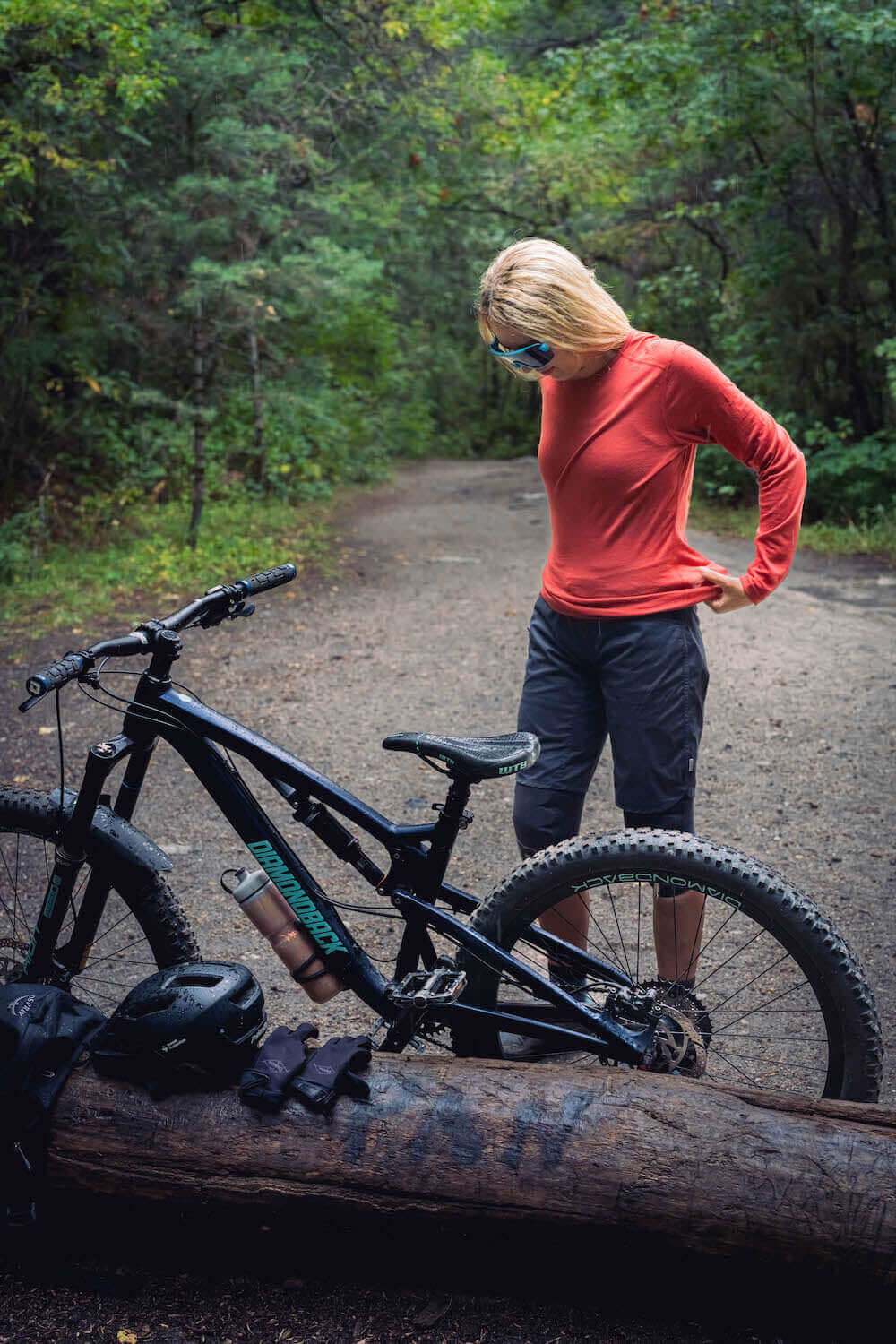
Taipei's genuine four-season climate, cooler and wetter in winter than most visitors expect from a subtropical Asian capital, hot and humid with real typhoon risk in summer, means the specific emphasis of a packing list shifts by season even though the core layering system stays consistent. The Roman Trail Women's Merino Wool Base Layer handles this variation directly, managing both winter drizzle and summer heat through the same temperature-regulating properties, while also handling the aggressive air conditioning found throughout Taipei's MRT and shopping malls, a familiar indoor-outdoor contrast for anyone who has packed for Singapore.
The Columbia Women's Fast Trek II Jacket handles Taipei's mild but genuinely cool winter and the highland cool found at Taroko Gorge, and the Marmot Women's PreCip Eco Rain Jacket is essential given both typhoon season and the near-constant possibility of winter drizzle. For footwear, the Merrell Women's Moab 3 Waterproof Hiking Boot handles Taroko Gorge's trails and Jiufen's steep stone steps, while the Darn Tough Women's Hiker Micro Crew Merino Socks handle the sustained walking either destination, or Taipei's own MRT-and-foot exploring, genuinely requires.
The complete packing breakdown, including the full clothing list and seasonal emphasis guidance, is covered in the Taipei packing list for women.
Essential Resources for Women in Taipei
Emergency numbers: 110 for police, 119 for ambulance and fire.
American Institute in Taiwan (Taipei): No. 100, Jinhu Road, Neihu District, Taipei, +886 2 2162 2000, ait.org.tw
Official tourism authority: Taiwan Tourism Administration, taiwan.net.tw
US State Department travel advisory: travel.state.gov Taiwan advisory
UK FCDO travel advice: gov.uk Taiwan travel advice
Solo women safety assessment: Taipei is one of the safest capital cities anywhere in Asia, with extraordinarily low crime and a level of public order that makes solo travel genuinely comfortable at nearly any hour. Standard precautions, securing valuables in crowded night markets and using licensed transport, address the great majority of the minimal practical risk. Solo women travelers consistently describe Taipei as one of the most relaxed, most straightforward destinations to navigate independently anywhere in the world.
Ready to plan your wardrobe for the trip? The complete Taipei packing list for women covers exactly what to bring for the city's genuine four-season climate and typhoon season risk.
You can also explore more of what to expect across the region in the Roman Trail travel packing guide, and browse the merino wool base layer guide for more on why it works so well across Taipei's full seasonal range.
Book Tours and Experiences
If the outer journey is calling you, the inner one usually is too. Explore SoulMap at romantrail.com/blogs/soulmap.
Blog posts
View all-

Packing List for Sihanoukville, Cambodia: What ...
What to pack for Sihanoukville, Cambodia: the island ferry port, the half built city, the three FCDO warnings that name it and honest advice for women travelling alone.
Packing List for Sihanoukville, Cambodia: What ...
What to pack for Sihanoukville, Cambodia: the island ferry port, the half built city, the three FCDO warnings that name it and honest advice for women travelling alone.
-

Packing List for Vang Vieng, Laos: What Women S...
What to pack for Vang Vieng, Laos: limestone towers over a river town, the caves and lagoons, the methanol warning in full and honest advice for women travelling alone.
Packing List for Vang Vieng, Laos: What Women S...
What to pack for Vang Vieng, Laos: limestone towers over a river town, the caves and lagoons, the methanol warning in full and honest advice for women travelling alone.
-

Packing List for Tagaytay, Philippines: What Wo...
What to pack for Tagaytay, Philippines: the ridge above Taal Lake, cool air an hour from Manila, and a volcano inside a lake inside a volcano.
Packing List for Tagaytay, Philippines: What Wo...
What to pack for Tagaytay, Philippines: the ridge above Taal Lake, cool air an hour from Manila, and a volcano inside a lake inside a volcano.


Contact form

Roman Trail Outfitters
Merino Wool Women's Long Sleeve Top | Crew Neck Shirt | Deep Olive