St Lucia Travel Guide for Women: Everything You Need to Know

St Lucia has the most dramatic scenery of any island in the Lesser Antilles, its twin Piton peaks, Gros Piton and Petit Piton, rising straight from the Caribbean Sea to 770 and 743 meters respectively in what is genuinely the most photographed landscape in the eastern Caribbean. The Pitons UNESCO World Heritage site includes the volcanic mass itself, the surrounding Soufriere Marine Management Area, and the sulfur springs at Sulphur Springs Park, where visitors can bathe in warm, mineral-rich pools fed directly by an active geothermal system.
Disclosure: This post contains affiliate links. If you buy through them, Roman Trail earns a small commission at no extra cost to you.
This is a trip built around dramatic landscape and genuine geological novelty rather than a purely resort-driven itinerary. Marigot Bay, sheltered by high forested hills on nearly every side, was described by author James Michener as the most beautiful bay in the Caribbean, and the description still holds up on arrival. The rainforest covering the island's interior adds real hiking, zip lining, and bird watching to a trip that most visitors otherwise plan around beaches alone, and the St Lucia parrot, found nowhere else on earth, is a genuine highlight for anyone who brings binoculars.
Women are drawn to St Lucia for exactly this combination of dramatic scenery and genuine geological character, along with beaches that rank among the clearest and most scenic in the Caribbean. The packing challenge is straightforward tropical layering with real attention to footwear, since the signature Gros Piton hike is a genuinely serious undertaking rather than a casual walk. It is also important to say plainly, because this guide is written for honest planning rather than marketing copy, that St Lucia's safety picture shifted meaningfully in mid-2026 and deserves real attention before you go, covered in full detail below.
Is St Lucia Safe for Women Travelers
St Lucia's US State Department advisory was raised to Level 2, exercise increased caution, on July 10, 2026, moving up from Level 1, exercise normal precautions. This section is written to give you the real picture rather than generic reassurance, because a destination guide aimed at women deserves exactly that.
The advisory specifically cites incidents involving American citizens and other foreign visitors who have been victims of armed robbery, assault, burglary, and rape, and notes that some Americans have been killed in connection with criminal incidents on the island. Independent safety research corroborates the underlying trend: St Lucia's homicide rate, while it declined somewhat from 2024 to 2025, remains genuinely elevated by regional standards. Notably, the updated advisory specifically states that violent incidents, including armed robbery and resort burglaries, can occur anywhere, and it explicitly notes that guests staying inside the walls of established tourist resorts have been caught up in violent crime, which means the standard Caribbean assumption that resort grounds are inherently insulated from risk does not fully hold here anymore. Police response times are also noted as slower than visitors from the United States or United Kingdom may expect.
None of this means St Lucia should be avoided, and it remains one of the most visited islands in the Caribbean, with the overwhelming majority of trips passing without incident. But it does mean the preparation should be real rather than perfunctory. Staying within well-established tourist zones, specifically Rodney Bay, Marigot Bay, and the Soufriere area around the Pitons, is genuinely worth prioritizing over more isolated accommodation options. Booking only licensed taxis, identifiable by an official taxi association sticker, rather than unlicensed vehicles, and agreeing on a fare before departure, matters more here than in many other Caribbean destinations. Avoiding solo walks after dark, even in areas that feel safe during the day, keeping valuables minimal and out of sight, and not displaying expensive jewelry are all genuinely worthwhile defaults. Confirming your accommodation's actual on-site security arrangements before booking, rather than assuming resort walls alone provide protection, is worth the extra research time given what the updated advisory specifically flags about resort-adjacent incidents.
Best Time to Visit St Lucia
St Lucia is tropical year round with a genuine dry season and wet season rather than four distinct seasons. The dry season, December through May, brings the most reliable sunshine and is the most popular window for beach-focused visits, with the clearest water for snorkeling at Anse Chastanet.
The wet season, June through November, brings more frequent rain and carries hurricane season risk across the wider Caribbean, though St Lucia's position in the southern Caribbean means it is affected by major hurricanes meaningfully less often than islands further north in the chain. Travel insurance covering trip interruption remains genuinely worth carrying during this period regardless, since tropical systems can still bring heavy rain and rough seas even without a direct hit.
The interior rainforest and the Pitons themselves see rain even in the technically dry months, given the mountainous terrain's own microclimate, so a rain layer is worth packing regardless of when you visit.
Top Regions and What Each One Requires
Castries and Rodney Bay
The capital and its neighboring resort district hold the highest concentration of hotels, restaurants, and tourism infrastructure on the island. This region requires light breathable clothing for daytime heat, comfortable walking shoes, and a slightly dressier casual option for evening dining, and functions as the most straightforward, lowest-friction base for a first-time visitor.
Soufriere and the Pitons
The dramatic volcanic south, home to the Pitons, Sulphur Springs Park, and the Soufriere Marine Management Area, requires genuine hiking boots for the Gros Piton trail, swimwear and reef-safe sunscreen for the marine reserve, and a rain layer, since this mountainous region sees more rain than the coast even in the dry season.
Marigot Bay
This sheltered natural harbor, ringed by steep forested hills, requires light, comfortable clothing for the humid, still air the surrounding hills tend to trap, along with water shoes if you plan to swim or snorkel directly from the bay's edge.
The Rainforest Interior
St Lucia's forested interior, home to zip line courses and the island's best birding, requires closed-toe waterproof shoes for muddy trail conditions, a light rain shell, and insect repellent, since the rainforest's humidity and vegetation support a genuinely more active mosquito population than the coast.
What to Pack for St Lucia: Women's Packing List
Base and Mid Layers
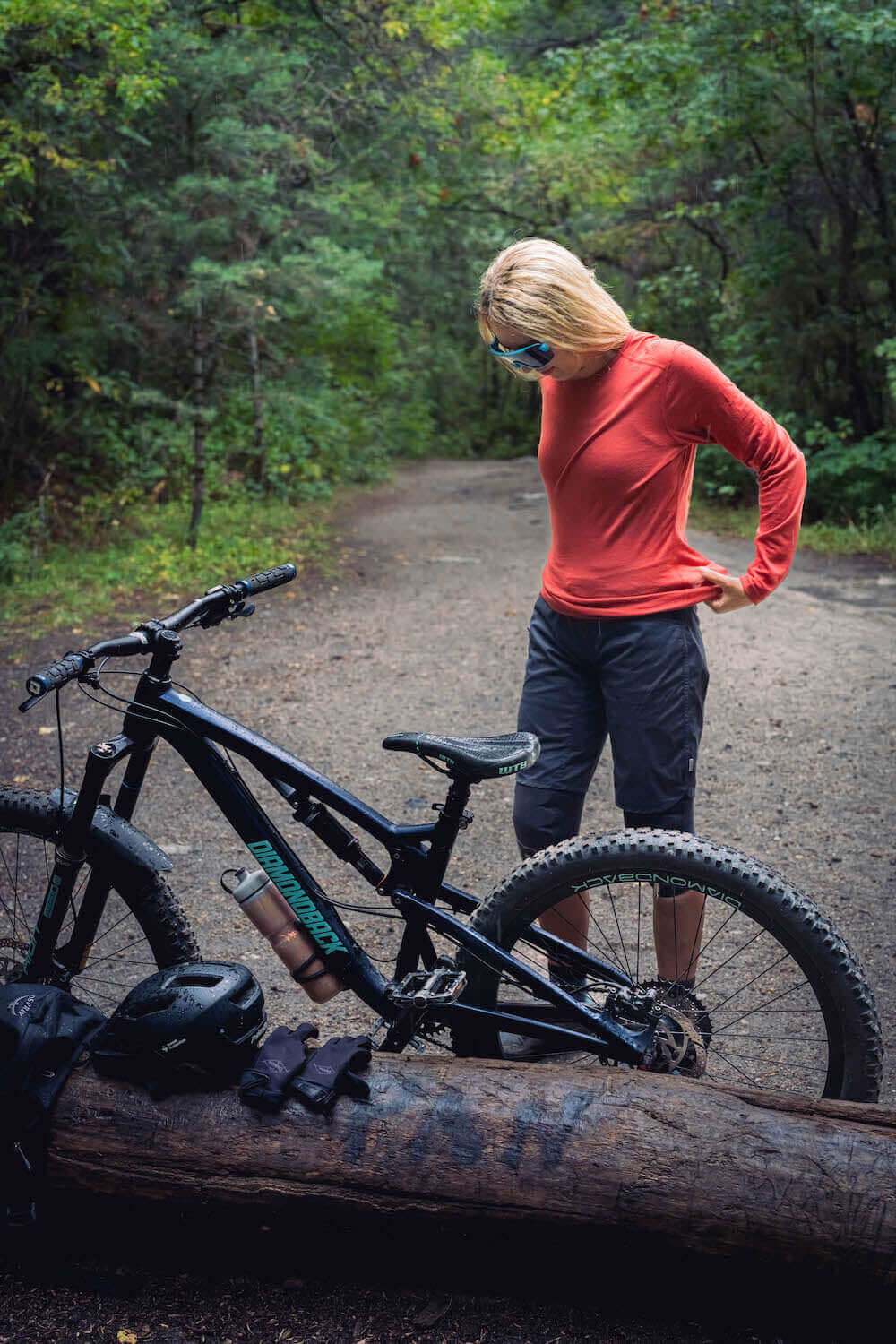
The Roman Trail Women's Merino Wool Base Layer ($49-59) handles the heat and humidity, and the genuine air conditioning contrast found in Castries and Rodney Bay's restaurants and hotels.
Outer Layers
The Marmot Women's PreCip Eco Rain Jacket ($110) covers tropical showers, frequent in the wet season and still genuinely possible even in the dry months in the mountainous interior around the Pitons.
Footwear
The Merrell Women's Moab 3 Waterproof Hiking Boot ($140) is genuinely essential for the Gros Piton trail, which is steep throughout and involves real rock scrambling near the summit, a different category of hike than a casual island walk. Comfortable sandals cover Castries and Rodney Bay, and water shoes are worth packing for Anse Chastanet's rockier entry points.
Swimwear and Water Gear
At least two swimsuits, since Anse Chastanet, Reduit Beach, and the Sulphur Springs mineral baths all involve swimming or soaking on most itineraries. A dry bag protects phones and cameras on the boat crossing to Soufriere and during zip line excursions.
Accessories and Documents
Reef-safe, mineral-based sunscreen is close to essential for snorkeling at Anse Chastanet, part of the protected Soufriere Marine Management Area, since standard chemical sunscreens damage coral directly. A wide-brim sun hat, a valid passport with at least six months validity remaining, and travel insurance covering medical evacuation, genuinely worth prioritizing given the distance from advanced medical care in more remote parts of the island, round out the essentials. US citizens do not need a visa for stays under 90 days, and the Eastern Caribbean dollar is the official currency, though US dollars are widely accepted throughout the island.
Browse the full merino collection at Roman Trail women's merino base layers, available in eight colors with free two-day shipping and a two-year satisfaction guarantee.
Getting Around St Lucia
Renting a car gives the most flexibility for reaching Soufriere, the Pitons, and the rainforest interior independently, though St Lucia's mountainous, winding roads take real getting used to, and many visitors instead rely on private drivers or organized tours for the Soufriere region specifically, given how demanding the mountain roads between Castries and Soufriere can be for an unfamiliar driver.
Local minibuses, privately operated but running along fixed routes, connect Castries, Rodney Bay, and Soufriere at a genuinely low cost, and are a common choice for budget-conscious travelers, though they can be crowded and are not the most practical option after dark. Licensed taxis, identifiable by an official taxi association sticker, are the safer and more comfortable choice for evening travel and airport transfers, particularly given the safety guidance above, and agreeing on a fare before departure, since most taxis are unmetered, is standard practice worth following consistently. A water taxi across Marigot Bay is a scenic, genuinely low-cost alternative to a longer road detour for that specific short crossing.
Costs: What to Budget for St Lucia
St Lucia runs moderately to highly priced by Caribbean standards, particularly around Soufriere and the Pitons, where resort development has pushed prices up in recent years. Budget travelers can expect to spend $70 to $100 per day, covering a guesthouse room, local eateries, and minibus transport. Mid-range travelers should budget $150 to $250 per day, covering a comfortable hotel or boutique guesthouse, restaurant meals, a rental car or private driver, and paid activities like the Gros Piton hike or a Sulphur Springs visit. Luxury travelers can expect $400 or more per day at the island's higher-end resorts near Soufriere, several of which rank among the most expensive properties in the Caribbean.
Accommodation ranges from $60 to $100 per night for budget guesthouses, $150 to $280 for mid-range hotels near Rodney Bay, and $400 and up for luxury resorts near the Pitons. Meals run $10 to $18 for a casual local meal like green fig and saltfish, $25 to $45 per person at a proper restaurant, and considerably more at the island's high-end dining spots overlooking the Pitons. The licensed Gros Piton guide fee typically runs $50 to $65 per person, and a Sulphur Springs Park visit with mud bath access runs $10 to $20. Reef and marine park fees at Anse Chastanet and the wider Soufriere Marine Management Area are typically bundled into snorkeling or dive trip costs, generally $10 to $15 per visit.
The Eastern Caribbean dollar is the official currency, pegged to the US dollar at a fixed rate, though US dollars are accepted virtually everywhere, which makes currency exchange genuinely optional for a standard trip. ATMs are widely available in Castries and Rodney Bay, somewhat less so around Soufriere. Tipping around 10 percent at restaurants is standard, and many establishments already add a service charge to the bill, worth checking before tipping again on top of it.
Where to Stay in St Lucia: Guesthouses and Hotels for Women
Given the safety picture outlined above, where you stay in St Lucia matters more than it might have a year ago, and prioritizing verified security and strong reviews from other women travelers over price or view alone is genuinely worth the extra research time. Rodney Bay holds the highest concentration of established hotels and resorts with gated grounds, on-site security staff, and 24-hour front desk coverage, and this concentration of tourism infrastructure makes it the most straightforward base for solo women and first-time visitors, with easy access to restaurants and nightlife within walking distance.
The Soufriere area, closer to the Pitons and Sulphur Springs, holds the island's most dramatic and most expensive resort properties, many built directly into the hillside with genuine Piton views, and generally maintains strong security standards given the price point, though it is worth confirming specific security arrangements directly with any smaller independent property before booking rather than assuming.
Look for accommodation with secure, monitored entry, good exterior lighting, in-room safes, and reviews that specifically mention feeling safe as a solo traveler, rather than relying on general star ratings alone. Booking.com and major international hotel platforms carry strong inventory across both Rodney Bay and Soufriere, while smaller independent guesthouses elsewhere on the island are worth vetting with extra care given the points raised in the safety section above.
The Pitons and Soufriere Marine Management Area
The Pitons themselves, Gros Piton and Petit Piton, anchor a UNESCO World Heritage site that extends beyond the mountains to include the surrounding Soufriere Marine Management Area, a protected zone covering roughly eleven kilometers of coastline established specifically to preserve the reef systems that draw snorkelers and divers to Anse Chastanet and the nearby Anse Mamin. Coral cover here has held up notably well compared to many more heavily developed parts of the Caribbean, largely a result of the marine park's genuinely enforced fishing and anchoring restrictions.
Climbing Gros Piton requires a licensed guide by law, arranged through the Gros Piton Nature Trail interpretive center in Fond Gens Libre, and the roughly three-hour ascent gains close to 800 meters of elevation over a genuinely steep, at times rope-assisted trail. Petit Piton, though shorter in absolute height, is considerably steeper and more technical, and is generally not offered as a standard tourist hike, quite unlike its more accessible sibling peak nearby. Sulphur Springs Park, often marketed as the world's only drive-in volcano, lets visitors walk directly up to an active geothermal site and then soak in warm, mineral-rich mud and water pools fed by the same volcanic system.
St Lucia Food and Drink
Green fig and saltfish, made from boiled green bananas and salted cod, is St Lucia's official national dish and worth trying at a local restaurant away from resort buffets for the most authentic version. Bakes, a fried or baked bread often served alongside saltfish or with a simple filling, is a genuine breakfast staple found at roadside stands throughout the island.
St Lucia's own cocoa production, centered around estates like Fond Doux near Soufriere, produces genuinely distinctive chocolate worth seeking out directly at the source, and several estates offer bean-to-bar tours combining the plantation setting with a genuine tasting experience. St Lucia's Friday night street party in Gros Islet, though it has toned down considerably from its earlier reputation, still offers a way to sample local food, music, and rum in a genuinely festive, communal setting, best approached in a group rather than alone given the safety guidance above about crowded evening events.
How Many Days You Need in St Lucia
Five to seven days covers the Gros Piton hike, Sulphur Springs, Marigot Bay, and beach time at Anse Chastanet or Reduit Beach without feeling rushed, and St Lucia's compact size keeps transit time between sights genuinely manageable even given the winding mountain roads around Soufriere. A shorter three to four day trip can still comfortably cover Soufriere and the Pitons area, the island's clear highlight, if that is all the time available.
Travelers with more time sometimes combine St Lucia with a short flight or ferry to a neighboring island like Martinique or St Vincent, though given the added logistics, this generally suits a second visit better than a first-time itinerary already covering the mainland highlights in full.
St Lucia Culture and History
St Lucia's history reflects a genuinely unusual colonial back-and-forth, changing hands between French and British rule fourteen times before finally settling under British control in 1814, a fact locals sometimes note with a certain dry pride, and the island's Kweyol Creole language, still spoken alongside English, is a direct legacy of that French colonial period woven through centuries of British administration. St Lucia gained full independence in 1979, and the island has since produced two Nobel laureates, economist Sir Arthur Lewis and poet Derek Walcott, a genuinely remarkable achievement for a nation of under 200,000 people.
Walcott's own connection to the island runs directly through Soufriere and the Pitons, landscapes that appear throughout his poetry, and the Derek Walcott Square in central Castries, along with a small museum dedicated to his work, offers visitors a way to connect the dramatic scenery with the literary tradition it helped inspire. Carnival, held in July rather than the pre-Lenten timing common elsewhere in the Caribbean, is St Lucia's largest cultural celebration, featuring parades, calypso and soca competitions, and elaborate costumes, and visitors traveling during this period should expect a livelier, more crowded island than usual.
Essential Resources for Women in St Lucia
Emergency numbers: Police, Fire, and Ambulance 999 or 911, both work
US Embassy covering St Lucia: US Embassy Bridgetown, Barbados, Wildey Business Park, Wildey, St. Michael, Barbados, +(246) 227-4399, bb.usembassy.gov
Official health authority: Saint Lucia Ministry of Health, Wellness and Elderly Affairs
US State Department travel advisory: travel.state.gov Saint Lucia advisory
UK FCDO travel advice: gov.uk St Lucia travel advice
Official tourism authority: Saint Lucia Tourism Authority, stlucia.org
Solo women safety assessment: St Lucia carries a Level 2 US State Department advisory as of July 2026, and the honest picture is a genuine step up in required caution from the island's longstanding image as a relaxed, resort-driven destination. Armed robbery, assault, burglary, and rape have all affected visitors, and the advisory specifically notes that violent incidents have occurred inside resort grounds as well as elsewhere on the island. Staying in established tourist areas, booking accommodations with real, verified security, using only licensed taxis, avoiding solo walks after dark, and keeping a low profile with valuables are genuinely worth treating as standard practice here. St Lucia remains one of the Caribbean's most visited islands and most trips pass without incident, but this is not a place to apply the same relaxed default you might use on a lower-risk island, and real preparation matters more here than the postcard branding might suggest at first glance.
Browse the full merino collection at Roman Trail women's merino base layers before you go, and read the Roman Trail merino wool base layer guide for more on building a merino-first travel wardrobe. For the full destination packing breakdown, see the St Lucia packing list for women, and browse the Roman Trail travel packing guide for more destinations.
If the outer journey is calling you, the inner one usually is too. Explore SoulMap at romantrail.com/blogs/soulmap.
Blog posts
View all-

Packing List for Incheon: What Women Should Bring
What to pack for Incheon. South Korea's port and gateway city, with a built-from-nothing smart district, the country's only Chinatown, and a nine-metre tide.
Packing List for Incheon: What Women Should Bring
What to pack for Incheon. South Korea's port and gateway city, with a built-from-nothing smart district, the country's only Chinatown, and a nine-metre tide.
-

Packing List for Huacachina: What Women Should ...
What to pack for Huacachina. A desert oasis in southern Peru ringed by enormous dunes, where the buggy ride is the whole point and the FCDO names it by name.
Packing List for Huacachina: What Women Should ...
What to pack for Huacachina. A desert oasis in southern Peru ringed by enormous dunes, where the buggy ride is the whole point and the FCDO names it by name.
-

Packing List for Ollantaytambo: What Women Shou...
What to pack for Ollantaytambo. A living Inca town in Peru's Sacred Valley, the railhead for Machu Picchu, and the right place to sleep off the altitude.
Packing List for Ollantaytambo: What Women Shou...
What to pack for Ollantaytambo. A living Inca town in Peru's Sacred Valley, the railhead for Machu Picchu, and the right place to sleep off the altitude.


Contact form

Roman Trail Outfitters
Merino Wool Women's Long Sleeve Top | Crew Neck Shirt | Deep Olive