Slovakia Travel Guide for Women

Slovakia is the country most people pass through. It sits in the middle of everything, with Austria, Hungary, Poland, Ukraine and the Czech Republic on its borders, and the result is that millions of visitors cross it on the way somewhere else and a very small number stop. Five and a half million people live here. The capital is an hour from Vienna. And the mountains in the first photograph, the VYSOKE TATRY, are the smallest alpine range on earth, about twenty five kilometres end to end, with peaks over two and a half thousand metres and a national park on both sides of the Polish border.
Disclosure: This post contains affiliate links. If you buy through them, Roman Trail earns a small commission at no extra cost to you.
WHAT MAKES IT WORTH STOPPING FOR IS THE RATIO. Slovakia has the alpine walking of Austria at Polish prices, more castles per head than almost anywhere in Europe, nine UNESCO World Heritage inscriptions including a cave system and a set of wooden churches, and a tourist infrastructure built for Slovaks and Czechs rather than for an international market. That last point is the honest double-edge of travelling here: the prices and the emptiness are the upside, and the downside is that signage, websites and reservation systems often assume you read Slovak, and that outside Bratislava and the main resorts English thins out quickly.
THE COUNTRY DIVIDES CLEANLY INTO THREE AND THE TRANSPORT FOLLOWS THE SAME SHAPE. There is BRATISLAVA in the far west, a small baroque capital on the Danube that functions as a weekend extension of Vienna. There is the MOUNTAIN SPINE through the middle, the High Tatras, the Low Tatras and the Slovak Paradise, which is where Slovaks themselves go on holiday and where the serious walking is. And there is THE EAST, Spis and Kosice and the wooden churches along the Polish and Ukrainian borders, which is the poorest, emptiest and most interesting part of the country and takes real time to reach.
THIS GUIDE IS WRITTEN FOR A WOMAN TRAVELLING ALONE OR WITH FRIENDS. The short version of the safety answer is that Slovakia is an EU and Schengen member with no advised-against areas anywhere, where the real risks are petty crime in one pedestrian zone and the mountains. The long version is next, and it includes four specific things the advisory names that no general guidebook carries.
Is Slovakia Safe for Women Travelers
Travel advice: THERE ARE NO ADVISED-AGAINST AREAS ANYWHERE IN SLOVAKIA. The FCDO publishes no regional risks page for the country at all, and the phrase does not appear on its Slovakia advice except in the separate sentence about Ukraine, so travelling here is not travelling against official advice and nothing about it touches your insurance. What the advisory does carry is a terrorism section: it says attacks in Slovakia CANNOT BE RULED OUT and could be indiscriminate including in places visited by foreign nationals, and it names one event, AN ATTACK ON A BAR POPULAR WITH THE LGBT+ COMMUNITY IN BRATISLAVA ON 12 OCTOBER 2022 in which two people were killed and which was classified as a terrorist act, adding that before it there was no recent history of terrorism in Slovakia. Read the current advice yourself before travelling rather than relying on any summary, including this one.
What the FCDO actually warns about is petty crime, and it names where. It records a risk of petty crime ESPECIALLY IN BRATISLAVA, with pickpockets and bag snatchers operating around the main tourist areas, PARTICULARLY THE CHRISTMAS MARKETS AND IN BARS, and says they have targeted foreign nationals. Two specific instructions come with it that are easy to miss: DO NOT LEAVE YOUR PASSPORT AS A DEPOSIT for services such as car rental, and KEEP SIGHT OF YOUR BANK CARD when you pay.
The FCDO names drink spiking in one specific place, and it is the place every visitor goes. Its wording is that there is a risk of DRINK SPIKING AND THEFT IN CLUBS AROUND THE BRATISLAVA OLD TOWN PEDESTRIAN AREA, and that people have sometimes been charged extortionate prices for drinks, so check the price before ordering. That makes the ordinary precautions operative rather than general: watch your drink being poured, keep it with you, refuse a drink you did not see made, agree a price first, and leave with the people you arrived with.
You must carry your passport at all times and the fine for not having it is up to 1,600 euros. That is the FCDO's own figure and it is unusually specific: Slovak police may ask for identification and a driving licence or a photograph of your passport is not the document the law asks for. It is a packing fact rather than a safety one, and the practical answer is a closing inside pocket or a small bag worn in front of you, which is also the answer to the pickpocketing warning above.
Drinking alcohol in the street is illegal in Bratislava's Old Town, and the city enforces it. The FCDO records a 33 EURO FINE for drinking in that or other public areas, including something bought in a supermarket, and notes that Bratislava has become a popular stag-party destination and that TOURISTS HAVE BEEN FINED OR IMPRISONED FOR BEING A PUBLIC NUISANCE, with unruly behaviour attracting police attention PARTICULARLY BETWEEN 10PM AND 6AM. None of that is aimed at an ordinary visitor and all of it describes the environment she will be walking through on a Friday night in the pedestrian zone.
SOCIALLY, A WOMAN TRAVELLING ALONE HERE IS UNREMARKABLE AND THE PRACTICAL FRICTION IS LANGUAGE RATHER THAN ATTENTION. Street harassment is low by European standards, eating alone and travelling alone draw no comment, and the country is orderly in the way its neighbours are. What is harder is that outside Bratislava, Kosice and the Tatra resorts you should expect to be navigating in Slovak, and that older people are more likely to speak German, Hungarian or Russian than English. Slovakia is also socially conservative on LGBT+ matters: same-sex relationships are legal and same-sex marriages and partnerships are NOT recognised, and the FCDO notes that same-sex couples showing affection in public may attract unwanted attention.
AND THE MOUNTAINS ARE THE REAL HAZARD IN THIS COUNTRY, NOT THE PEOPLE. The High Tatras are small, steep, and far more serious than their size suggests: weather turns in an hour, the high routes hold snow and ice into June, and the park authority closes routes at short notice for conditions or bear activity. MOUNTAIN RESCUE IN SLOVAKIA IS CHARGEABLE TO THE PERSON RESCUED, which is unusual in Europe and is the single most consequential fact in this guide for anyone planning to walk: the FCDO puts the cost of a rescue at up to 1,000 euros, so travel insurance that explicitly covers mountain rescue in Slovakia is necessary rather than advisable, and the rescue service itself says so. The Horska zachranna sluzba, the HZS, is reached on 18 300 or through 112, and it publishes an app that transmits your position.
The Ukrainian border is a real border with a war behind it. Slovakia's eastern frontier meets Ukraine, and the FCDO records widespread military activity there, says border crossings MAY BE AFFECTED BY SECURITY MEASURES, TEMPORARY RESTRICTIONS OR DELAYS AT SHORT NOTICE, and advises against travel to Ukraine itself. If any part of your route runs near that border, check locally before you set out and follow the instructions of the Slovak police and border authorities. Note the geography before worrying about it: this is the far east of the country, and Bratislava sits at the opposite end on the Austrian border.
Best Time to Visit Slovakia
June to September is the walking season and it is short in the mountains. The Tatra high routes are generally open and clear of snow from late June to October, and the TANAP seasonal closure takes the high trails out of use through the winter and early spring, so a July or August plan is the one that reaches the ridges. Lowland summers are warm, often in the high twenties and sometimes above thirty, with afternoon thunderstorms that matter more at altitude than in a city.
MAY AND EARLY OCTOBER ARE THE BEST VALUE AND THE BIGGEST GAMBLE. The valleys are beautiful, the resorts are empty and the prices drop, and the high trails may be shut or snowbound with no way to know until a few days ahead. If the mountains are the point of the trip, go in summer; if the castles and the towns are the point, the shoulder seasons are better in every way.
DECEMBER TO MARCH IS A REAL WINTER AND A GENUINE SKI SEASON. Jasna in the Low Tatras is the largest ski area in central Europe east of the Alps, the Tatra resorts run their own lifts, and the thermal spas at Piestany, Besenova and Oravice exist precisely for this time of year. Bratislava's Christmas markets run from late November to 23 December and are cheaper and quieter than Vienna's an hour upriver. Expect sub-zero days, short light and snow on the roads.
AND THE DOMESTIC HOLIDAY WEEKS ARE THE ONE THING TO PLAN AROUND. Slovak and Czech school holidays fill the Tatra resorts completely in late July and August and again in February, and accommodation in Strbske Pleso or Jasna in those weeks is both scarce and priced accordingly. A week either side of them is an entirely different experience at an entirely different price.
What Makes Slovakia Different
IT IS THE MOST MOUNTAINOUS COUNTRY IN THIS PART OF EUROPE AND THE MOUNTAINS ARE EXTRAORDINARILY CONCENTRATED. The High Tatras compress genuine alpine terrain, glacial lakes, scree, chains and exposed ridges, into a range you can see end to end from one summit. You can take a funicular or a cable car to a height that would be a full day's climb in the Alps and then walk a ridge from it. That accessibility is also the hazard: people arrive at 2,000 metres in trainers because a lift brought them there.
THE CASTLES ARE NOT A DECORATIVE DETAIL, THEY ARE THE NATIONAL INVENTORY. Slovakia holds something like a hundred and eighty castles and castle ruins, and the second photograph is the biggest of them: SPIS CASTLE, a UNESCO-listed complex on a ridge in the east, one of the largest in central Europe, abandoned as a ruin since the eighteenth century and all the more impressive for it. BOJNICE in the west is its opposite, a romantic nineteenth century rebuild that looks like an illustration. ORAVA CASTLE stands on a rock above a river and DEVIN guards the Austrian border at Bratislava.

NINE UNESCO INSCRIPTIONS IN A COUNTRY THIS SIZE, and the unexpected ones are the best. BANSKA STIAVNICA is a silver mining town built into a volcanic caldera, with a mining academy that was the first technical university in the world of its kind. The WOODEN CHURCHES of the Carpathian region are small, dark, nail-free Gothic, Lutheran and Greek Catholic buildings scattered along the north and east. BARDEJOV has one of the most complete medieval town squares in Europe and a Jewish suburbium beside it. And the CAVES OF THE SLOVAK AND AGGTELEK KARST include an aragonite cave of a kind found at only a handful of sites worldwide.
AND THE SLOVAK PARADISE IS A FORM OF WALKING THAT BARELY EXISTS ELSEWHERE. The third photograph is one of its waterfalls. SLOVENSKY RAJ is a limestone plateau cut by narrow gorges, and the routes go UP THE STREAMBEDS on iron ladders, chains, pegs and wooden catwalks bolted to the rock beside the water. Most of the gorges are ONE WAY, upstream only, which is a safety arrangement rather than a suggestion, and a day there is a scramble rather than a hike. It is wet, it is physical, and nothing about it is sold as an adventure sport.

Top Regions and What Each One Requires
BRATISLAVA AND THE WEST. A small baroque capital you can cross on foot in fifteen minutes, with a reconstructed castle above the Danube, a cathedral where eleven Hungarian monarchs were crowned, and a communist-era bridge and housing estate across the water that are as much a part of the city as the painted lanes. It is the one place in the country with full international transport, English everywhere and a nightlife economy, and it is also the one place the advisory names for petty crime and drink spiking. Around it are DEVIN CASTLE on the Austrian border, the SMALL CARPATHIAN WINE ROAD through Modra and Pezinok, and TRENCIN with its castle and its Roman inscription of 179 AD carved into the rock. REQUIRES: city shoes that handle cobbles, your passport on you, and the timing to avoid the Vienna day-trip crowd between eleven and four.
THE HIGH TATRAS. The alpine core, reached through POPRAD and strung along the Tatra Electric Railway between STRBSKE PLESO, STARY SMOKOVEC and TATRANSKA LOMNICA. Glacial lakes, chalets on the high routes, cable cars to Lomnicky stit and Skalnate pleso, and chains and ladders on the harder ridges. GERLACHOVSKY STIT, the highest peak in the whole Carpathian chain, is one of several summits a LICENSED MOUNTAIN GUIDE IS LEGALLY REQUIRED FOR, because they are off the marked trail network. REQUIRES: real boots, layers for a 25 degree swing, the TANAP trail status read on the morning you walk, and insurance that covers mountain rescue.
THE LOW TATRAS AND THE CENTRE. Gentler, greener, higher-capacity country: JASNA for skiing, the DEMANOVSKA caves, the gorges of the SLOVAK PARADISE with their ladders, and the hills around BANSKA BYSTRICA and BANSKA STIAVNICA. This is also bear country in the real sense, with a substantial brown bear population through the central and northern forest, and the park authorities' notices are the thing to read rather than any general advice. REQUIRES: grip and a willingness to get wet in the gorges, a head torch for the caves and the longer routes, and food kept sealed and inside.
SPIS AND THE EAST. The most rewarding and least visited third of the country. SPIS CASTLE and the medieval towns beneath it, LEVOCA with its carved high altar, the walled square at BARDEJOV, the wooden churches, the KOSICE of St Elisabeth's cathedral, which is the largest church in Slovakia, and a landscape that empties towards the Ukrainian border. Distances are long, trains are slow, and the reward is a part of central Europe that tourism has barely touched. REQUIRES: time, a car or patience with the timetable, and no expectation of English outside Kosice.
What to Pack for Slovakia
The constant across all three regions is a wide daily temperature swing and a lot of walking, and the mountains add weather that changes faster than a forecast.
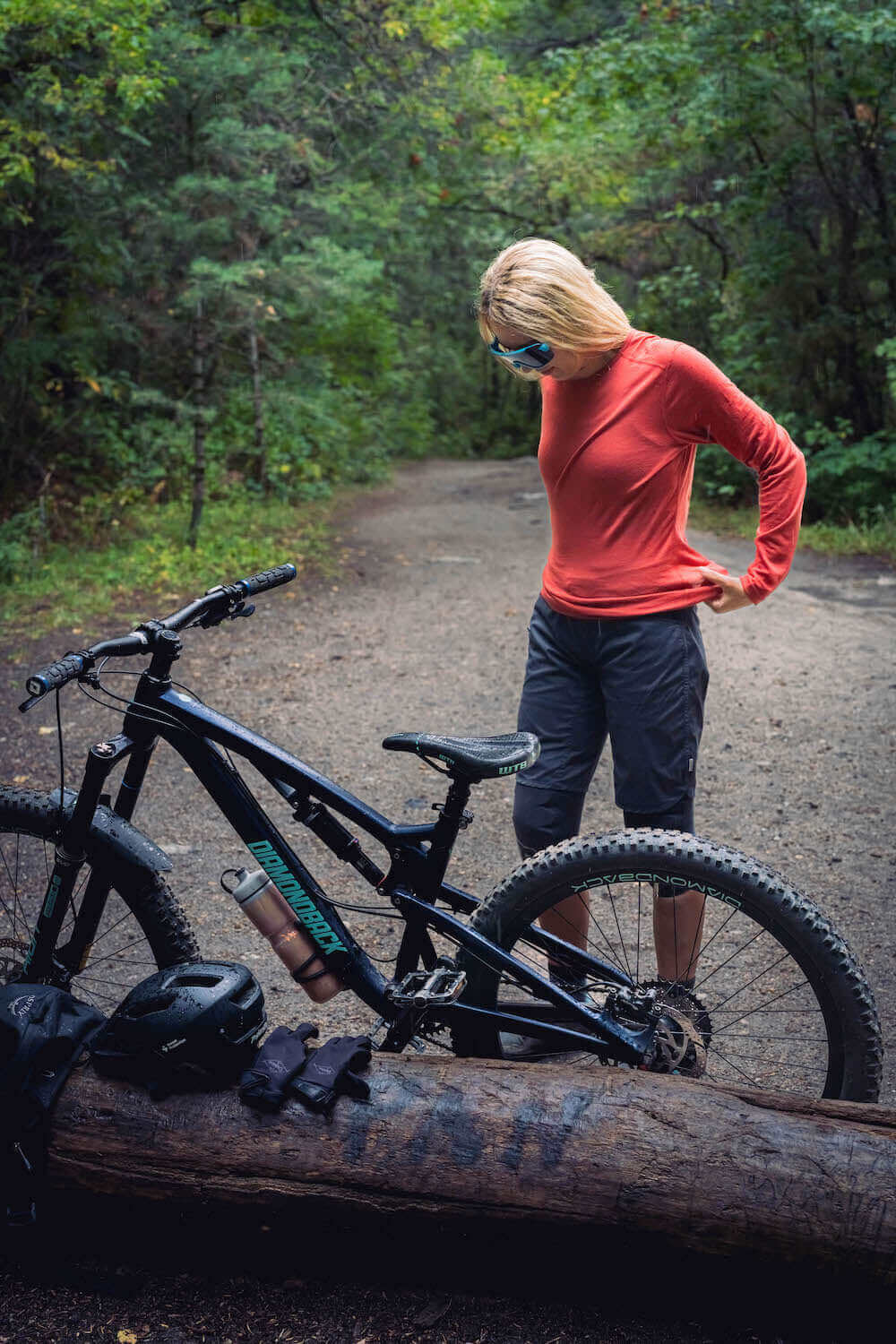
Our merino base layers are 100% Australian merino at 17.5 micron, and a long sleeve merino wool base layer for women is the first thing to pack for anywhere in this country at any time of year. In the mountains the reason is the swing, which can be 25 degrees between a dawn start and a midday ridge, and the fact that WOOL KEEPS ITS WARMTH WHEN IT IS DAMP, whether the damp is sweat from a climb, spray in a gorge or an afternoon thunderstorm. In the cities the reason is the same mechanism in miniature: cold river wind outside, overheated cafes and trams inside, all afternoon.
Merrell Moab 3 waterproof hiking boots for the Tatras and the Slovak Paradise, and that is a boot recommendation rather than a shoe one: the gorge routes are wet rock, iron rungs and wooden catwalks, and the high routes are scree and chains. For a city-only trip, a closed shoe with a real sole is enough for the cobbles.
A Marmot PreCip Eco rain jacket, because mountain rain here arrives without much warning, and in winter a waterproof insulated parka rather than a coat chosen for how it looks.
Darn Tough merino hiking socks, and for the winter or a high-altitude start a merino beanie, since the Tatra ridges are exposed and the cable cars deliver you straight into the wind.
Not linked and worth packing: YOUR PASSPORT ON YOUR PERSON, which is the law here and is covered above; A HEAD TORCH for the caves, the longer gorge routes and the early starts, since the only headlamp in our registry would push this page past the affiliate cap; TREKKING POLES if you are descending scree, which this registry's only entry cannot be recommended for because its product identity is unverified; AND SUNSCREEN, which the registry does not carry at all and which altitude makes non-negotiable.
Recommended Tours and Experiences
Getting Around Slovakia
The trains are cheap, slow and the normal way to cross the country. ZSSK runs the network, the Bratislava to Kosice run takes most of a day on the fastest services, and the scenic and practical highlight is the TATRA ELECTRIC RAILWAY, the narrow-gauge line that links Poprad to the Tatra resorts and runs frequently enough to use as a bus. Buy tickets at the counter or online; seat reservations matter on the long intercity runs in holiday weeks.
BUSES REACH WHERE THE TRAINS DO NOT, which in the east is most places. Regional coaches serve the villages, the wooden churches and the castle towns, and timetables thin out drastically at weekends. For the Slovak Paradise and the wooden churches, a car is close to necessary unless you have days to spare.
IF YOU DRIVE, THE MOTORWAY VIGNETTE IS NOT OPTIONAL. Slovakia requires an electronic vignette for its motorways and dual carriageways, bought online or at a filling station before you use them, and a hire car from Austria or Hungary may not come with one. Winter tyres are required in winter conditions. Headlights on at all times. Alcohol limit is ZERO.
And in the cities, validate the ticket. Bratislava and Kosice run trams, trolleybuses and buses on tickets bought before boarding and stamped in the vehicle, inspectors do check, and a fine is the standard tourist mistake here.
Costs: What to Budget
Slovakia uses the euro and is cheaper than Austria by a wide margin, comparable with Poland and Hungary, and more expensive than visitors expect in the Tatra resorts in season. Bratislava prices sit between the two: the Old Town is priced for Austrian weekenders and a street away it is not.
WHERE THE MONEY ACTUALLY GOES. Accommodation is the main variable and the Tatra resorts in the Slovak and Czech holiday weeks are the one genuine pinch point, where booking late means paying resort prices or staying in Poprad and commuting. Food is inexpensive and good value, particularly the weekday lunch menus every town serves. Transport is cheap. Cable cars and the funicular are the surprising line item, because each one is separately priced and a family can spend more on lifts in a day than on a night's accommodation.
AND TWO COSTS WORTH SETTING ASIDE MONEY FOR RATHER THAN DISCOVERING. Insurance that covers MOUNTAIN RESCUE, for the reason given above, and a LICENSED GUIDE if you intend to climb any of the peaks the law closes to unguided walkers. Both are the kind of expense that looks avoidable until it is not. Cards are accepted almost everywhere, including in the mountains, and the chalets on the high routes are the notable exception where cash still matters.
Where to Stay
In Bratislava, stay in or immediately beside the Old Town. Everything a visitor wants is inside fifteen minutes on foot and the city is small enough that location decides the trip. The Old Town is also the area the advisory names for petty crime and for stag-party noise, so a street off the pedestrian core is the sensible compromise between walkability and a quiet night.
In the High Tatras, choose by what you intend to do. STRBSKE PLESO is the highest of the three resorts, sits on its own lake and is the best base for the western ridges; STARY SMOKOVEC is the most central and best connected by rail and funicular; TATRANSKA LOMNICA has the big cable car. POPRAD down in the valley is cheaper, busier and twenty minutes away by train, which is the right answer in a holiday week.
In the east, base in KOSICE or at the foot of SPIS. Kosice has the hotels, the airport and the only real restaurant scene east of the mountains; the villages below Spis Castle and around Levoca have small guesthouses and are better placed for the castles and the churches.
Essential Resources for Women in Slovakia
Emergency numbers: 112 is the European emergency line and works for everything. The direct numbers are 155 FOR AN AMBULANCE, 158 FOR THE POLICE and 150 FOR THE FIRE SERVICE. English is widely spoken by younger staff and in Bratislava, less so outside it, and 112 has English-language capability.Mountain rescue: the HORSKA ZACHRANNA SLUZBA, the HZS, covers the Tatras, the Low Tatras and the Slovak Paradise and is reached on 18 300 or through 112, and it publishes a mobile app that transmits your position to the rescue service. RESCUE IS CHARGEABLE TO THE PERSON RESCUED, so insurance covering mountain rescue in Slovakia is the thing to arrange before you leave. The TATRA NATIONAL PARK authority, TANAP, publishes trail closures, the seasonal closure dates and the one-way designations, and closes routes at short notice for weather or bear activity.
Main hospital or clinic: in Bratislava, UNIVERSITY HOSPITAL BRATISLAVA operates across several sites with the Ruzinov and Stare Mesto hospitals nearest the centre, and private clinics in the city are used to foreign patients. In the mountains, POPRAD hospital is the nearest general facility to the Tatra resorts and serious cases go to KOSICE, which has the main hospitals for the whole east of the country.
Health: state healthcare is reached with a GHIC or an EHIC, which the FCDO says you need for medically necessary treatment, AND NEITHER IS AN ALTERNATIVE TO TRAVEL INSURANCE: they do not cover repatriation, private clinics, treatment ruled non-urgent or the cost of changing your travel and accommodation. The FCDO publishes a list of medical providers in Slovakia where some staff speak English. TICK-BORNE ENCEPHALITIS IS A RECOGNISED RISK in Slovak forest and the vaccination is worth discussing with a travel clinic if you are walking in the hills, which is a different conversation from anything a city break needs.
If you drive, there is one scam the advisory describes in enough detail to recognise. Criminals sometimes target foreign-registered vehicles, and the FCDO's description is that they MAY PUNCTURE YOUR TYRES AT A PETROL STATION AND THEN PRETEND TO HELP, or fake a breakdown of their own, and rob you or take the car if you stop. The instructions are to stop at night only in a well-lit public place such as a service station, lock the car, be extremely wary of anyone offering help, and leave no luggage in view.
US State Department travel advisory: the Slovakia advisory. Read the current level there directly rather than relying on a figure printed in any guide.
UK FCDO travel advice: gov.uk/foreign-travel-advice/slovakia, and read the safety and security page rather than only the landing page, because that is where the substance sits.
Official health authority: the Slovak Ministry of Health, is the body to read for public health notices, and tick-borne encephalitis vaccination is a travel clinic conversation rather than a web one if you are walking in forest
US Embassy: the US Embassy in Bratislava, is in Bratislava itself, which is unusual in this library and means consular help is in the same city as most visitors rather than hours away
Official tourism authority: Slovakia Travel, the national tourism board, publishes the regional guides, the spa and ski information and the UNESCO sites, and the city visitor services in Bratislava and Kosice run their own information centres and discount cards
Safety summary for women travelling alone in Slovakia: Slovakia is an easy and comfortable country to travel alone in, and the advisory supports that rather than merely permitting it: THERE ARE NO ADVISED-AGAINST AREAS ANYWHERE, no FCDO regional risks page exists for the country at all, and the phrase does not appear on its Slovakia advice except about Ukraine. The warnings that do exist are specific and nearly all of them are about one pedestrian zone. PETTY CRIME IS NAMED ESPECIALLY IN BRATISLAVA, with pickpockets and bag snatchers around the tourist areas and PARTICULARLY AT THE CHRISTMAS MARKETS AND IN BARS, and the two instructions attached to it are to never leave your passport as a deposit for a car rental and to keep sight of your bank card when you pay. THE FCDO NAMES DRINK SPIKING AND THEFT IN CLUBS AROUND THE BRATISLAVA OLD TOWN PEDESTRIAN AREA, along with extortionate drink prices, which makes the ordinary precautions operative: agree the price, watch the drink poured, keep it with you, leave with the people you came with. YOU MUST CARRY YOUR PASSPORT AT ALL TIMES and the fine for not producing it is up to 1,600 euros, so a closing bag worn in front of you answers both that and the pickpocketing. Street drinking is illegal in the Old Town with a 33 euro fine, the city is a stag-party destination, and police attention falls on rowdy behaviour between 10pm and 6am. The advisory records that AN ATTACK ON A BAR POPULAR WITH THE LGBT+ COMMUNITY IN BRATISLAVA IN OCTOBER 2022, in which two people were killed, was classified as a terrorist act and was the only such event in the country's recent history; Slovakia does not recognise same-sex marriage or partnerships and public affection may draw attention. THE MOUNTAINS ARE THE RISK THAT ACTUALLY HURTS PEOPLE HERE. Weather turns in an hour in the Tatras, the high routes hold snow into June and are closed seasonally, several peaks require a licensed guide by law, and MOUNTAIN RESCUE IS CHARGEABLE TO THE PERSON RESCUED, which makes insurance covering it a necessity rather than a nicety. If you drive, there is a specific scam the advisory describes, where a tyre is punctured at a petrol station and help is then offered. 112 for everything, 158 police, 155 ambulance, 150 fire, and 18 300 for mountain rescue.
Slovakia Destinations
Our Slovak destination guides, each with its own packing list, safety assessment and emergency numbers. More are added as they publish, and this hub is the parent for all of them.
- High Tatras packing list for women the smallest alpine range on earth, the seasonal trail closures, and the mountain rescue that is charged to the person rescued
- Bratislava packing list for women the capital on the Danube, the Old Town the advisory names, and the passport rule that carries a 1,600 euro fine
- Zdiar packing list for women a Goral village of painted timber farmsteads under the Belianske Tatry, with a treetop walk in its own side valley
- Slovensky Raj packing list for women the gorge ladders and chains of the Slovak Paradise
- Strbske Pleso packing list for women the lake resort at the western end of the High Tatras
- Trencin packing list for women the castle town on the Vah, European Capital of Culture 2026
Reading On
For the neighbours this trip is almost always combined with, the Vienna packing list covers the capital an hour upriver that most visitors fly into, the Budapest packing list the third city of the Danube trio, and the Czechia travel guide for women the country Slovakia shared a state with until 1993. North over the Tatras, the Poland travel guide for women and the Zakopane packing list cover the Polish side of the same mountains, which is busier, better known and a completely different experience of the same granite. For why merino rather than cotton in a country where a day can run from a cold gorge to a sunlit ridge, read the guide to merino wool base layers for women. Every destination we cover is indexed at the travel packing guide for women, and the base layers themselves are at the Roman Trail collection.
If the outer journey is calling you, the inner one usually is too. Explore SoulMap at romantrail.com/blogs/soulmap.
Blog posts
View all-

Kumasi Packing List for Women: Asante Capital a...
What to pack for Kumasi, Ghana: the Asante capital, its vast Kejetia market and royal museums, two rainy seasons, modest dress and specific safety advice for women.
Kumasi Packing List for Women: Asante Capital a...
What to pack for Kumasi, Ghana: the Asante capital, its vast Kejetia market and royal museums, two rainy seasons, modest dress and specific safety advice for women.
-

Port Stephens Packing List for Women: Dolphins ...
What to pack for Port Stephens, New South Wales: a large harbour north of Newcastle with volcanic headlands, dolphins, whales, sand dunes, rip currents and safety advice for women.
Port Stephens Packing List for Women: Dolphins ...
What to pack for Port Stephens, New South Wales: a large harbour north of Newcastle with volcanic headlands, dolphins, whales, sand dunes, rip currents and safety advice for women.
-

San Luis Obispo Packing List for Women: Mission...
What to pack for San Luis Obispo, California: a mission town between the mountains and the sea, with volcanic peaks to climb, morning fog, cool nights and safety advice for...
San Luis Obispo Packing List for Women: Mission...
What to pack for San Luis Obispo, California: a mission town between the mountains and the sea, with volcanic peaks to climb, morning fog, cool nights and safety advice for...


Contact form

Roman Trail Outfitters
Merino Wool Women's Long Sleeve Top | Crew Neck Shirt | Deep Olive