Singapore Travel Guide for Women: Everything You Need to Know

Singapore is the most efficiently organized city on earth, a city-state where a subway runs with almost mechanical precision, a food culture spanning Chinese, Malay, and Indian traditions serves world-class meals for a few dollars a plate, and a level of public order and safety lets solo travel here feel almost entirely effortless. It is not the Southeast Asia of hazy market lanes and unpredictable buses; it is something else entirely, and understanding what makes Singapore different, rather than expecting it to behave like its regional neighbors, is the key to planning a genuinely rewarding trip.
Disclosure: This post contains affiliate links. If you buy through them, Roman Trail earns a small commission at no extra cost to you.
This guide covers everything a woman traveler needs to plan a real Singapore trip: the year-round tropical climate and the indoor-outdoor temperature contrast that defines the local packing challenge, a full neighborhood breakdown, hawker center culture, booking guidance for Gardens by the Bay and Marina Bay Sands, getting around by MRT, where to stay by area, safety, and what to pack.
Is Singapore Safe for Women Travelers
Yes, decisively and without meaningful qualification. Singapore is regularly ranked among the safest cities on earth for solo women travelers, with extraordinarily low crime rates and a level of public order, extensive surveillance, and strict, consistently enforced law that makes walking alone at essentially any hour genuinely unremarkable rather than something requiring specific precaution.
There are essentially no neighborhoods in Singapore that warrant specific safety avoidance, a genuine rarity among major world cities. The primary consideration for visitors is legal rather than personal-safety related: Singapore's laws around drugs, including severe penalties that apply even to small personal quantities, littering, jaywalking, and other public behavior are strictly and consistently enforced with real financial and legal consequences, and understanding these rules before arrival matters considerably more than any personal safety vigilance a visitor might apply elsewhere. Solo women travelers consistently describe Singapore as one of the most relaxing, lowest-stress destinations to navigate independently anywhere in the world.
Understanding Singapore's Year-Round Climate
Singapore sits almost exactly on the equator, and the honest answer to when to visit is that the weather genuinely does not change enough to make timing a major planning factor. Temperatures hold steady between 25 and 32 degrees Celsius essentially every day of the year, humidity stays consistently above 80 percent, and rain falls regularly, distributed fairly evenly across the calendar rather than concentrated in a single dramatic wet season. The northeast monsoon, from November through January, brings slightly heavier and more frequent rainfall along with marginally cooler temperatures, while June through September runs a touch drier, but neither shift is dramatic enough to meaningfully reshape how a visitor should pack or plan.
The single most surprising physical experience for first-time visitors is not the outdoor heat itself but the extreme contrast between it and Singapore's aggressively air-conditioned interiors. MRT carriages run cold enough that local commuters routinely carry a light jacket for their daily commute, and the temperature swing between 32-degree humid outdoor heat and a shopping mall or office interior set closer to 18 degrees is one of the defining physical sensations of a Singapore trip. Dressing for one extreme without a plan for the other is the single most common Singapore packing mistake, and it is genuinely worth building the indoor-outdoor contrast into every day's clothing choice rather than treating it as a minor afterthought.
Singapore's Neighborhoods
Marina Bay is the Singapore of postcards: the Marina Bay Sands hotel with its rooftop infinity pool, reserved for hotel guests though the SkyPark observation deck is open to all visitors for a fee, Gardens by the Bay's illuminated Supertrees, and a nightly light and water show at the bay itself. Expect polished, air-conditioned walkways connecting most major sights, and dress leaning smart-casual given the upscale hotel and mall environment throughout.
Chinatown and the surrounding CBD hold the most historically layered part of Singapore, anchored by the visually extraordinary Buddha Tooth Relic Temple and the Maxwell Food Centre, home to some of the most famous chicken rice in the country. Expect a mix of restored heritage shophouses and modern towers standing directly beside each other.
Little India, around Serangoon Road, is the most sensory neighborhood in Singapore, built around the dramatic Sri Veeramakaliamman Temple and the excellent, authentic Tekka Centre food hall. The Arab Quarter around Haji Lane pairs the Sultan Mosque, the most important Islamic building in Singapore, with a compact, boutique-lined lane that has become one of the most photogenic streets in the city; modest dress matters specifically around the mosque itself.
Tiong Bahru, Singapore's oldest housing estate, offers the most charming and residential neighborhood experience, its preserved 1930s and 1940s art deco blocks now home to independent cafes, bookshops, and one of the city's best hawker markets. It rewards travelers who want a slower, more local pace between the bigger sights elsewhere on the island.
Hawker Center Culture
A hawker center is an open-air food court where individual stalls each specialize in a single dish or cuisine, a tradition developed from street food vendors relocated into permanent covered spaces for hygiene reasons decades ago. The quality is extraordinary, and the prices, typically just a few dollars a plate, are among the lowest for genuinely excellent food anywhere in Asia. Lau Pa Sat, Maxwell Food Centre, and Newton Food Centre are the most famous and the most consistently recommended starting points for first-time visitors, each offering a manageable, high-quality introduction to hawker culture without overwhelming choice.
Hawker center etiquette carries its own genuine local customs worth knowing. Chope-ing a table, leaving a packet of tissues on it before ordering, is a real, widely respected local practice, not tourist folklore, and reserving a table this way while ordering from different stalls is both accepted and expected. Return your own tray and dispose of tableware at designated points, since most hawker centers do not have table service and this self-clearing culture keeps them running efficiently. Ordering directly at the stall, paying immediately, often by card or mobile payment now though cash remains widely used, and waiting for your number to be called are the standard, straightforward norms throughout.
Gardens by the Bay and Marina Bay Sands: Booking Guidance
Gardens by the Bay's outdoor Supertree Grove is free to visit and spectacular at dusk, when the towering vertical gardens light up for the nightly sound and light show performed twice each evening. The two climate-controlled biomes, the Cloud Forest and the Flower Dome, charge separate admission, typically combinable into a single ticket, and are worth the cost for the sheer scale and variety of the plant displays inside, particularly the Cloud Forest's indoor waterfall, the tallest indoor waterfall in the world at 35 meters.
Marina Bay Sands's rooftop infinity pool is reserved exclusively for hotel guests, a detail that surprises many first-time visitors who assume it is a paid public attraction. The SkyPark observation deck at the same height, however, is open to all visitors for a separate admission fee and offers the same panoramic view over the bay and city skyline without requiring a hotel stay. Booking timed tickets in advance for both Gardens by the Bay and the SkyPark, particularly around sunset when demand and queues both peak, is worth doing rather than arriving without a reservation.
Getting Around Singapore
The MRT is the backbone of getting around Singapore, running with remarkable punctuality and connecting nearly every major attraction and neighborhood directly or within a short walk. An EZ-Link card, purchasable at any station, works across the MRT, buses, and even some retail purchases, and tapping in and out is the standard, simple system used by residents and visitors alike. Buses fill in the gaps the MRT does not cover directly and run just as reliably, with the same EZ-Link card working seamlessly across both systems.
Taxis are metered, regulated, and easy to hail on the street or book through apps, and Grab, the dominant Southeast Asian ride-hailing platform, operates extensively throughout Singapore with transparent pricing, making it the preferred option for many visitors over hailing a street taxi, particularly at night. Changi Airport, consistently ranked among the best airports in the world, connects directly to the MRT network, making arrival and departure genuinely painless; the airport itself, with its indoor waterfall, butterfly garden, and extensive free amenities, is worth treating as a minor attraction in its own right during a long layover.
Where to Stay in Singapore
Marina Bay puts visitors within walking distance of the Marina Bay Sands, Gardens by the Bay, and the CBD skyline, commanding the highest price premium but offering the most iconic views and immediate access to Singapore's most photographed sights. Chinatown and the surrounding CBD offer a strong mix of budget to mid-range accommodation with genuine historical texture, excellent hawker food on every corner, and easy MRT access to the rest of the island. Little India and the Arab Quarter both offer some of the most atmospheric, budget-friendly boutique and guesthouse accommodation in Singapore, with genuinely distinct cultural character and excellent, inexpensive food immediately at hand.
Tiong Bahru offers a quieter, more residential base with an outsized concentration of independent cafes and bookshops, appealing to travelers who want to feel slightly removed from the main tourist circuit without sacrificing convenience. Orchard Road, Singapore's main shopping boulevard, offers extensive hotel inventory across every price tier for visitors prioritizing retail access. Whichever neighborhood you choose, look for accommodation within reasonable walking distance of an MRT station, since Singapore's transit network makes proximity to a station far more valuable than proximity to any single attraction.
What Singapore Costs
Singapore has a genuine split personality when it comes to cost: expensive at the top end for accommodation and certain restaurants, remarkably affordable at the hawker center and public transport level. Budget travel, using hostels, hawker center meals, and MRT and bus transport, runs $50 to $80 per person per day, genuinely achievable given how inexpensive local food and transit both are. Mid-range travel with comfortable hotels, a mix of hawker and restaurant meals, and occasional taxis runs $150 to $300 per day. Luxury travel with five-star hotels, fine dining, and private transport runs $400 and up per day, and Singapore's luxury tier, particularly around Marina Bay Sands, rivals any city in the world for cost.
Hawker center meals run $3 to $6 per dish, genuinely extraordinary value for the food quality, while mid-range restaurant meals run $15 to $30 per person and upscale dining runs $60 and up per person, often with a mandatory 10 percent service charge plus GST added automatically. The Singapore dollar is the local currency, and the country is one of the most cashless societies in the world; card and mobile payment work almost everywhere, including hawker centers increasingly, though carrying some cash for older stalls remains sensible.
Eating and Drinking in Singapore
Singapore's food culture is arguably its single greatest attraction, a genuine fusion of Chinese, Malay, Indian, and Peranakan, or Straits Chinese, culinary traditions expressed most authentically at hawker centers rather than restaurants. Chicken rice, chili crab, laksa, and Hainanese specialties are all worth seeking out specifically, and the hawker center model itself, individual stalls each run by a specialist who has often spent decades perfecting a single dish, means genuinely extraordinary food is available at just a few dollars per plate throughout the island.
Tap water in Singapore is genuinely safe to drink directly, among the cleanest and most rigorously tested municipal water supplies in the world, a real convenience that simplifies packing and reduces plastic waste throughout a trip. Singapore's cocktail and craft beer scene has grown considerably in recent years, and the Singapore Sling, invented at Raffles Hotel in the early 20th century, remains a worthwhile drink to try at least once during a visit, ideally at the hotel's beautifully restored Long Bar itself, where peanut shells scattered across the floor remain a deliberate, longstanding house tradition.
Language and Multicultural Singapore
English is Singapore's primary language of administration and business, and it is spoken fluently and universally throughout the country, a genuine convenience that makes Singapore one of the easiest destinations in Asia for English-speaking visitors to navigate without any language barrier at all. Mandarin, Malay, and Tamil are the other three official languages, reflecting Singapore's Chinese, Malay, and Indian communities respectively, and Singlish, the local English creole blending vocabulary and grammatical patterns from all four official languages plus Hokkien and Cantonese, is worth listening for as a genuine, living expression of Singapore's multicultural identity rather than simply broken English.
Singapore's multiculturalism is not a marketing slogan; it is a structural feature of the city built into its housing policy, its public holidays, which include Christian, Buddhist, Hindu, and Muslim observances alike, and its everyday street life, where a Chinese temple, a mosque, and a Hindu temple can genuinely sit within a few blocks of one another in older neighborhoods like Chinatown and the surrounding CBD. Understanding this layered multicultural history, rather than treating Singapore as a single homogeneous culture, considerably deepens a visit beyond its efficient infrastructure and skyline.
Cultural Etiquette and Singapore's Famous Laws
Temple dress codes matter throughout Singapore's Buddhist, Hindu, and Muslim religious sites. Buddhist and Hindu temples both require covered shoulders and covered knees, and mosques in the Arab Quarter additionally require a head covering for women; a lightweight scarf carried throughout a trip covers all three contexts easily. Remove shoes before entering the inner areas of most Buddhist and Hindu temples, and photography restrictions around active worship are worth observing, with signage generally clear where cameras are not welcome.
Singapore's famous laws deserve genuine understanding rather than dismissal as tourist folklore: the sale of chewing gum is restricted, though not illegal to bring in small personal quantities, littering carries genuinely enforced fines, jaywalking is a real offense with real penalties, and eating or drinking on the MRT is prohibited and enforced. None of this requires anxious over-caution; ordinary considerate behavior covers it entirely, but understanding that these rules are actively enforced rather than purely symbolic is genuinely worth knowing before arrival.
Singapore Botanic Gardens
The Singapore Botanic Gardens, a genuine 19th century colonial-era institution rather than a modern tourist construction, holds the distinction of being the only tropical garden on the UNESCO World Heritage list, a recognition earned through both its horticultural significance and its role in the historical development of rubber cultivation across Southeast Asia. The 82-hectare grounds are free to enter and offer a genuinely different, slower-paced green space than Gardens by the Bay's more engineered, futuristic aesthetic, with mature rainforest trees, lakes, and open lawns that have been cultivated continuously since 1859.
The National Orchid Garden, within the Botanic Gardens and requiring separate paid admission, holds the largest orchid display in the world, including a collection of hybrids named after visiting heads of state and celebrities, a genuinely unique diplomatic tradition unique to Singapore. Early morning is the best time to visit, both for the cooler temperatures and the quality of light for photography, and the gardens work well as a calmer counterpoint to a day otherwise spent among Marina Bay's more urban, engineered attractions.
Day Trips Beyond Singapore
Johor Bahru, just across the causeway in Malaysia, is reachable by MRT and a short walk across the border, or by bus, making a day trip into Malaysia a genuinely simple add-on for visitors with an extra day and a valid passport with sufficient validity remaining. The city offers considerably lower prices than Singapore for shopping and food, along with its own distinct Malaysian character, and the border crossing itself, while requiring some patience during peak hours, is straightforward for most passport holders. Batam and Bintan, Indonesian islands reachable by a roughly 45-minute to two-hour ferry from Singapore's HarbourFront terminal depending on destination, offer a beach-resort alternative for visitors wanting a genuine change of pace, with Bintan specifically home to a cluster of upscale beach resorts popular with Singapore residents themselves for a weekend escape.
Sentosa Island and Beyond the City Center
Sentosa Island, connected to the mainland by a short causeway, cable car, or boardwalk depending on entry point, offers a genuinely different resort-style experience from the rest of Singapore, built around beaches, Universal Studios Singapore, and a cluster of family-oriented attractions. It works better as a dedicated day or two added onto a broader Singapore stay than as a sole base, since it sits somewhat removed from the main city neighborhoods, but for visitors traveling with children or simply wanting a beach afternoon, it offers something the rest of the compact, urban island cannot. The cable car crossing from Mount Faber or the HarbourFront station is itself a scenic way to arrive, offering sweeping views over the southern harbor before descending onto the island.
The Southern Ridges, a network of elevated walkways and parks connecting Mount Faber, Telok Blangah Hill, and Kent Ridge Parks, offers one of Singapore's most rewarding free experiences for visitors willing to walk: roughly 10 kilometers of connected trail, including the striking Henderson Waves pedestrian bridge, all shaded and considerably cooler than street level given the elevation and tree cover. The MacRitchie Reservoir treetop walk, a suspension bridge strung between two of the highest points in the Central Catchment Nature Reserve, gives visitors a genuine taste of Singapore's protected rainforest without leaving the city, and long-tailed macaques are a common, if sometimes bold, sighting along the trail.
Singapore's Museums and Cultural Institutions
The National Gallery Singapore, housed in the beautifully restored former Supreme Court and City Hall buildings, holds the world's largest public collection of Singapore and Southeast Asian modern art, and the building's own architectural transformation, a striking glass and steel canopy connecting the two colonial-era structures, is worth appreciating in its own right alongside the collection inside. The ArtScience Museum at Marina Bay, instantly recognizable by its lotus-flower-inspired architecture, rotates between science, technology, and design exhibitions alongside a permanent collection exploring the intersection of art and science, making it a genuinely engaging stop regardless of a visitor's specific interests going in.
The Asian Civilisations Museum, along the Singapore River, traces the trade and cultural connections linking Singapore to the broader Asian trading world across centuries, a genuinely useful stop for understanding the historical forces, Chinese, Malay, Indian, and colonial British, that together produced the multicultural city visible today. The Peranakan Museum, dedicated specifically to the Straits Chinese culture that developed from intermarriage between early Chinese immigrants and local Malay communities, offers insight into a distinctly Singaporean cultural fusion, visible today in Peranakan cuisine, architecture, and the elaborately beaded and embroidered textiles the museum displays in real depth.
Shopping in Singapore
Orchard Road, Singapore's flagship shopping boulevard, runs for roughly 2.2 kilometers and holds an extraordinary concentration of malls, from luxury flagship stores to more accessible mid-range retail, all connected by air-conditioned underground and skybridge walkways that let visitors shop for hours without stepping outside into the heat. Haji Lane and the surrounding Kampong Glam streets offer a considerably more independent, boutique-focused shopping experience, with small local designers and vintage shops replacing the mall-based retail of Orchard Road. Chinatown's street markets and the Tekka Centre in Little India both offer more traditional shopping, textiles, spices, and souvenirs at prices considerably lower than the malls, and bargaining, while not universal, is reasonable to attempt at the more informal market stalls specifically.
Singapore's Goods and Services Tax refund scheme allows visitors to reclaim a portion of the tax paid on purchases above a minimum threshold at participating retailers, processed at the airport before departure, and it is worth asking about at checkout for any significant purchase, since the paperwork is straightforward and the refund itself is a genuine, easy way to offset some shopping costs on departure.
A Sample Three-Day Singapore Itinerary
Day one covers Marina Bay: the ArtScience Museum and Merlion Park in the morning, Gardens by the Bay's biomes in the afternoon, and the Supertree Grove light show at dusk followed by dinner nearby.
Day two covers Chinatown and Little India: the Buddha Tooth Relic Temple and Maxwell Food Centre in the morning, followed by an afternoon and evening exploring Little India's temples and Tekka Centre, with the Arab Quarter's Haji Lane worked in as a natural extension given its proximity.
Day three is left flexible for the Marina Bay Sands SkyPark observation deck, a return visit to a favorite hawker center, or an excursion to Sentosa Island for visitors with an extra half day and an interest in beach access or family-oriented attractions.
What to Pack for Singapore
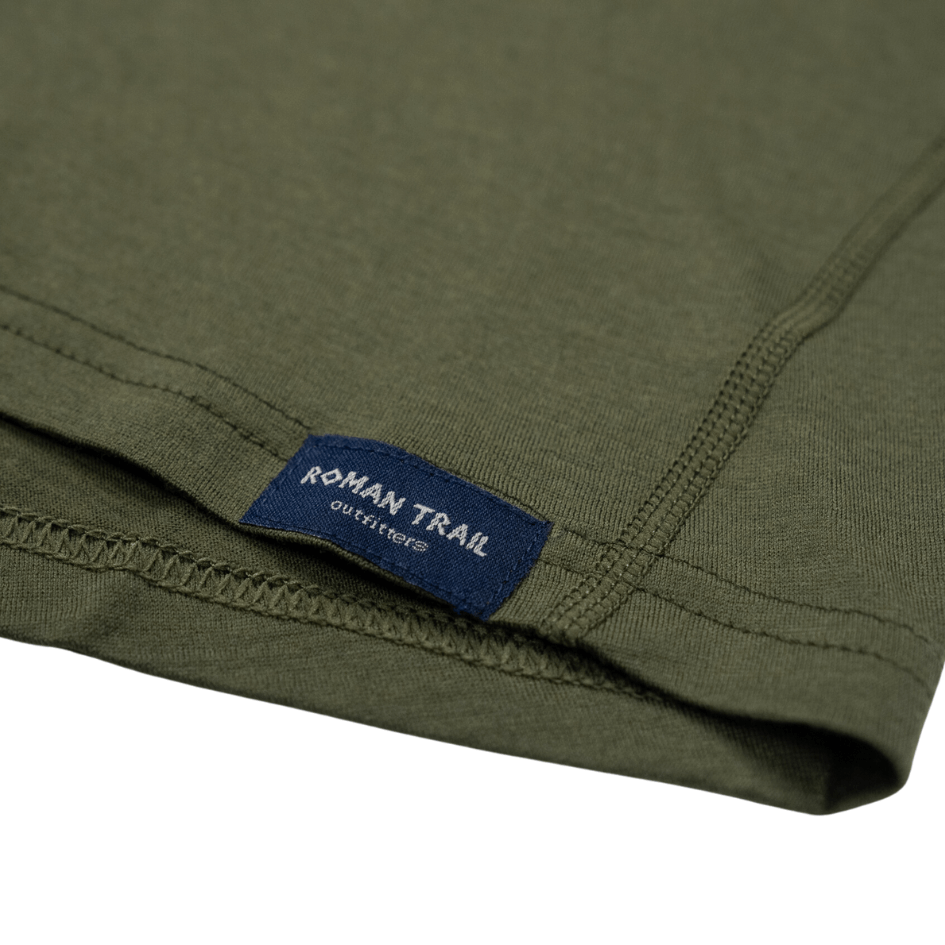
Singapore's packing challenge is defined almost entirely by the contrast between consistent tropical heat and humidity outdoors and aggressively cold air conditioning indoors, a combination that makes a single, well-chosen base layer more valuable here than in almost any other destination in this guide series. The Roman Trail Women's Merino Wool Base Layer is the right foundation precisely because of this indoor-outdoor contrast: it manages Singapore's outdoor heat and humidity without the clammy, damp feeling cotton develops, while still keeping you genuinely comfortable the moment you step into a 18-degree mall or MRT carriage.
The Columbia Women's Fast Trek II Jacket is the mid layer worth carrying in your bag specifically for Singapore's aggressive indoor air conditioning, since malls, offices, and the MRT itself all run cold enough that a jacket you can put on at will makes a genuine daily difference. The Marmot Women's PreCip Eco Rain Jacket handles Singapore's intense, brief afternoon downpours, a near-daily possibility regardless of season, though a compact umbrella works equally well for Singapore's typically short rain events.
For footwear, the Salomon Women's X Ultra 4 GTX handles both Singapore's extensive urban walking and the MacRitchie Reservoir treetop walk for visitors including the Central Catchment nature reserve in their itinerary, and the Darn Tough Women's Hiker Micro Crew Merino Socks handle the sustained city walking a typical Singapore day involves without blisters. The complete packing breakdown, including the full clothing list and neighborhood-specific dress considerations, is covered in the Singapore packing list for women.
Essential Resources for Women in Singapore
Emergency numbers: 999 for police, 995 for ambulance and fire.
US Embassy in Singapore: 27 Napier Road, Singapore, +65 6476 9100, sg.usembassy.gov
Official tourism authority: Visit Singapore (Singapore Tourism Board), visitsingapore.com
US State Department travel advisory: travel.state.gov Singapore advisory
UK FCDO travel advice: gov.uk Singapore travel advice
Solo women safety assessment: Singapore is one of the safest cities in the world for solo women, full stop, with extraordinarily low crime and a level of public order and enforcement that makes it genuinely comfortable to explore alone at any hour. The real preparation is understanding Singapore's strictly enforced laws around drugs, littering, and public behavior rather than personal safety vigilance, since the personal safety picture here requires less active management than almost anywhere else covered in this guide series. Solo women travelers consistently describe Singapore as one of the most relaxing, low-stress destinations to navigate independently anywhere in the world.
Ready to plan your wardrobe for the trip? The complete Singapore packing list for women covers exactly what to bring for the tropical heat and the aggressive air conditioning contrast Singapore genuinely requires.
You can also explore more of what to expect across the region in the Roman Trail travel packing guide, and browse the merino wool base layer guide for more on why it works so well across Singapore's heat and air conditioning extremes alike.
Book Tours and Experiences
If the outer journey is calling you, the inner one usually is too. Explore SoulMap at romantrail.com/blogs/soulmap.
Blog posts
View all-

Packing List for Eger: What Women Should Bring
What to pack for Eger. A baroque town under a castle in northern Hungary, with a cellar valley, an Ottoman minaret and a continental climate that swings 35 degrees.
Packing List for Eger: What Women Should Bring
What to pack for Eger. A baroque town under a castle in northern Hungary, with a cellar valley, an Ottoman minaret and a continental climate that swings 35 degrees.
-

Packing List for Sighnaghi: What Women Should B...
What to pack for Sighnaghi. A walled hill town above the Alazani valley in Georgian wine country, where the streets are steep cobble and the tasting starts early.
Packing List for Sighnaghi: What Women Should B...
What to pack for Sighnaghi. A walled hill town above the Alazani valley in Georgian wine country, where the streets are steep cobble and the tasting starts early.


Contact form

Roman Trail Outfitters
Merino Wool Women's Long Sleeve Top | Crew Neck Shirt | Deep Olive