Scotland Highlands Travel Guide for Women: Everything You Need to Know

The Scottish Highlands are the most dramatic landscape in Britain, a region of glacier-carved glens, ancient mountain summits, and a coastline that swings between sheltered sea lochs and Atlantic-facing cliffs, all within a two to three hour drive of each other. This guide focuses specifically on the road-trip version of a Highlands visit: the North Coast 500, Ben Nevis, Eilean Donan Castle, and the Isle of Skye, the combination that draws most first-time visitors who want to cover serious ground by car rather than commit to a single long-distance trek.
Disclosure: This post contains affiliate links. If you buy through them, Roman Trail earns a small commission at no extra cost to you.
The Highlands reward preparation more than almost anywhere else in Britain, given how fast the weather changes and how much of the experience depends on getting single-track driving, midge season, and layering genuinely right. This guide covers the honest safety picture, the four-season reality with its midge warning, a full Isle of Skye guide, a North Coast 500 driving guide, Ben Nevis hiking guidance, where to stay across the region's key bases, and exactly what to pack for weather that treats waterproofing as mandatory rather than optional.
For visitors planning a longer-distance trek like the West Highland Way or the Fife Coastal Path instead of a road trip, the Roman Trail Scotland travel guide covers that side of Scotland travel in full, including hostel-based, public-transport itineraries this guide does not focus on.
Is the Highlands Safe for Women Travelers
Scotland is consistently ranked among the safest countries in the world, and the Highlands specifically have an extremely low crime rate given the region's small, spread-out population. Solo women travel the Highlands with genuine comfort, and the primary safety consideration here is not personal security but mountain and driving safety.
Ben Nevis and the Cuillin Ridge on Skye both carry real risk in poor weather or low visibility, and fatalities happen most years among hikers who underestimate how quickly Highland weather turns or who attempt terrain beyond their navigation skills. Checking a dedicated mountain forecast, such as the Mountain Weather Information Service, rather than a standard town weather app, and turning back when conditions deteriorate rather than pushing to a summit, are the habits that matter most. Single-track Highland roads are the other genuine hazard for visitors unfamiliar with the passing-place convention, and driving cautiously on unfamiliar roads, particularly in the first day or two of a trip, meaningfully reduces the real risk of a driving incident, which is statistically a bigger concern for visitors than crime.
Four-Season Guide and the Midge Warning
Summer, June through August, is the most popular Highlands season, with the longest days and the clearest mountain paths, but it is also midge season at its worst. Midges, tiny biting insects that swarm in the millions near still water in the western Highlands and on Skye, are a genuine comfort issue from late May through September, peaking in the evenings and whenever the wind drops. Repellent, specifically Smidge, the Scottish brand made for this exact insect, and a head net for anyone particularly sensitive, are not optional extras for a summer Highlands trip, they are standard kit.
Autumn, September through November, brings extraordinary light and the heather at its most purple through September, along with significantly thinner crowds than summer. Winter, December through February, is cold and genuinely dramatic, with snowfall likely on higher ground and some Highland roads occasionally closing after heavy snow, transforming the landscape into one of the most striking winter scenes in Britain for visitors prepared for the conditions. Spring, March through May, has the most unpredictable weather of any season and the fewest visitors, appealing to travelers who prioritize quiet roads and trails over guaranteed good weather.
Isle of Skye Guide
Skye, the largest island in the Inner Hebrides and connected to the mainland by a bridge at Kyleakin, concentrates an extraordinary density of landscapes into a single island reachable in a day trip or, better, a two to three night stay. The Old Man of Storr, a distinctive rock pinnacle on the Trotternish Peninsula, and the Quiraing, a dramatic landslip landscape further north on the same peninsula, are both moderate day hikes rewarding visitors with some of the most photographed views in Scotland. The Fairy Pools, a series of turquoise waterfalls and swimming pools at the base of the Cuillin mountains, involve an easy walk-in but reward visitors willing to brave genuinely cold water for a swim.
Neist Point, on Skye's western edge, holds the island's most dramatic lighthouse setting, with cliffs dropping straight into the Atlantic and some of the best sunset views in Scotland. Portree, Skye's main town, is colorful, walkable, and the natural base for exploring the island, with a working harbor and enough restaurants and accommodation to support a multi-night stay comfortably. The Cuillin Ridge itself, visible from much of the island, is a serious mountaineering objective rather than a hiking trail, and should only be attempted by visitors with genuine scrambling experience and, ideally, a local guide.
North Coast 500 Driving Guide
The North Coast 500 is a 516-mile scenic driving route looping from Inverness around Scotland's northern coastline via both the west and east coasts, passing through some of the most dramatic coastal and mountain scenery in Europe. Allow a genuine five to seven days minimum to drive it properly, since rushing the route defeats its entire purpose, and the single-track sections in the northwest in particular demand a slower pace than the total mileage might suggest.
The route has become considerably more popular over the past decade, and accommodation along it, particularly in smaller villages with limited room counts, books up well in advance for summer travel, with prices rising accordingly during peak months. Fuel stations are more sparse in the northwest stretch than visitors expect from a UK road trip, and filling up whenever the tank drops below half, rather than waiting for a specific low point, avoids an unwelcome surprise on a remote stretch of coast. The west coast section, through Assynt and around Durness, delivers the route's most dramatic scenery, while the east coast section back toward Inverness is gentler and faster, a natural way to make up time if earlier days ran long.
Ben Nevis Hiking Guidance
Ben Nevis, at 1,345 meters the highest peak in the British Isles, is a genuinely serious mountain rather than a strenuous walk, and treating it with real respect matters more here than almost any other hike covered in this guide series. The standard Mountain Track route from Glen Nevis gains over 1,000 meters of elevation over roughly 10 miles round trip, typically taking five to eight hours depending on fitness and conditions, and the summit plateau can hold snow and near-whiteout conditions even in June, regardless of how warm and clear the glen floor feels at the trailhead.
Checking a dedicated mountain forecast rather than the general Fort William forecast, starting early enough to summit and descend well before any afternoon weather deterioration, carrying full waterproof and warm layers regardless of the forecast, and being genuinely willing to turn back before the summit if conditions worsen are the specific habits that separate a safe Ben Nevis day from a dangerous one. Mountain rescue is called out on Ben Nevis multiple times most months of the year, overwhelmingly for hikers caught out by underestimating the mountain's genuine alpine conditions at altitude.
Eilean Donan Castle and Glencoe
Eilean Donan Castle, sitting on its own small tidal island where Loch Duich, Loch Long, and Loch Alsh meet, is the single most photographed castle in Scotland, and for good reason: the combination of the stone footbridge, the water on three sides, and the mountains behind it produces a view that genuinely looks staged even in person. The castle itself, largely a early 20th century reconstruction of a much older fortress destroyed in 1719, is open for interior visits through much of the year, though the exterior view from the footbridge and the small parking area across the water is, for most visitors, the actual highlight rather than the interior itself. It sits directly on the main route between Fort William or Inverness and Skye, making it an easy, worthwhile stop rather than a dedicated detour.
Glencoe, roughly 45 minutes south of Fort William, is the most atmospheric glen in the Highlands, a steep-sided valley whose brooding beauty carries the added historical weight of the 1692 Massacre of Glencoe, when the Campbell clan killed members of the MacDonald clan under their own hospitality, an event still referenced throughout the glen's visitor center and local storytelling. The Glencoe Lochan trail offers an easy, family-friendly walk with some of the valley's best views for visitors not attempting the more serious Munro peaks that rise on either side, and the glen's dramatic character makes it worth timing for early morning or early evening light whenever the itinerary allows that flexibility.
Costs: What to Budget
The Highlands sit in the middle of the cost spectrum for European destinations, more expensive than Eastern Europe but considerably less expensive than Iceland or Norway despite covering broadly similar terrain. A budget trip, staying in hostels and self-catering most meals, runs roughly $60 to $90 per day. A mid-range trip, mixing guesthouses or bed and breakfasts with pub meals and some self-catering, runs $120 to $200 per day. A luxury trip, with country house hotels and private guided hiking or driving throughout, can run $300 or more per day, particularly during the busy summer months when premium properties charge peak rates.
Rental cars run $40 to $70 per day depending on season and vehicle size, and fuel costs are notably higher than in the United States, worth building specifically into any North Coast 500 or general Highlands road trip budget. Accommodation along the North Coast 500 and on Skye both book up well in advance for summer given their popularity, with prices rising accordingly during peak months, so booking specific towns ahead of time rather than planning to find rooms along the way genuinely matters here. Tipping in Scotland follows broader UK convention: not expected at pubs, roughly 10 percent at sit-down restaurants when service has not already been added to the bill, and not customary for taxis or guided day tours beyond simply rounding up.
What to Pack for the Highlands: Women's Packing List
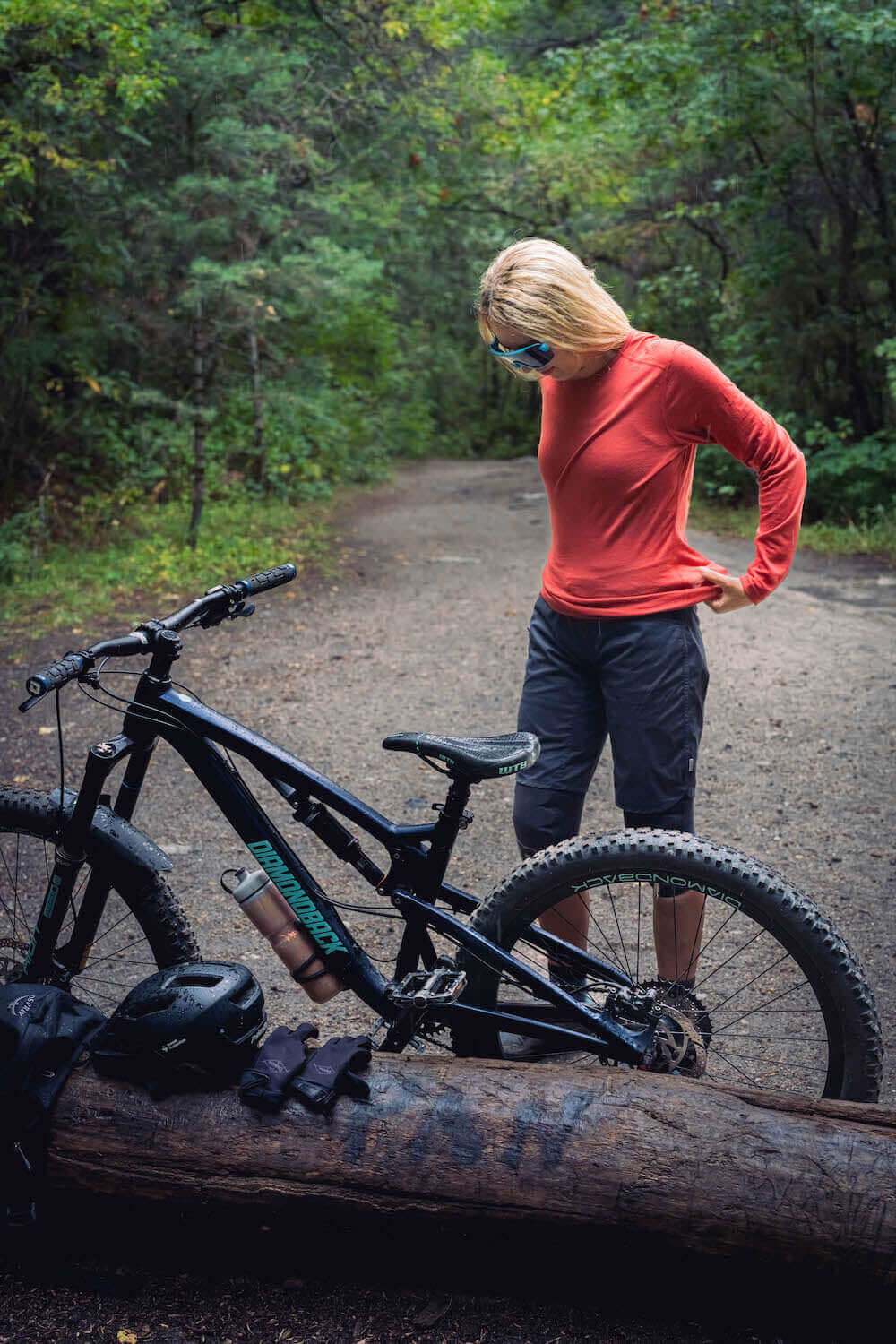
Highlands packing is built entirely around one assumption: it will rain, the wind will pick up, and the temperature will drop faster than expected, regardless of season or forecast. The Roman Trail Women's Merino Wool Base Layer is essential for exactly this combination of Scottish wet and cold, since merino retains real warmth even when wet in a way synthetic or cotton fabrics simply cannot match, a genuinely important safety consideration on any serious Highland hike.
The Columbia insulated hooded jacket handles Ben Nevis summit conditions and the genuine cold of Highland winter, where wind chill at altitude regularly runs far colder than valley floor temperatures suggest. The Marmot Women's PreCip Eco Rain Jacket is non-negotiable rather than optional, in every month and on every Highland outing, since Highland rain arrives without warning and a compromised rain shell is a genuine safety issue rather than just a comfort one. The Merrell Women's Moab 3 Waterproof Hiking Boot handles the consistently waterlogged ground that defines Highland hiking, from the Fairy Pools approach to the Ben Nevis Mountain Track.
The Black Diamond Distance Carbon Z Trekking Poles meaningfully reduce knee stress and fall risk on Ben Nevis's steep, frequently wet descent, where a slip carries real consequences given the terrain. Rounding out the kit: gaiters keep wet ground and trail debris out of boot tops, a warm hat and gloves belong in the daypack year round rather than just in winter, and insect repellent, specifically a midge-rated product like Smidge, is mandatory for any trip between late May and September.
Browse the Roman Trail women's merino base layer collection, built for exactly the wet-cold combination that defines Highland weather, available in eight colors with free two-day shipping and a two-year satisfaction guarantee. The complete clothing breakdown is covered in the Scotland Highlands packing list for women.
Getting Around the Highlands
A rental car is the only genuinely practical way to see the Highlands covered in this guide. Public transport between the smaller villages, trailheads, and Skye itself is limited and infrequent, and the drive between destinations is frequently as scenic as any single stop along the way. Inverness has its own airport with direct flights from London and other major UK cities, and functions as the natural starting point for both a North Coast 500 loop and a broader Highlands and Skye road trip.
Single-track roads, standard throughout the Highlands and across Skye, follow a passing-place convention that surprises most first-time visitors: pull into a marked passing place to let oncoming traffic through, and use the same passing places to let faster local traffic overtake from behind. Taking the first day of driving slower than planned, rather than starting with a long single-track stretch at full pace, makes for a considerably calmer introduction to Highland roads.
Where to Stay: Portree, Fort William, Inverness, and Along the NC500
Portree, Skye's main town, is the natural base for exploring the island, colorful, walkable, and dense with restaurants and accommodation relative to the rest of Skye's smaller villages, and booking ahead matters here given how limited the total room count is for such a popular destination. Fort William, at the base of Ben Nevis, is the standard base for a Ben Nevis attempt and offers a wider range of accommodation than most Highland towns, from hostels through mid-range hotels, along with easy access to Glencoe for visitors adding it to their route.
Inverness, the Highland capital, offers the most conventional hotel selection in the region and works well as a comfortable first or last night before or after a more rustic itinerary elsewhere, as well as the natural starting and ending point for a North Coast 500 loop. Along the NC500 itself, accommodation options thin out considerably in the northwest stretch, and booking specific towns in advance, rather than assuming you can find a room while driving, is genuinely important given how few properties exist in some of the smaller coastal villages.
Loch Ness and Cultural Etiquette
Loch Ness, stretching roughly 23 miles southwest of Inverness, is worth a stop as much for the loch's genuine scale and the ruins of Urquhart Castle on its shore as for the monster-hunting culture centered on Drumnadrochit, where several small visitor centers lean into the legend with varying degrees of seriousness. A short cruise on the loch itself, departing from either Inverness or Drumnadrochit, gives a better sense of the loch's genuine size than any shoreline viewpoint, since Loch Ness is considerably longer and deeper than most first-time visitors expect from photographs alone.
Highland culture is generally warm and understated, and a bit of interest in local history, whether Jacobite history around Glencoe and Culloden or the Gaelic place names still used throughout the region, is genuinely well received in pubs and small shops alike. Gaelic itself remains a living language in parts of the Highlands and on Skye specifically, visible on bilingual road signage throughout the region, and while fluency is rare among visitors, showing interest rather than indifference toward it is a small gesture that is consistently appreciated.
Essential Resources for Women in the Highlands
Emergency services, including mountain rescue: 999. For mountain rescue specifically, call 999 and ask for police, then mountain rescue. Do not call a mountain rescue number directly.
NHS non-emergency medical advice: 111
Police Scotland non-emergency: 101
US Consulate General Edinburgh: 3 Regent Terrace, Edinburgh EH7 5BW. Phone: +44 131 556 8315. Website: uk.usembassy.gov/embassy-consulates/edinburgh. This consulate, rather than the London Embassy, handles US citizen services for Scotland directly.
STEP enrollment: Register your trip at step.state.gov before departure, connecting the US Embassy network to your travel dates.
NHS 24, official health authority for Scotland: nhs24.scot. Call 111 for non-emergency medical advice.
US State Department travel advisory for the United Kingdom: Level 1, Exercise Normal Precautions, full advisory at travel.state.gov.
UK FCDO travel advice: gov.uk foreign travel advice. As the Highlands are part of the UK, this is a domestic safety resource rather than a foreign advisory in the sense used for other destinations in this guide series.
Mountain weather forecast: Mountain Weather Information Service at mwis.org.uk, considerably more detailed than standard weather apps for Highland and Skye conditions specifically.
Official tourism authority: VisitScotland at visitscotland.com, comprehensive information on trails, accommodation, transport, and events across the Highlands.
Solo women safety assessment: The Highlands are genuinely one of the safest regions in the world for solo women travel, and urban crime concerns are minimal even in the region's small towns. The honest risks are mountain and driving related rather than personal: fast-changing weather on Ben Nevis and the Cuillin Ridge, and single-track roads that take some getting used to. Standard late-night caution applies in pub areas of Inverness and Fort William on weekend nights, but this is a minor consideration relative to the genuine respect the mountains and the roads both deserve. Solo women hikers on Ben Nevis and Skye's trails are common rather than unusual, and staying on marked routes, informing someone of your planned route and return time, and turning back at the first sign of deteriorating weather are the practical habits that matter far more here than any concern about people.
Ready to plan your wardrobe for the trip? The complete Scotland Highlands packing list for women covers exactly what to bring for the rain, the midges, and the genuine cold at altitude on Ben Nevis.
You can also explore the Roman Trail Scotland travel guide for the West Highland Way and Fife Coastal Path, browse the wider Roman Trail travel packing guide, and see the merino wool base layer guide for more on why it performs so well in exactly this kind of wet, changeable climate.
If the outer journey is calling you, the inner one usually is too. Explore SoulMap at romantrail.com/blogs/soulmap.
Blog posts
View all-

Packing List for Skardu, Pakistan: What Women S...
What to pack for Skardu, Pakistan: the capital of Baltistan, the cold desert, Deosai plains, the road head for K2, and how to get there legally.
Packing List for Skardu, Pakistan: What Women S...
What to pack for Skardu, Pakistan: the capital of Baltistan, the cold desert, Deosai plains, the road head for K2, and how to get there legally.
-

Packing List for Naran, Pakistan: What Women Sh...
What to pack for Naran, Pakistan: the Kaghan valley, Saiful Muluk lake, the Babusar Pass as the compliant road north, and the permission you need before you go.
Packing List for Naran, Pakistan: What Women Sh...
What to pack for Naran, Pakistan: the Kaghan valley, Saiful Muluk lake, the Babusar Pass as the compliant road north, and the permission you need before you go.
-

Packing List for Multan, Pakistan: What Women S...
What to pack for Multan, Pakistan's city of saints: the Sufi shrines, the blue tilework, the mango orchards, and heat that reaches the high forties.
Packing List for Multan, Pakistan: What Women S...
What to pack for Multan, Pakistan's city of saints: the Sufi shrines, the blue tilework, the mango orchards, and heat that reaches the high forties.


Contact form

Roman Trail Outfitters
Merino Wool Women's Long Sleeve Top | Crew Neck Shirt | Deep Olive