Queenstown Travel Guide for Women: Everything You Need to Know

Queenstown is a town of about 16,000 permanent residents on the shore of Lake Wakatipu in Central Otago, on New Zealand's South Island, hemmed in by mountains on every side. It is the adventure tourism capital of the country and arguably of the world, the place commercial bungy jumping was invented in 1988, and the base for some of the best accessible alpine hiking anywhere.
Disclosure: This post contains affiliate links. If you buy through them, Roman Trail earns a small commission at no extra cost to you.
It is also small, expensive, seasonal and startlingly beautiful, and it works as a base for a great deal more than the activities it is famous for: Central Otago wine, the gold-rush history of Arrowtown, Fiordland and Milford Sound, and four ski fields within an hour's drive.
This guide covers the seasons and which one suits what you want, the hiking, the adventure activities and what they actually involve, Milford Sound, the wine country, getting there and around, where to stay, costs, safety for women travelling alone, and what to pack.
Queenstown at a Glance
Where: Central Otago, South Island, New Zealand, on Lake Wakatipu at 310 meters.
Population: around 16,000 permanent, several times that in peak season.
Getting there: Queenstown Airport has direct flights from Auckland, Christchurch, Wellington and several Australian cities. Christchurch is about 6 hours by road, Dunedin 3.5 hours.
Language: English, plus Te Reo Maori as an official language.
Currency: New Zealand dollar. Card is accepted essentially everywhere.
Best months: February and March for hiking, late April for autumn colour, July and August for skiing.
Safety for women alone: excellent. One of the easiest destinations in the world for solo travel.
When to Visit Queenstown
Queenstown genuinely has four distinct seasons, and unlike many destinations there is no bad time, only different trips.
Summer, December through February
Highs of 20 to 26 degrees, occasionally 30, with cold nights around 8 to 12. Daylight until after 9pm, which effectively doubles what you can fit into a day. Every track is open, the lake is swimmable if you are brave, and the whole town is outside. It is also the busiest and most expensive stretch, with the late December to mid January New Zealand holiday period the peak of it. February is the sweet spot: the same weather, noticeably fewer people.
Autumn, March through May
The best-looking season and many people's favourite. Days of 12 to 20 degrees, settled weather, and in late April the introduced poplars, larches and willows around Arrowtown and the Wakatipu basin turn gold and copper. The Arrowtown Autumn Festival marks it. Tracks are open, prices ease, and the light is the best of the year.
Winter, June through August
2 to 10 degrees in town, below freezing on the fields. Queenstown is New Zealand's main ski destination, with Coronet Peak and the Remarkables close to town, and Cardrona and Treble Cone about an hour towards Wanaka. Winter is a genuine high season here with its own crowd and its own prices. Snow in the town itself is occasional. The Queenstown Winter Festival in June opens the season.
Spring, September through November
The most variable, 10 to 18 degrees, with snow lingering high, rivers running hard with melt and rapid weather changes. Cheapest and quietest. The caveat is that high alpine routes including parts of the Routeburn may still be under snow into November, so check conditions rather than assuming.
The weather rule that actually matters
Queenstown sits in an alpine basin and the temperature drops roughly 6 degrees per 1,000 meters of ascent before wind chill. The Ben Lomond summit at 1,748 meters is a different climate from the lakefront. Check the mountain forecast for the elevation you are going to, not the town forecast. "Four seasons in one day" is a practical description here rather than a slogan.
Recommended Tours and Experiences

Hiking Around Queenstown
This is the strongest reason to come and the most underrated part of Queenstown's reputation, which leans on adrenaline sports. Serious mountain walking starts at the edge of town.
Queenstown Hill
Three hours return, 500 meters of ascent, starting from a residential street. Climbs through pine to the Basket of Dreams sculpture with a view over the whole basin. The right first day, or a test of how your legs feel after the flight.
Tiki Trail and Bob's Peak
One to two hours up the hill under the gondola line. Walk up and ride down, or the reverse. Short, steep and the best quick view in town.
Ben Lomond
The big day, and one of the best day hikes in New Zealand. From the gondola top it is 6 to 8 hours return with 1,438 meters of ascent, through tussock to the Ben Lomond saddle and then up an exposed ridge of loose rock to the 1,748 meter summit. Not technical, but long, and the ridge is fully exposed. Start early, carry a shell and warm layers regardless of the forecast, and treat the saddle as a legitimate finish if cloud comes in. The summit view takes in Lake Wakatipu, the Remarkables and, on a clear day, Aoraki.
The Routeburn Track day walk
About 70 minutes' drive each way to the Routeburn shelter, then a walk up the valley through red beech forest to the Routeburn Flats or on to the Falls Hut. Four to six hours return. This is Great Walk terrain without the multi-day booking, and the forest is the finest near Queenstown. The full three-day Routeburn crossing requires hut bookings months in advance and transport at both ends.
Further afield
Roys Peak near Wanaka, an hour away, is the most photographed ridge in New Zealand and a hard 5 to 6 hour return climb. The Kepler Track and the Milford Track are both in Fiordland and need separate planning. Closer in, the Moke Lake and Lake Hayes circuits are easy flat walks.
Check the Department of Conservation track pages on the morning you go. They post closures, slips and alpine conditions, and they are reliable.
Adventure Activities
Queenstown invented commercial bungy and has not stopped since. What is worth knowing is that the industry here is tightly regulated and the safety record is strong, which is why operators are relaxed about taking first-timers.
Bungy. The Kawarau Bridge at 43 meters is the original 1988 site. The Nevis, at 134 meters from a cable car over a canyon, is the serious one. The Ledge, at the gondola top, is the most scenic.
Jet boating. The Shotover Jet runs the Shotover River canyon at speed within a few meters of rock walls. Short, loud and genuinely thrilling.
Skydiving. Tandem jumps over the Wakatipu basin, weather permitting, which is the usual caveat.
Canyon swing and via ferrata. The Shotover canyon swing for the drop, and via ferrata routes on Queenstown Hill for something with more climbing and less freefall.
Rafting and river surfing. The Shotover and Kawarau both run commercial rafting. Wakatipu is glacier-fed and stays around 10 degrees year round, so wetsuits are part of every water activity.
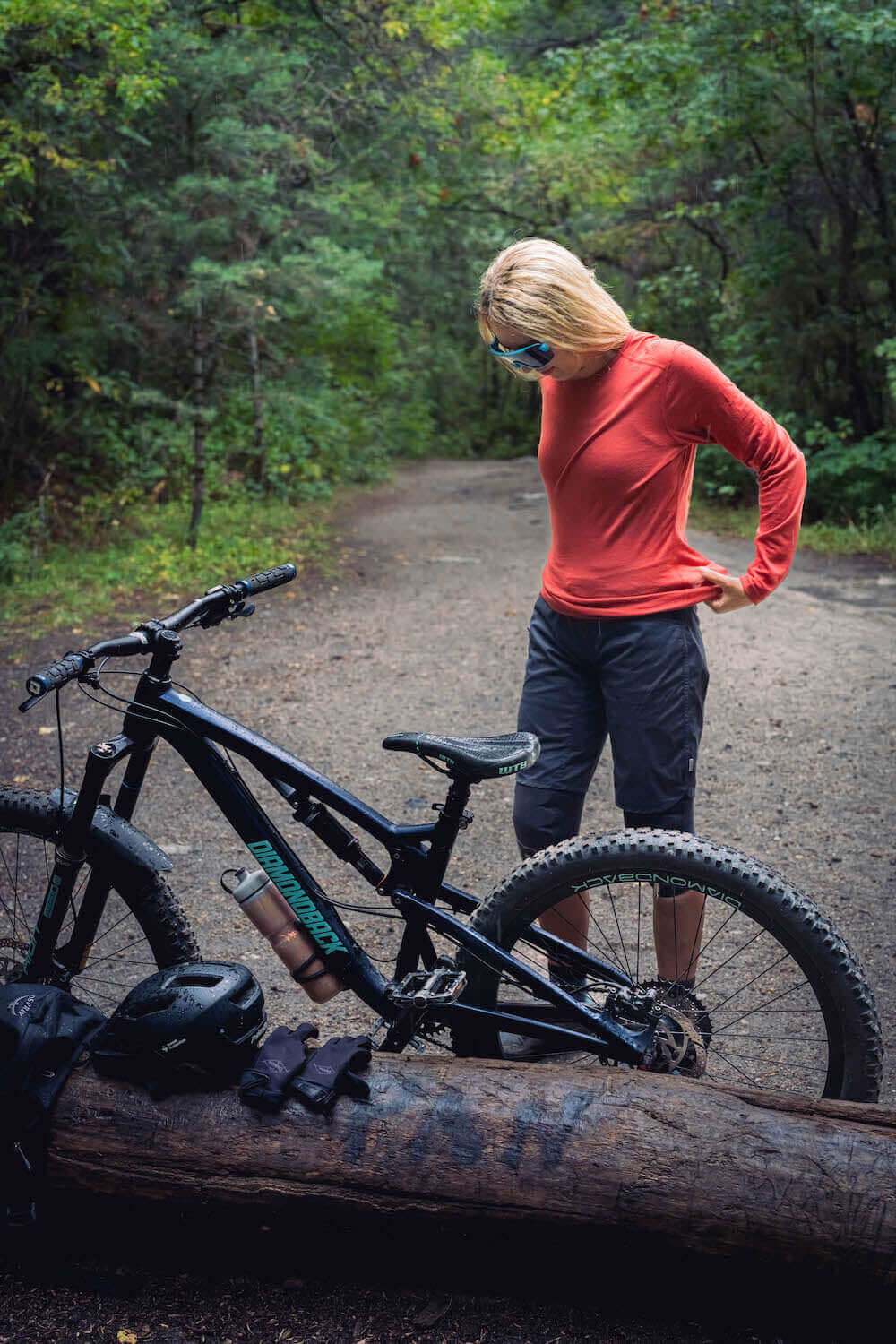
Mountain biking. Queenstown has become one of the best lift-accessed bike parks in the world, with the gondola running bikes all summer and a large trail network in the Wakatipu basin.

Milford Sound
Milford Sound is a fiord in Fiordland National Park, about 290 kilometres from Queenstown by road, and the day trip is roughly twelve hours door to door. That sounds punishing and is worth it.
The drive itself through the Eglinton Valley, Mirror Lakes and the Homer Tunnel is a substantial part of the experience. At the fiord you take a boat out towards the Tasman Sea past Mitre Peak, Stirling Falls and Lady Bowen Falls.
Practicalities. Milford receives over 6 meters of rain a year, and a rainy day is arguably better than a clear one because the cliff walls run with hundreds of temporary waterfalls. Bring a shell. The boat deck is cold and windy in every season and the deck is where you want to be. Sandflies at the wharf are relentless, so bring repellent for this day specifically. Flying in from Queenstown is possible and spectacular and frequently cancelled for weather.
The alternative is Doubtful Sound, larger, quieter and reached via Lake Manapouri, which makes a longer and less crowded trip.
Central Otago Wine and Arrowtown
Central Otago is the southernmost wine region in the world and produces New Zealand's best Pinot Noir, from vineyards in the Gibbston Valley, Bannockburn and Bendigo within half an hour to an hour of Queenstown. The continental climate with hot days and cold nights is what makes it work. Cycle tours along the Gibbston River Trail link several cellar doors, which solves the driving problem neatly.
Arrowtown, 20 minutes away, is a preserved 1860s gold-rush town with a main street of miners' cottages, the restored Chinese settlement along Bush Creek that records the treatment of Chinese miners honestly, and the best autumn colour in the region. It is worth more than the hour most tours allow.
Glenorchy, 45 minutes up the lake on one of the finest short drives in New Zealand, sits at the head of Wakatipu where the Dart and Rees valleys open out. It is the gateway to the Routeburn and a quieter place to stay.
Getting There and Around
Flying. Queenstown Airport is 8 kilometres from town with direct flights from Auckland, Christchurch, Wellington, Sydney, Melbourne and Brisbane. Approaches are scenic and occasionally diverted for wind.
Driving. Christchurch is about 6 hours, Dunedin 3.5, Wanaka 1 hour over the Crown Range, Te Anau 2 hours. A car is the most useful thing you can have here, and the Crown Range road is the highest sealed road in New Zealand and closes or requires chains in winter.
Without a car. Entirely workable. The town centre is walkable, Orbus runs local buses cheaply, InterCity coaches connect the South Island, and every activity and day trip includes transport from town. Hitchhiking is culturally normal in New Zealand, though as anywhere it carries risk.
Driving notes for visitors. Drive on the left. Roads are narrow, winding and often single-lane bridges. New Zealand distances take longer than the map suggests. Winter requires chains on the ski field access roads and they are enforced.
Where to Stay
Central Queenstown puts you walking distance from the restaurants, the lakefront and the gondola. Convenient, lively, noisy on weekend nights, and the most expensive.
Fernhill and Sunshine Bay are a short bus or 20 minute walk from the centre, quieter, with better value and often better views back across the lake.
Frankton and Remarkables Park, near the airport, are the best value and well placed for the ski fields, at the cost of needing transport into town.
Arrowtown makes a charming, quieter base 20 minutes out, and is the better choice in autumn.
Glenorchy is for people who want the head of the lake and the Routeburn on the doorstep, and do not mind being 45 minutes from a restaurant.
Queenstown has a large and well-run hostel scene, which matters for solo travellers: these are social, safe and often the fastest way to find people to hike with. Book well ahead for both summer and the ski season.
What Queenstown Costs
Queenstown is the most expensive town in New Zealand, and worth budgeting honestly for.
Accommodation: hostel dorms from around NZD 40 to 60, private rooms and mid-range hotels from NZD 180 to 350, more in peak season.
Eating: a cafe breakfast NZD 20 to 28, a pub main NZD 28 to 40, a restaurant dinner NZD 50 upwards. Supermarket self-catering saves a great deal.
Activities: bungy NZD 200 to 320, jet boat around NZD 160, skydive NZD 400 plus, Milford day trip NZD 200 to 250, gondola around NZD 60, ski day pass NZD 130 to 180 plus rental.
Free: all the hiking, the lakefront, Arrowtown's main street, and the Botanic Gardens. The best of Queenstown genuinely costs nothing.
Safety for Women in Queenstown
Queenstown is about as easy as solo travel gets. Violent crime is very low, the town is small and walkable, English is the language, and the population is heavily weighted towards travellers and seasonal workers, so a woman on her own is completely unremarkable. Hostels and activity groups make it easy to meet people, and many women pass through here alone without a second thought.
Every real risk is outdoors:
Alpine weather. The single most likely thing to cause trouble. Conditions change fast and the exposed ridges catch it. Check the forecast for your elevation, carry shell and warm layers even on a clear morning, and be willing to turn around.
River crossings. New Zealand rivers rise quickly after rain and drowning is a recurring cause of death among trampers. If a crossing looks doubtful, it is. Wait or turn back.
Tell someone your plan. Use the DOC intentions system or leave word at your accommodation. There is no mobile coverage on much of Ben Lomond or in the Routeburn valley.
Driving. Visitor road accidents are a genuine problem in New Zealand, caused by narrow winding roads, driving on the left and underestimating journey times. Break up long drives.
Sun. New Zealand's UV is among the highest anywhere, driven by thin ozone, clean air and southern summer proximity to the sun. Burns happen fast, including through cloud and off snow. Cover up, wear real sunglasses, and reapply sunscreen.
Alcohol and nightlife. Queenstown has a hard-drinking party scene. The usual precautions around watching your drink and getting home apply as they would anywhere.
What to Pack for Queenstown
The full list is in the Queenstown packing list for women. The essentials:
Base layers. Two Roman Trail Women's Merino Wool Base Layers ($49-59). Merino is the correct fibre for a climate that swings 15 degrees in an afternoon, because it keeps insulating when it is damp with sweat, and it stays wearable for several days of hiking without laundry.
Fleece. The Columbia Women's Fast Trek II Jacket ($65), the layer you will reach for most, in every season.
Insulated jacket. The Columbia Women's Powder Lite II Hooded Jacket ($115), essential May through September and worth carrying on summer alpine days and the Milford boat deck.
Rain and wind shell. The Marmot Women's PreCip Eco Rain Jacket ($110). The most commonly left behind and most commonly needed item here. Wind on the ridges is the bigger problem, not rain.
Boots. The Merrell Women's Moab 3 Waterproof Hiking Boot ($140). Ankle support for the Ben Lomond scree, waterproofing everywhere.
Poles. The Black Diamond Women's Trail Ergo Cork Trekking Poles ($110), which earn their weight over 1,400 meters of descent.
Plus three pairs of merino socks, a wide-brimmed hat with a chin strap, sunglasses with real UV protection, high-factor sunscreen, gloves and a warm hat even in summer, insect repellent for the Milford trip, a refillable bottle, and one decent outfit for town.
Essential Resources for Queenstown
Emergency number in New Zealand: 111, for police, fire and ambulance. For non-urgent police matters, 105.
Search and rescue: call 111 and ask for police, who coordinate land search and rescue. Personal locator beacons can be hired cheaply in Queenstown and are strongly recommended for Ben Lomond and the Routeburn, where there is no mobile coverage.
Track and alpine conditions: the Department of Conservation at doc.govt.nz posts track alerts, closures and hut bookings, and the Mountain Safety Council at mountainsafety.org.nz publishes route-specific risk guidance.
US consular services: the US Embassy in Wellington and the US Consulate General in Auckland cover New Zealand. There is no consulate on the South Island. Contact details and emergency arrangements are at nz.usembassy.gov.
Medical care: Lakes District Hospital in Frankton handles emergencies and there are several urgent-care clinics in town used to treating injured visitors. Dunedin Hospital is the nearest major tertiary centre, about 3.5 hours away. New Zealand's Accident Compensation Corporation covers visitors for treatment of accidental injury, which is unusual and genuinely useful, but it does not cover illness or repatriation, so travel insurance is still necessary.
Official tourism information: Tourism New Zealand at newzealand.com, and the regional site at queenstownnz.co.nz.
Health authority: the New Zealand Ministry of Health at health.govt.nz.
US State Department travel advisory for New Zealand: current advisory level and detail.
UK FCDO travel advice for New Zealand: entry requirements, safety and health guidance.
Solo women travel assessment: Queenstown is one of the safest and easiest places in the world for a woman to travel alone. The town is small and walkable, crime is low, English is the language, and the transient population of travellers and seasonal workers means nobody looks twice at a woman on her own in a hostel, a bar or on a trailhead shuttle. The things that actually hurt visitors here are weather on exposed ridges, river crossings, road accidents and sun, none of which discriminate. Check the mountain forecast rather than the town one, hire a locator beacon for the big walks, tell someone where you are going, and take the driving distances seriously.
Queenstown FAQ
How many days do I need? Four nights is a reasonable minimum: one to settle and walk Queenstown Hill, one for Ben Lomond, one for Milford, one for the wine country or Arrowtown. A week lets you add the Routeburn, Glenorchy and Wanaka without rushing.
Queenstown or Wanaka? Queenstown for activities, nightlife, transport links and the bigger range of accommodation. Wanaka, an hour away, is quieter, cheaper and closer to Mount Aspiring National Park. Many people split the trip between both.
Do I need a car? Not strictly. Everything organised includes transport from town. A car gives you Glenorchy, the Crown Range, the wineries and Arrowtown on your own schedule, which is a real gain.
Is it worth visiting in winter if I do not ski? Yes. The gondola, the hot pools, the winelands and the Arrowtown snow are all good, and the town is at its most atmospheric. Note that some alpine tracks are closed or require mountaineering skills.
What should I eat? New Zealand lamb and venison, green-lipped mussels, Bluff oysters in season from March, Central Otago Pinot Noir, and a Fergburger at two in the morning because that is the local custom.
Is the tap water safe? Yes, and excellent. Do not drink untreated stream water on the tracks, because giardia is present.
Reading On
Queenstown is usually one stop on a longer South Island trip. The New Zealand travel guide for women covers the country as a whole, and the South Island guide for women covers how Queenstown connects to Fiordland, the West Coast and the Southern Alps. For the layering logic underneath all of it, the merino wool base layer guide explains why one fibre handles a 15 degree swing. The full collection is at Roman Trail women's merino base layers.
If the outer journey is calling you, the inner one usually is too. Explore SoulMap at romantrail.com/blogs/soulmap.
Blog posts
View all-

Packing List for Skardu, Pakistan: What Women S...
What to pack for Skardu, Pakistan: the capital of Baltistan, the cold desert, Deosai plains, the road head for K2, and how to get there legally.
Packing List for Skardu, Pakistan: What Women S...
What to pack for Skardu, Pakistan: the capital of Baltistan, the cold desert, Deosai plains, the road head for K2, and how to get there legally.
-

Packing List for Naran, Pakistan: What Women Sh...
What to pack for Naran, Pakistan: the Kaghan valley, Saiful Muluk lake, the Babusar Pass as the compliant road north, and the permission you need before you go.
Packing List for Naran, Pakistan: What Women Sh...
What to pack for Naran, Pakistan: the Kaghan valley, Saiful Muluk lake, the Babusar Pass as the compliant road north, and the permission you need before you go.
-

Packing List for Multan, Pakistan: What Women S...
What to pack for Multan, Pakistan's city of saints: the Sufi shrines, the blue tilework, the mango orchards, and heat that reaches the high forties.
Packing List for Multan, Pakistan: What Women S...
What to pack for Multan, Pakistan's city of saints: the Sufi shrines, the blue tilework, the mango orchards, and heat that reaches the high forties.


Contact form

Roman Trail Outfitters
Merino Wool Women's Long Sleeve Top | Crew Neck Shirt | Deep Olive