Portland Travel Guide for Women: Everything You Need to Know
Portland is the most liveable-feeling city in the American West and the one that rewards a slower trip than most. A city of 650,000 people where the Willamette meets the Columbia, it has Mount Hood on the eastern horizon, one of the largest urban forests in the United States on its western hills, a canyon full of waterfalls half an hour away, the biggest independent bookstore in the world downtown, and no sales tax on anything you buy while you are here.
This guide covers what a woman planning a Portland trip actually needs: an honest account of the rain and how locals actually handle it, a straight answer on downtown safety, how the neighbourhoods differ and which ones to base yourself in, how to do Forest Park, the Columbia River Gorge, and Mount Hood, how the food cart scene works, how to get around by MAX and bike, what a week costs, where to stay, and what to pack.
The packing challenge is damp rather than cold. Portland runs 4 to 14 degrees with persistent fine drizzle for eight months of the year, and the single thing that separates a comfortable trip from a miserable one is wearing fabric that keeps working wet. The second thing is accepting that nobody here carries an umbrella.
The Rain: What It Actually Does
Portland's reputation is both accurate and misleading, and the distinction matters for what you pack.
The city receives around 940mm of rain a year, less than New York, Boston, or Miami. What it has instead is roughly 155 days a year with measurable rain, almost all of it between October and May, and very little sun through that stretch. Portland is damp and dim rather than drenched.
The rain itself is a fine persistent drizzle rather than downpours. It starts without warning, stops without warning, and returns. Which is why the most useful local habit to adopt is this: Portlanders do not use umbrellas. A hood handles sideways drizzle better and leaves your hands free, and an umbrella identifies you as a visitor faster than anything else you could do.
The second half of the picture is that Portland summer is spectacular and almost completely dry. From early July through mid-September it rarely rains at all, temperatures sit at 24 to 30 degrees with low humidity, the evenings stay light until nearly 9pm, and the entire city relocates outdoors. Visitors who pack only for the rainy Portland of reputation spend August carrying a shell they never open.
Is Portland Safe for Women Travelers
Portland deserves a straight answer here rather than either reassurance or the version you may have absorbed from national news coverage.
The neighbourhoods worth visiting are comfortable. The Pearl District, Nob Hill and NW 23rd, Alberta Arts, Mississippi Avenue, Hawthorne, Division, Sellwood, and Multnomah Village are all walkable, busy in the evening, and unremarkable for a woman on her own. Solo dining is completely normal, and the coffee shop and food cart culture makes eating alone the default rather than an exception.
Downtown is the honest exception. Old Town Chinatown and parts of the downtown transit mall have visible homelessness, open drug use, and street disorder that has been a real and much-reported problem in Portland since 2020. The city has made progress and the situation is not what it was at its worst, but it is still confronting, particularly at night, and it sits immediately beside the hotels and the Powell's block that most visitors head for. It is more unsettling than dangerous for most people, but check a map before booking a downtown hotel and prefer the west end near the Pearl over Old Town.
Car break-ins are Portland's most common crime affecting visitors, and the city has among the higher rates in the country. They happen at Forest Park trailheads, Gorge parking areas, and hotel garages as much as on the street. Leave nothing visible in a parked car, including in the boot, and consider leaving the glovebox open and empty so it is obvious there is nothing to take.
The outdoor risks deserve equal billing and are more likely to actually affect you. Forest Park is a genuine forest with 130 kilometres of trail, patchy phone signal, and easy disorientation once you leave the main routes, so carry an offline map. The Gorge waterfall trails are slick wet basalt year round and people are injured on them every season. And Mount Hood is a glaciated volcano where the weather changes fast and conditions at 1,800 metres bear no relation to the city forecast.
Emergency number is 911. Police non-emergency is 503 823 3333, staffed 24 hours. City services and non-emergency reports go through 311.
Portland's Seasons
Summer, July through mid-September, is the best time to visit and it is not close. Dry, sunny, 24 to 30 degrees, long evenings, every patio and food cart pod open, the Gorge and Hood at their most accessible. It is also the busiest and most expensive stretch. Two caveats: extreme heat events have hit Portland in recent years and a great many older buildings have no air conditioning, and wildfire smoke can affect air quality in August and September, sometimes severely.
Early autumn, late September through October, is the underrated window. Mild at 15 to 20 degrees, the Gorge and the Willamette Valley turn, the crowds thin, the wine country south of the city is in harvest, and the rain has not fully arrived.
Winter, November through February, is mild but grey and wet at 4 to 10 degrees. Snow in the city is rare and brief, though Portland handles the occasional ice storm poorly. What defines it is the light, or the lack of it. The compensation is that this is when the city's indoor culture, meaning the bookshops, the coffee, the food, the bars, is at its best, and hotel rates are at their lowest. Mount Hood ski season runs through it.
Spring, March through June, is wet through April and improves steadily. The rhododendrons at Crystal Springs and the Japanese Garden peak in April and May, the tulip fields south of the city bloom in late March and April, and by mid-June the good weather usually arrives.
Portland by Neighbourhood
Downtown and the Pearl District
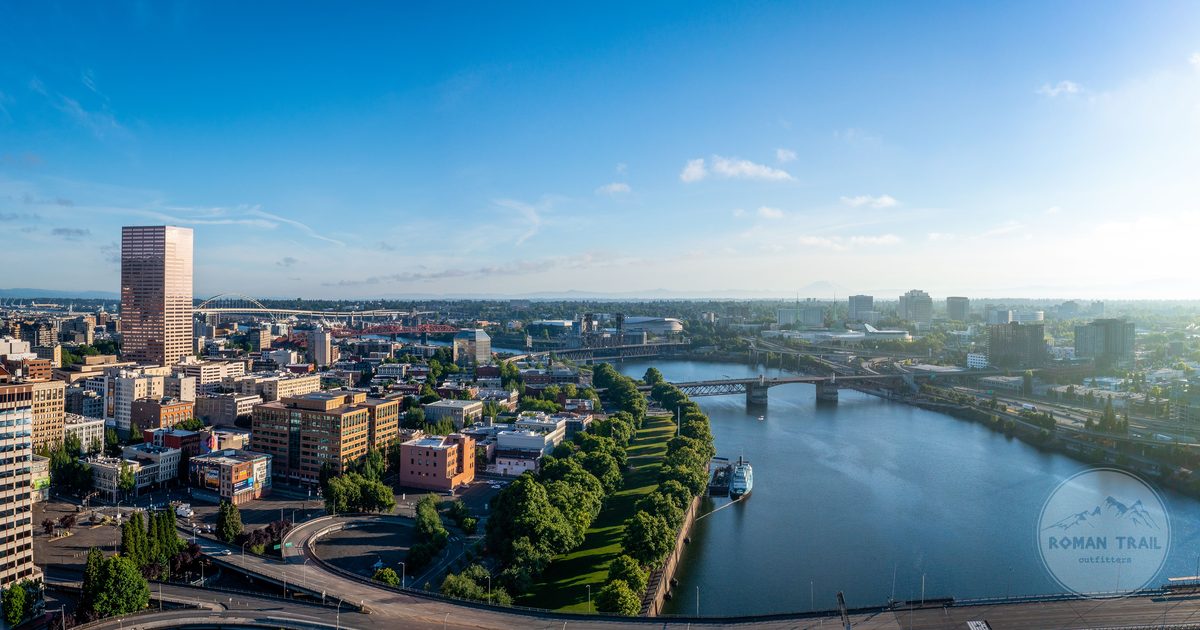
Downtown holds Powell's City of Books, which occupies a full block and is the largest independent bookstore in the world, plus the Portland Art Museum, Pioneer Courthouse Square, and the Saturday Market under the Burnside Bridge. The Pearl District immediately north is a converted warehouse district with galleries, the best of the city's design shops, and Jamison Square. The Pearl is the more comfortable half of the two.
Nob Hill and Northwest
NW 23rd and 21st Avenues are the most pleasant walking streets in the city, lined with Victorian houses converted into shops and restaurants, and they sit at the foot of the hills that lead into Forest Park and Washington Park.
Alberta, Mississippi, and Northeast
NE Alberta Street is the arts district, with the best murals in the city and a monthly Last Thursday street event in summer. N Mississippi Avenue nearby has the best concentration of small bars and restaurants in Portland. Both are where the city feels most like itself.
Hawthorne, Division, and Southeast
SE Hawthorne Boulevard is the enduring counterculture strip: vintage shops, record stores, and the Bagdad Theater. SE Division a few blocks south has become the most serious restaurant street in Portland. Sellwood further south has the antiques and the Springwater Corridor trail.
Forest Park, Washington Park, and the Gardens
Forest Park is 2,100 hectares of second-growth Douglas fir on the hills immediately west of downtown, one of the largest urban forests in the United States, with 130 kilometres of trail. The Wildwood Trail runs 48 kilometres through it. It is a genuine forest rather than a park: signal is patchy, the trails braid, and it is easy to lose your bearings, so download an offline map. The Lower Macleay Trail to the Stone House, a mossy ruined shelter about 1.5 kilometres in, is the best short introduction.
Washington Park adjoins it and holds three things worth going for. The Portland Japanese Garden is widely considered the finest Japanese garden outside Japan, and the newer Kengo Kuma buildings are worth the admission on their own. The International Rose Test Garden is free, has more than 600 rose varieties, and peaks in June, which is why Portland is the Rose City. Hoyt Arboretum has 300 hectares of trees and better views.
All three are reachable on the MAX Red or Blue line to Washington Park station, which is the deepest transit station in North America at 79 metres underground.
The Columbia River Gorge and Mount Hood
The Columbia River Gorge begins 30 minutes east and is the single best day out of Portland. The river cut an 1,200 metre deep canyon through the Cascades, and the Oregon side has the densest concentration of waterfalls in North America.
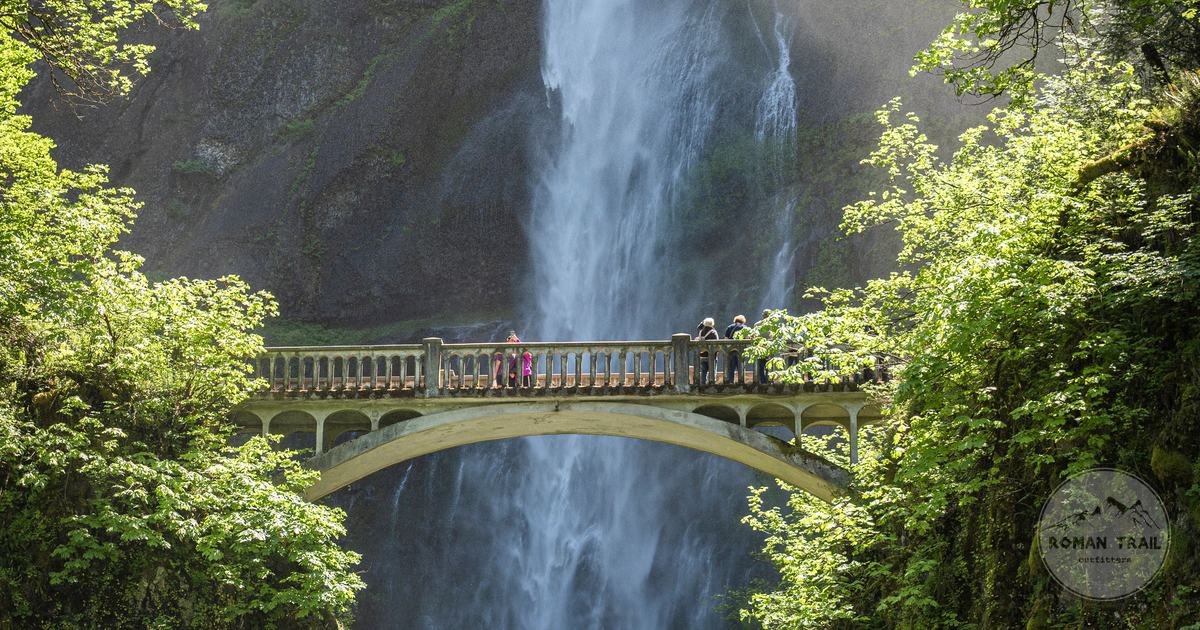
Multnomah Falls drops 189 metres in two tiers beneath the stone Benson Bridge and is the most visited natural site in Oregon. Latourell, Bridal Veil, Wahkeena, and Horsetail Falls are all along the Historic Columbia River Highway within a few kilometres. Note that the Multnomah Falls area has operated timed-entry permits in peak season, so check before driving out.
Practicalities: the trails are wet basalt year round and slick from spray even on dry days, the canyon funnels wind hard, and it runs colder than the city. Waterproof shoes with grip are the requirement. The 2017 Eagle Creek fire closed a great many trails and some remain affected, so check current conditions.
Mount Hood is 90 minutes east, a 3,429 metre glaciated stratovolcano and Oregon's highest point. Timberline Lodge at 1,800 metres is a WPA-era masterpiece of hand-built timber and stone, worth the drive purely as a building, and Timberline is the only ski area in North America with a lift-served season that runs essentially year round. Trillium Lake gives the postcard reflection shot. Treat it as a genuinely different climate: 10 to 15 degrees colder than Portland with fast-changing weather, and carry chains in winter, when Oregon enforces traction requirements on the mountain passes.
Food Carts, Coffee, and Eating in Portland
Portland's food reputation is earned and it is unusually accessible, because a great deal of the best eating happens at carts costing under 15 dollars.
The food cart pods are clusters of permanently parked kitchens with shared seating, and they are a genuine institution rather than a novelty. The scene shifted after several downtown pods closed, and the centre of gravity is now in the eastside pods, with Cartopia at SE 12th and Hawthorne, Prost Marketplace on N Mississippi, and Hawthorne Asylum among the largest. Expect Georgian, Thai, Egyptian, Venezuelan, and half a dozen other cuisines in one lot.
Coffee is taken seriously and the standard is uniformly high. Stumptown is the name that travelled, but Coava, Heart, and Never Coffee are where locals go.
Beer is the other thing Portland does at scale, with more breweries than any comparable American city.
Also worth your time: Voodoo Doughnut is the famous one and Blue Star is the better one. Pok Pok made Portland's name for Thai food. And the Sunday farmers market at Portland State University is the best in the region between June and October.
Getting Around Portland
Portland is the most transit-and-bike friendly major city in the American West, and you do not need a car for the city itself.
TriMet runs the MAX light rail, the buses, and the Portland Streetcar on one fare. A single ticket is around $2.80 and a day pass around $5.60, paid through the Hop Fastpass card or by tapping a contactless card or phone. The MAX Red Line runs from Portland International Airport to downtown in about 38 minutes for the price of a normal fare, which is one of the better airport connections in the country.
Cycling is genuinely mainstream here rather than aspirational, with protected lanes across much of the city and BIKETOWN bike share widely available. The Waterfront Park and Springwater Corridor routes are flat and pleasant.
Walking works well within neighbourhoods, less well between them, since Portland's grid is large and the eastside commercial streets are far apart.
You do need a car for the Gorge and Mount Hood. There is no useful public transport to either. Rentals run $50 to $90 per day. In winter, Oregon enforces traction tyre or chain requirements on the mountain passes, so confirm what your rental has.
What Portland Costs
Portland sits in the middle of the American range, cheaper than Seattle or San Francisco and no longer inexpensive, with one structural advantage.
Oregon has no sales tax. The price on the tag is the price you pay, on everything, which is a real 8 to 10 percent saving against most of the country and makes Portland a genuinely good place to buy outdoor gear, books, and clothing.
Budget travel runs $110 to $175 per day: a hostel bed at $40 to $75, food carts and casual eating at $30 to $45, transit at $5.60, and free attractions including Forest Park, the Rose Garden, Powell's, and the Saturday Market.
Mid-range runs $250 to $400 per day: a hotel room at $160 to $290, $70 to $100 on food including one proper dinner, and a rental car day for the Gorge at $70 to $110 including fuel.
Luxury starts around $550 per day, with the better downtown and Pearl hotels at $300 to $600.
Tipping is not optional in the United States. Restaurants expect 18 to 22 percent, bars $1 to $2 per drink, food carts have a tip screen where 10 to 15 percent is normal, and rideshare 15 to 20 percent.
Where to Stay in Portland
The Pearl District is the best all-round base: walkable to downtown and Powell's, safe and pleasant at night, with good restaurants and the streetcar running through it. Expect $170 to $320 per night.
Nob Hill and NW 23rd is the most charming option, residential and leafy, at the foot of the trails into Forest Park, at $150 to $290, with a streetcar ride into the centre.
Downtown has the largest hotel supply and the best prices for the standard of room at $130 to $260, and this is where the caveat applies: check which blocks specifically, because the west end near the Pearl is a different experience from Old Town Chinatown a few streets away.
The eastside, meaning Alberta, Mississippi, or Central Eastside, has boutique hotels and rentals at $130 to $250 and puts you in the neighbourhoods where Portland is most itself, with a 15 to 20 minute ride into the centre.
For solo women specifically: Portland hotels have staffed reception and card-access lifts as standard. Look at the specific block rather than the neighbourhood label for anything downtown, and if you are renting a car for the Gorge, check whether the hotel has secured parking, since car break-ins are the city's most common crime and hotel garages are not exempt.
ROMAN TRAIL GUIDE
Your complete packing guide, in one ebook.
64 pages. 12 printable checklists. Every climate and trip type.
Get the Guide, $19What to Pack for Portland
Portland packs for damp rather than cold, and for the fact that the local answer to rain is a hood.
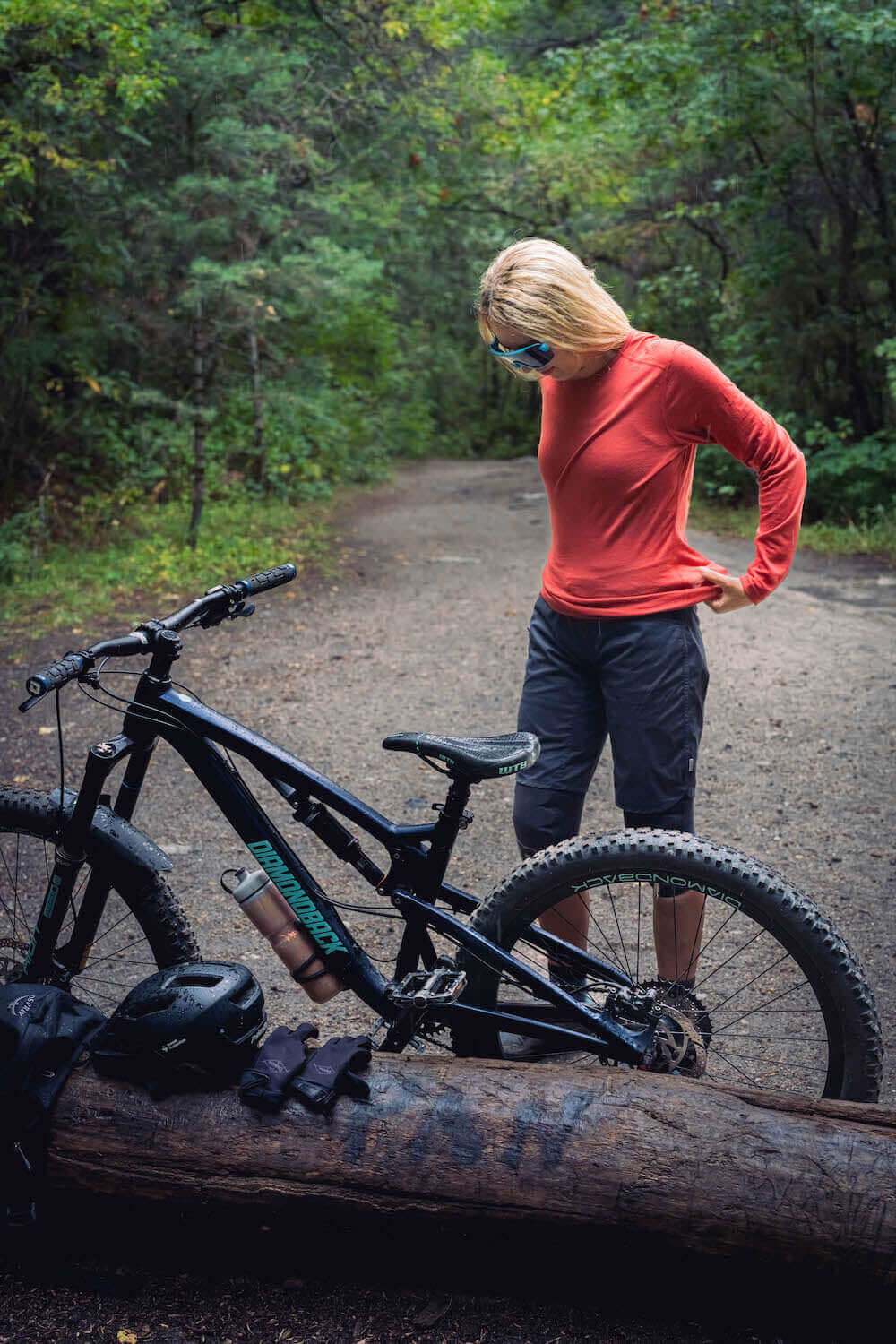
The Marmot Women's PreCip Eco Rain Jacket ($110) is the first item in the bag and it belongs there from October through May, with June and September close behind. Prioritise the hood, since that is what replaces the umbrella you are deliberately not bringing, and it doubles as the wind layer in the Gorge, where the canyon funnels wind hard enough to make Hood River the windsurfing capital of the country.
Under it, the Roman Trail Women's Merino Wool Base Layer ($49-59) is the right foundation for a cool damp maritime climate for one specific reason: wool insulates when wet and cotton does the opposite. A cotton layer that has absorbed a morning of Pacific Northwest drizzle stops warming you and starts cooling you, which is the mechanism behind most of the misery visitors report in a Portland November. In summer the same layer handles cool mornings and evenings without overheating at midday. Two of them cover a week.
The Columbia Women's Fast Trek II Jacket ($65) is the everyday mid layer for eight months of 8 to 14 degrees, and a fleece under a shell is simply what people wear here. For Mount Hood, for the Gorge in winter, or for any trip between December and February, add real insulation on top of that.
Footwear is the decision that determines how much of the outdoors you actually enjoy. The Merrell Women's Moab 3 Waterproof Hiking Boot ($140) handles Forest Park, which is mud from October through May, and the Gorge waterfall trails, which are slick wet basalt in every season from spray alone, and copes with wet city pavement. Pair with Darn Tough Women's Hiker Micro Crew Merino Socks ($28), because damp feet are the default hazard here for most of the year. Add one comfortable casual pair for the city.
Bring a brimmed hat instead of an umbrella, and leave space in the bag. No sales tax plus a genuinely good independent retail scene makes Portland one of the better American cities to buy things in.
The full clothing list, including what each of the outdoor days actually requires, is in the Portland packing list for women.
Browse the Roman Trail women's merino base layer collection, the layer that keeps working when Pacific Northwest damp gets into everything else, available in eight colors with free two-day shipping and a two-year satisfaction guarantee.
Day Trips from Portland
The Oregon Coast is 90 minutes west. Cannon Beach has Haystack Rock rising 72 metres from the sand and is the classic day. Astoria at the mouth of the Columbia has the Victorian houses and the maritime museum. The coast is cooler and windier than the city in every season, so take the layers.
The Willamette Valley wine country begins 45 minutes southwest around Dundee and Newberg, and produces some of the best Pinot Noir in the world. Harvest is September and October.
The Painted Hills, part of the John Day Fossil Beds, are three and a half hours east and are the most extraordinary landscape in Oregon, though they need a full day or an overnight. Silver Falls State Park, an hour south, has a 13 kilometre loop past ten waterfalls, including several you walk behind.
Essential Resources for Women in Portland
Emergency number: 911 for all emergencies (police, ambulance, fire).
Police non-emergency: +1 503 823 3333, staffed 24 hours. City services and non-emergency reports: 311, or portland.gov
Hospitals: OHSU Hospital, 3181 SW Sam Jackson Park Road, +1 503 494 8311, and Legacy Emanuel Medical Center, 2801 N Gantenbein Avenue, +1 503 413 2200. These are Oregon's only two Level 1 trauma centres, and Legacy Emanuel houses the only burn centre between Seattle and Sacramento. Providence Portland Medical Center, 4805 NE Glisan Street, +1 503 215 1111. All have 24-hour emergency departments.
Official health authority: Multnomah County Health Department, multco.us/health
Road and pass conditions: Oregon Department of Transportation, tripcheck.com, essential for Mount Hood and the Gorge in winter.
Trail and permit information: Oregon State Parks, stateparks.oregon.gov, and the US Forest Service for Columbia River Gorge timed-entry permits and trail closures.
Air quality: Oregon DEQ publishes live readings, worth checking during wildfire season in August and September.
Official tourism authority: Travel Portland, travelportland.com, and Travel Oregon, traveloregon.com
Travel advisories: US citizens travelling domestically need no advisory. International visitors should check their own government's United States advice, including the UK FCDO travel advice for the USA.
Solo women safety assessment: Portland is comfortable for solo women travelers across the neighbourhoods worth spending time in, including the Pearl District, Nob Hill, Alberta, Mississippi, Hawthorne, Division, and Sellwood, all of which are walkable and busy into the evening, with solo dining entirely unremarkable. The honest exception is downtown, specifically Old Town Chinatown and parts of the transit mall, where visible homelessness and open drug use remain a real issue that is more unsettling than dangerous but worth routing around at night and worth checking block by block before booking a downtown hotel. Car break-ins are the city's most common crime affecting visitors and occur at Forest Park and Gorge trailheads as readily as on the street, so leave nothing in a parked car; and the risks most likely to actually injure you here are outdoors, namely disorientation in Forest Park, where signal is patchy and the trails braid, and slick wet basalt on the Gorge waterfall paths in every season.
Ready to plan your wardrobe for the trip? The complete Portland packing list for women covers the drizzle, the mud, and what the Gorge and Mount Hood actually require.
Related Reading
Portland pairs naturally with the other Pacific Northwest city, so see the Seattle travel guide for women if you are doing both, since the climates are similar and the packing list transfers almost exactly. The Roman Trail travel packing guide for women covers the packing system behind every destination on this site, and the guide to the best merino wool base layers for women explains why wool that insulates when damp is the right choice in a maritime climate. For Portland specifically, the Portland packing list for women has the full detail.
ROMAN TRAIL GUIDE
Your complete packing guide, in one ebook.
64 pages. 12 printable checklists. Every climate and trip type.
Get the Guide, $19If the outer journey is calling you, the inner one usually is too. Explore SoulMap at romantrail.com/blogs/soulmap.
What are Roman Trail base layers made from?
Roman Trail base layers are made from 100% Australian Merino wool, with no synthetic fibers blended inromantrail.com. This means you get pure merino fabric known for its softness and performance. The wool fibers are ultra-fine (17.5 micron) and the fabric is lightweight (160 GSM), making the shirts super soft and comfortable on your skinromantrail.com. No polyester or “plastic” content is used – it’s all-natural merino, so you can enjoy the full benefits of this premium wool without any added materialsromantrail.com.
Do Roman Trail merino garments use any synthetic or plastic fibers?
No – “No plastic, just merino” is a core principle at Roman Trail Outfittersromantrail.com. Unlike some competitors who wrap wool around a synthetic core, Roman Trail uses the highest possible merino content (in fact, 100% merino wool) in its garmentsromantrail.com. This means there are no synthetic fibers or plastics in our base layers. By avoiding synthetic blends, our merino wool tops retain maximum breathability and natural performance, and you won’t have to worry about microplastic pollution from our clothingromantrail.comtheprofessionalhobo.com.
Will a merino wool base layer keep me warm in cold weather?
Yes – merino wool is excellent at keeping you warm when it’s cold out. The fine wool fibers trap heat close to your body, providing insulation in chilly conditionsromantrail.com. Even if the fabric gets damp from sweat or snow, it retains warmth better than cotton or other materials, which is why hikers and skiers trust merino to help prevent hypothermiaromantrail.comtheprofessionalhobo.com. Roman Trail’s base layer is a mid-light weight (160gsm) merino, ideal as a thermal first layer in fall, winter, and spring. For very cold temperatures, wear it as a base layer under a fleece or jacket for added insulation. It will keep you cozy on its own in cool weather and serve as a critical warming layer when you’re in freezing climates.
Can I wear merino wool in hot weather or summer?
Absolutely. Merino wool is highly breathable and temperature-regulating, so it’s not just for winterromantrail.com. In warmer conditions or summer, merino pulls moisture (sweat) away from your skin and releases heat, which helps keep you cool and dryromantrail.comromantrail.com. The Roman Trail 160gsm shirts are lightweight enough for moderate or even warm weather use. Many travelers wear merino tees in hot climates because the fabric breathes well and doesn’t make you overheat. So yes, you can comfortably wear our merino base layer on a summer hike or a warm day — it will help wick sweat and won’t feel stifling.
Does merino wool wick moisture and dry quickly?
Yes. One of merino wool’s best qualities is its moisture-wicking abilityromantrail.com. Merino fibers can absorb up to 30% of their weight in water vapor without feeling wetromantrail.com, pulling sweat away from your skin and into the fabric. This keeps you dry and prevents that clammy feeling during intense activity. The moisture then evaporates out of the wool relatively quickly compared to cotton. While merino may not dry quite as fast as a thin synthetic, it still dries fast and keeps insulating you even when dampromantrail.com. In practice, a merino shirt will dry overnight after washing in most conditions. Its ability to manage moisture means you stay comfortable whether you’re climbing a hill or walking in humid weather.
How many days can I wear a merino wool shirt without washing?
Merino wool can be worn for multiple days in a row because it naturally resists odor buildupromantrail.com. Many customers find they can wear their Roman Trail merino base layer for several days – even a week or more – on a trip before it starts to smell. The wool fibers have antimicrobial properties that prevent odor-causing bacteria from thriving, so the shirt won’t stink like a cotton or synthetic shirt mightromantrail.com. Of course, the exact number of days will depend on your activity and personal comfort, but it’s not uncommon to get 3-5 (or more) wears before washing. This makes merino ideal for travel and camping, when doing laundry is difficult. Just be sure to let the garment air out between uses, and once it does eventually get dirty or develop odor, give it a proper wash (in cold water, gentle cycle).
Is merino wool itchy or scratchy?
No – merino wool is not itchy like traditional wool. In fact, it’s prized for being soft and comfortable against the skinromantrail.com. Merino fibers are extremely fine (Roman Trail uses ~17.5 micron wool), which makes the fabric feel smooth and almost silky instead of pricklyromantrail.comromantrail.com. Even if you usually find wool sweaters itchy, merino wool base layers shouldn’t irritate your skin. Our customers often comment on how soft and non-scratchy the shirts feel. You can easily wear a Roman Trail merino top as your only layer without an undershirt – it’s that comfortable. The softness plus breathability also means you won’t get that “itchy and hot” feeling; instead you’ll barely notice you’re wearing wool.
Is the fabric really soft and comfortable for all-day wear?
Yes, merino wool is extremely soft and comfortable for extended wear. Roman Trail’s shirts use superfine merino fibers, giving them a luxurious feel on your skinromantrail.com. Unlike coarser wool, merino drapes gently and doesn’t poke or irritate. It’s also great for all-day wear because it breathes well and regulates temperature – meaning you stay comfortable hour after hour without getting too hot or coldromantrail.comromantrail.com. The natural stretch of the knit allows the shirt to move with you, so whether you’re on a long flight or a full-day hike, you won’t feel restrictedromantrail.com. In short, our merino base layer is designed to feel good next to your skin for the entire day, keeping you cozy when you’re inactive and cool when you’re active.
How durable are merino wool clothes? Will they last?
Merino wool is fine but surprisingly durable for its weightromantrail.com. Roman Trail base layers are built to withstand regular outdoor use and repeated washing without losing their shape or performanceromantrail.com. With proper care, a high-quality merino wool shirt can last for yearsromantrail.com. The fibers have a natural elasticity that helps prevent wrinkling and helps the garment return to shape after stretchingtheprofessionalhobo.com. That said, merino is not indestructible – it’s softer than synthetic, so you should avoid abrasive surfaces (like wearing it under a rough backpack without a shell layer) to minimize pilling or small holes. Following good care habits (gentle washing, avoiding high heat) will further extend its life. Many people find the investment in merino pays off because the pieces remain in good condition for a long time and don’t need to be washed as often as other shirtsromantrail.com. And don’t forget, Roman Trail offers a robust guarantee: if something does fail prematurely, we’ll make it right (see our warranty FAQ below).
Is merino wool clothing worth the price?
For most people, yes – merino wool is worth the investment. While merino garments cost more upfront than basic cotton or synthetic, they offer huge benefits that can actually save you money and hassle in the long run. Merino wool can be worn multiple times between washes (thanks to odor resistance), meaning you need fewer shirts on a trip and do less laundryromantrail.com. The fabric’s durability and timeless comfort also mean you’ll get years of use, rather than replacing cheaper shirts frequentlyromantrail.com. From a performance standpoint, merino replaces several types of specialty clothing – it keeps you warm like a sweater, cool like a tech tee, and fresh like an odor-resistant athletic shirt, all in one. Additionally, merino’s environmental benefits (biodegradability, no microplastics) make it a responsible choicetheprofessionalhobo.com. If you value comfort, versatility, and longevity, merino wool base layers are absolutely worth the cost. Many travelers and outdoor enthusiasts consider their merino shirt one of their best gear investments.
What’s the difference between merino wool and cotton?
Merino wool outperforms cotton in almost every way when it comes to active or travel clothing. Cotton retains moisture– if you sweat or get wet, cotton will soak it up and stay wet, which makes you cold and uncomfortabletheprofessionalhobo.com. Merino, on the other hand, wicks moisture and still insulates when damp, helping keep your body temperature stabletheprofessionalhobo.com. Cotton also tends to hold odors and can mildew; merino is naturally odor-resistant and stays fresh longerromantrail.com. In cold weather, cotton offers almost no warmth once wet (the old saying “cotton kills” for outdoor wear), whereas merino keeps you warm even if it gets wet from perspiration or light raintheprofessionalhobo.com. Cotton is fine for casual everyday wear, but for hiking, traveling, or any situation where you might sweat or face changing weather, merino wool is a far superior choice. It provides better warmth, moisture management, and odor control than cotton canromantrail.comromantrail.com.
How does merino wool compare to synthetic fabrics (like polyester or fleece)?
Merino wool has some clear advantages over synthetics, though each has its place. The big benefit of merino is odor resistance – unlike polyester, merino wool inhibits bacteria growth, so it doesn’t get stinky after one useromantrail.com. Merino is also more breathable and regulates temperature better, keeping you comfortable over a wider range of conditions (it insulates in cold and won’t make you overheat in warmth)romantrail.comromantrail.com. Additionally, merino is a sustainable, natural fiber, whereas synthetic fabrics are made from petrochemicals and shed microplastic fibers into the environmenttheprofessionalhobo.com. On the other hand, synthetic base layers (like polyester or poly-spandex blends) can be a bit more durable with rough use and do dry extremely fast. They’re often cheaper as well. However, synthetics tend to start smelling very quickly once you sweat in them, and they don’t feel as cozy against the skin. Even a popular outdoor brand concluded that merino wins on softness, temperature control, odor resistance, and sustainability compared to fleeceromantrail.com. In summary, merino offers superior comfort and odor performance for everyday wear and multi-day use, while synthetics might edge out in short-term durability or cost. Many people now prefer merino for the majority of uses and don’t miss those plasticky polyester shirts at all.
What sizes do Roman Trail base layers come in, and do they fit true to size?
Roman Trail merino tops are offered in women’s sizes XS, S, M, and Lromantrail.com. They are designed with a regular, athletic fit that is true to size for most women. That means the shirt should feel fitted (to efficiently wick moisture) but not compression-tight or restrictive. The cut is meant to be flattering and “forgiving,” with a bit of extra length in the back for coverageromantrail.com. If you’re between sizes or prefer a looser fit, we suggest sizing up, as the material does drape nicely and you’ll still get the benefits of the wool. Conversely, if you want it very snug as a purely thermal layer, you can choose the smaller size. Overall, customers report that the sizing is consistent with typical women’s shirt sizes and the fit is comfortable – not baggy, not overly tight. (Be sure to consult our size chart for detailed measurements to get the best fit.)
How should a merino wool base layer fit?
A merino base layer should fit snugly but comfortably against your body. You don’t want a lot of loose fabric, since the goal is to trap your body heat and pull moisture off your skin. Roman Trail’s shirts have an ergonomic cut that skims the body without feeling restrictiveromantrail.com. The natural stretch of merino allows for free movement even in a close fit. When you try it on, the shirt should lay close to your torso and arms, but you should be able to reach and stretch without the seams digging in. Our design includes features like flatlock seams and extra back length to ensure the shirt moves with you and stays in placeromantrail.com. In short, fitted is best – think of it like a comfortable second skin. If it’s too loose, it won’t perform as well in terms of wicking and warmth; if it’s too tight, it could restrict motion or comfort. The sweet spot is a nice athletic fit that you can wear on its own or under other layers seamlessly.
Do you offer merino base layers for men?
Currently, Roman Trail Outfitters specializes in women’s merino wool base layers. Our designs are tailored to fit the female form with specific cuts and styling for womenromantrail.com. At this time we do not have a men’s line, so the available sizes are women’s XS-L. However, men looking for merino shirts aren’t completely out of luck – a male customer on the smaller side could potentially wear one of our larger sizes, though the cut is optimized for women’s proportions. We recognize the interest in men’s merino apparel, and as our brand grows, we may expand our offerings. For now, our focus is on providing the best women’s merino base layers possibleromantrail.com. Men seeking similar quality can look at other merino brands, but keep an eye on Roman Trail in the future!
What activities are merino wool base layers good for?
Merino base layers are incredibly versatile – you can use them for almost any activity where comfort and performance matter. Roman Trail base tops are popular for hiking, backpacking, camping, and mountain biking – basically any outdoor adventureromantrail.com. They’re also great for running and workouts, since merino wicks sweat and breathes to keep you comfortable. In cold-weather sports like skiing or snowboarding, a merino base layer is an excellent first layer to keep you warm under your jacket. Travelers love merino for long flights and multi-day trips (no odors, easy to re-wear) – more on that below!romantrail.comromantrail.com. Even for everyday use, you can wear the merino top on its own as a casual shirt or under a sweater or blazer in cooler weather. In summary, these base layers are suitable for hiking, running, camping, skiing, traveling, and everyday wear – basically anytime you want a comfortable, moisture-managing shirt. Merino wool adapts to a wide range of conditions, so it truly is an all-purpose staple for both outdoor adventures and daily liferomantrail.comromantrail.com.
Can I wear a merino wool base layer on a plane or for travel?
Yes, merino wool is one of the best choices for travel and long flights. We highly recommend wearing your Roman Trail merino top on airplanes. Why? First, merino regulates temperature amazingly well – it will keep you warm walking through a chilly airport terminal, yet it won’t overheat you when the plane’s cabin gets warmromantrail.comromantrail.com. The fabric also deals with the challenges of long travel days: it’s soft and non-irritating for long periods of sitting, it has natural stretch so you can move comfortably in your seatromantrail.com, and it resists odors, meaning you’ll still smell fresh after an overnight flightromantrail.comromantrail.com. Another perk for packing light: since you can wear merino multiple times without washing, you can bring fewer clothes on your tripromantrail.com. Many seasoned travelers swear by merino wool shirts as their go-to airplane outfit and travel staple. In short, you can absolutely wear it on a plane – you’ll likely find you’re more comfortable and fresher upon landing than if you wore a cotton t-shirt or synthetic hoodie. (Our blog even calls merino layers the “best winter travel hack” for flying!)
Can I wear the merino base layer on its own, or is it only for layering?
You can definitely wear our merino base layer on its own as a normal top. While it’s designed to function as a base layer (meaning it works great under other layers), it also looks and feels good by itself. The shirt has a classic crew-neck style and comes in attractive colors, so it doesn’t look like underwear – it looks like a regular long-sleeve tee. The midweight 160gsm merino knit is opaque (not see-through), especially in the darker colors, so you don’t have to worry about transparency. Many customers wear the “base layer” as a standalone shirt with jeans or leggings. You’ll get the same benefits of comfort, breathability, and odor-resistance whether you wear it alone or under a jacket. In warmer weather, it pairs nicely with just about anything as a lightweight top. And in colder weather, you can layer over it when you go outside, then peel down to just the merino shirt indoors. In summary, it’s versatile – feel free to rock it solo or use it as the foundational layer in your outfit.
Do I need other layers with a merino base layer in winter?
In very cold conditions, yes – you’ll typically want to add layers over your merino base layer for full protection. Think of the merino base as your first or “next-to-skin” layer: it will keep you dry and retain body heat, but in winter you’ll usually need an insulating mid-layer and a windproof/waterproof outer layer on topromantrail.com. For example, you might wear our merino long-sleeve, then a fleece or puffy jacket as a mid-layer for warmth, and then a shell jacket if it’s windy or wet. The merino base layer does its job by regulating your temperature and wicking moisture, which actually makes your other layers work more effectivelyromantrail.com. If it’s cool (not frigid) or you’re doing high-intensity activity, the merino layer alone might be sufficient, or you can carry an extra layer in your pack just in case. But in true winter cold, it’s best used as part of a layering system: merino base + insulating layer + outer shell if neededromantrail.com. The good news is merino plays nicely with other layers – its snug fit and thumb of warmth make it an ideal foundation. Always start with merino next to your skin, and then you can add or remove layers on top as conditions change, knowing that the merino is helping keep you dry and comfortable underneathromantrail.comromantrail.com.
How do I wash and care for merino wool clothing?
Caring for merino wool is easy if you follow a few simple steps. For washing: use cold water and a gentle cycle (or hand wash) with a mild detergent, preferably one formulated for wool or delicatesromantrail.com. Avoid using fabric softeners or bleach – softeners can coat the wool fibers and reduce their performanceromantrail.com. It’s best to turn the garment inside out before washing to minimize pilling. After washing, air dry your merino top by laying it flat or hanging it – this preserves the shape and prevents any possible shrinkageromantrail.com. Merino wool dries fairly quickly on a line or rack. If you must use a dryer, see the next question for guidelines (short answer: low heat only). In general, merino doesn’t need frequent washing unless it’s really soiled; often you can just air it out between wears. When storing wool long-term (over the summer, for instance), make sure it’s clean and dry, and consider storing folded in a breathable bag to protect from moths. By treating your merino gear gently – cool wash, no high heat – you’ll keep it looking and performing its best for a long timeromantrail.com.
Does merino wool shrink?
Merino wool can shrink if it’s washed or dried improperly, so care is importantpackhacker.com. Like most wool, exposure to high heat or harsh agitation can cause the fibers to contract. To prevent shrinkage, always wash your merino in cold (or cool) water and avoid hot water. Do not throw it in a hot dryer, as that’s a common cause of shrinking. Instead, lay it flat to dry or tumble dry on low heat if necessaryromantrail.com. When properly cared for, merino garments will maintain their size and fit. In fact, our merino is pre-washed and relatively stable, so normal gentle washing shouldn’t noticeably shrink it. The main thing is to follow the care instructions on the tag – cold wash, gentle cycle, and you’ll be finepackhacker.com. And if an accident happens (say, it goes in a warm wash and shrinks a bit), there are some wool restoration tricks (like gentle stretching while damp), but it’s best to avoid the situation altogether by treating it gently from the start.
Can I put merino wool in the dryer?
It’s safest to air dry merino when possible, but if you need to use a dryer, you can tumble dry on low heat with cautionromantrail.com. High heat will cause shrinkage and can damage the wool fibers, so never use a hot dryer setting. If your dryer has a wool or delicate setting, that’s ideal. We recommend removing the garment while it’s still slightly damp and laying it flat to finish drying, which helps it retain its shape. In general, the best practice is to hang or flat-dry merino clothes – they actually dry pretty quickly that way. The Roman Trail product care notes indicate it’s “best if hang dry”and only “safe to tumble dry on low” if necessaryromantrail.com. So yes, you can use a dryer on low, but to maximize the life of your merino, try to make air drying your go-to method.
Where is your merino wool sourced from?
We source our merino wool from Australia, which is world-renowned for high-quality merino fiberromantrail.com. Australian Merino sheep produce fine, soft wool that is perfect for next-to-skin clothing. Roman Trail works with ethical wool suppliers to ensure the raw wool is top grade and obtained responsibly. Our wool is 100% Australian in origin, but the fabric is then milled and the garments are produced to our specifications. Australia (and New Zealand) merino is known for its exceptional softness, and that’s exactly why we’ve chosen it – so you get the best feeling base layer possibleromantrail.com. We like to highlight that our product is 100% Australian Merino Wool right up front, as it speaks to its premium quality and provenanceromantrail.com.
Is your wool ethically sourced and cruelty-free?
Yes, we are committed to ethical sourcing and animal welfare in obtaining our merino woolromantrail.com. Roman Trail Outfitters ensures that our wool suppliers follow humane practices – this includes sheep farming that avoids cruel practices (such as mulesing) and treats sheep with care. In fact, our brand emphasizes sustainability from start to finish, “from sourcing [the] wool ethically to using eco-friendly packaging.”romantrail.com. We source from reputable Australian farms that adhere to high standards and many of our wool batches are certified under the Responsible Wool Standard (RWS), which is a leading certification for animal welfare and sustainable land management. (The RWS certification on our merino means the sheep are well cared for and the wool is fully traceable.) We want you to not only feel good wearing our products, but also feel good about how they’re made. That’s why we prioritize cruelty-free, sustainable sourcing for every fiber that goes into our base layersromantrail.com.
Is merino wool sustainable and eco-friendly?
Merino wool is a very sustainable, eco-friendly material. It’s a natural and renewable resource – Merino sheep grow a new fleece every year, so wool is continuously replenishedromantrail.com. Unlike synthetic fabrics derived from petroleum, wool is biodegradable; when a wool garment reaches the end of its life, it can decompose and return to the earth rather than lingering as plastic wasteromantrail.com. Additionally, producing wool generally has a lower environmental impact in terms of energy use compared to manufacturing synthetic fibers. Roman Trail also enhances sustainability by avoiding synthetic blends (no microplastics are shed from our 100% wool clothing)romantrail.comtheprofessionalhobo.com. We use eco-friendly packaging for our products as wellromantrail.com. So when you choose merino, you’re choosing a product that’s not only high-performance but also better for the planet. From the farm to your closet to eventual disposal, merino has a smaller environmental footprint than most other performance fabrics.
What does 160 GSM and 17.5 micron mean for your merino fabric?
These are technical specifications of the wool fabric that relate to weight and fiber fineness. 160 GSM means the material is 160 grams per square meter – essentially, it’s a measure of the fabric’s weight or thickness. At ~160 GSM, our base layer is considered a lightweight merino, ideal for year-round use or layering in cooler weatherromantrail.com. Lightweight merino (150-200 GSM) is breathable enough for mild temperatures yet offers warmth as a baselayer in cold conditionsromantrail.com. 17.5 micron refers to the diameter of the individual wool fibers (1 micron = one millionth of a meter). A lower micron count means finer, softer wool fibers. 17.5 microns is very fine (human hair by comparison is around 50-100 microns), which is why the fabric feels so soft and not itchyromantrail.com. In summary, 160 GSM tells you the shirt is light and versatile, and 17.5μm indicates top-tier superfine wool fiber for maximum softness. These specs make Roman Trail’s fabric ultra-soft, lightweight, and high-performance, truly the gold standard for a merino base layer.
Do merino wool clothes wrinkle or need ironing?
Merino wool is naturally resistant to wrinkles, so your base layer shirt will stay fairly smooth even after being packed or worn all day. Thanks to the fiber’s elasticity, merino fabric tends to spring back and doesn’t crease easilytheprofessionalhobo.com. If you fold or roll your shirt in a suitcase, you’ll likely find it has few to no wrinkles when you take it out – one reason merino is beloved by travelers. Any light creases that do form will usually relax and disappear just from wearing the garment or hanging it up for a bit. Typically, you won’t need to iron a merino shirt. If you do get a stubborn wrinkle, you can gently steam it or use a cool iron with a press cloth, but avoid high heat. In general, merino’s wrinkle resistance means it always looks presentable and is ready to wear straight out of your bag – another small way it makes your life easier.
Does merino wool offer sun protection (UV protection)?
Merino wool does provide a bit of natural UV protection, though the exact amount can vary. Wool fibers absorb some UV radiation, and a typical lightweight merino shirt like ours might have a UPF (Ultraviolet Protection Factor) of around 20-30. Some merino garments and weaves are rated even higher; for instance, midweight merino shirts have been tested at UPF 40+packhacker.com. While we haven’t formally rated our 160gsm fabric, you can expect it to block a good portion of harmful rays compared to a thin cotton tee. This makes merino a nice choice for sunny hikes – it’s like an extra bonus on top of its other benefits. Of course, you should still use sunscreen on exposed skin, as no shirt covers everything. But yes, merino wool clothing will generally help shield you from the sun better than many synthetic summer fabrics, and certainly better than no cover at all. It’s another reason merino is a smart pick for all-day outdoor adventures.
How long does shipping take, and do you ship internationally?
We aim to get your gear to you as quickly as possible. Domestic U.S. orders (contiguous 48 states) typically arrive within about 7–10 business days of your orderromantrail.com. In fact, we offer two-day processing and then standard shipping, so many customers see their package in roughly a week. We do ship to Alaska and Hawaii as well, though those may take a bit longer in transitromantrail.com. International orders are also welcome – we can ship abroad, with delivery times varying by destination (usually a couple of weeks for standard international shipping). Please note that international shipments might be subject to customs processing, which can add to delivery times and potentially incur import duties or taxes depending on your country. You’ll see shipping options and rates at checkout. If you have a tight deadline or need expedited shipping, feel free to contact us; we’ll do our best to accommodate. But in general, U.S. customers can expect their Roman Trail package in about a week, and international customers should allow a bit more time for delivery.
What is your return policy?
We want you to love your merino gear. If you need to return an item, we offer a 30-day return policy from the date of purchaseromantrail.com. To be eligible for a full refund, the item should be unused, unwashed, and in its original condition with packaging/tags intactromantrail.com. We understand you may need to try it on for fit – that’s fine, just avoid wearing it out or removing tags until you’re sure. If 30 days have passed since your purchase, unfortunately we can’t offer a refund or exchange (though our separate 2-year quality guarantee might cover certain issues – see below). Also note, any final-sale or clearance items are not refundableromantrail.com. Refunds are issued back to your original payment method once we receive and inspect the returned item, which typically takes 7-10 business daysromantrail.com. It’s important to mention that currently return shipping is the customer’s responsibility (we don’t provide a prepaid label unless the return is due to a product defect)romantrail.com. As long as your item meets the conditions and is returned in the 30-day window, we’ll process your refund promptly.
How do I return or exchange an item?
To initiate a return, simply contact our customer service or email us at info@romantrailoutfitters.com with your order details. We’ll provide you with the return instructions and the address to send the item back (which is in Austin, TX, our base of operations)romantrail.com. Make sure the product is in new condition, and package it securely. You can choose any shipping service to send it to us; we recommend using a trackable method and insuring the package, especially if it’s a higher value itemromantrail.com. Once we receive your return, we’ll inspect it and process your refund within about 7–10 business daysromantrail.com. If you need an exchange (for example, a different size or color), the quickest method is to return the original item for a refund and then place a new order for the desired item. At this time we don’t have an automatic exchange program for size swaps, and we only replace items if they are defective or damaged upon arrivalromantrail.com. If that’s the case, contact us and we will arrange a replacement. For any returns or exchange questions, our team is here to help make it as easy as possible.
Is there a warranty or satisfaction guarantee?
Yes! Roman Trail Outfitters stands by the quality of our products with a robust guarantee. We take the idea of a warranty to a whole new level – if you are unsatisfied with your Roman Trail product for any reason within two years of purchase, we will replace your item for freeromantrail.com. This is a no-hassle satisfaction guarantee. We don’t put you through hoops like requiring the old, worn item to be mailed back at your expense or denying “normal wear and tear.” If within 24 months you feel your merino base layer didn’t hold up or meet your expectations, just reach out to us and we’ll make it rightromantrail.com. That could mean replacing it with a new one or an equivalent item. We’re proud to offer this because we want you to feel confident investing in our gear. Our goal is to inspire your outdoor adventures by providing the best merino base layers possibleromantrail.com, and that includes standing behind our product long after the sale. So, in short, yes – we have a two-year guarantee against defects or dissatisfaction. Just keep your order info, and if something goes wrong, let us know and we’ll take care of you promptly.
Sources: Roman Trail Outfitters product pages and blog articles, Pack Hacker gear guide, and other merino wool travel/outdoor resources. All linked references provide additional context and verification for the information above.
Contact form
Roman Trail Outfitters
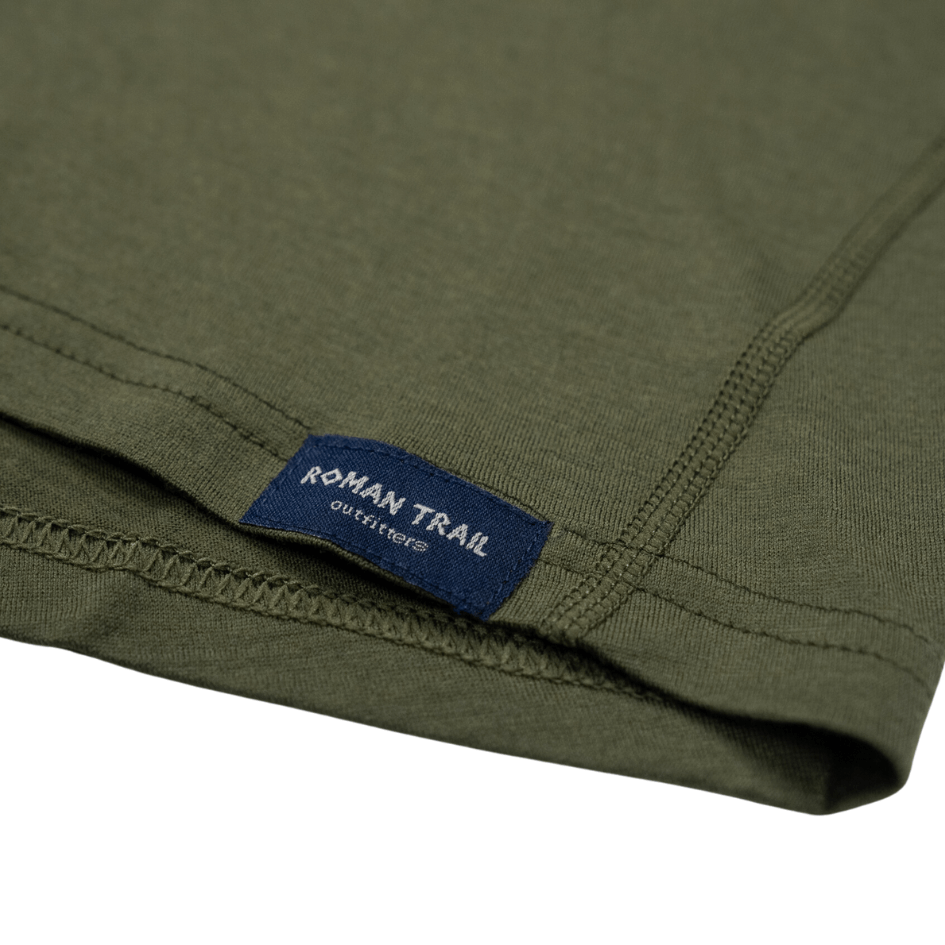
Merino Wool Women's Long Sleeve Top | Crew Neck Shirt | Deep Olive