Panama City Travel Guide for Women: Everything You Need to Know

Panama City is the only capital in the world with a rainforest inside its city limits, and that fact tells you most of what makes it unusual. From a glass tower in the financial district you can see container ships queuing to enter the canal, the restored colonial quarter, and beyond it forest holding howler monkeys, sloths and five hundred species of bird. The Metropolitan Natural Park is a fifteen minute drive from the banking towers.
The city exists because of the geography. Three million years ago the Isthmus of Panama rose from the sea, joining North and South America, separating the Atlantic from the Pacific and redirecting ocean currents in a way that changed global climate and triggered an ice age. Humans then spent four centuries trying to get back through it, culminating in the canal, which opened in 1914 and remains one of the largest engineering projects ever completed.
Disclosure: This post contains affiliate links. If you buy through them, Roman Trail earns a small commission at no extra cost to you.
This guide covers Casco Viejo and the canal, the rainforest that starts at the edge of town, the tropical climate and its two seasons, transport, costs, where to stay, and a genuinely honest account of neighbourhood safety, because Panama City's good and bad areas sit unusually close together.
Is Panama City Safe for Women Travelers
Panama City is manageable for a woman travelling alone with ordinary urban awareness, and easier than most Central American capitals. It is also a city where the boundaries between safe and unsafe are unusually sharp, sometimes changing within a block, and that is the thing to understand before you arrive.
Where you are comfortable. Casco Viejo, Marbella, Obarrio, San Francisco, Bella Vista and Costa del Este are all fine, well policed and ordinary to walk in during the day. Casco Viejo has its own dedicated tourist police unit, visible in white shirts and often on bicycles, and the restored core is patrolled actively.
Where you are not. El Chorrillo and Curundu sit immediately adjacent to Casco Viejo, and the transition happens within a street or two. These are not areas to walk through, explore or pass on foot at any hour. Visitors get caught out precisely because the restored quarter simply ends rather than tapering. Ask your hotel to mark the boundary on a map on your first day, because it is not obvious from the architecture.
Use Uber for everything. This is what residents do and it removes most of the exposure. It is cheap, widely available and the driver and route are recorded. Street taxis are unmetered and involve negotiation, and are best avoided.
Do not display valuables. Phone in a pocket rather than a hand, no visible jewellery, no camera around the neck. Phone snatching is the most common crime affecting visitors.
After dark. Casco Viejo's main squares and restaurant streets are lively and fine in the evening, but its quieter edges are not, and the distance between the two is short. Take an Uber to and from rather than walking in.
The Darien. The province on the Colombian border carries a specific do-not-travel designation from both the US State Department and the UK FCDO, because of armed groups, trafficking routes and the migration corridor through the Darien Gap. It is not a place to improvise a trip, and it is a very long way from the capital.
Health. Dengue is present year round and Zika has circulated, so repellent matters. The tap water in Panama City is safe to drink, which is unusual for the region.
Best Time to Visit Panama City
Temperature is essentially constant: 26C to 32C every month, with humidity between 75 and 90 percent. Rain is the only real variable, and Panama sits outside the hurricane belt, which is a practical advantage over most of the Caribbean.
Dry season, mid-December to April. The best window. Much less rain, more breeze from the trade winds, and slightly more bearable humidity. Peak season and peak prices, with Carnival in February filling the city for four days before Ash Wednesday.
Rainy season, May to mid-December. The pattern is reliable and manageable: bright mornings, cloud building through midday, then a heavy downpour in the afternoon that usually passes within an hour or two. October and November are the wettest. Everything is intensely green, prices drop, and the birding is at its best. Plan outdoor activity for mornings and this is a perfectly good time to come.
Note on the canal. Prolonged droughts in recent years have lowered water levels in Gatun Lake and forced the canal authority to restrict daily transits, which has occasionally affected how many ships you see at the locks. Check the transit schedule before booking a visit.
Casco Viejo
The original Panama City was founded in 1519 on the site now called Panama Viejo, and was sacked and burned by the Welsh privateer Henry Morgan in 1671. The survivors rebuilt in 1673 on a defensible peninsula, and that settlement is Casco Viejo, a UNESCO World Heritage site since 1997.
What makes it interesting now is that the restoration is visibly incomplete. Immaculately restored eighteenth century townhouses stand beside roofless shells with trees growing through them, and both are on the same block. The quarter has gentrified rapidly over two decades, which has brought boutique hotels, rooftop bars and serious restaurants, and has also displaced a good deal of the original community, a tension local people discuss openly.
What to see. Plaza Mayor and the Metropolitan Cathedral. The ruins of the Santo Domingo convent with the Flat Arch, which survived unsupported for centuries and was cited as evidence Panama was not earthquake-prone during canal route debates. Iglesia San Jose with its golden altar, supposedly painted black to hide it from Morgan. The Paseo Esteban Huertas along the sea wall. And the rooftop bars, which have the best view of the modern skyline across the bay.
What it requires. Flat shoes with grip for uneven and broken cobbles. Something a little smarter for the evening than the rest of the city needs. And awareness of where the restored area ends.
The Panama Canal

The canal is 82 kilometres long, took the United States ten years to complete after the French attempt collapsed with enormous loss of life, and lifts ships 26 metres above sea level to cross Gatun Lake before lowering them again. Around 14,000 vessels transit each year, and roughly 6 percent of global maritime trade passes through.
Miraflores Locks is the accessible viewing point, half an hour from the city, with a visitor centre, a good museum covering the construction and the human cost, an IMAX film and viewing terraces directly above the lock chambers. The whole experience depends on a ship being there, so check the transit schedule published by the canal authority before you go and aim for a morning slot, which is usually busier with traffic.
Agua Clara Locks on the Caribbean side, near Colon, are part of the 2016 expansion and handle the largest Neopanamax vessels, which are considerably more impressive in scale. It is a longer day trip.
Partial transits by tourist boat let you actually pass through a set of locks, which several operators run on weekends and which is the best way to understand the thing.
The Panama Canal Museum in Casco Viejo covers the history and politics, including the 1977 treaties and the 1999 handover, more thoroughly than the visitor centre does.
This is a summary of the canal as one thing to do from the city. For the detail, including the fees, how to time a visit so there is actually a ship in the lock, the real choice between the Miraflores and Agua Clara viewing centres and the hospital picture on each side of the isthmus, read the Panama Canal packing list for women.
The Rainforest

This is the part that surprises people, and it is a short drive from the skyline.
Soberania National Park and Pipeline Road. Twenty-five kilometres from downtown, and one of the most celebrated birding locations in the world. Over 500 species have been recorded along a single forest track built to service a wartime fuel pipeline, and Audubon Christmas Bird Counts held here have repeatedly set world records for species counted in 24 hours. Harpy eagles, Panama's national bird and among the most powerful raptors alive, are present though rarely seen.
You want to be there at dawn, which means leaving the city around five. A guide makes an enormous difference, because most of what is there is above you and identified by call rather than sight.
The Metropolitan Natural Park. Genuine tropical forest inside city limits, with marked trails, a canopy observation deck and reliable sightings of sloths, agoutis, toucans and Geoffroy's tamarins. Fifteen minutes from the banking district and the easiest introduction to the ecology.
Gamboa and the Chagres. On the canal itself, with a rainforest resort, an aerial tram, and boat trips on Gatun Lake to islands where monkeys are habituated to visitors.
What the forest requires. Long sleeves and long trousers despite the heat, closed shoes, strong repellent, water, and an early start. Sun and heat build fast after nine.
The Modern City
The Biomuseo on the Amador Causeway is Frank Gehry's only building in Latin America, a collision of crumpled coloured metal roofs, and the exhibits explain how the rise of the isthmus reshaped the planet's oceans, climate and species distribution. Ambitious, well told, and heavily air conditioned.
The Amador Causeway, built from rock excavated during canal construction, connects four islands and has a walking and cycling path with views back to the skyline and out to the ships waiting to transit. Best at sunrise or sunset; it is fully exposed.
Panama Viejo, the ruins of the 1519 city, with the cathedral tower still standing, on the eastern edge of the modern city.
The Mercado de Mariscos, the fish market, where the ceviche counters are cheap, excellent and busiest at lunch.
Cerro Ancon, the hill in the former Canal Zone, with a short walk to the summit and the best panorama over the city, the canal entrance and the bay.
What to Pack for Panama City, Women's Packing List
Constant heat and humidity, sudden afternoon rain, ferocious indoor air conditioning, and rainforest twenty-five kilometres from your hotel.
Base layers
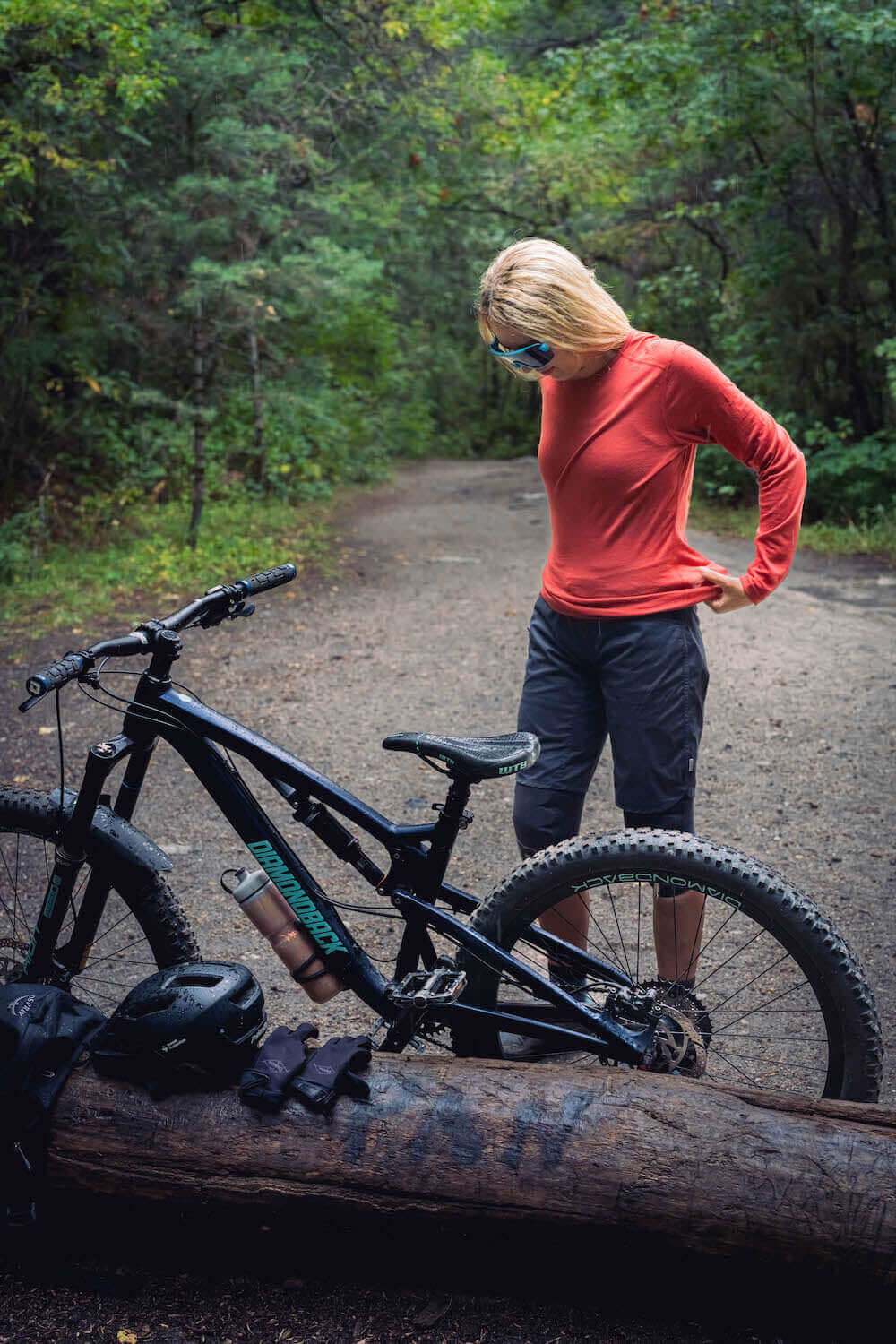
A merino wool base layer for the tropics at 160gsm earns its place for two specific reasons: it gives covered arms for a dawn start on Pipeline Road, where mosquitoes rather than cold are the problem, in a fabric that breathes instead of trapping heat the way cotton does, and it resists odour across several wears in humidity where nothing dries. Two tops.
Mid layers
Not for the weather. A light fleece for fierce air conditioning is for indoors: Panamanian restaurants, museums, malls and taxis are cooled to 18C or below and you will move in and out of that all day. It also covers the pre-dawn chill on a forest trail. This is the item tropical visitors most often leave behind and most often want.
Outer layers
A packable rain jacket for tropical downpours for the May to December afternoons. Realistically, a shell in 90 percent humidity is sweaty, so most people use it briefly and rely on quick-dry clothing, and a dry bag for electronics matters as much as the jacket.
Footwear
closed walking shoes for cobbles and rainforest for Casco Viejo's broken colonial stone and the muddy forest trails, where closed rather than open is the right call. Add merino wool socks for humid climates, three pairs, which dry faster than cotton. Flat sandals for the evening and the heat. No heels on those cobbles.
Rainforest kit, health and practicalities
For Pipeline Road and Gamboa: long sleeves and long trousers regardless of the heat, closed shoes, a hat, and strong DEET repellent, since dengue is present year round. Binoculars if you have them.
Quick-dry trousers rather than jeans, which will not dry. High factor sunscreen, since equatorial sun is strong through cloud. A dry bag. A refillable bottle, because Panama City tap water is safe, unusually for the region. No adaptor needed for North Americans: Panama uses US Type A and B sockets and the US dollar is legal tender, which makes it unusually frictionless.
Getting Around
Uber. The answer to nearly every transport question here. Cheap, plentiful, safe, and what residents use. Most journeys within the city cost 3 to 8 dollars. It also removes the fare negotiation that street taxis involve.
The Metro. Latin America's first metro system outside the larger economies, clean, air conditioned, cheap and safe, with lines serving the financial district and Albrook. It does not reach most visitor sites but is excellent where it goes.
Street taxis. Unmetered, requiring negotiation before you get in, and best avoided given how good Uber is.
Buses. The Metrobus network works with a rechargeable card. Functional but not designed around visitor routes.
Car hire. Unnecessary for the city and useful only for independent trips to Gamboa, the interior or the Pacific beaches. Traffic in Panama City is heavy and driving is assertive.
From the airport. Tocumen International is 25 kilometres east, 30 to 45 minutes depending on traffic. Uber works and costs around 25 to 30 dollars; official airport taxis are fixed price and more.
Costs, What to Budget
Panama is more expensive than most of Central America and cheaper than North America or Europe. The US dollar is the currency, which removes exchange friction entirely.
Budget: 45 to 75 dollars a day. Hostel dorm at 15 to 25, fonda and market food, Metro and occasional Uber.
Mid-range: 110 to 190 dollars a day. A boutique hotel in Casco Viejo or a business hotel in Marbella at 70 to 130, restaurant meals, Ubers, tours and entries.
Luxury: 350 dollars a day and up. The American Trade Hotel or Sofitel Casco Viejo from 250, private guiding, fine dining.
Accommodation runs 15 to 25 dollars for a hostel bed, 70 to 130 for a good mid-range double, and 250 upwards at the top. Casco Viejo carries a premium over the financial district for the same standard.
Meals. A fonda lunch, the set menu working Panamanians eat, is 4 to 7 dollars and is the best value in the city. A mid-range restaurant dinner is 20 to 40. Ceviche at the Mercado de Mariscos is 5 to 10. Casco Viejo rooftop bars charge Miami prices.
Activities. Miraflores Locks entry is around 20 dollars. The Biomuseo around 18. A guided Pipeline Road birding morning is 80 to 150 with transport. A partial canal transit is 150 to 200.
Currency and tipping. The US dollar is legal tender and used for everything; the balboa exists only as coins at parity. Cards are widely accepted. Tipping is around 10 percent in restaurants, and check whether service has already been added. Official information is at visitpanama.com.
Where to Stay in Panama City
Casco Viejo. The most atmospheric choice by a distance: boutique hotels in restored colonial buildings, the best restaurants and rooftop bars, and walkable within itself. Also the noisiest at weekends, and it sits directly beside neighbourhoods you should not enter, so take Ubers rather than wandering at night.
Marbella and Bella Vista. The main hotel districts in the modern city, with the widest choice of business and mid-range hotels, restaurants along Calle Uruguay, and good Uber access everywhere. Practical and safe, less charming.
Obarrio and San Francisco. Residential, quieter, good value, close to the Metropolitan Natural Park and the Cinta Costera waterfront path.
Amador Causeway. By the water with skyline views, the Biomuseo on the doorstep, and a resort feel. Removed from the city's restaurant life.
Gamboa. On the canal in the rainforest, forty minutes out, and the right choice if birding rather than the city is the point.
Hostels. Casco Viejo and Bella Vista both have good ones. Look for female-only dorms, air conditioning rather than fans, keycard access and lockers, and read recent reviews about the immediate streets at night, which vary sharply block to block here.
What to look for. Air conditioning that works properly, which is not optional in this humidity. A pool, which is standard even in mid-range properties and genuinely useful. Whether the property is within the patrolled core of Casco Viejo rather than at its edge. And Uber accessibility, since some Casco Viejo streets are pedestrianised or under restoration.
Essential Resources for Women in Panama City
Emergency numbers: 911 reaches police, ambulance and fire throughout Panama, with English-speaking operators often available. The national police can also be reached directly on 104.
Tourist police: Panama operates a dedicated tourist police unit, the Policia de Turismo, with a strong visible presence in Casco Viejo in particular, in white shirts and frequently on bicycles. They are accustomed to visitor incidents and are the sensible first point of contact.
US Embassy in Panama City: Building 783, Demetrio Basilio Lakas Avenue, Clayton, telephone +507 317 5000. Website pa.usembassy.gov.
Main hospitals: Hospital Punta Pacifica, affiliated with Johns Hopkins Medicine, +507 204 8000, is the private hospital most visitors and expatriates use, with English-speaking staff and a 24 hour emergency department. Hospital Nacional, +507 306 3000, is the other main private option. Panamanian private healthcare is of a high standard and requires payment or proof of insurance on admission.
Official health authority: Panamanian Ministry of Health, minsa.gob.pa.
US State Department travel advisory: Panama travel advisory, which carries a specific do-not-travel designation for the Darien region on the Colombian border.
UK FCDO travel advice: gov.uk/foreign-travel-advice/panama UK FCDO safety and security: gov.uk/foreign-travel-advice/panama/safety-and-security.
Official tourism authority: visitpanama.com, the Panama Tourism Authority.
Solo women safety assessment: Panama City is manageable for a woman travelling alone and easier than most Central American capitals, but it demands that you know the map, because the line between comfortable and genuinely unsafe is sharper here than almost anywhere else we cover. Casco Viejo, Marbella, Obarrio, San Francisco and Costa del Este are fine and well policed, and Casco Viejo has its own tourist police unit patrolling the restored core. El Chorrillo and Curundu, immediately adjacent, are not areas to walk in at any hour, and the transition happens within a block or two with nothing to mark it, which is exactly how visitors get caught out. Ask your hotel to draw the boundary on a map on day one. Use Uber for every journey rather than walking between districts, which is what residents do and which removes most of the risk. Keep your phone in a pocket rather than your hand, since snatching is the most common crime affecting visitors, and take a car to and from Casco Viejo at night rather than walking its quieter edges. Beyond the city, the Darien on the Colombian border carries a do-not-travel designation from both governments and is not somewhere to improvise. Dengue is present year round so repellent matters, and unusually for the region the tap water is safe to drink.
Book Tours and Experiences
Related Reading
For the packing detail including the rainforest kit, see the Panama City packing list for women. For the country as a whole, see the Panama travel guide for women. For packing across every destination we cover, see the travel packing guide for women.
You can read more about building a merino-first travel wardrobe on the Roman Trail merino wool base layer guide. Browse the full collection at Roman Trail women's merino base layers, available in eight colors with free two-day shipping and a two-year satisfaction guarantee.
If the outer journey is calling you, the inner one usually is too. Explore SoulMap at romantrail.com/blogs/soulmap.
Blog posts
View all-

Packing List for Jiufen, Taiwan: What Women Sho...
What to pack for Jiufen: a gold mining village of stone steps and red lanterns, the film that saved it, and the POW camp next door.
Packing List for Jiufen, Taiwan: What Women Sho...
What to pack for Jiufen: a gold mining village of stone steps and red lanterns, the film that saved it, and the POW camp next door.
-

Packing List for Sun Moon Lake, Taiwan: What Wo...
What to pack for Sun Moon Lake: Taiwan's highland reservoir, the Thao people whose home it is, and why nobody swims in it.
Packing List for Sun Moon Lake, Taiwan: What Wo...
What to pack for Sun Moon Lake: Taiwan's highland reservoir, the Thao people whose home it is, and why nobody swims in it.
-

Packing List for Taroko Gorge, Taiwan: What Wom...
What to pack for Taroko Gorge: a marble canyon cut by hand, helmets that are not decorative, and a park still recovering from 2024.
Packing List for Taroko Gorge, Taiwan: What Wom...
What to pack for Taroko Gorge: a marble canyon cut by hand, helmets that are not decorative, and a park still recovering from 2024.


Contact form

Roman Trail Outfitters
Merino Wool Women's Long Sleeve Top | Crew Neck Shirt | Deep Olive