Osaka Travel Guide for Women: Everything You Need to Know

Osaka is Japan's second city by most measures and its first by one that matters more to travellers: food. The local word is kuidaore, eating until you drop, and it is not marketing. Osaka invented instant ramen, conveyor-belt sushi, and kushikatsu, and its culture of street food and casual dining makes it the most immediately accessible city in Japan for a visitor who wants to eat well without navigating reservation systems and formality.
Disclosure: This post contains affiliate links. If you buy through them, Roman Trail earns a small commission at no extra cost to you.
It is also the friendliest. Osakans have a reputation across Japan for being louder, funnier, and more direct than Tokyoites, and visitors notice it within a day. For a woman travelling alone this is among the easiest destinations anywhere: Japan ranks near the top of global safety indices, solo dining is not merely accepted but designed for, and public transport is safe at any hour.
This guide covers safety including the one genuine caveat, the four seasons, the districts, the food culture properly, Nara and Kyoto day trips, transport, costs, accommodation, and the resources worth saving. For the gear list, see the Osaka packing list for women.
Is Osaka Safe for Women Travelers
Osaka is among the safest cities in the world for a woman travelling alone. Violent crime against visitors is very rare, public transport is safe at all hours, and solo dining is so normal that many restaurants have counter seating designed for it. Lost wallets are routinely handed in intact.
The one genuine caveat is groping on crowded trains. Chikan is a documented problem in Japanese cities and it is worth knowing about rather than being surprised by. The practical mitigations are straightforward. Many lines run women-only carriages during morning and evening rush hours, marked in pink on the platform and on the carriage door, and using them removes the risk entirely. If something happens, saying "chikan desu" loudly is understood by everyone in the carriage and bystanders will generally respond, and station staff take reports seriously.
Nightlife touts. Dotonbori and Namba have persistent touts outside bars and clubs, particularly along Sennichimae. They are a nuisance rather than a threat. Ignore and keep walking. Avoid any bar you are led to by a tout, since the bill-padding scams that exist in Osaka nightlife almost all start that way.
Areas. Tobita Shinchi and parts of Nishinari, south of Shinsekai, are the two districts locals would tell you to skip at night. Nishinari has Japan's largest day-labourer population and visible rough sleeping, which is more confronting than dangerous, but it is not where you want to be wandering.
Earthquakes and typhoons are the environmental consideration. Japan is well prepared and buildings are engineered for it. Download the Safety Tips app or NHK World for alerts in English, and know that your accommodation will have instructions.
Best Time to Visit Osaka
Late March to early April. Cherry blossom, and Osaka Castle Park is among the best viewing sites in the country with around 3,000 trees. Temperatures 12 to 20 degrees. This is the busiest and most expensive period of the year and accommodation should be booked six months ahead.
October and November. The other excellent window, and better value. Clear, 15 to 25 degrees, with autumn colour peaking in mid to late November and typhoon risk gone.
Winter, December through February. Cold at 3 to 10 degrees but dry and sunny, with snow rare in the city. Quiet, cheap, and comfortable for walking. The winter illuminations along Midosuji and at Osaka Castle are excellent.
Summer, June through August. Hot and humid at 30 to 35 degrees, and genuinely draining in a dense concrete city. June is tsuyu, the rainy season, with heavy sustained rain. Typhoon season begins in August. The compensation is festival season: Tenjin Matsuri in late July is one of Japan's three greatest festivals, with a river procession and fireworks.
One planning note: Golden Week in late April and early May, Obon in mid-August, and New Year are the three periods when the whole country travels. Prices spike, trains fill, and many small businesses close.
Districts and What Each One Requires
Minami: Namba and Dotonbori
The southern entertainment core and the heart of what people come to Osaka for. Dotonbori runs along the canal with the Glico running man sign, the mechanical crab of Kani Doraku, and a wall of neon. Around it, Namba holds the food streets: Hozenji Yokocho, a stone-paved lane of tiny traditional restaurants, and Sennichimae Doguyasuji, the kitchenware street where restaurants buy their equipment.
Busiest at night, and where most visitors should base themselves.
Kita: Umeda
The northern business and transport hub around Osaka Station, with department stores, the Umeda Sky Building and its open-air floating garden observatory, and an underground mall system that is genuinely labyrinthine. More polished and less characterful than Minami.
Shinsekai and Tennoji
Built in 1912 with the Tsutenkaku tower at its centre, modelled on Paris and Coney Island, then left behind for decades. The result is the most nostalgic quarter in Osaka: retro signage, kushikatsu restaurants everywhere, and a rough charm the rest of the city has lost. Tennoji next door has the zoo, Shitennoji temple, and Abeno Harukas, Japan's tallest building.
Osaka Castle and around
The castle tower is a 1931 reconstruction with a modern museum inside, and the park around it is the finest castle park in Japan and the reason to go. Free to walk, spectacular in cherry blossom season.
Nakanoshima
The island between two rivers holding the civic and cultural buildings, including the Museum of Oriental Ceramics and the red-brick Central Public Hall. Quiet and green, and the best place in central Osaka for a walk.
The Food Culture
Osaka's food identity is genuinely different from Tokyo's or Kyoto's. Where Kyoto refined the formal kaiseki tradition, Osaka built a merchant city's cuisine: fast, generous, cheap, and unconcerned with presentation.
Takoyaki, spheres of batter with octopus inside, cooked in dimpled cast-iron pans and turned with picks, topped with sauce, mayonnaise, bonito flakes, and aonori. Invented in Osaka in 1935. They arrive molten and will burn your mouth; wait.
Okonomiyaki, the savoury pancake. The Osaka style mixes everything into the batter before cooking, unlike Hiroshima's layered version. Many restaurants have a hotplate in the table and you cook it yourself.
Kushikatsu, skewered meat, seafood, and vegetables in panko and deep-fried, invented in Shinsekai as cheap labourer food. The one absolute rule: never double-dip in the communal sauce. Cabbage leaves are provided free as a scoop if you want more.
Also from here: kitsune udon, instant ramen, which Momofuku Ando invented in Ikeda just north of the city, and conveyor-belt sushi, invented by an Osaka restaurateur in 1958 after watching a beer bottling line.
Where. Kuromon Ichiba Market for a seafood breakfast on a weekday morning. Hozenji Yokocho for atmosphere. Shinsekai for kushikatsu. And the standing bars, tachinomi, throughout Minami, which are cheap, quick, and the most sociable way for a solo traveller to eat.
Etiquette. No tipping, ever, and attempting it causes confusion. Eating while walking is mildly frowned upon; stalls have standing areas. Say gochisousama deshita when you leave. Slurping noodles is fine and expected.
Day Trips: Nara, Kyoto, and Universal Studios
Nara, 45 minutes by Kintetsu line, was Japan's first permanent capital in 710. Nara Park holds around 1,200 wild sika deer that have learned to bow for shika senbei crackers sold by vendors. Todai-ji houses the Daibutsu, a 15 metre bronze Buddha, in one of the largest wooden buildings in the world. Kasuga Taisha shrine is lined with 3,000 stone and bronze lanterns.
The deer are wild animals, not pets. They will headbutt, nip, and chase if you tease them with food, and they eat paper, so keep maps and tickets away. Bow back and they often bow again, which is genuinely charming.
Kyoto, 15 minutes by shinkansen or 30 by regular train, which makes it entirely viable as a day trip although it deserves longer. Covered in depth in our Kyoto travel guide for women.
Universal Studios Japan, in Osaka Bay, holds the Wizarding World of Harry Potter and Super Nintendo World. Both require timed entry passes on busy days on top of park admission, booked in advance. Genuinely excellent and genuinely crowded.
Also within reach: Kobe, 30 minutes west, for the beef and the port; and Himeji, an hour, for the finest original castle in Japan, never destroyed and never reconstructed.
How Many Days, and Osaka Versus Kyoto as a Base
Three days is the right length for Osaka itself. One for Minami, Dotonbori, and Kuromon; one for Osaka Castle, Nakanoshima, and Umeda; one for Shinsekai and Tennoji. Add a day each for Nara and Kyoto, and a full day if you want Universal Studios.
The base question comes up constantly, because Osaka and Kyoto are 15 minutes apart by shinkansen and 30 by regular train, and many visitors try to decide between them.
Base in Osaka if you care about food, want cheaper accommodation, prefer evenings with life in them, or are travelling onward to Kobe, Himeji, or Hiroshima. Osaka hotels run noticeably less than Kyoto's, the transport hub at Umeda reaches everywhere in Kansai, and the city does not empty at nine the way central Kyoto can.
Base in Kyoto if temples and gardens are your priority, since the best of them reward early mornings before the coaches arrive, and that is only practical if you are staying there.
Many people do both, splitting a week between the two, which removes the question entirely and costs only one hotel change.
What to Pack for Osaka, Women's Packing List
Osaka packing is ordinary Japanese city packing with footwear and socks raised in priority, plus a real answer to summer humidity.
Base layers
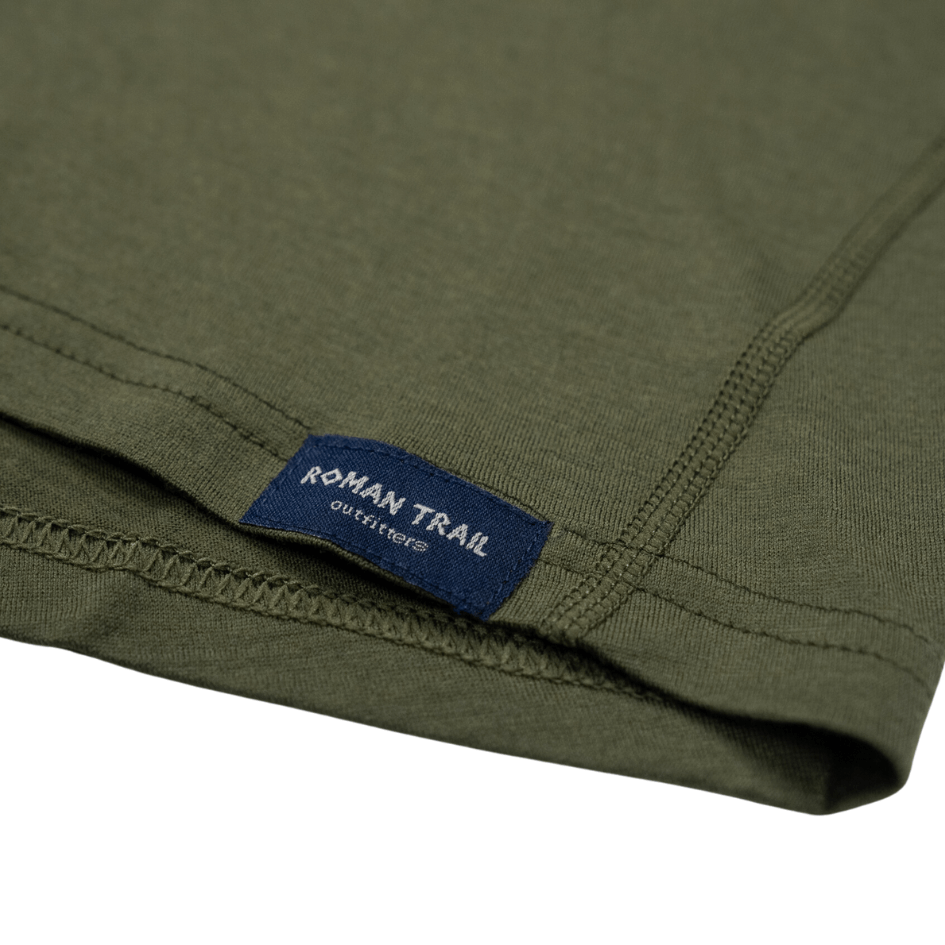
The Roman Trail Women's Merino Wool Base Layer handles both extremes. In summer it moves moisture in humidity where cotton soaks and stays wet, and resists odour across long days. In winter it gives warmth without bulk. Year round it manages the constant transition into hard air conditioning on trains and in department stores. Japanese presentation standards are high, and merino holds its shape better than a damp shirt after a full day. Bring two.
Mid layers
The Columbia Women's Fast Trek II Jacket covers spring, autumn, and winter, and doubles as your defence against summer air conditioning on long train journeys, which is a real problem rather than a joke.
Outer layers
The Marmot Women's PreCip Eco Rain Jacket handles the June rainy season and year-round rain. Note that Japan is an umbrella culture and clear plastic umbrellas cost a few hundred yen in any convenience store, so many visitors simply buy one and leave it behind.
Footwear
Easy on-off is the governing requirement given constant shoe removal at temples and traditional restaurants. The Salomon Women's X Ultra 4 GTX handles Osaka's genuinely large urban distances and the Nara park walking, with waterproofing for tsuyu. One dressier pair for evenings. Two pairs total.
For socks the Darn Tough Women's Hiker Micro Crew Merino Socks handle the walking without blisters, and because your socks will be seen constantly when shoes come off, good ones matter here more than almost anywhere.
Accessories, documents, and health
Four pairs of socks, more than you would normally pack. A coin purse, since Japan generates a lot of coins. A small folding shopping bag, since plastic bags are charged for. In summer, a hand fan and a small towel, which is what locals carry. An IC card such as ICOCA for transport. Travel insurance, since Japanese healthcare is excellent and expensive for the uninsured. And pack light enough to carry your own bag on a train, because luggage space is limited and oversized cases on the shinkansen now require a reserved seat.
Getting Around Osaka
Subway and trains. The Osaka Metro is extensive, punctual, and easy, with English signage throughout. The Midosuji line is the main north-south artery connecting Umeda, Shinsaibashi, Namba, and Tennoji, and covers most of what a visitor needs. JR runs the Osaka Loop Line around the city.
IC cards. ICOCA is the local card and works on all trains, subways, and buses, plus convenience stores and vending machines. Buy one on arrival. Suica and Pasmo from Tokyo work identically.
Passes. The Osaka Amazing Pass covers unlimited subway travel plus free entry to around 40 attractions and is genuinely good value for a busy day. For day trips, regional Kansai passes beat the national JR Pass, which has risen sharply in price and rarely pays off unless you are crossing the country.
Walking. Central Osaka is walkable in sections, particularly Minami, but the city is large and the subway is better for distance.
Escalators. In Osaka you stand on the right and walk on the left, the opposite of Tokyo. Locals notice.
Taxis. Clean, safe, expensive, and with doors that open automatically. Rarely necessary given the trains, but a reasonable option late at night.
Airports. Kansai International is on an artificial island around 50 minutes from Namba by the Nankai Rapi:t. Itami handles domestic flights and is closer.
Costs: What to Budget
Osaka is cheaper than Tokyo and offers unusually good value for food. Prices below are in US dollars.
Budget: $70 to $110 per day. Hostel or capsule at $25 to $45, street food and standing bars at $25 to $35, subway.
Mid-range: $150 to $260 per day. Business hotel at $70 to $130, restaurant meals at $50 to $80, transport and attractions.
Luxury: $350 and up per day.
Meals: takoyaki from a stall runs $4 to $6, a bowl of ramen $7 to $11, okonomiyaki $8 to $14, a kushikatsu set $12 to $20, a convenience store meal $4 to $7 and genuinely decent. Entry: Osaka Castle tower around $4, Umeda Sky Building around $12, Universal Studios Japan $60 to $90 depending on date. A subway day pass is around $5.
Currency is the yen, and Japan remains more cash-dependent than most developed countries: small restaurants, markets, temples, and some transport are cash-only. 7-Eleven ATMs reliably accept foreign cards. There is no tipping in Japan at all, and attempting it causes confusion rather than pleasure. Consumption tax of 10 percent is generally included in displayed prices, and tax-free shopping is available to visitors on purchases above a threshold with your passport. Official information at osaka-info.jp.
Where to Stay: Neighborhoods and Hotels for Women
Areas. Namba and Shinsaibashi in Minami is our recommendation: you are walking distance from Dotonbori, the food streets, and the Midosuji subway line, which reaches everything. Umeda in Kita is the transport hub and suits day trips to Kyoto and Kobe, at the cost of less atmosphere. Tennoji is cheaper and well connected. Osaka Bay suits a Universal Studios trip and nothing else.
Business hotels are Japan's great accommodation value: small, immaculate, well located, with everything working. A single room is compact by international standards and entirely sufficient.
Capsule hotels now commonly have women-only floors with separate lifts and access, and are a genuinely good and cheap experience rather than a novelty.
Hostels. Osaka has a strong scene with female-only dorms, and standards are high.
What to check. Confirm the room is not a smoking room, since Japan still designates them and the difference is stark. Check the walk to the nearest subway station. For a capsule or hostel, confirm women-only floor access. Note that Japanese hotel rooms are small and a large suitcase can genuinely fill the floor space, which is another argument for packing light.
Essential Resources for Women in Osaka
Emergency numbers: Police 110. Ambulance and Fire 119. The Japan Visitor Hotline from the Japan National Tourism Organization runs 24 hours in English on 050 3816 2787 and handles everything from medical guidance to lost property.
Tourist police: Japan has no separate tourist police, but the koban system of neighbourhood police boxes is everywhere, staffed around the clock, and is the fastest contact point for anything from directions to a theft report.
US Consulate General Osaka: 2-11-5 Nishitenma, Kita-ku, Osaka 530-8543, telephone +81 6 6315 5900. The US Embassy is in Tokyo at 1-10-5 Akasaka, Minato-ku, +81 3 3224 5000. jp.usembassy.gov
Main hospitals: Osaka University Hospital, 2-15 Yamadaoka, Suita, +81 6 6879 5111. Osaka City General Hospital, 2-13-22 Miyakojimahondori, +81 6 6929 1221. Osaka Red Cross Hospital, 5-30 Fudegasaki-cho, +81 6 6774 5111. Japanese healthcare is excellent and expensive for the uninsured, so travel insurance is essential.
Official health authority: Ministry of Health, Labour and Welfare, mhlw.go.jp/english
US State Department travel advisory: travel.state.gov Japan advisory
UK FCDO travel advice: gov.uk/foreign-travel-advice/japan UK FCDO safety and security: gov.uk/foreign-travel-advice/japan/safety-and-security
Official tourism authority: Japan National Tourism Organization, japan.travel. City information at osaka-info.jp
Solo women safety assessment: Osaka is among the safest cities in the world for a woman travelling alone. Violent crime against visitors is very rare, transport is safe at all hours, solo dining is designed for rather than merely tolerated, and lost property is routinely returned. The one genuine caveat is groping on crowded trains, chikan, which is a documented issue in Japanese cities: use the women-only carriages that run on many lines during rush hours, marked in pink on the platform, and know that saying "chikan desu" loudly is understood and that bystanders and staff will respond. Beyond that, Dotonbori and Namba have persistent bar touts who are a nuisance rather than a threat, and you should never follow one to a bar, since Osaka's bill-padding scams almost all start that way. Tobita Shinchi and parts of Nishinari south of Shinsekai are the districts locals would tell you to skip at night. Earthquakes and typhoons are the environmental consideration, and the Safety Tips app gives alerts in English.
Book Tours and Experiences
Related Reading
For the gear list in full detail, see the Osaka packing list for women. For the rest of Japan, see the Japan travel guide for women, the Kyoto travel guide for women, and the Tokyo travel guide for women, along with the Japan packing list for women.
For packing across every destination we cover, see the travel packing guide for women. You can read more about building a merino-first travel wardrobe on the Roman Trail merino wool base layer guide. Browse the full collection at Roman Trail women's merino base layers, available in eight colors with free two-day shipping and a two-year satisfaction guarantee.
If the outer journey is calling you, the inner one usually is too. Explore SoulMap at romantrail.com/blogs/soulmap.
Blog posts
View all-

Packing List for Tucson, Arizona: What Women Sh...
What to pack for Tucson: a 1797 Spanish mission, giant saguaros, a UNESCO food city and a summer monsoon that fills dry washes in minutes.
Packing List for Tucson, Arizona: What Women Sh...
What to pack for Tucson: a 1797 Spanish mission, giant saguaros, a UNESCO food city and a summer monsoon that fills dry washes in minutes.
-

Packing List for Sequoia National Park: What Wo...
What to pack for Sequoia National Park: the largest trees on Earth, 13,000 feet of elevation range, mandatory bear lockers and a road with a length limit.
Packing List for Sequoia National Park: What Wo...
What to pack for Sequoia National Park: the largest trees on Earth, 13,000 feet of elevation range, mandatory bear lockers and a road with a length limit.
-

Packing List for St Augustine, Florida: What Wo...
What to pack for St Augustine: a Spanish fort built of shell stone, the oldest continuously occupied European settlement in the continental United States.
Packing List for St Augustine, Florida: What Wo...
What to pack for St Augustine: a Spanish fort built of shell stone, the oldest continuously occupied European settlement in the continental United States.


Contact form

Roman Trail Outfitters
Merino Wool Women's Long Sleeve Top | Crew Neck Shirt | Deep Olive