Melbourne Travel Guide for Women: Everything You Need to Know

Melbourne is the capital of Victoria and Australia's second largest city, roughly five million people on a flat grid at the head of Port Phillip Bay. It was founded in 1835, made enormously rich by the gold rush of the 1850s, and briefly one of the wealthiest cities in the world, which is why the centre has more Victorian architecture than a city of its age should.
Disclosure: This post contains affiliate links. If you buy through them, Roman Trail earns a small commission at no extra cost to you.
What it is known for now is less grand and more durable: coffee taken seriously to the point of pedantry, laneways that turned from service alleys into the best part of the city, the highest concentration of live music venues per head in the world, and a football code that no other country plays.
It is also the most reliably unpredictable weather in Australia, and that shapes a visit more than anything else on this page.
This guide covers the four-seasons problem, the seasons themselves, the laneways and the coffee, the neighbourhoods, the Great Ocean Road, transport and the Myki system, costs, safety and what to pack.
Melbourne at a Glance
Where: Victoria, southeastern Australia, on Port Phillip Bay.
Population: about five million.
Getting there: Melbourne Tullamarine, with a SkyBus coach to Southern Cross station in about 30 minutes. Sydney is an hour and a half by air.
Getting around: trams, with a free zone covering the central grid and a Myki card beyond it.
Language: English.
Currency: Australian dollar. Tap payment is universal.
Best months: March to May, then September to November.
Safety for women alone: excellent. Among the world's most liveable cities.
Four Seasons in One Day
The phrase is a local cliche and it is also meteorologically accurate.
Melbourne sits where hot, dry continental air meets cold air off the Southern Ocean, with no significant geography between them. When a cool change arrives, usually as a southerly front, the temperature can drop ten to fifteen degrees within half an hour, often with wind and rain, and then clear.
In summer this is at its most extreme: a 38 degree morning becoming 19 and raining by late afternoon is a normal January day rather than an unusual one.
The practical rule is to dress in layers you carry rather than layers you wear. Melburnians do this without thinking about it. Visitors dress for the forecast at breakfast and regret it by four.
The other consequence is that a day bag is not optional. If you cannot carry a fleece and a shell, you will leave them behind, and the weather will find you.
Recommended Tours and Experiences

When to Visit
March to May, autumn
The best window. 18 to 25 degrees and the most settled weather Melbourne offers, with the elms in the Fitzroy and Carlton gardens turning gold in April and May. The Melbourne Food and Wine Festival runs in March and the Comedy Festival in March and April.
September to November, spring
14 to 22 degrees and the most volatile weather of the year, capable of anything. It is also the busiest cultural stretch: the AFL Grand Final in late September, the Spring Racing Carnival through October and November, and the Melbourne Cup, which stops the state on the first Tuesday in November.
December to February, summer
25 to 30 degrees with spikes above 40 in a northerly, and the sharpest cool changes. Long light evenings, rooftop bars, beaches at St Kilda and down the Mornington Peninsula, and the Australian Open in January.
June to August, winter
7 to 14 degrees, grey, damp and genuinely cold. The complication most visitors do not expect is that Australian housing is poorly insulated and heating is often inadequate, so indoors can be colder than you assume. Melbourne handles winter by going inside: galleries, bars, the football, and a restaurant scene that is at its best in July. Prices are lowest.
The Laneways
Melbourne's centre is a grid of wide Victorian streets with a network of narrow service lanes threaded between them. From the 1990s those lanes filled with small bars, cafes and galleries, helped by licensing reform that made tiny venues viable, and they are now the thing the city is known for.
Hosier Lane is the street art laneway, repainted constantly, and the most photographed place in the city.
Degraves Street and Centre Place are the coffee lanes, narrow, crowded with outdoor tables and the best introduction to the format.
AC/DC Lane, renamed in 2004, has a live venue and a great deal of music-related art.
Hardware Lane is the restaurant strip, and Block Arcade and Royal Arcade are the surviving Victorian shopping arcades, both worth ten minutes.
The bars are the harder part: many are up unmarked staircases or behind unlabelled doors, and finding them is the local sport. Ask anyone under forty.
Coffee
The coffee culture came from Italian and Greek migration after the Second World War, when espresso machines arrived with the people who knew how to use them, and it has since become something Melbourne genuinely organises part of its identity around.
The standard is high: independent roasters, trained baristas, and a widespread assumption that a bad coffee is worth sending back.
How to order. A flat white is the default and what you probably want: espresso with steamed milk and a thin layer of microfoam in a small cup. A latte is milkier and usually in a glass. A long black is espresso poured over hot water. A short black is an espresso. A magic, invented here, is a double ristretto with steamed milk in a smaller cup.
There are no sizes. Asking for a large coffee identifies you instantly. Coffee comes in the size it comes in.
The chains exist and are ignored. Every neighbourhood has its own roaster and everyone has an opinion about which is best.
The Neighbourhoods
Fitzroy and Collingwood, immediately north of the centre, are the heart of independent Melbourne: Brunswick Street and Smith Street, vintage shops, live music, street art and a dense concentration of good food. Fitzroy is where most visitors wish they had stayed.
Carlton holds Lygon Street, the historic Italian quarter, plus the university and the Royal Exhibition Building, a UNESCO site from 1880.
Brunswick, further north, is younger and cheaper with a strong Middle Eastern and Greek presence along Sydney Road.
Richmond has Victoria Street, known locally as Little Saigon, with the best Vietnamese food in the country.
St Kilda, on the bay, is the seaside neighbourhood: a pier where little penguins come ashore at dusk, the Esplanade market on Sundays, Acland Street cake shops and a faded-glamour quality.
South Melbourne and Prahran have the best market halls, and Footscray in the west has East African and Vietnamese food and very few tourists.

The NGV and the Culture
The National Gallery of Victoria is the oldest and most visited art museum in Australia, and general entry is free. The Great Hall has Leonard French's stained-glass ceiling, the largest suspended stained-glass ceiling in the world, and the correct way to view it is lying on the floor, which the gallery encourages. The water wall at the entrance is a Melbourne fixture.
NGV Australia at Federation Square holds the Australian collection, including a significant Indigenous art collection.
ACMI, the Australian Centre for the Moving Image, is one of the best museums of screen culture anywhere and also free.
The State Library of Victoria has the La Trobe Reading Room, an octagonal domed space from 1913 that is one of the most beautiful rooms in the country.
Live music. Melbourne has more live music venues per head than any city in the world, concentrated in Fitzroy, Collingwood, Brunswick and St Kilda. The Corner Hotel, the Tote and the Espy are institutions.
Sport. The MCG holds 100,000 people and is the spiritual home of Australian Rules football and of Test cricket. Attending an AFL match between March and September is the single best way to understand the city, and tickets for a regular-season game are inexpensive.
The Great Ocean Road
275 kilometres southwest of the city, and the reason most visitors hire a car at least once.
The road was built between 1919 and 1932 by returned servicemen, largely with picks and shovels, and is the world's largest war memorial. It runs along the cliff edge through Torquay, Lorne and Apollo Bay, turns inland through the temperate rainforest of the Otway Ranges, then emerges onto the Shipwreck Coast where the Twelve Apostles stand offshore.
The Apostles are limestone stacks eroded from the cliff, and there were never twelve; there are currently seven or eight, and they collapse periodically as the sea undercuts them.
Timing. Doing it as a day trip means twelve hours or more and a great deal of rushing. Two days with a night at Apollo Bay or Port Campbell is considerably better, and it puts you at the Apostles at sunrise or sunset rather than at midday alongside four coaches.
What to bring: every layer you own. The lookouts are exposed to the Southern Ocean and are cold and windy even on a warm day. A windproof shell in particular.
Wildlife: koalas are reliably in the gum trees at Kennett River, free and better than a zoo. Kangaroos graze the golf course at Anglesea. And drive carefully at dawn and dusk, because kangaroos on the road are a genuine and serious hazard.
Other trips: the Yarra Valley an hour east for cool-climate wine, the Dandenong Ranges for forest and the Puffing Billy steam railway, Phillip Island for the penguin parade, the Mornington Peninsula for beaches and hot springs, and the Grampians three hours west for hiking and Aboriginal rock art.
Getting Around
Trams. Melbourne has the largest tram network in the world. The Free Tram Zone covers the entire central grid and Docklands, and within it you simply get on and off at no cost.
Myki. Beyond the free zone you need a Myki card, and this is the thing that catches visitors out: you must buy and load it before you travel, because you cannot tap a bank card on most services. Buy one at any station, 7-Eleven or the airport. Touch on when you board and touch off when you leave, except on trams outside the free zone where you only touch on.
Trains radiate from the loop under the centre to the suburbs, and SkyBus connects the airport to Southern Cross in about half an hour.
Walking works for the whole grid, which is flat and generously proportioned.
The hook turn. If you drive in the centre, be aware that at many intersections you must turn right from the left-hand lane, to keep trams moving. It is genuinely confusing, it is signposted, and it is a good reason not to drive downtown.
Where to Stay
The CBD for the laneways, the free tram zone and everything within walking distance. Convenient and the least characterful.
Fitzroy or Collingwood for the best neighbourhood experience, good food and bars, and a tram ride into the centre.
Carlton for leafy streets, the university and Lygon Street, close in.
St Kilda for the bay, the penguins and a faded seaside feel, further out and well connected by tram.
Southbank for the river, the arts precinct and the larger hotels.
Book well ahead for the Australian Open in January, the Grand Prix in March and the Grand Final weekend in September.
What Melbourne Costs
Expensive, in line with Sydney and most of Australia.
Accommodation: hostels 35 to 60 Australian dollars, mid-range hotels 180 to 320, more during major events.
Eating: a coffee 4.50 to 6, a cafe brunch 20 to 30, a casual dinner 30 to 50, a good restaurant 80 upwards. Market food and the immigrant neighbourhoods are far better value than the centre.
Transport: free within the central tram zone, otherwise a Myki daily cap of around 11 dollars.
Attractions: the NGV and ACMI are free. An AFL ticket from around 30 dollars.
Tipping is not expected, because wages are legally higher. Rounding up is enough.
Safety for Women in Melbourne
Melbourne is a very safe city and consistently near the top of global liveability rankings, so this section is short.
Violent crime is low, public transport runs late and is safe, the centre is busy well into the night, and harassment is uncommon. Women travel here alone constantly without incident, and solo dining and drinking attract no attention.
The practical considerations:
Sun. Genuinely the most likely thing to hurt you. UV in Melbourne reaches extreme in summer under a thinner ozone layer, and it burns on cool and cloudy days. Sunscreen, hat, sunglasses, long sleeves.
King Street on Friday and Saturday nights is the one central strip where ordinary late-night awareness is worth applying.
Driving at dawn and dusk outside the city, where kangaroos on the road cause serious accidents.
Ocean beaches. The bay beaches are calm, but the ocean coast beyond the heads, including along the Great Ocean Road, has strong rips. Swim between the red and yellow flags where lifesavers patrol, which is a genuinely serious rule here.
Cold indoors in winter, because insulation and heating are poor by northern European standards.
Trams from a pedestrian's point of view: look both ways when crossing tracks, and step carefully at the centre-of-road stops.
What to Pack for Melbourne
The full list is in the Melbourne packing list for women. The essentials:
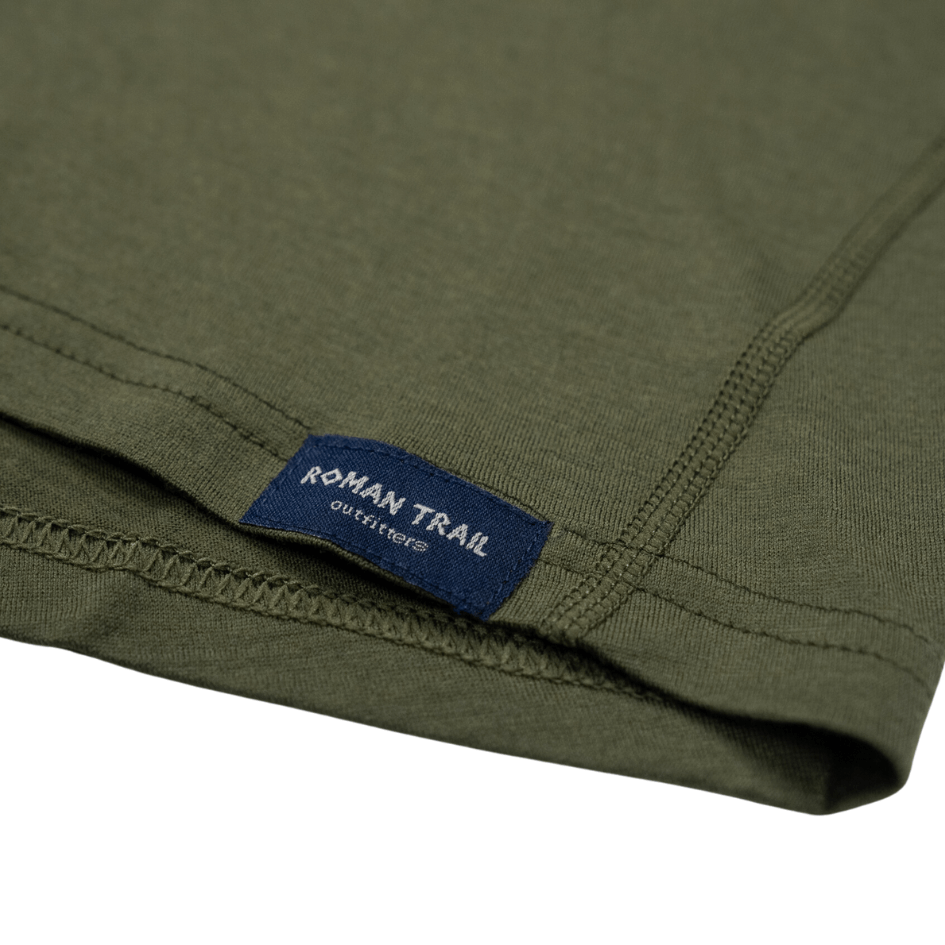
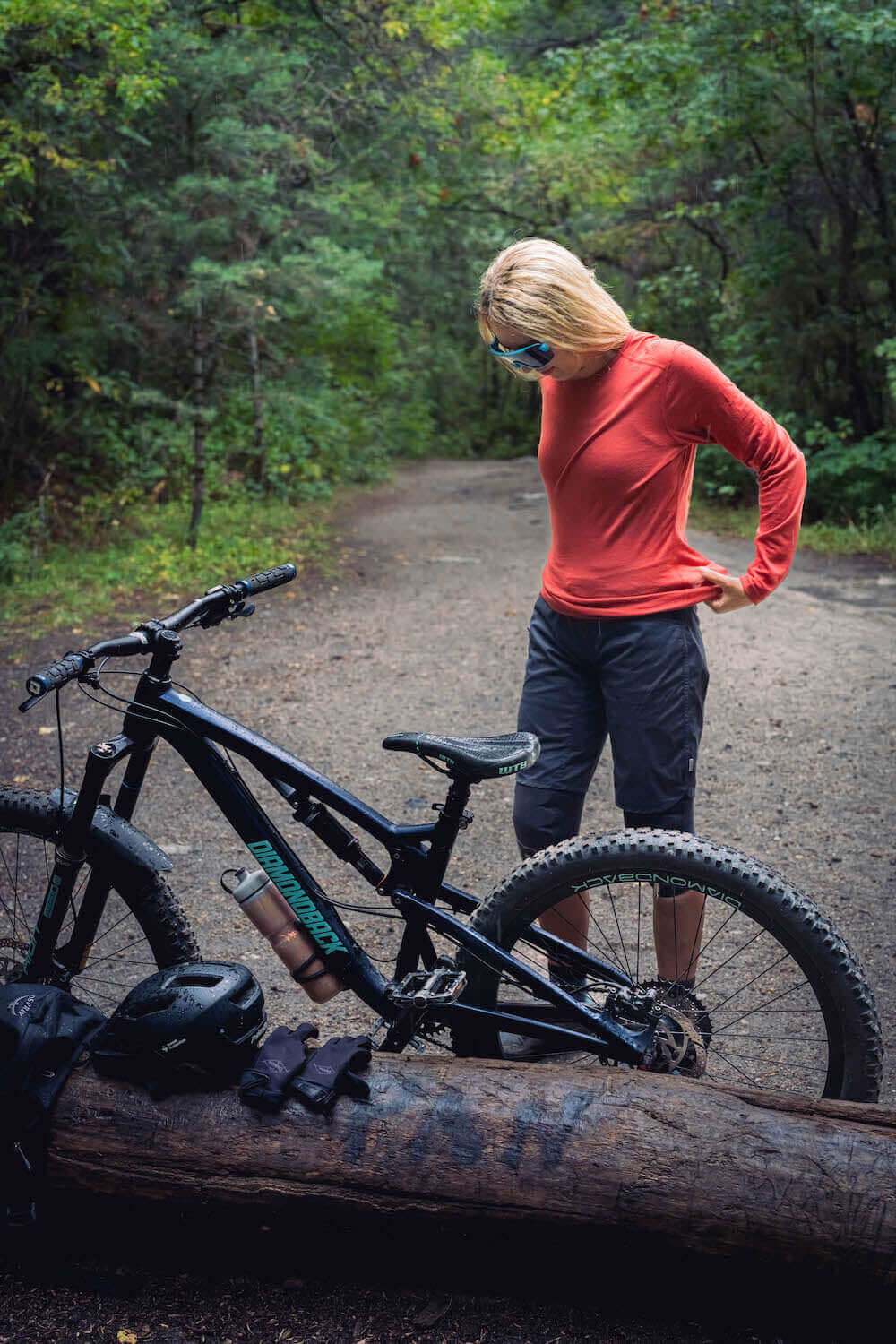
Base layers. Two Roman Trail Women's Merino Wool Base Layers ($49-59). Merino regulates in both directions, which is exactly what a city that gives you 34 degrees and 17 degrees in the same afternoon requires. It works alone at the top of the range and as a thermal layer at the bottom.
Fleece. The Columbia Women's Fast Trek II Jacket ($65), carried in the bag every single day and worn by late afternoon most of them. The most used item here.
Rain shell. The Marmot Women's PreCip Eco Rain Jacket ($110), packable and hooded, because the cool change brings wind with the rain and an umbrella is a poor answer.
Walking shoes. The Salomon Women's X Ultra 4 GTX Hiking Shoes ($165), waterproof, for bluestone laneways that are slick when wet and for the Great Ocean Road lookouts.
Socks. The Darn Tough Women's Hiker Micro Crew Merino Socks ($28), three pairs.
Packing cubes. The Eagle Creek Pack-It Cube Set ($59), useful if you are combining Melbourne with Sydney or Tasmania.
Plus a day bag large enough to carry the fleece and shell, high-factor sunscreen, real sunglasses, a hat, one flat pair for the evening, and a Myki card bought on arrival.
Essential Resources for Melbourne
Emergency number in Australia: 000, for police, fire and ambulance. 112 also works from a mobile.
Non-emergency: Police Assistance Line on 131 444. Nurse-on-Call in Victoria on 1300 60 60 24 gives free 24-hour health advice.
US consular services: the US Consulate General in Melbourne is at 553 St Kilda Road, on +61 3 9526 5900. The embassy is in Canberra. Details and emergency arrangements are at au.usembassy.gov.
Medical care: the Royal Melbourne, St Vincent's and the Alfred all run major emergency departments, and standards are high. Medicare does not cover most visitors unless your country has a reciprocal agreement, and emergency treatment without insurance is expensive, so travel insurance is necessary rather than optional. Pharmacies are widespread and several operate late.
Beach safety: Surf Life Saving Australia patrols the ocean beaches in season. Swim between the red and yellow flags. Rips are the leading cause of drowning on Australian beaches and they are not always visible.
Sun safety: the Bureau of Meteorology and SunSmart publish daily UV forecasts, and the alert period is when the index reaches 3 or above, which in Melbourne summer is most of the day.
Official tourism information: Tourism Australia at australia.com, and Visit Victoria at visitvictoria.com.
Transport: Public Transport Victoria at ptv.vic.gov.au for Myki and timetables.
US State Department travel advisory for Australia: current advisory level and detail.
UK FCDO travel advice for Australia: entry requirements, safety and health guidance.
Solo women travel assessment: Melbourne is about as easy as solo travel gets. Crime is low, trams and trains run late and are safe, the centre is busy into the night, English is the language, and the cafe and bar culture is built around people sitting by themselves with a coffee or a book. Nobody notices a woman alone anywhere here. What will actually cause you trouble is environmental rather than human: extreme summer UV that burns through cloud, ocean rips on the Great Ocean Road beaches where you must swim between the flags, kangaroos on country roads at dusk, and the cost of medical care if you arrive uninsured. Buy the Myki before you board, carry the layers you will not think you need, and this is a city to relax in completely.
Melbourne FAQ
How many days do I need? Three full days for the city and the neighbourhoods. Five or six to add the Great Ocean Road over two days and the Yarra Valley or Phillip Island.
Melbourne or Sydney? Sydney has the harbour, the beaches and the postcard. Melbourne has the food, the coffee, the bars, the art and the music. Sydney is the better-looking city and Melbourne is the more interesting one to spend a week in. Most people who argue about this feel strongly.
Is the Great Ocean Road worth two days? Yes. One day is possible and rushed, and you will see the Apostles in flat midday light with a crowd.
Do I need a car in the city? No, and the hook turns are a reason to avoid it. Hire one for the Great Ocean Road.
What is a parma? A chicken parmigiana, the standard Australian pub dish, and a subject of genuine local debate regarding whether the ham goes under or over the cheese.
Can I drink the tap water? Yes, and Melbourne's is among the best in the world, drawn from protected forest catchments.
Reading On
Melbourne is one of the two entry points to Australia for most visitors. The Australia travel guide for women covers the country, and the Sydney travel guide for women covers the other. For the wardrobe reasoning underneath a city that genuinely delivers four seasons in an afternoon, the merino wool base layer guide explains why one fibre handles both ends. The full collection is at Roman Trail women's merino base layers.
If the outer journey is calling you, the inner one usually is too. Explore SoulMap at romantrail.com/blogs/soulmap.
Blog posts
View all-

Packing List for Skardu, Pakistan: What Women S...
What to pack for Skardu, Pakistan: the capital of Baltistan, the cold desert, Deosai plains, the road head for K2, and how to get there legally.
Packing List for Skardu, Pakistan: What Women S...
What to pack for Skardu, Pakistan: the capital of Baltistan, the cold desert, Deosai plains, the road head for K2, and how to get there legally.
-

Packing List for Naran, Pakistan: What Women Sh...
What to pack for Naran, Pakistan: the Kaghan valley, Saiful Muluk lake, the Babusar Pass as the compliant road north, and the permission you need before you go.
Packing List for Naran, Pakistan: What Women Sh...
What to pack for Naran, Pakistan: the Kaghan valley, Saiful Muluk lake, the Babusar Pass as the compliant road north, and the permission you need before you go.
-

Packing List for Multan, Pakistan: What Women S...
What to pack for Multan, Pakistan's city of saints: the Sufi shrines, the blue tilework, the mango orchards, and heat that reaches the high forties.
Packing List for Multan, Pakistan: What Women S...
What to pack for Multan, Pakistan's city of saints: the Sufi shrines, the blue tilework, the mango orchards, and heat that reaches the high forties.


Contact form

Roman Trail Outfitters
Merino Wool Women's Long Sleeve Top | Crew Neck Shirt | Deep Olive