Latvia Travel Guide for Women: Everything You Need to Know

Latvia is the Baltic state with the finest architecture, and the one most likely to leave a first-time visitor genuinely stunned by the sheer scale of Riga's Art Nouveau district.
Disclosure: This post contains affiliate links. If you buy through them, Roman Trail earns a small commission at no extra cost to you.
This is a country defined by an extraordinary architectural inheritance and a music tradition unlike anywhere else in Europe. Riga holds the largest and most concentrated collection of Art Nouveau buildings in the world, over 800 structures built during a single remarkable economic boom in the years before the First World War, alongside a UNESCO-listed medieval old town with equally significant Gothic and Baroque architecture. Beyond the capital, Jurmala's 19th century wooden resort villas, Gauja National Park's dramatic river canyon and medieval castles, and the deeply moving national tradition behind the Latvian Song and Dance Festival give the country a cultural depth that extends well past its architectural reputation alone.
Women are drawn to Latvia for exactly this combination of architectural richness, natural beauty, and genuine safety. The packing challenge is straightforward Baltic continental layering with a coastal component if Jurmala's beach is on the itinerary, and the country rewards travelers with one of the most relaxed, low-friction, and consistently safe travel experiences available anywhere in Europe.
Is Latvia Safe for Women Travelers
Latvia is genuinely one of the safest countries in all of Europe for solo women, and the honest assessment requires very little qualification: violent crime against tourists is rare, and Latvia consistently ranks among the safest nations globally in independent safety indices.
Riga old town and the Art Nouveau quarter along Alberta and Elizabetes Streets are comfortable and easy to navigate on foot at nearly any hour, with a compact, well-lit core that feels genuinely secure even for a first-time solo visitor. Public transport throughout Riga is safe, reliable, and well used by women traveling entirely alone, and taxis and ride-share apps are dependable and reasonably priced. Standard city awareness, being mindful of belongings in crowded tourist areas like the Central Market, applies here as it would in any capital, but Latvia does not demand the heightened vigilance some other European destinations require.
Jurmala's beach and Gauja National Park's forest and canyon trails call for normal weather and terrain awareness rather than any specific safety concern, and both are comfortably visited independently or as an easy day trip from Riga. Solo women travel Latvia with real ease, and it consistently ranks among the safest and most welcoming countries in Europe for independent female travel.
Best Time to Visit Latvia
Latvia's humid continental climate delivers a genuine four-season year, and the right time to visit depends on whether Riga's architecture, Jurmala's beach, or Gauja's forest and canyon scenery is the priority.
Summer, June through August, is Latvia's most pleasant season, with temperatures reaching a comfortable 20 to 24 degrees Celsius and long northern-latitude days that leave plenty of daylight for evening exploring in Riga old town and along Jurmala's beach promenade. This is peak season for the coast, with Jurmala's beach culture at its liveliest.
Autumn, September through November, brings beautiful foliage to Gauja National Park, and October in particular is widely considered the finest month for the canyon scenery, with comfortable temperatures and golden light for photographing both Sigulda's castles and Riga's Art Nouveau facades.
Winter, December through February, turns genuinely cold with regular snowfall that gives Gauja National Park and Turaida Castle a striking, atmospheric winter character, appealing to travelers willing to trade beach weather for a quieter, more contemplative version of the country.
Spring, March through May, brings a rapid warming after the long Baltic winter, with smaller crowds than summer throughout and increasingly reliable weather as the season progresses toward late May.
Top Regions and What Each One Requires
Latvia's regions differ enough in terrain and character that packing decisions genuinely shift depending on which part of the country an itinerary emphasizes.
Riga runs comfortably through most of the year with genuine winter cold, and the old town's cobblestone streets reward supportive walking shoes over anything purely fashion-oriented, with a proper layer worth carrying even on a warm summer evening once the sun goes down.
Jurmala shares Riga's climate with a slightly milder coastal influence, and swimwear becomes genuinely necessary for a summer visit, while the wooden villa neighborhoods away from the beach reward comfortable walking shoes for extended exploring.
Gauja National Park delivers genuine forest and canyon terrain, with noticeably cooler temperatures than Riga given the river valley's elevation change, and proper hiking shoes matter for the trails connecting Sigulda and Turaida castles, along with a windproof layer for the exposed cable car crossing.
Kemeri National Park and rural Latvia beyond the main destinations call for the same continental layering as Riga, with the bog boardwalk trails at Kemeri rewarding waterproof footwear given the wet, marshy terrain even on a dry day.
What to Pack for Latvia
The full Latvia packing list for women covers every category in detail, but the essentials break down as follows.
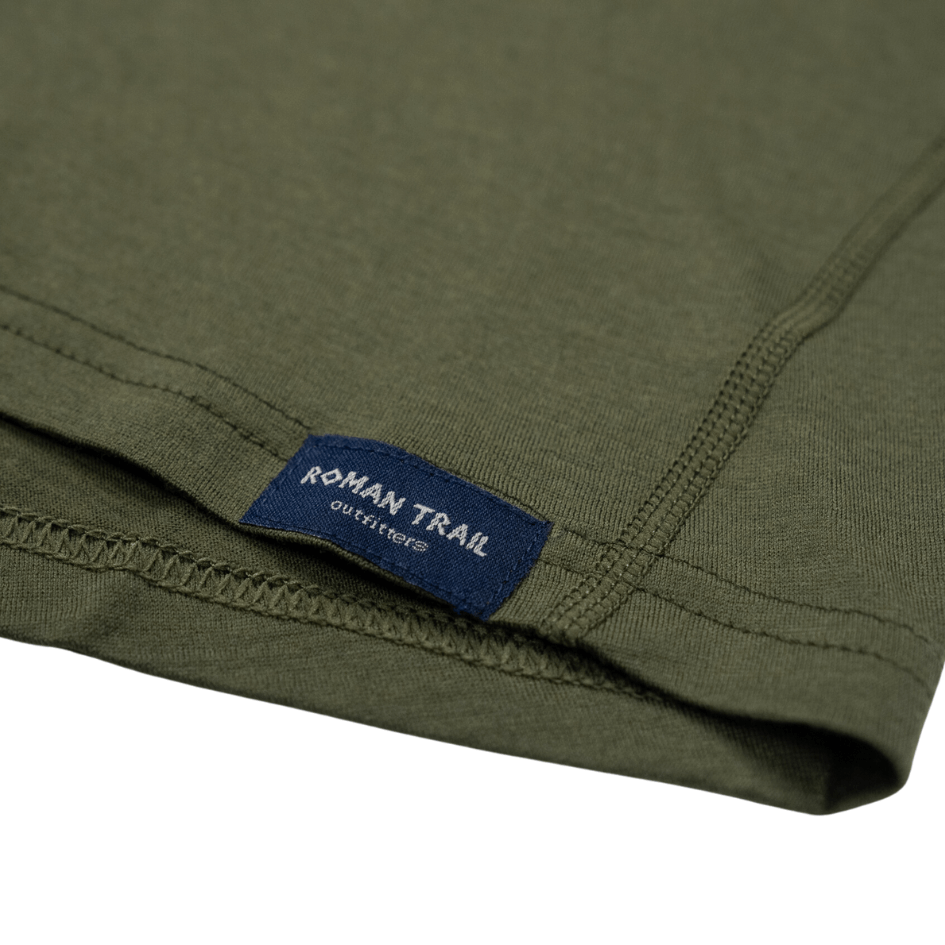
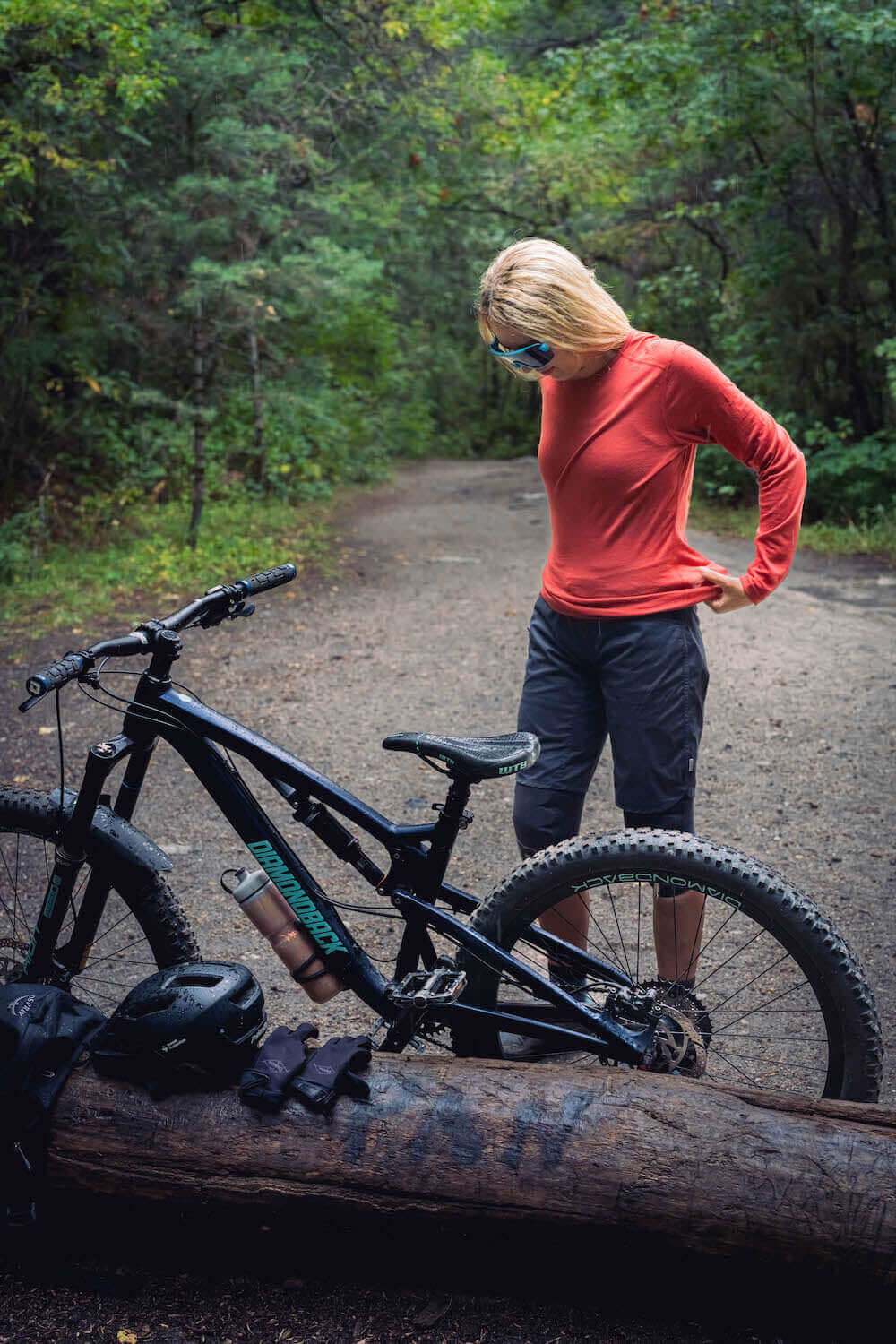
Base layers: Latvia's humid continental climate, with cold winters and pleasant but variable summers, makes merino wool the right foundation fabric for this trip. The Roman Trail Women's Merino Wool Base Layer ($49-59) handles this range across every season. Bring two and rotate them.
Mid and outer layers: a fleece like the Columbia Women's Fast Trek II Jacket ($65) covers spring, autumn, and cooler summer evenings, and a packable rain shell such as the Marmot Women's PreCip Eco Rain Jacket ($110) handles Latvia's year-round rain. A winter visit calls for a heavier insulated jacket layered over the fleece.
Footwear: the Merrell Women's Moab 3 Waterproof Hiking Boot ($140) handles Gauja National Park's canyon trails, while the Salomon Women's X Ultra 4 GTX ($165) is a lighter option for Riga old town's cobblestones. Round out the list with the Darn Tough Women's Hiker Micro Crew Merino Socks ($28) for the hiking days, plus sandals if Jurmala's beach is on the itinerary.
Shop the full Roman Trail merino wool collection, available in eight colors with free two-day shipping and a two-year satisfaction guarantee, at Roman Trail women's merino base layers.
Getting Around Latvia
Latvia's compact size and well-developed transport network make combining Riga, Jurmala, and Gauja National Park genuinely straightforward, even without a car.
Train: Riga's commuter rail network reaches both Jurmala and Sigulda, the gateway to Gauja National Park, directly and reliably, making both destinations easy half-day or full-day trips without needing to rent a car. The Riga to Jurmala train takes roughly 30 to 40 minutes, and the Riga to Sigulda train takes about an hour.
Bus: Latvia's intercity bus network extends further than the rail system, connecting Riga with smaller towns throughout the country, and is a comfortable, reliable option for travelers heading beyond the main rail corridors.
Rental car: a rental car offers the most flexibility for exploring Gauja National Park's full extent and Kemeri National Park's bog trails at your own pace, and Latvia's roads are in good condition by regional standards, making self-driving a comfortable and low-stress option.
Within Riga: Riga old town and the Art Nouveau quarter are both genuinely walkable from most central accommodation, and the city's tram and bus network covers the rest of the city reliably for destinations slightly further afield.
Costs: What to Budget for Latvia
Latvia is one of the more affordable countries in the European Union, with prices meaningfully below Western Europe while still offering excellent infrastructure and service standards.
A budget traveler relying on hostels, bakeries and casual cafes, and public transport can comfortably manage the country on $30 to $40 per day. A mid-range budget covering guesthouses or three-star hotels, restaurant meals, and occasional taxis runs $60 to $90 per day. A luxury budget with boutique hotels, private drivers, and guided tours runs $140 and up per day.
Accommodation ranges from $12 to $22 per night for a hostel dorm bed, $35 to $65 per night for a comfortable guesthouse or mid-range hotel room in Riga, and $90 and up for boutique properties in the old town or Art Nouveau quarter. Meals cost $5 to $9 for a casual local lunch, $12 to $22 for a sit-down restaurant dinner with wine, and a glass of black balsam mixed with blackcurrant juice at a Riga bar typically runs $4 to $6.
Entrance fees to major sites are modest: the Riga Art Nouveau Museum runs around $8 to $10, Turaida Castle and Museum Reserve costs around $6 to $8, and the Sigulda cable car crossing the Gauja valley runs about $4 to $6 each way. The euro is Latvia's currency, ATMs are widely available throughout the country, and cards are accepted almost everywhere, even at small cafes and market stalls. Tipping is appreciated but not obligatory, with 10 percent standard at restaurants for good service.
Where to Stay in Latvia
Riga old town and the adjacent Art Nouveau quarter offer the best base for most itineraries, with guesthouses and boutique hotels housed in restored historic buildings putting the Cathedral Square, the Central Market, and Alberta Street's facades all within easy walking distance. Solo women should look for centrally located accommodation within these areas, where the concentration of restaurants, cafes, and well-lit pedestrian streets creates a comfortable environment at any hour.
Jurmala offers a genuinely relaxed alternative for travelers prioritizing beach time, with a well-developed hotel and guesthouse scene, particularly in the Majori and Dzintari neighborhoods, and easy train access back to Riga for day trips into the city.
For a Gauja National Park visit, Sigulda offers the most practical base, with a small but growing range of guesthouses and hotels within easy reach of both castles and the main hiking trails. Booking.com functions well throughout Latvia, and guesthouse hosts in both Riga and Sigulda are known for a level of personal hospitality and genuine local recommendations that larger chain hotels cannot easily replicate.
Cultural Etiquette in Latvia
Latvia is predominantly Lutheran and Roman Catholic with a significant Russian Orthodox minority, and understanding this religious diversity, alongside the country's deep folk and song tradition, adds real depth to a visit.
Visiting an active church calls for modest dress and quiet, respectful behavior, particularly during services, and Latvian churches are generally relaxed about strict dress codes compared to some Orthodox sites elsewhere in Eastern Europe. Latvia's folk tradition, particularly the deep cultural significance of the Song and Dance Festival, deserves genuine respect: this is not merely a tourist performance but a living expression of national identity that played a real and dangerous role in the country's peaceful path to independence during the late 1980s Singing Revolution.
Latvians are generally reserved with strangers on first meeting, a trait often noted by visitors, but warm up genuinely once a conversation is underway, and this initial reserve should not be mistaken for unfriendliness. Latvian is the country's language, another of the oldest living Indo-European languages alongside Lithuanian, and English is widely spoken among younger people in Riga, though a few basic Latvian phrases, paldies for thank you and labdien for good day, are warmly received, particularly outside the capital.
Latvia's 20th century history, including independence in 1918, Soviet and Nazi occupation during the Second World War, nearly five decades of subsequent Soviet rule, and the peaceful independence movement that succeeded in 1991, remains a subject many Latvians discuss with genuine openness. The Museum of the Occupation of Latvia in Riga offers important context for understanding this period, and approaching the subject with real curiosity and respect, rather than casual generalization about the wider Soviet bloc, is appreciated.
Riga's Art Nouveau Golden Age
Understanding the economic and historical forces that produced Riga's extraordinary Art Nouveau district adds real depth to a visit that might otherwise treat the architecture as simply, if beautifully, decorative.
Between 1896 and 1913, Riga experienced one of the most remarkable economic booms anywhere in the Russian Empire, driven by the city's position as a major Baltic Sea port and rapid industrialization that made it, briefly, one of the wealthiest cities in the entire empire, rivaling Moscow and Saint Petersburg in population and commercial significance. This wealth translated directly into architecture: over 800 Art Nouveau buildings were constructed in scarcely more than a decade, an extraordinary concentration achieved nowhere else in the world at comparable scale, as newly prosperous merchants, professionals, and industrialists competed to commission increasingly elaborate facades for their apartment buildings.
Architect Mikhail Eisenstein designed several of the most theatrical buildings on Elizabetes Street, his facades characterized by dramatic sculptural faces, peacocks, and mythological figures rendered in a style closer to stage design than conventional architecture, and he remains the best-known name associated with the district today, not least because his son Sergei Eisenstein would go on to become one of the most influential filmmakers in cinema history, director of Battleship Potemkin. Other architects, including Konstantins Peksens and Eizens Laube, developed a more restrained National Romantic strand of Latvian Art Nouveau that drew on folk motifs and local building traditions rather than the flamboyant continental style, and walking between Alberta Street's theatrical facades and the quieter National Romantic buildings nearby offers a genuinely illuminating contrast within a few blocks.
The district's survival through two world wars, decades of Soviet neglect, and the difficult economic transition following independence in 1991 was never guaranteed, and much of the restoration work visible today dates only to the past two or three decades, funded partly by UNESCO recognition and partly by Riga's growing tourism economy. Visiting the Art Nouveau quarter today means seeing a genuinely rescued architectural heritage, not simply a well-preserved one.
Riga's UNESCO World Heritage designation, granted in 1997, actually covers the historic center as a whole, medieval old town and Art Nouveau quarter together, recognizing the city as an outstanding example of urban architectural development across nearly a thousand years, from the Hanseatic League's medieval trading port through the 19th century boulevards and finally the Art Nouveau boom. Few European cities offer this kind of continuous, legible architectural timeline within a single compact, walkable center, and spending unhurried time simply walking between the old town's Gothic spires and the Art Nouveau quarter's ornate facades is one of the more rewarding ways to understand Riga's full architectural story rather than treating each district as a separate, disconnected attraction.
Latvia Food and Drink Culture
Latvian cuisine draws on the country's agricultural, forest, and Baltic Sea traditions, and the culture around food here favors hearty, seasonal dishes suited to a genuinely cold climate for much of the year.
Rupjmaize, dense dark rye bread made from a sourdough starter often passed down through generations within a single family, is the most important Latvian staple, and rupjmaize maize, a layered dessert built from rye bread crumbs, whipped cream, and berries, is the classic way Latvian households repurpose day-old bread rather than let it go to waste. Sklandrausis, a sweet carrot and potato pastry in a rye crust traditionally from the Livonian coast in northern Latvia, carries EU protected status recognizing its specific regional origin, and Grey peas with bacon, a hearty winter dish rooted in the country's peasant farming tradition, remains a genuine comfort food for many Latvians despite its humble ingredients.
Black balsam, Riga's signature bitter herbal liqueur, dates to the 18th century and was originally sold as a medicinal tonic before becoming the national spirit, and its closely guarded recipe reportedly contains over a dozen herbs, roots, and berries. Most Latvians mix it with blackcurrant juice, add it to coffee, or pour it over vanilla ice cream rather than drink it neat, which even locals generally consider an acquired taste. Latvia's dairy tradition runs deep as well, and the country's honey, sold at the Central Market by small producers from throughout the countryside, is worth seeking out specifically, reflecting Latvia's extensive forests and relatively low levels of industrial agriculture compared to much of Western Europe.
Latvia's forest culture shapes its food traditions in ways that surprise many first-time visitors. Wild mushroom and berry foraging remains a genuinely widespread autumn activity across the country rather than a niche hobby, and it is not unusual to see entire families spending a weekend day in the forest with baskets, a practice with roots stretching back well before Soviet times and one that persisted quietly even through decades of collectivized agriculture. Restaurant menus throughout Riga, particularly in autumn, feature seasonal wild mushroom dishes that reflect this deep-rooted practice, and lingonberries, cranberries, and blueberries gathered from Latvia's extensive pine and birch forests appear in everything from breakfast preserves to dessert compotes throughout the colder months.
Essential Resources for Women in Latvia
Emergency numbers: All emergencies (police, ambulance, fire) 112
US Embassy in Riga: Samnera Velsa iela 1, Riga, +371 6710 7000, lv.usembassy.gov
Official health authority: Ministry of Health, Latvia, vm.gov.lv
US State Department travel advisory: travel.state.gov Latvia advisory
UK FCDO travel advice: gov.uk Latvia travel advice
Official tourism authority: Latvia Travel, latvia.travel
Solo women safety assessment: Latvia is genuinely one of the safest countries in Europe for solo women, with very low rates of violent crime against tourists throughout Riga, Jurmala, and Gauja National Park, and a level of general public trust and civic order that consistently surprises first-time visitors. Riga old town and the Art Nouveau quarter are comfortable to explore independently at nearly any hour, with only the standard capital-city awareness, mindfulness of belongings in crowded tourist areas, worth applying. Jurmala and Gauja National Park present no particular safety concerns beyond normal weather and terrain awareness. Solo women travel Latvia with genuine ease, and it consistently ranks among the safest, most relaxed, and most welcoming countries in all of Europe for independent female travel.
Shop the full Roman Trail merino wool collection, available in eight colors with free two-day shipping and a two-year satisfaction guarantee, at Roman Trail women's merino base layers.
For the complete packing breakdown, see the Latvia packing list for women. Explore more European destinations on the Roman Trail travel guide hub, and read more about building a merino-first travel wardrobe on the Roman Trail merino wool base layer guide.
If the outer journey is calling you, the inner one usually is too. Explore SoulMap at romantrail.com/blogs/soulmap.
Blog posts
View all-

Packing List for Incheon: What Women Should Bring
What to pack for Incheon. South Korea's port and gateway city, with a built-from-nothing smart district, the country's only Chinatown, and a nine-metre tide.
Packing List for Incheon: What Women Should Bring
What to pack for Incheon. South Korea's port and gateway city, with a built-from-nothing smart district, the country's only Chinatown, and a nine-metre tide.
-

Packing List for Huacachina: What Women Should ...
What to pack for Huacachina. A desert oasis in southern Peru ringed by enormous dunes, where the buggy ride is the whole point and the FCDO names it by name.
Packing List for Huacachina: What Women Should ...
What to pack for Huacachina. A desert oasis in southern Peru ringed by enormous dunes, where the buggy ride is the whole point and the FCDO names it by name.
-

Packing List for Ollantaytambo: What Women Shou...
What to pack for Ollantaytambo. A living Inca town in Peru's Sacred Valley, the railhead for Machu Picchu, and the right place to sleep off the altitude.
Packing List for Ollantaytambo: What Women Shou...
What to pack for Ollantaytambo. A living Inca town in Peru's Sacred Valley, the railhead for Machu Picchu, and the right place to sleep off the altitude.


Contact form

Roman Trail Outfitters
Merino Wool Women's Long Sleeve Top | Crew Neck Shirt | Deep Olive