Ladakh Travel Guide for Women: Everything You Need to Know

Ladakh occupies the far north of India between the Karakoram and the Great Himalaya, and since the reorganisation of 2019 it has been a Union Territory administered directly from Delhi. Leh, the capital, sits at about 3,500 meters. Much of the territory lies above 4,000, and its road passes are among the highest motorable in the world at over 5,300 meters.
Disclosure: This post contains affiliate links. If you buy through them, Roman Trail earns a small commission at no extra cost to you.
It is a high-altitude cold desert in the rain shadow of the Himalaya, receiving roughly 100 millimetres of precipitation a year, less than the Sahara. Every green field is fed by glacial meltwater through channels that villages have maintained for centuries, which is why settlements appear as vivid strips of barley and apricot in an otherwise bare landscape of ochre, grey and violet rock.
The culture is Tibetan rather than Indian. Ladakhi is a Tibetic language, the monasteries are Tibetan Buddhist and the oldest hold wall paintings over a thousand years old, and Ladakh was an independent kingdom on the western edge of the Tibetan world until it was annexed by Jammu in the 1830s. It is sometimes called Little Tibet, and in a real sense it preserves Tibetan monastic culture more continuously than Tibet itself has been able to.
One fact should govern your entire itinerary.
The flight from Delhi takes ninety minutes and lifts you from 216 meters to 3,500. No trekker would ever ascend that fast by choice. Acute mountain sickness is common in Leh and occasionally becomes serious, and the universal local advice is to do nothing at all for the first 48 hours.
This guide covers altitude first because it determines everything else, then safety, seasons, the valleys and monasteries, permits, transport, costs, accommodation and packing.
Altitude, and the First 48 Hours
What to expect
A large proportion of people flying into Leh experience mild acute mountain sickness: headache, disturbed sleep, breathlessness climbing stairs, appetite loss, mild nausea. This is normal and resolves with rest over a day or two.
What is not normal and requires descent rather than rest: breathlessness that worsens while sitting still, a cough producing frothy sputum, confusion, loss of coordination, or an inability to walk a straight line. These indicate high altitude pulmonary or cerebral oedema, both of which can kill, and the treatment for both is to go down.
The rules that matter
Two full days of rest in Leh before anything else. Flat walking only, no monasteries above the town, no passes, no Pangong.
Then ascend gradually. Nubra and Pangong both sit higher than Leh and are reached over passes above 5,000 meters, so they belong on day four or later.
Three to four litres of water a day. The air is exceptionally dry and dehydration both mimics and worsens altitude symptoms.
No alcohol for the first few days. It impairs acclimatisation and hits considerably harder here.
Discuss acetazolamide with a doctor before travelling. It is widely used as a preventive and is a prescription decision made at home, not a packing one.
Arriving overland from Manali or Srinagar takes two days and acclimatises you properly, and it is genuinely the better way to come if you have the time.
Take specific medical advice first if you are pregnant or have heart or lung conditions, sickle cell disease, or are on medication that interacts with altitude.
Recommended Tours and Experiences

Is Ladakh Safe for Women Travelers
Ladakh is widely regarded as one of the safest and easiest regions in India for a woman travelling alone, and many women who find the northern plains wearing describe arriving here as a relief.
The reasons are cultural. This is a Tibetan Buddhist majority region with a substantial Muslim population, the constant staring and comment that characterise Delhi or Agra are markedly less present, Leh has had an independent traveller scene for decades, and the village homestay network is run by families who host as a matter of course. Ladakhi women hold a comparatively strong social and economic position, and the atmosphere reflects it.
The risks are environmental and logistical.
Altitude is the main one and is covered above. It is the reason people cut trips short.
The roads. The second genuine danger. High passes without barriers, long exposed drops, single-track sections, landslides and rockfall, river crossings on the Nubra road, and drivers working twelve-hour days. Choose an operator with a decent vehicle, do not push a driver to continue after dark, and accept a delayed departure over a rushed one.
Flash floods and landslides. Despite the desert climate, cloudbursts occur and have been destructive, most notably the 2010 Leh floods. The Manali and Srinagar highways close for days at a time in summer.
The sun. UV at 3,500 to 5,000 meters in dry clear air is extreme. People burn badly within an hour, including under the chin and inside the nostrils from light reflected off sand and snow, and snow blindness is a real risk without proper sunglasses.
The dryness. Cracked lips, nosebleeds and dry eyes are routine.
Border sensitivity. This is a militarised frontier region adjoining both Pakistan and China. Photographing military installations and convoys is prohibited, drones are restricted and confiscated, and permits are checked repeatedly.
Emergency numbers: 112 generally, 1091 women's helpline, 181 women's distress helpline, 1363 the 24-hour tourist helpline in English.
Permits, and How They Work
Inner Line Permits or Protected Area Permits are required for the border areas, which includes almost everything worth seeing beyond the Indus valley: Nubra, Pangong Tso, Tso Moriri, Hanle, Turtuk and the Dah-Hanu villages.
Indian nationals and foreign nationals follow different processes, and foreign nationals generally need a Protected Area Permit arranged through a registered travel agent in Leh, sometimes requiring a minimum group size that agents routinely handle by grouping solo travellers together on paper.
Practical advice: arrange permits in Leh through an agent on your first or second day, which fits the rest period anyway. Carry multiple photocopies plus your passport, because checkpoints keep copies and there are several on each route. Rules change, so treat any specific account, including this one, as a starting point and confirm locally.
Top Regions and What Each One Requires
Leh and the Indus valley
Where you acclimatise, and where the greatest monasteries are. Leh itself has the old town below a nine-storey palace modelled on the Potala, a bazaar, and the Shanti Stupa above it, best reached by taxi on your first days rather than by the steps.
Along the Indus at or below Leh's altitude, which makes them the correct day-three outing: Thiksey, a twelve-storey monastery best seen at the dawn prayer ceremony; Hemis, the largest and wealthiest, with a June or July masked-dance festival; Alchi, the oldest and most important, whose eleventh and twelfth-century Kashmiri wall paintings are among the finest surviving works of Himalayan Buddhist art; and Lamayuru, in eroded badlands sometimes called moonland.
Terrain: monastery steps, dusty tracks, thin air.
Pack: slip-on shoes for prayer halls, covered shoulders and knees, hat, water.
Nubra Valley
Over Khardung La at about 5,360 meters, one of the highest motorable passes in the world, into a valley where the Shyok and Nubra rivers meet. Hunder has sand dunes and double-humped Bactrian camels, descendants of Silk Road caravan stock. Diskit has a large monastery and a 32-meter Maitreya Buddha facing the Pakistan border. Turtuk is a Balti village that was in Pakistan until 1971 and is culturally distinct.
Terrain and altitude: a very high pass, then a valley at around 3,000 meters, so you descend after crossing.
Pack: full layers for the pass, windproof shell, permits.
Pangong Tso and Tso Moriri
Pangong is a 134-kilometre endorheic lake at 4,350 meters, two thirds of it in Chinese-controlled Tibet, whose colour shifts through blue, green and grey with the light. It is spectacular, it became very popular after appearing in a Bollywood film, and it is high and cold, with basic camps and genuinely freezing nights even in summer.
Tso Moriri, higher at 4,522 meters, is quieter and for many people more beautiful, with Tibetan wild ass and migratory birds.
Pack: your warmest layers, a hat and gloves in July, and an acclimatisation plan that puts these late in the trip.
Trekking and the Markha Valley
The Markha Valley trek is the classic: five to seven days through villages with homestays, crossing passes above 5,000 meters, and it requires full acclimatisation first. Sham Valley is the gentle multi-day option at lower altitude. The Chadar, walking the frozen Zanskar river in January and February, is a serious winter expedition rather than a trek.
Winter Ladakh
Hemis National Park is among the best places in the world to track snow leopards, in February and March, on specialist trips with local spotters. Cold beyond most people's experience, at minus 20 or lower, and extraordinary.
What to Pack for Ladakh: Women's Packing List
The full detail is in the Ladakh packing list for women. The essentials:
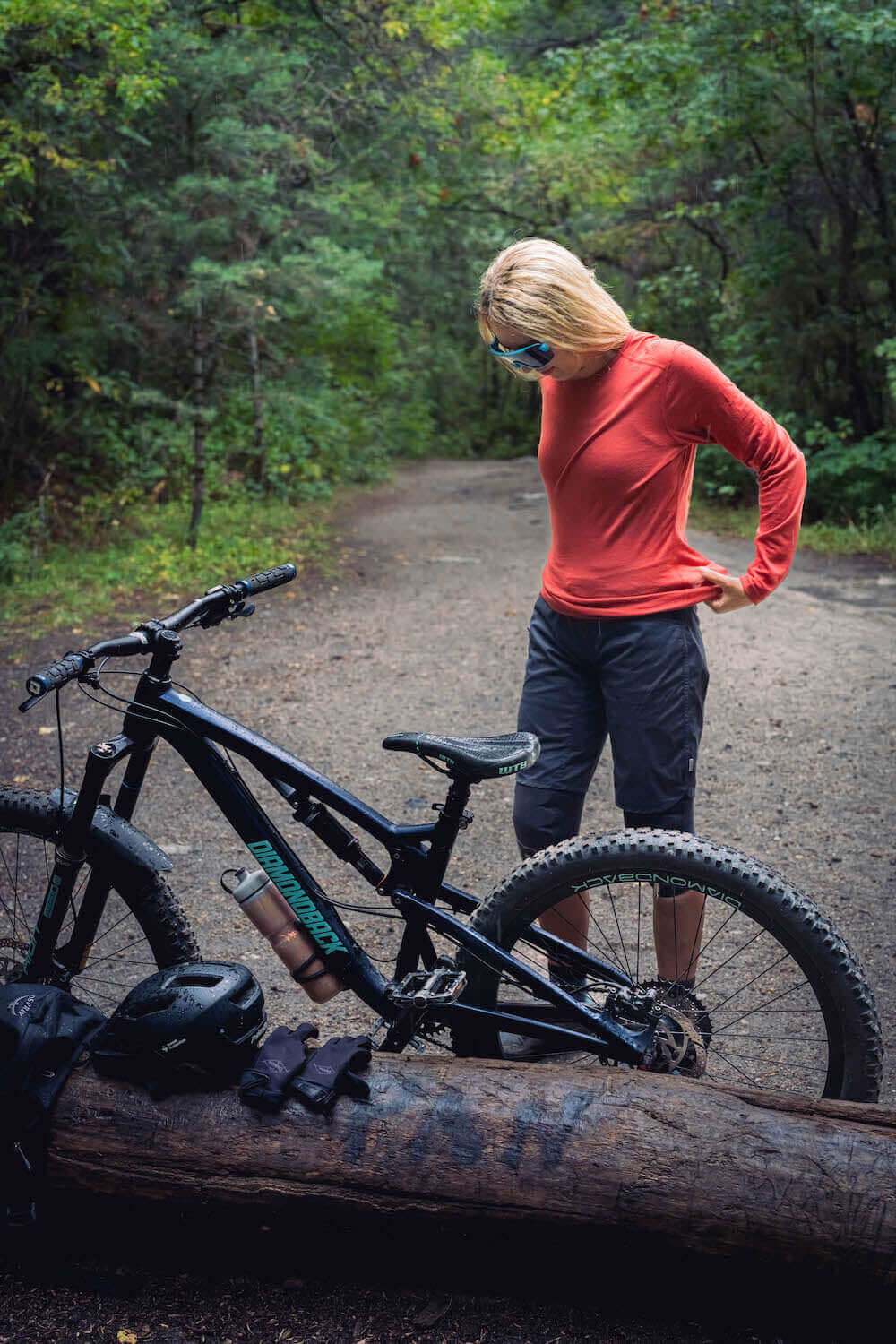
Base layers: three. Three Roman Trail Women's Merino Wool Base Layers ($49-59) in long sleeve, plus merino bottoms. This is the destination merino exists for. The daily swing is 20 to 25 degrees, from 28 in direct sun to 5 at night, and below freezing on a pass while you are sunburning. The base layer stays on all day while everything else comes on and off, and merino at 17.5 micron and 160 gsm insulates when cold, moves moisture in sun, and does not smell after several days in a region where laundry is slow and water scarce. Long sleeves also satisfy monastery dress codes and block extreme UV.
Mid layers. The Columbia Women's Fast Trek II Jacket ($65) plus a genuinely warm insulated jacket. Leh guesthouses are frequently unheated, and a night at Pangong or in Nubra is near or below freezing even in July.
Outer layer. The Marmot Women's PreCip Eco Rain Jacket ($110), used here as a windproof shell rather than for rain, because the wind on the passes and at the lakes is constant and cutting.
Footwear. The Merrell Women's Moab 3 Waterproof Hiking Boot ($140), broken in, for monastery steps, rocky ground and trekking, plus slip-ons for prayer halls where shoes come off. The Darn Tough Women's Hiker Micro Crew Merino Socks ($28), three pairs.
Sun protection, which is safety equipment here. A Wide Brim Sun Hat Women UPF 50 ($25) with a chin strap for the wind, high-factor sunscreen reapplied and applied under the chin and nose, and sunglasses with genuine UV protection, ideally wraparound, because snow blindness at these altitudes is a real risk rather than a theoretical one.
Health. Three to four litres of water capacity, rehydration salts, SPF lip balm, hand cream and saline nasal spray for the extreme dryness, a basic stomach kit, prescriptions in original packaging, and any altitude medication prescribed at home.
Documents and money. The Eagle Creek Pack-It Cube Set ($59). Passport, Indian e-visa, and multiple photocopies of passport and permits for the checkpoints. Cash, because Leh's ATMs run dry and there are none in Nubra or at the lakes.

Getting There and Getting Around
By air: Leh's Kushok Bakula Rimpochee airport takes flights from Delhi in about ninety minutes, plus seasonal services from Srinagar, Jammu and Mumbai. Flights are morning only because afternoon winds make the approach unsafe, they are frequently cancelled in bad weather, and the descent between mountains is memorable. Build a buffer day at the end of your trip before an international connection.
Overland: two routes, both open roughly June to October and both spectacular. The Manali to Leh highway, two days over four passes including Baralacha La and Tanglang La, and the Srinagar to Leh road via Kargil and Zoji La, which is the gentler ascent and better for acclimatisation. Both close for snow in winter and both close temporarily for landslides in summer.
Getting around: shared taxis and a strong local taxi union that sets fixed published rates, which removes haggling and means prices are non-negotiable and clearly listed. Hiring a car with driver for several days is the normal way to do Nubra and Pangong. Motorbike hire is extremely popular, and note that only Ladakh-registered bikes may legally be hired for use here, which catches out people arriving with rentals from Manali.
Buses run between Leh and the main villages cheaply and slowly.
Costs: What to Budget
Ladakh is inexpensive to be in and expensive to move around, because distances are vast and taxi rates are fixed.
Budget, $25 to $45 a day: a guesthouse room in Leh at $10 to $25, local food, shared taxis or buses, and monastery entries.
Mid-range, $70 to $130 a day: a good guesthouse or small hotel at $35 to $70, restaurant meals at $12 to $20, and a share of a hired car for the valleys.
Higher end, $250 and up: the luxury camps and heritage properties, private vehicles, and the specialist snow leopard or Chadar expeditions, which run into thousands for a week.
Specific costs: monastery entry 50 to 200 rupees each; a Protected Area Permit arranged by an agent 500 to 1,000 plus per-day environmental fees; a full-day taxi to Nubra or Pangong 8,000 to 15,000 rupees at union rates, shared between passengers; a Markha Valley trek with guide, homestays and food $50 to $90 a day; motorbike hire 1,500 to 2,500 a day; a guesthouse double 1,000 to 3,000.
Money: the Indian rupee. Carry substantial cash. Leh has ATMs which run dry in season, and there are none in Nubra, at Pangong or at Tso Moriri. Cards work at better hotels in Leh and essentially nowhere else. Tipping: 10 percent in restaurants, and something for a driver who has spent three days on those roads.
Where to Stay: Guesthouses, Homestays and Camps for Women
Leh is where you begin and acclimatise. The Changspa area is the traveller quarter, walkable, full of guesthouses with gardens, cafés and agents, and quieter than the bazaar. Many Leh guesthouses are family homes with a few rooms, which for a woman travelling alone is an easy and welcoming arrangement.
Village homestays are the best thing about Ladakhi travel: a room in a family house, meals eaten with the family, and a share of the income going directly to the village. The Sham and Markha valley networks are well established, and this is how to spend the second half of a trip.
Nubra and Pangong camps are tented, basic to comfortable, and cold. Check whether there is heating, bedding and any hot water, because at 4,350 meters a July night at Pangong is genuinely freezing and several camps provide less than their photographs suggest.
Luxury exists, in a small number of tented camps and heritage houses around Leh and Nubra at international prices.
What to check as a woman travelling alone: whether the Leh guesthouse has heating or thick bedding, because nights are cold in every season; whether there is reliable hot water, which is often solar and therefore evening-only; whether the property is in Changspa and walkable, since taxis at night are limited; and for camps, exactly what "heated tent" means, which varies enormously. Homestays are consistently the safest and warmest option.
Essential Resources for Women in Ladakh
Emergency numbers in India: 112 is the national emergency number, 100 police, 102 ambulance, 101 fire. 1091 national women's helpline, 181 women's distress helpline.
Altitude medical care, the one that matters: Sonam Norboo Memorial Hospital in Leh is the district hospital and treats altitude illness as daily routine, which makes its staff genuinely expert. Army medical facilities and several private clinics in Leh are also accustomed to treating visitors. For serious altitude illness the treatment is descent, and evacuation is by air to Delhi, which weather can delay by a day or more.
Tourist assistance: the Ladakh tourism department has an office in Leh, and the national tourist helpline is 1363, 24 hours, in English. Registered agents in Leh handle permits and are the practical source of current local information.
US consular services: the US Embassy in New Delhi covers Ladakh, with no nearer post. Contact details and the after-hours emergency number are at in.usembassy.gov.
Official health authority: the Ministry of Health and Family Welfare at mohfw.gov.in. Discuss altitude medication with a travel clinic before you travel.
Official tourism authority: incredibleindia.gov.in, with permit rules and current road status published by the Ladakh administration.
US State Department travel advisory for India: current advisory level and the region-by-region detail. The advisory treats Jammu and Kashmir separately and advises against travel to parts of it, while distinguishing Ladakh including Leh from that guidance. Read the current wording directly, because the administrative reorganisation of 2019 changed the geography the advisory describes.
UK FCDO travel advice for India: entry requirements, safety and health guidance, which similarly separates Ladakh from the areas it advises against. Most nationalities need an Indian visa in advance.
Solo women safety assessment: Ladakh is among the very easiest parts of India for a woman to travel alone, and women who have found the plains cities tiring often describe it as a relief. The culture is Tibetan Buddhist, the persistent staring and comment of north India are far less present, Leh's traveller scene is decades old, and homestays are family-run and genuinely hospitable. What will curtail your trip is altitude: rest two full days on arrival, ascend only afterwards, drink three to four litres daily, skip alcohol early, and treat breathlessness at rest, confusion or loss of coordination as a reason to descend immediately rather than lie down. The roads are the other real danger, with unbarriered passes, landslides and drivers on twelve-hour days, so choose your operator and never push for a night drive. Carry cash and multiple permit copies, dress modestly, protect yourself properly from UV that will burn you in an hour, and remember this is a militarised border region where drones and photographing installations cause serious trouble.
Reading On
Ladakh is the most extraordinary landscape in India, and the trip is decided in the first 48 hours. The Ladakh packing list for women has the layering and altitude detail. The India travel guide for women covers the country, with Delhi ninety minutes south by air and the usual arrival, and the Rishikesh and Varanasi guides covering the Ganges. Along the Himalaya, the Nepal travel guide for women, the Pokhara travel guide for women, the Everest Base Camp guide for women and Bhutan cover the range eastward. The travel packing guide for women is the parent for every destination. For why three merino layers answer a 25-degree daily swing, the merino wool base layer guide explains it, and the full range is at Roman Trail women's merino base layers.
If the outer journey is calling you, the inner one usually is too. Explore SoulMap at romantrail.com/blogs/soulmap.
Blog posts
View all-

Packing List for Skardu, Pakistan: What Women S...
What to pack for Skardu, Pakistan: the capital of Baltistan, the cold desert, Deosai plains, the road head for K2, and how to get there legally.
Packing List for Skardu, Pakistan: What Women S...
What to pack for Skardu, Pakistan: the capital of Baltistan, the cold desert, Deosai plains, the road head for K2, and how to get there legally.
-

Packing List for Naran, Pakistan: What Women Sh...
What to pack for Naran, Pakistan: the Kaghan valley, Saiful Muluk lake, the Babusar Pass as the compliant road north, and the permission you need before you go.
Packing List for Naran, Pakistan: What Women Sh...
What to pack for Naran, Pakistan: the Kaghan valley, Saiful Muluk lake, the Babusar Pass as the compliant road north, and the permission you need before you go.
-

Packing List for Multan, Pakistan: What Women S...
What to pack for Multan, Pakistan's city of saints: the Sufi shrines, the blue tilework, the mango orchards, and heat that reaches the high forties.
Packing List for Multan, Pakistan: What Women S...
What to pack for Multan, Pakistan's city of saints: the Sufi shrines, the blue tilework, the mango orchards, and heat that reaches the high forties.


Contact form

Roman Trail Outfitters
Merino Wool Women's Long Sleeve Top | Crew Neck Shirt | Deep Olive