Kazakhstan Travel Guide for Women: Everything You Need to Know

Kazakhstan is the world's largest landlocked country and the most economically developed nation in Central Asia, a destination of dramatic contrasts between ultra-modern architecture and vast untouched wilderness. This is a country built for travelers who want mountain scenery on par with Kyrgyzstan and Tajikistan but with noticeably better infrastructure, faster transport, and a genuinely easier logistics experience throughout.
Disclosure: This post contains affiliate links. If you buy through them, Roman Trail earns a small commission at no extra cost to you.
The ninth largest country in the world has built a new capital in Astana with architecture that rivals Dubai in its ambition, Norman Foster's Khan Shatyr entertainment center and the Baiterek Tower creating a skyline that announces Kazakhstan's determination to project modernity. Almaty, the former capital and largest city, sits in a natural amphitheater below the Tian Shan mountains, snow-capped peaks visible from the city center in an urban setting that rivals Innsbruck for mountain drama. Charyn Canyon, the Kolsai Lakes, and the remote Altai Mountains in the far east round out a country that genuinely rewards both city time and serious wilderness time within a single trip.
Is Kazakhstan Safe for Women Travelers
Kazakhstan carries a US State Department Level 1 advisory, exercise normal precautions, the lowest advisory level issued, and this covers the entire itinerary in this guide, including Almaty, Astana, Charyn Canyon, the Kolsai Lakes, and the Altai region. This makes Kazakhstan one of the most straightforwardly safe countries in this travel series, and it deserves an honest, specific breakdown rather than a generic reassurance.
The most specific caution worth knowing is Kazakhstan's genuinely severe legal penalties for any drug possession or trafficking, an area where authorities show essentially zero leniency regardless of nationality. Standard urban precautions apply in Almaty and Astana, particularly around nightlife districts after dark, where the UK FCDO notes occasional violent theft near bars and clubs, and general pickpocket awareness in crowded areas like the Green Bazaar is worth standard practice.
Kazakhstan's culture grows noticeably more conservative outside Almaty and Astana, and dressing modestly and researching local norms before visiting smaller towns or rural areas is worth doing as standard practice. Two specific sites deserve a brief, honest note: the Baikonur Cosmodrome, Kazakhstan's Soviet-era space launch facility, requires a licensed tour operator and a Roscosmos permit rather than independent access, and the former Semipalatinsk nuclear test site near Semey in the northeast, a genuinely restricted and permit-controlled area, sits well outside any standard tourist itinerary and nowhere near Almaty, Astana, or the Altai region covered in this guide. Neither site affects the itinerary here, and both are worth mentioning only because searches about Kazakhstan sometimes surface them without this context.
Solo women travel Kazakhstan's major cities regularly and comfortably, and the country's genuinely developed tourism infrastructure, a real point of difference from some of its Central Asian neighbors, makes independent travel straightforward throughout the itinerary in this guide.
Best Time to Visit Kazakhstan
May through September genuinely offers the most comfortable weather across the country, avoiding both Astana's brutal winter cold and the most extreme summer heat further south. June and September in particular provide a good balance, with the Kolsai Lakes and Charyn Canyon trails fully accessible and Almaty's mountain backdrop typically clear of the summer haze that can build up during peak July and August.
Winter, while genuinely extreme in Astana, does bring real appeal for travelers specifically interested in the Shymbulak ski resort above Almaty, one of the more underrated ski destinations in Central Asia, or in experiencing Astana's dramatic modern architecture against a snow-covered backdrop. Spring and autumn shoulder seasons work well for Almaty and Astana specifically, though the higher-elevation Kolsai Lakes and Altai region are best reserved for the core June through September window.
Top Regions and What Each One Requires
Almaty
Kazakhstan's cultural and natural gateway requires comfortable walking shoes, light layers, and standard urban precautions, and functions as the natural anchor for any Kazakhstan itinerary given its direct access to the Tian Shan mountains. Beyond the Green Bazaar and Panfilov Park, the Central State Museum offers a genuinely thorough introduction to Kazakh history and nomadic culture, worth an hour or two before heading into the mountains. The Medeu skating rink, at 1,691 meters the highest of its kind in the world, and the Shymbulak ski resort just above it provide an easy half-day mountain excursion directly from the city center via cable car, no overnight trip required.
Charyn Canyon
Kazakhstan's answer to the Grand Canyon requires sturdy hiking shoes, sun protection, and plenty of water given the exposed desert terrain, and is manageable as a half-day trip from Almaty. The Valley of Castles section, where 12 million years of wind and water erosion have carved the red sandstone into towers and spires, is the canyon's most photographed stretch, and the roughly 2-kilometer floor trail along the Charyn River offers welcome shade from poplar trees in an otherwise exposed, sun-baked landscape.
Kolsai Lakes and Kaindy Lake
This alpine lake district requires proper hiking boots, a warm mid layer, and a rain shell given the genuine mountain weather at 1,800 to 2,600 meters, and rewards travelers willing to commit a full day or overnight to reach the second and third Kolsai lakes. Kaindy Lake, roughly an hour from the first Kolsai lake, is known for its eerily beautiful submerged forest of drowned spruce trees rising from turquoise water, formed after a 1911 earthquake-triggered landslide dammed the valley, and pairs naturally with a Kolsai Lakes visit given the shared access road.
Astana
Kazakhstan's purpose-built capital requires comfortable walking shoes for its museum district and genuinely warm layering outside the short summer window, given Astana's status as one of the coldest capital cities in the world for much of the year. The city's architecture, concentrated along the Nurzhol Boulevard axis between the Baiterek Tower and the Khan Shatyr entertainment center, rewards a dedicated day of walking, and the Hazrat Sultan Mosque, one of the largest in Central Asia, is worth visiting for both its scale and its relatively recent construction reflecting Kazakhstan's post-independence architectural ambitions.
The Altai Mountains
Kazakhstan's remote eastern wilderness requires full trekking gear and a genuine logistical commitment, typically arranged through a specialist local operator given the region's distance from Almaty and its still-developing tourism infrastructure. Markakol Lake and the surrounding Katon-Karagay National Park offer genuinely remote trekking and wildlife viewing, including the chance to see argali mountain sheep and, for the fortunate and patient, snow leopard tracks in the more remote backcountry.
What to Pack for Kazakhstan: Women's Packing List
Base and Mid Layers
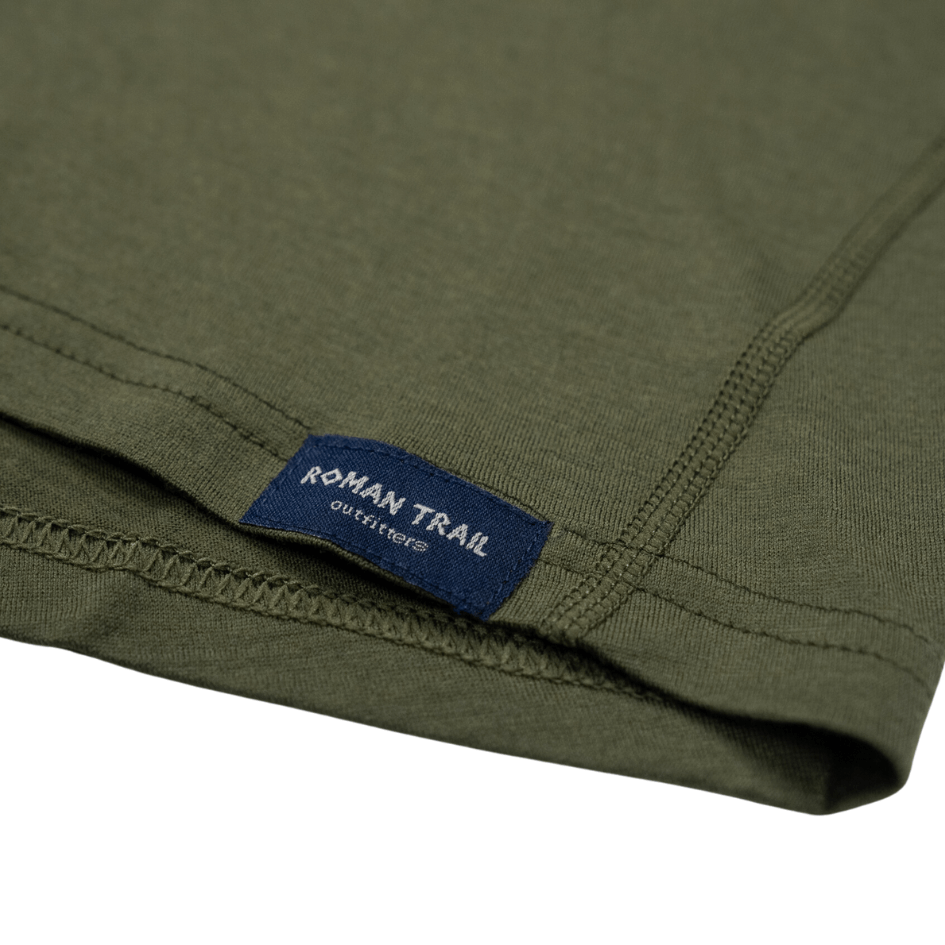
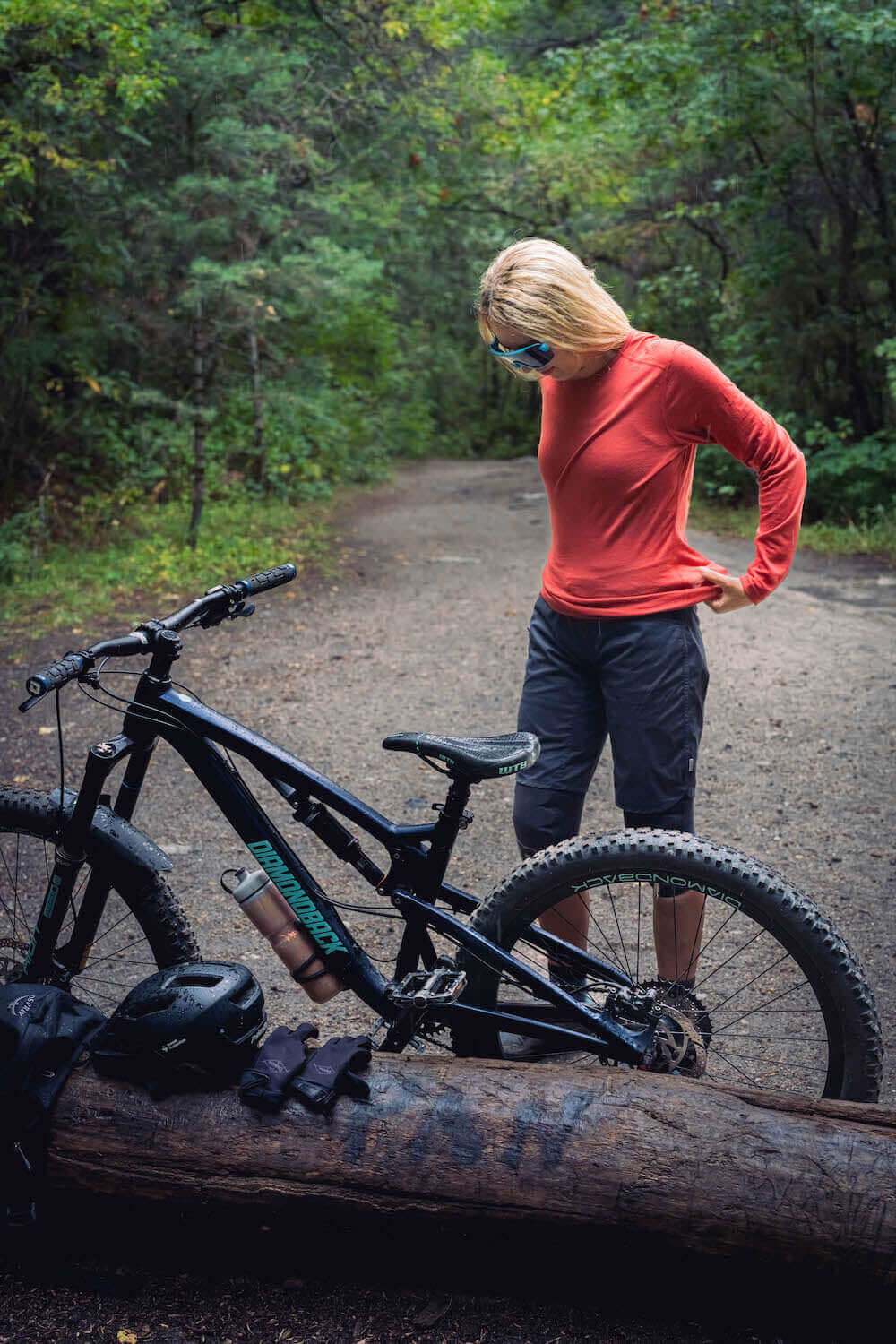
The Roman Trail Women's Merino Wool Base Layer ($49-59) handles Kazakhstan's extreme temperature variation across every region in this guide. The Columbia Women's Fast Trek II Jacket ($65) handles Almaty mountain evenings and Astana shoulder seasons.
Outer and Insulating Layers
The Columbia insulated hooded jacket ($279) handles winter and high-altitude Tian Shan cold, genuinely essential for any Astana winter visit or Kolsai Lakes trip outside peak summer. The Marmot Women's PreCip Eco Rain Jacket ($110) handles sudden steppe storms and mountain weather alike.
Footwear
The Merrell Women's Moab 3 Waterproof Hiking Boot ($140) handles Charyn Canyon and Kolsai Lakes trails. The Darn Tough Women's Hiker Micro Crew Merino Socks ($28) handle all terrain from Almaty's pavement to canyon scree.
Documents and Essentials
Valid passport with at least six months validity remaining. US citizens can enter visa-free for stays of up to 30 days within a 180-day period. Kazakhstani tenge is the official currency. Travel insurance covering the full trip is worth carrying as standard practice, particularly for any Altai or remote trekking component of the itinerary.
Browse the full merino collection at Roman Trail women's merino base layers, available in eight colors with free two-day shipping and a two-year satisfaction guarantee.
Culture and Etiquette in Kazakhstan
Kazakh culture blends nomadic Turkic tradition with decades of Soviet-era secularism into a national character that is genuinely modern, pragmatic, and noticeably less conservative in daily life than several of its Central Asian neighbors, particularly in Almaty and Astana. Greetings typically involve a handshake, and a nod or light handshake between women and men depending on the setting, with rural and southern areas generally favoring somewhat more traditional, reserved interaction between genders than the two major cities.
Hospitality carries real weight in Kazakh culture, and being offered tea, bread, or a full meal in a more traditional or rural setting is considered genuinely polite to accept, even briefly. Nauryz, the Persian and Central Asian spring new year celebrated in late March, is Kazakhstan's most significant traditional holiday, and travelers visiting during this window will find widespread celebrations, horse games, and traditional foods prepared specifically for the occasion.
Photography of government buildings, military installations, and the Baikonur Cosmodrome area outside of an organized, permitted tour is restricted and should be avoided entirely. Kazakhstan's cities are otherwise genuinely relaxed and photography-friendly, and normal travel clothing is entirely appropriate throughout Almaty and Astana specifically.
Language is worth a brief note: Kazakh and Russian are both official languages, and Russian remains genuinely dominant as the practical everyday language in Almaty and Astana, a legacy of the Soviet period that persists strongly today. English proficiency has grown substantially in the tourism sector over the past decade, particularly among younger Kazakhs and hospitality staff in Almaty, but learning a handful of basic Russian phrases still goes a long way outside the most tourist-facing establishments, and locals genuinely appreciate the effort.
Kazakhstan's Nomadic Heritage and Modern Ambition
Kazakhstan's national identity sits at a genuinely distinctive intersection of deep nomadic Turkic tradition and a deliberate, state-driven push toward modernity, and understanding both halves makes sense of a country that can feel simultaneously ancient and brand new within the same afternoon. For centuries, Kazakh clans moved across the steppe with felt yurts, herding horses, sheep, and camels across some of the most vast open grassland anywhere in the world, and this nomadic heritage remains visible in everything from traditional shyrdak felt patterns to the continued cultural importance of horses in Kazakh identity today.
Independence in 1991 triggered a genuinely ambitious modernization project, most visibly expressed in the decision to build an entirely new capital at Astana starting in the late 1990s, transforming what had been a modest regional city into a showcase of contemporary architecture within roughly two decades. This same ambition drives Kazakhstan's continued investment in tourism infrastructure, positioning the country as the most accessible and best-connected gateway to Central Asian mountain scenery for travelers who want dramatic landscapes without the more challenging logistics found in some neighboring countries.
Baikonur Cosmodrome: A Note for the Curious
Travelers researching Kazakhstan sometimes come across the Baikonur Cosmodrome, the historic Soviet-era space launch facility still in active use today and the site of Yuri Gagarin's 1961 launch as the first human in space. Baikonur sits in Kazakhstan's southwest, genuinely remote from Almaty, Astana, and every other destination covered in this guide, and visiting requires booking through a licensed tour operator well in advance along with a Roscosmos-issued permit, rather than any form of independent travel.
For travelers specifically interested in space history and willing to build a dedicated trip around it, organized Baikonur tours, sometimes timed to coincide with an actual rocket launch, are a genuinely remarkable experience. For the standard Kazakhstan itinerary in this guide, Baikonur is worth knowing about but not something that affects planning for Almaty, Astana, or the Tian Shan mountain region. Independent access to the surrounding city of Baikonur, technically leased territory administered jointly by Kazakhstan and Russia under a long-standing agreement, is itself restricted, reinforcing that this is genuinely a specialist add-on rather than a stop that fits naturally into a standard itinerary.
Getting Around Kazakhstan
Domestic flights connect Almaty and Astana in under two hours and are genuinely the most practical way to see both cities given the significant distance between them, roughly 1,200 kilometers apart. Within Almaty, ride-hailing apps and taxis cover the city easily, and organized day tours are the standard, reliable way to reach Charyn Canyon and the Kolsai Lakes without arranging a rental car on unfamiliar rural roads.
Astana's compact, purpose-built layout is easily walkable in its central government and museum district, with taxis covering longer distances across the city's wide boulevards. Reaching the Altai Mountains requires either a domestic flight to Oskemen followed by a multi-hour drive, or a longer overland journey from Almaty, and this remote region is genuinely best arranged through a specialist local operator given the distances and limited independent infrastructure involved.
Kazakhstan's rail network, a genuine holdover from the Soviet era and still extensively used, connects Almaty and Astana on an overnight sleeper service, a scenic and genuinely comfortable alternative to flying for travelers with a bit more time and an interest in watching the steppe scroll past overnight. Long-distance buses connect smaller towns throughout the country, though they run less frequently and less predictably than in more compact destinations, and are generally a secondary option behind flights, trains, and organized tours for the itinerary covered in this guide.
Kazakhstan vs Kyrgyzstan: Which Central Asian Mountain Trip Is Right for You
Travelers researching Central Asian mountain destinations often weigh Kazakhstan against neighboring Kyrgyzstan, and the honest answer is that the two countries reward genuinely different priorities rather than one being straightforwardly better. Kyrgyzstan offers deeper, more immersive nomadic culture through its CBT guesthouse network and Song Kol yurt camps, along with noticeably lower costs, but with rougher roads, looser transport schedules, and a more physically demanding overall experience.
Kazakhstan offers faster, easier logistics, better-maintained infrastructure, domestic flights connecting major cities in under two hours, and a genuinely striking modern capital in Astana that Kyrgyzstan simply has no equivalent to, at a somewhat higher cost and with less immersive rural homestay culture along the way. Travelers with more time sometimes combine both countries into a single Central Asian trip, given the relatively short and increasingly straightforward overland connections between them, pairing Kazakhstan's ease and modern cities with Kyrgyzstan's deeper nomadic immersion.
Costs: What to Budget for Kazakhstan
Kazakhstan sits at the more affordable end of travel costs relative to Western Europe, though genuinely more expensive than Kyrgyzstan or Tajikistan given its more developed economy and infrastructure. Budget travelers can expect to spend $30 to $50 per day, covering a hostel or budget guesthouse, local eateries, and public transport or ride-hailing apps. Mid-range travelers should budget $70 to $130 per day, covering a comfortable hotel, restaurant meals, and paid activities like a Charyn Canyon or Kolsai Lakes day tour. Luxury travelers can expect $200 or more per day at Almaty's or Astana's better international hotels.
Accommodation ranges from $15 to $30 per night for budget guesthouses, $50 to $120 for mid-range hotels in Almaty or Astana, and $150 and up for luxury properties in either city. Meals run $5 to $10 for a casual local meal like beshbarmak or manti, $15 to $30 per person at a proper restaurant, and considerably more at Almaty's growing higher-end dining scene. A Charyn Canyon or Kolsai Lakes day tour typically runs $40 to $70 per person, and a multi-day Altai trip runs $300 to $600 depending on the operator, group size, and length.
The Kazakhstani tenge is the official currency, and cards are widely accepted in Almaty and Astana, though carrying cash is genuinely more practical for smaller towns, rural guesthouses, and local markets. ATMs are widely available in both major cities. Tipping around 10 percent at restaurants is appreciated and increasingly standard practice in Almaty's tourist-facing establishments.
Where to Stay in Kazakhstan: Hotels for Women
Almaty's central districts, particularly around Panfilov Park and the area near the Green Bazaar, hold the highest concentration of hotels and keep most major sights within easy walking or short taxi distance, a real advantage for solo travelers who prefer not to rely heavily on late-night transport. The area near Kok-Tobe and the base of the mountain foothills offers a quieter, more residential alternative with easy cable car access to mountain views.
In Astana, the area around the Baiterek Tower and the Nurzhol Boulevard government district holds the highest concentration of hotels and keeps the city's landmark architecture within easy walking distance. For Charyn Canyon and the Kolsai Lakes, accommodation is limited and generally arranged directly through a tour operator as part of a day trip or overnight package, since independent lodging options in these more remote areas remain genuinely sparse.
Look for accommodation with secure entry and strong reviews from solo women travelers, the standard baseline worth applying anywhere. Major international hotel platforms carry strong inventory for both Almaty and Astana specifically, given Kazakhstan's more developed hospitality sector relative to some of its regional neighbors, and several major international hotel chains now operate properties in both cities, a genuine convenience for travelers who prefer a familiar brand and loyalty program while exploring a less familiar destination.
For travelers extending into the Kolsai Lakes or Altai regions, a handful of eco-lodges and guesthouses have emerged in recent years to serve the growing trekking market, though booking these well in advance is worth doing given how limited capacity remains in these more remote areas compared to Almaty's much larger hotel inventory.
Kazakhstan Food and Drink
Beshbarmak, boiled meat over flat hand-cut noodles with an onion sauce, is Kazakhstan's national dish, its name literally meaning five fingers for the traditional way of eating it, and it remains the centerpiece of any significant celebration or gathering. Manti, large steamed dumplings filled with meat and onion, are the most popular restaurant dish across the country and a reliable, satisfying option in both Almaty and Astana.
Shubat, fermented camel milk, and kumis, fermented mare's milk, are the traditional beverages of the steppe, both distinctly tangy and worth trying at least once even for travelers who don't finish the glass. Baursak, small fried dough pieces often served alongside tea, and plov, a rice dish reflecting Kazakhstan's shared culinary heritage with the wider Central Asian region, round out the everyday food worth seeking out. Almaty's growing cafe and restaurant scene also offers a genuinely good range of modern international food for travelers wanting a break from traditional fare between mountain days, with a particularly strong specialty coffee culture that has developed rapidly over the past several years and now rivals cities considerably larger than Almaty.
Kazakhstan's dairy traditions extend well beyond kumis and shubat, with kurt, small dried salty cheese balls made from fermented milk, functioning as a genuinely ubiquitous snack sold everywhere from roadside stands to Almaty's more polished grocery stores, and worth trying as a portable, shelf-stable taste of Kazakh steppe tradition.
Kazakhstan's Space Heritage and Modern Science
Beyond Baikonur, Kazakhstan's Soviet-era scientific legacy shows up in more accessible ways for the curious traveler. Almaty's Al-Farabi Kazakh National University and several of the city's research institutes trace their roots to the Soviet Academy of Sciences network, and Kazakhstan today positions itself as a genuine regional hub for astronomy, partly a legacy of the country's dark, unpolluted steppe skies and partly a continuation of decades of Soviet astrophysical research based in the region.
Astana's Museum of Future Energy, housed in the striking spherical building left over from EXPO 2017, covers renewable energy and sustainability in an interactive format genuinely aimed at a general audience rather than specialists, and makes for an engaging two to three hour visit for travelers with even a casual interest in how Kazakhstan is positioning itself for a post-oil economic future.
How Many Days You Need in Kazakhstan
Seven to ten days genuinely allows a comfortable combination of Almaty, Charyn Canyon, and the Kolsai Lakes, along with a shorter two to three day visit to Astana, without a rushed pace at any point. A shorter four to five day trip can still comfortably cover Almaty and Charyn Canyon, the country's most accessible highlights, for travelers with less time available on this particular trip.
Adding a dedicated Altai Mountains extension genuinely benefits from an additional five to seven days given the distances and logistics involved in reaching Kazakhstan's remote eastern wilderness. Travelers with more time available sometimes extend into Kyrgyzstan or Uzbekistan, given the relatively short overland or flight connections across the wider Central Asian region, though Kazakhstan's own combination of modern cities and dramatic Tian Shan scenery genuinely rewards a dedicated visit on its own. A well-paced itinerary generally allocates three to four days to Almaty and its immediate surroundings, including Charyn Canyon and a Kolsai Lakes day trip, two to three days for Astana, and an additional overnight if the Kolsai Lakes and Kaindy Lake are visited as a combined multi-day excursion rather than a single rushed day.
First-time visitors with limited flexibility should prioritize Almaty over Astana if forced to choose between the two, since Almaty offers both a genuinely walkable, historically layered city and direct access to Kazakhstan's best natural scenery within a single base, while Astana, though visually striking, functions better as an addition than a sole destination.
Shopping in Kazakhstan
Almaty's Green Bazaar is the best introduction to Kazakh shopping, a genuinely bustling covered market selling everything from fresh produce and spices to traditional felt goods and dried fruit, and wandering it is worth the time even for travelers not planning to buy much. Kazakh felt goods, including shyrdak rugs and traditional yurt decorations made using techniques shared across the wider Central Asian steppe, are among the more distinctive and genuinely portable souvenirs available in Almaty's markets and craft shops.
Honey from the Tian Shan foothills, dried fruit and nuts, and traditional Kazakh jewelry incorporating silver and semi-precious stones all make for authentic, packable souvenirs that reflect the country's nomadic and agricultural heritage. Astana's newer shopping centers, including the Khan Shatyr complex itself, offer a more modern, international retail experience alongside a smaller selection of Kazakh craft and souvenir shops.
Bargaining is expected and genuinely normal in the Green Bazaar and similar traditional markets, though fixed-price stores and modern shopping centers in both cities operate as expected with posted prices. Buying handicrafts directly from a maker or a small family-run stall, rather than a large tourist-oriented gift shop, remains both the most authentic option and generally the better value for genuinely handmade Kazakh goods.
Essential Resources for Women in Kazakhstan
Emergency numbers: Unified emergency 112, or direct lines Police 102, Ambulance 103, Fire 101
US Embassy in Astana: Rakhymzhan Koshkarbayev Avenue No. 3, Astana 010010, +7 (7172) 70-21-00, kz.usembassy.gov
Official health authority: Kazakhstan Ministry of Health
US State Department travel advisory: travel.state.gov Kazakhstan advisory
UK FCDO travel advice: gov.uk Kazakhstan travel advice
Official tourism authority: Kazakh Tourism, kazakhstan.travel
Solo women safety assessment: Kazakhstan carries a Level 1 US State Department advisory, the lowest issued, across the entire itinerary covered in this guide, including Almaty, Astana, Charyn Canyon, the Kolsai Lakes, and the Altai region. Standard urban precautions in Almaty and Astana, particularly around nightlife after dark, and modest, research-appropriate dress outside the major cities cover the realistic risk profile. Solo women travel Kazakhstan's cities and natural highlights regularly and comfortably, supported by the most developed tourism infrastructure anywhere in Central Asia.
Browse the full merino collection at Roman Trail women's merino base layers before you go, and read the Roman Trail merino wool base layer guide for more on building a merino-first travel wardrobe. For the full destination packing breakdown, see the Kazakhstan packing list for women, and browse the Roman Trail travel packing guide for more destinations.
Destination Guides for Kazakhstan
Kazakhstan is the ninth largest country in the world and its weather is properly continental, which means the single most useful thing to understand is that summer and winter here need almost nothing in common. Almaty, the largest city and the usual entry point, runs about 28°C to 32°C and dry in July and drops to about minus 5°C to minus 12°C in January with real snow, and the steppe and the north are colder still. The country is also unusually vertical for a place people think of as flat: the Trans Ili Alatau rises straight out of Almaty's southern suburbs to four thousand metres, so a day trip can move you three thousand metres and thirty degrees, and Shymbulak and Medeu are a short drive from the city centre. That makes layering and real footwear the foundation of any packing list here, with ice grip the priority in winter, when a city built on a slope ices over. The FCDO advises against travel to no part of Kazakhstan, which makes it one of the more straightforward destinations in the region, and what the advice does cover is worth reading: registration requirements for longer stays, the need to carry identification, restrictions on photographing military and border installations, and the fact that foreigners taking part in demonstrations risk detention and deportation. Border zones, including some mountain areas beyond Big Almaty Lake, may require a permit. Tick borne encephalitis is present in the forested foothills in spring and summer. These guides cover the country and its main city.
- Kazakhstan packing list for women for a trip across the country, the steppe and Astana.
- Almaty packing list for women for the city, the Tien Shan above it and the mountain lakes.
If the outer journey is calling you, the inner one usually is too. Explore SoulMap at romantrail.com/blogs/soulmap.
Blog posts
View all-

Packing List for Punta del Diablo: What Women S...
What to pack for Punta del Diablo. A former shark-fishing village on Uruguay's wild east coast, with sand streets, Atlantic surf and nothing open in winter.
Packing List for Punta del Diablo: What Women S...
What to pack for Punta del Diablo. A former shark-fishing village on Uruguay's wild east coast, with sand streets, Atlantic surf and nothing open in winter.
-

Packing List for Colonia del Sacramento: What W...
What to pack for Colonia del Sacramento. A Portuguese smuggling town of 1680 that is now a UNESCO quarter, an hour by ferry from Buenos Aires.
Packing List for Colonia del Sacramento: What W...
What to pack for Colonia del Sacramento. A Portuguese smuggling town of 1680 that is now a UNESCO quarter, an hour by ferry from Buenos Aires.
-

Packing List for Watamu: What Women Should Bring
What to pack for Watamu. A marine park on the Swahili coast with turtle nesting beaches, coral gardens and the ruins of a lost city behind it.
Packing List for Watamu: What Women Should Bring
What to pack for Watamu. A marine park on the Swahili coast with turtle nesting beaches, coral gardens and the ruins of a lost city behind it.


Contact form

Roman Trail Outfitters
Merino Wool Women's Long Sleeve Top | Crew Neck Shirt | Deep Olive