Honduras Travel Guide for Women: Everything You Need to Know

Honduras has Roatan, one of the finest diving destinations in the Caribbean, and Copan, one of the most extraordinary Mayan archaeological sites in the Americas, a combination that makes it one of the most rewarding and most underrated countries in Central America.
Disclosure: This post contains affiliate links. If you buy through them, Roman Trail earns a small commission at no extra cost to you.
This is a trip built around two genuinely world-class experiences rarely found together in one country: reef diving that rivals Belize or the Cayman Islands at a fraction of the cost, and a Mayan city widely regarded as the most artistically sophisticated in the entire Maya world. Roatan, the largest of the Bay Islands off the Caribbean coast, sits directly on the Mesoamerican Barrier Reef, the second largest barrier reef system on earth, and its dive infrastructure has developed over decades into something genuinely mature and comfortable for independent travelers. Copan, in western Honduras near the Guatemalan border, holds the longest known Mayan hieroglyphic inscription anywhere, carved into a stairway of 2,200 individual glyphs, alongside elaborately carved stelae and altars that set it apart from every other major Maya site.
Women are drawn to Honduras for exactly this combination of world-class diving and extraordinary archaeology, at prices considerably lower than neighboring destinations offering a similar caliber of experience. The packing challenge is straightforward tropical layering with real attention to reef and hiking gear. It is also essential to say plainly, because this guide is written for honest planning rather than marketing copy, that Honduras carries the most serious national safety advisory of any Central American or Caribbean country covered in this guide series, and that reality needs a genuinely careful, specific breakdown rather than either a blanket dismissal or a blanket warning, covered in full detail below.
Is Honduras Safe for Women Travelers
Honduras carries a US State Department Level 3 advisory, reconsider travel, applied nationally, and this is a meaningfully different safety picture than the Caribbean islands or other Central American countries most travelers researching this region are used to. It deserves the most careful, most specific breakdown in this entire guide series rather than either uncritical reassurance or a reflexive recommendation to skip the country entirely.
The national Level 3 rating is driven primarily by violent crime, homicide, armed robbery, extortion, and organized gang activity, and this risk is genuinely concentrated in the mainland cities of Tegucigalpa, the capital, and San Pedro Sula, the country's industrial center, both of which sit well outside a standard Bay Islands and Copan itinerary. Gracias a Dios Department, the remote Mosquito Coast region along the far eastern border with Nicaragua, carries a separate and more severe Level 4 advisory, do not travel, tied to drug trafficking routes through the area's dense, largely roadless rainforest, and it is not reachable on any standard tourist route and sits nowhere near Roatan, Copan, or Pico Bonito.
Roatan, Utila, Copan Ruins, and Lake Yojoa are specifically identified as safer, better-resourced tourist zones in official guidance, distinct from the national headline rating, with a genuine concentration of tourism infrastructure, more consistent policing, and a long, well-established track record of safe travel for international visitors, including large numbers of solo women. La Ceiba, the mainland town serving as the ferry port to Roatan and the gateway to Pico Bonito National Park, sits meaningfully between these two pictures: genuinely safer than Tegucigalpa or San Pedro Sula, with a dedicated tourist police presence, but still a real Latin American port city requiring standard urban street sense, secure transport, and avoiding walking alone at night, rather than the more relaxed approach appropriate on Roatan itself.
Given this genuine, specific variation within one country, checking the current State Department and FCDO advisories close to your actual travel dates, rather than relying on any single guide, including this one, is worth doing given how much the real risk picture depends on exactly where within Honduras you plan to go. A trip that stays entirely within Roatan, Utila, Copan Ruinas town, and Pico Bonito, with mainland transfers handled through flights or organized tours rather than independent overland travel through the two major cities, looks considerably different in practice from the national Level 3 headline.
Best Time to Visit Honduras
Honduras is tropical, and the Bay Islands follow the Caribbean's two-season pattern rather than four distinct seasons. The dry season, February through September, brings the best diving visibility on Roatan and is the most popular window for visitors.
The rainy season, October through January, brings more frequent rain and rougher seas that can occasionally affect diving conditions, but also brings fewer tourists and meaningfully lower prices, a genuine trade-off worth considering for budget-conscious travelers willing to accept some weather variability. Pico Bonito's cloud forest sees rain as a real year-round possibility regardless of the coastal dry season, given its interior mountain location and microclimate.
Top Regions and What Each One Requires
Roatan and the Bay Islands
Roatan and its smaller neighbor Utila hold the highest concentration of tourism infrastructure in Honduras. This region requires swimwear, reef-safe sunscreen, and casual, salt-and-sand-friendly clothing, and functions as the most straightforward, most established base for a first-time visitor to the country.
Copan Ruinas
The archaeological site and its surrounding colonial town, near the Guatemalan border in western Honduras, require comfortable walking shoes for uneven stone terrain, light breathable clothing, and sun protection, given the genuinely limited shade across much of the main ruin complex.
La Ceiba and Pico Bonito
The mainland gateway to Roatan's ferry and Pico Bonito National Park requires waterproof hiking boots for rainforest trails, a rain layer given the area's genuine year-round rain possibility, and insect repellent, alongside the standard urban precautions covered in the safety section above.
What to Pack for Honduras: Women's Packing List
Base Layer
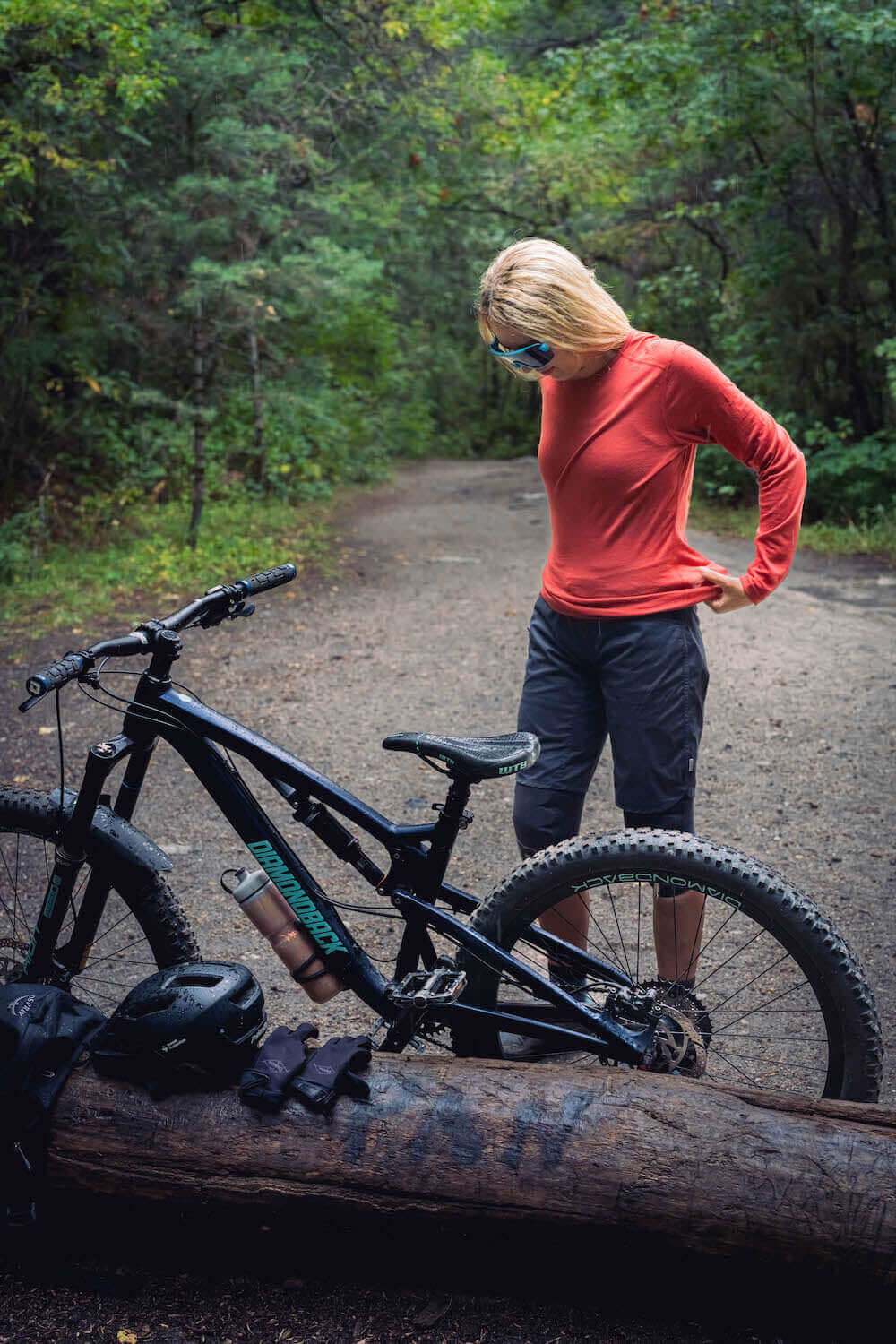
The Roman Trail Women's Merino Wool Base Layer ($49-59) handles the heat and humidity across the Bay Islands and the mainland.
Outer Layers
The Marmot Women's PreCip Eco Rain Jacket ($110) handles tropical rain, especially in Pico Bonito's cloud forest, where rain is a genuine year-round possibility.
Footwear
The Merrell Women's Moab 3 Waterproof Hiking Boot ($140) handles Pico Bonito's rainforest trails and the uneven stone terrain at Copan's ruins. Sandals cover West Bay Beach and casual days. Water shoes are worth packing for rockier reef entry points.
Swimwear and Reef Gear
At least two swimsuits for Roatan's beaches and diving. Reef-safe, mineral-based sunscreen is close to mandatory, since the Mesoamerican Barrier Reef is a living ecosystem and standard chemical sunscreens damage coral directly. A dry bag for boat crossings and reef excursions.
Documents and Essentials
Valid passport with at least six months validity remaining. US citizens do not need a visa for stays under 90 days. Honduran lempira is the official currency, though US dollars are accepted at many tourist-facing businesses on Roatan. Insect repellent for the mainland, particularly Pico Bonito. Travel insurance covering medical evacuation is genuinely worth prioritizing given the distance from advanced medical care on the Bay Islands.
Browse the full merino collection at Roman Trail women's merino base layers, available in eight colors with free two-day shipping and a two-year satisfaction guarantee.
Getting Around Honduras
Getting to Roatan typically means flying directly into Roatan's own airport from a US gateway city or connecting through San Pedro Sula's airport, and flying directly avoids passing through the mainland cities entirely, a genuinely practical option worth prioritizing given the safety picture above. A ferry also connects La Ceiba to Roatan for travelers combining the islands with a Pico Bonito visit, running multiple times daily and taking roughly ninety minutes each way.
On Roatan itself, taxis and organized tours cover most visitor needs, and the island's small size and concentrated tourism infrastructure around West Bay and West End make walking and short taxi rides genuinely sufficient for most itineraries without needing a rental car. Reaching Copan from the Bay Islands typically involves a flight back through San Pedro Sula followed by a private shuttle or organized tour directly to Copan Ruinas town, and booking this transfer through an established tour operator rather than arranging independent mainland travel is the generally recommended approach given the safety considerations covered above, since it minimizes time spent navigating the mainland cities independently.
Costs: What to Budget for Honduras
Honduras runs genuinely affordable relative to the quality of diving and archaeology on offer, particularly compared to Belize or the Cayman Islands for a similar reef diving experience. Budget travelers can expect to spend $30 to $50 per day, covering a hostel dorm on Roatan or Utila, local eateries, and shared transport. Mid-range travelers should budget $80 to $140 per day, covering a comfortable guesthouse or dive resort, restaurant meals, and paid activities like guided diving or a Copan tour. Luxury travelers can expect $200 or more per day at Roatan's higher-end dive resorts and beachfront properties.
Accommodation ranges from $10 to $25 per night for hostel dorms on Utila, $60 to $130 for mid-range guesthouses and dive resorts on Roatan, and $200 and up for luxury beachfront properties. Meals run $4 to $8 for baleadas or a casual local meal, $12 to $25 per person at a proper restaurant, and considerably more at Roatan's higher-end dive resort dining. A two-tank dive with a local shop typically runs $60 to $80, and Open Water certification on Utila, among the least expensive in the world, runs $250 to $350 including gear and multiple training dives. Copan's entrance fee runs around $15.
The Honduran lempira is the official currency, though US dollars are widely accepted on Roatan specifically, less so on the mainland, where carrying local currency is genuinely more practical. ATMs are available on Roatan and in Copan Ruinas town. Tipping around 10 percent at restaurants is appreciated, and dive shops generally welcome a tip for the dive crew directly.
Where to Stay in Honduras: Guesthouses and Hotels for Women
Roatan holds the highest concentration of established dive resorts, guesthouses, and hotels in the country, concentrated around West Bay and West End, both walkable, well-lit areas with a genuinely strong safety record and infrastructure built specifically around international visitors, including large numbers of solo women divers and travelers. This concentration makes Roatan the most straightforward and most comfortable base for a first-time visitor to Honduras.
Utila offers a smaller, more budget-oriented version of the same dive-focused tourism scene, with a genuinely social backpacker atmosphere that makes meeting other travelers easy for anyone traveling alone. Copan Ruinas town has a growing number of boutique guesthouses in restored colonial buildings, offering a quieter, more local alternative to the Bay Islands, and the small, walkable town center maintains a strong safety record given its compact size and heavy reliance on tourism.
Look for accommodation with secure entry, good reviews specifically mentioning solo women travelers, and, given the safety picture in this guide, genuinely prioritize established properties with a track record over newer, unverified listings, particularly for any mainland stay outside Copan Ruinas or La Ceiba's established tourist areas. Booking.com and Hostelworld both carry strong inventory for Roatan, Utila, and Copan Ruinas.
Diving the Mesoamerican Barrier Reef
The Mesoamerican Barrier Reef, the second largest barrier reef system in the world after Australia's Great Barrier Reef, runs along the Bay Islands' coastline, and Roatan sits directly on some of its healthiest and most accessible sections. Wall dives dropping from shallow reef flats into deep blue water, encounters with eagle rays, and, in season, whale sharks near Utila, make the diving here genuinely comparable to Belize or the Cayman Islands at a considerably lower cost for both certification courses and guided dives.
Roatan's dive infrastructure is genuinely mature, with dozens of PADI dive shops concentrated around West Bay and West End offering everything from a single introductory dive to full instructor-level certification, and gear rental is universal, meaning arriving without your own equipment is not a barrier to diving here. Utila, smaller and more budget-oriented, has built a specific reputation as one of the least expensive places in the world to complete an Open Water certification, drawing a steady stream of backpackers who arrive for a few days and stay for weeks, often returning years later specifically because of the island's dive community.
Copan's Mayan Legacy
Copan's hieroglyphic stairway, with 2,200 individual carved glyphs forming the longest known Mayan inscription anywhere, chronicles the dynastic history of the city's rulers across several centuries, and its position at the center of a site widely regarded as the most artistically sophisticated of all Mayan cities reflects Copan's historical role as a genuine center of scholarship, art, and astronomy within the broader Maya world. The elaborately carved stelae and altars found throughout the site display a level of three-dimensional stone carving detail genuinely unmatched at other major Maya sites in Guatemala, Mexico, or Belize.
The nearby Copan Sculpture Museum, entered through a genuinely striking recreated Maya tunnel, houses many of the site's original carved stones, protected from weathering and replaced at the ruins themselves with faithful replicas, allowing visitors to see the astonishing original detail up close in a way the open-air site alone no longer fully preserves after centuries of exposure. Copan Ruinas, the small colonial town adjacent to the site, offers a genuinely pleasant base with cobblestone streets and a much quieter pace than either the Bay Islands or the Honduran mainland cities.
Honduras Food and Drink
Baleadas, a thick flour tortilla folded around refried beans, cheese, and cream, and often expanded with eggs, avocado, or grilled meat, are Honduras's genuine national dish and available everywhere from street stalls to sit-down restaurants, and trying one from a small roadside stand rather than only a tourist-facing restaurant is a genuinely worthwhile detour on any Honduras itinerary. On Roatan specifically, the Garifuna community, descended from West African, Carib, and Arawak ancestry and concentrated in coastal communities along the Bay Islands and northern mainland coast, has a distinct culinary tradition built around coconut-based seafood, including conch soup, tapado stew, and fried fish with coconut rice, found nowhere else in Central America in quite the same form.
Honduran coffee, grown in the country's western and central highlands not far from Copan, has a genuinely strong specialty reputation among international roasters, and several farms in the region around Copan Ruinas offer tours combining a walk through the growing terraces with a proper cupping session. Pan de coco, a slightly sweet coconut bread found throughout Garifuna coastal communities, pairs well with the region's seafood-heavy cooking and makes a genuinely worthwhile breakfast alternative to a standard resort buffet spread.
Garifuna Culture on the Bay Islands and Coast
The Garifuna people, whose ancestors arrived in the region following a shipwreck and subsequent exile from the eastern Caribbean island of St Vincent in the eighteenth century, maintain a distinct language, music, and culinary tradition along Honduras's Caribbean coast and Bay Islands, recognized by UNESCO as an Intangible Cultural Heritage of Humanity. Punta, a rhythmic drum-based music and dance style, is the most visible and most widely celebrated expression of Garifuna culture, and visitors to Roatan or the mainland coastal town of Punta Gorda can often find live performances, particularly around community festivals and cultural celebrations held throughout the year.
Garifuna Settlement Day, commemorating the community's arrival on the Honduran mainland, is celebrated with particular energy each April in coastal Garifuna communities, and while it falls outside the peak dry season diving window, travelers specifically interested in Garifuna culture may find the timing genuinely worth planning around, since the celebrations offer a level of cultural immersion not available at any other point in the year.
How Many Days You Need in Honduras
Seven to ten days covers Roatan's beaches and diving, a trip to Copan, and time in Pico Bonito without feeling rushed at any point, and organizing the Copan portion around a direct flight and organized tour, as covered in the getting around section above, keeps mainland transit time genuinely minimal. A shorter four to five day trip focused entirely on Roatan is a genuinely comfortable and complete option for a beach and dive-focused visit that skips the mainland entirely.
Travelers with more time sometimes extend into a full two to three week Central America itinerary combining Honduras with Guatemala, given Copan's proximity to the Guatemalan border, though Honduras genuinely rewards a dedicated, focused trip on its own merits rather than only functioning as an add-on to a longer regional itinerary.
Essential Resources for Women in Honduras
Emergency numbers: Police 199, Ambulance 195, Fire 198, general emergencies 911
US Embassy in Tegucigalpa: Boulevard Los Proceres, Tegucigalpa, +(504) 2236-9320, hn.usembassy.gov
Official health authority: Honduras Secretaria de Salud
US State Department travel advisory: travel.state.gov Honduras advisory
UK FCDO travel advice: gov.uk Honduras travel advice
Official tourism authority: Honduras Tips, official travel guide, hondurastips.hn
Solo women safety assessment: Honduras carries a national Level 3 advisory, reconsider travel, the most serious rating of any destination in this guide series, but the risk is genuinely concentrated in Tegucigalpa and San Pedro Sula rather than distributed evenly across the country. Roatan, Utila, and Copan Ruins function as distinctly safer, well-policed tourist zones with established infrastructure and a long track record of safe solo women's travel. La Ceiba requires standard urban precautions rather than the relaxed approach appropriate on the Bay Islands themselves, and Gracias a Dios Department, under a separate Level 4 do not travel advisory, sits nowhere near any standard itinerary. Verify current State Department and FCDO advisories before booking, and structure your trip around direct flights and organized transfers rather than independent overland travel through the two major cities. If your itinerary stays within Roatan, Utila, Copan, and Pico Bonito, the practical risk profile looks considerably different from the national headline rating.
Browse the full merino collection at Roman Trail women's merino base layers before you go, and read the Roman Trail merino wool base layer guide for more on building a merino-first travel wardrobe. For the full destination packing breakdown, see the Honduras packing list for women, and browse the Roman Trail travel packing guide for more destinations.
Destination Guides for Honduras
Honduras divides sharply for a visitor and the two halves need different preparation. The Bay Islands, and Roatan in particular, sit on the Mesoamerican Barrier Reef, the second largest reef system in the world, and are an English speaking Afro-Caribbean island culture with cheap diving, a hyperbaric chamber on the island and a considerably calmer feel than the mainland. Copan, near the Guatemalan border, holds the finest Maya sculpture anywhere, including the longest hieroglyphic text in the Maya world, and sits in a small cobbled town at around six hundred metres. Both are hot, with the coast at 26°C to 31°C and the hurricane season running June to November. What applies across the country is the security advice, which should be read directly: the FCDO records violent attacks on people in cars and buses, recommends a reputable tour company for longer journeys and alternatives to public buses, notes petty theft in tourist areas including the Bay Islands, and advises against walking around the mainland cities. These guides cover the country and its two main destinations.
- Honduras packing list for women for a trip across the country.
- Roatan packing list for women for the Bay Islands, the reef and the diving.
- Copan packing list for women for the Maya site and the town beside it.
If the outer journey is calling you, the inner one usually is too. Explore SoulMap at romantrail.com/blogs/soulmap.
Blog posts
View all-

Packing List for Incheon: What Women Should Bring
What to pack for Incheon. South Korea's port and gateway city, with a built-from-nothing smart district, the country's only Chinatown, and a nine-metre tide.
Packing List for Incheon: What Women Should Bring
What to pack for Incheon. South Korea's port and gateway city, with a built-from-nothing smart district, the country's only Chinatown, and a nine-metre tide.
-

Packing List for Huacachina: What Women Should ...
What to pack for Huacachina. A desert oasis in southern Peru ringed by enormous dunes, where the buggy ride is the whole point and the FCDO names it by name.
Packing List for Huacachina: What Women Should ...
What to pack for Huacachina. A desert oasis in southern Peru ringed by enormous dunes, where the buggy ride is the whole point and the FCDO names it by name.
-

Packing List for Ollantaytambo: What Women Shou...
What to pack for Ollantaytambo. A living Inca town in Peru's Sacred Valley, the railhead for Machu Picchu, and the right place to sleep off the altitude.
Packing List for Ollantaytambo: What Women Shou...
What to pack for Ollantaytambo. A living Inca town in Peru's Sacred Valley, the railhead for Machu Picchu, and the right place to sleep off the altitude.


Contact form

Roman Trail Outfitters
Merino Wool Women's Long Sleeve Top | Crew Neck Shirt | Deep Olive