Fiji Travel Guide for Women

Photograph: The Taveuni coast looking toward Matagi by Barry Peters, CC BY 2.0, via Wikimedia Commons.
Fiji is more than 330 islands scattered across the South Pacific, only roughly a third of them permanently inhabited, and most visitors see a small and very particular slice of it: an airport on the dry western side of the main island, a transfer to a resort, and a boat to a sandbar. That slice is real and it is lovely. It is also not the whole country, and the gap between the resort version and the Fiji where people actually live is where most of the practical questions on this page come from: what to wear in a village, what to do when somebody hands you a bowl of kava, why the capital is so wet, and what happens if you get hurt on an island with no hospital.
Disclosure: This post contains affiliate links. If you buy through them, Roman Trail earns a small commission at no extra cost to you.
The short version for a woman travelling alone is that Fiji is a comparatively easy country. The UK Foreign Office advises against travel to no part of it, describes the risk of serious crime as generally low, and is unusually direct about the one thing it does want women to know, which is covered in full below. The harder parts of a Fijian trip are weather, distance and medical care, not people.
Is Fiji Safe for Women Travelers
The FCDO advises against travel to no area of Fiji, and it publishes no regional risks page for the country at all, which puts Fiji with the small group of countries where the advisory has nothing to map. Read its pages yourself before you go, because the advice is reviewed and the date on the page matters more than anything printed here. When this guide was written the landing page showed an update of 10 August 2026.
Crime, in the FCDO's own words. The advisory says the risk of serious crime is generally low, but that there are occasional incidents including sexual assault. It then says something it does not say about every country: take additional care when walking at night in cities, towns and isolated areas, particularly if you are a woman travelling alone, because there have been serious sexual assaults against foreign nationals in Fiji, including British women. That is the only women-specific line in the whole of Fiji's advice, and it is specific enough to act on. Do not walk alone after dark in Nadi, Suva or any town, and do not walk alone on an empty beach or a quiet road at night either, which is the isolated-areas half of the sentence and the half resort guests forget. Take a licensed taxi instead, even for a short distance, and arrange it through your hotel when you can.
Drink spiking and methanol. The FCDO carries its global warning on methanol in alcoholic drinks for Fiji as well: even small amounts can kill, and it cannot be identified by taste or smell. Buy drinks sealed or from places you trust, watch your glass, and treat sudden severe illness after drinking as an emergency rather than a hangover.
Scams and money. The FCDO warns of credit card fraud including skimming devices, so use machines inside banks where you can and cover the keypad. In markets, a traveller guide describes stallholders' relatives waiting outside to escort visitors in and becoming pushy once you are there: a firm no is enough.
Protests and politics. Fiji has had several coups since 1987, the most recent in 2009, and the FCDO's line is that protests can occur with little warning, and that you should avoid demonstrations, rallies, street gatherings and any area of obvious military or police activity. In practice this is a Suva consideration far more than a resort one.
Drugs. Possession of any amount of marijuana carries a three month prison sentence, according to the FCDO. There is no small amount that is tolerated.
Best Time to Visit Fiji
The year divides into a cyclone season and the rest. The FCDO says tropical cyclone season normally runs from November to April, but that cyclones occur throughout the year, bringing strong winds, heavy rain, flooding and landslides that damage and block roads. That is also the hottest and wettest stretch of the year. May to October is cooler, drier and calmer, and it is the season most people choose for a first visit, particularly for diving and the outer islands, where a rough crossing or a cancelled boat matters most.
Which side of the island you are on matters as much as the month. The mountains of Viti Levu catch the south east trade winds, so Suva on the south east coast averages around 3,000 millimetres of rain a year with no true dry season, while Nadi on the western side has a short dry season in July and August and receives far less rain. People in Suva call the west "the burning west", and the airport was put there partly because of it. So the same week can be a sunny beach holiday in Nadi and an umbrella-every-afternoon week in Suva, and a packing list has to cover both if you are crossing the island.
Cyclone season is not a reason to stay away, but it is a reason to build slack. Watch the Fiji Meteorological Service at met.gov.fj, local news and Radio Fiji GOLD, which are the sources the FCDO names, and keep at least two days between any outer island stay and an international flight. The National Disaster Management Office publishes preparation advice, although its website did not answer when this guide was checked. Fiji is also in an earthquake zone, and the FCDO notes occasional tremors that can trigger tsunami alerts: learn your accommodation's tsunami route on the first day, particularly anywhere on a low island.
For flowers and whales. Taveuni's tagimaucia, the national flower, which grows only in that island's highland rainforest, blooms from October to December, and humpback whales pass Taveuni in July.
Viti Levu: Nadi, the West and the Coral Coast
Almost every visitor to Fiji arrives at Nadi International Airport, which handles about 97 per cent of international arrivals, on the opposite side of Viti Levu from the capital. Nadi itself is a working town rather than a resort, the third largest in the country, with a large Indo-Fijian population that makes it a centre of Hinduism in Fiji. Its single great sight is the Sri Siva Subramaniya temple at the southern end of the main street, built in the Dravidian style of south India and photographed below. Shoulders and knees are covered to go in, and the temple lends a sarong and shawl if you arrive without them.

Photograph: Sri Siva Subramaniya temple, Nadi by Radoslaw Botev, CC BY 3.0 pl, via Wikimedia Commons.
Beyond the temple, Nadi is a base. Denarau, a few kilometres away across a short causeway, is a private resort development built on cleared mangrove with a golf course and a marina, and Port Denarau is the departure point for the boats to the Mamanuca and Yasawa islands. Lautoka, a sugar and port town, is a short bus ride north.
Driving south and east from Nadi takes you along the Coral Coast towards Sigatoka and on to Pacific Harbour, the nearest tourist-quality beach to Suva. The full crossing from Nadi to Suva is around four hours by bus on the Queens Highway or three by car, and it is a road to drive in daylight only.
Suva and the East
Suva is the capital, the largest city and home to many of the Pacific's regional organisations, and it is nothing like the west. The colonial authorities moved the capital here from Levuka in 1877, made it official in 1882, and the city sits on a hilly peninsula where it rains on most afternoons. It has no beach worth swimming from, and its coast is mangrove. What it does have is the Fiji Museum in Thurston Gardens, founded in 1904 and holding the largest collection of Fijian artefacts anywhere, according to the encyclopaedia; a municipal market where you can see what the country actually eats; Cumming Street, a shopping street since colonial times; and the main campus of the University of the South Pacific.

Photograph: Suva harbour by Qiliho, CC BY 3.0, via Wikimedia Commons.
The photograph is Suva harbour, with fishing boats moored below the city's office towers. It does not show the streets or the market, and the rain is missing too, which in Suva is the least representative thing about it.
Suva is also where Fiji's medicine is. The Colonial War Memorial Hospital, which the FCDO's own list describes as the country's major teaching and referral hospital, is here, and so is the only hyperbaric recompression chamber in Fiji. That single fact shapes every dive trip in the country and is covered in the resources section at the end of this page.
Levuka, on the island of Ovalau off Suva, was the capital before 1877 and was inscribed as a UNESCO World Heritage Site in 2013 as a late colonial Pacific port town. It is reached by bus and ferry from Suva, it is quiet, and its timber buildings are its whole heritage, which is also why the town is so vulnerable to fire. It has no post in this library yet.
The Outer Islands: Mamanucas, Yasawas and Taveuni
The Mamanuca islands lie just west of Nadi, about twenty of them, some of which disappear at high tide. They are the classic day-trip and resort islands, with accommodation running from expensive private resorts to backpacker places, and the American television show Survivor has filmed there for years. The Yasawas continue north in a chain of about twenty volcanic, mountainous islands stretching more than 80 kilometres, further from Nadi, less developed and served by the boats from Port Denarau. On both, your accommodation is your whole world: the shop, the doctor, the transport and the weather forecast all come through the front desk, so ask about each before you book.
Taveuni, the photograph at the top of this page, is Fiji's third largest island and is known as the garden island. It is wet, green and volcanic, the 180th meridian runs across it (the international date line itself is bent to pass east of Fiji, so you cannot actually stand in two days), its Bouma waterfalls are the most famous in the country, and the Rainbow Reef in the Somosomo Strait is described in the encyclopaedia as one of the world's premier soft coral dive areas. It is reached by domestic flight to Matei at the northern end or by ferry via Savusavu on Vanua Levu, and its main hospital is at Waiyevo.
The sea crossings are the risk to manage. The FCDO tells travellers to check a boat operator's credentials and safety equipment before boarding any inter-island vessel, to avoid any vessel that is overloaded because it is in danger of capsizing, particularly in poor weather, and to check there is life-saving equipment for everyone aboard. If the boat looks wrong, wait for the next one. Phone coverage on outlying islands can be limited or non-existent, so tell someone your crossing time and arrival.
Diving. The FCDO's diving section is blunt: schools may have limited resources and do not always observe safety and maintenance standards. Ask to see an operator's credentials, check the equipment, confirm there is oxygen on the boat, and check the status of the Suva recompression chamber before you dive, because the FCDO says it is not always working. Strong currents in the Somosomo Strait make it a poor place for a first dive.
Swimming. There are dangerous rip tides along reefs and river estuaries. The FCDO's instruction is to swim from lifeguarded beaches and follow the flags unless you have reliable local knowledge, and to be aware of jellyfish and follow local advice.
Reef safe sunscreen, and what the label actually means: oxybenzone and octinoxate, two common chemical UV filters, are associated with coral bleaching and damage to coral larvae, and they wash off swimmers and snorkellers directly onto the reef. Several reef destinations around the world have banned them outright. BUT NOTE THAT THE PHRASE REEF SAFE IS NOT REGULATED ANYWHERE, so it is a marketing claim and not a certification, and a bottle carrying it may still contain filters you would rather leave on shore. The practical version is to read the ingredients rather than the front of the bottle and choose a MINERAL sunscreen whose active ingredient is non-nanoparticle zinc oxide or titanium dioxide, which sits on the skin rather than being absorbed. Mineral formulas are thicker and leave a white cast, which is the trade-off and is why they are worth buying before you travel rather than grabbing whatever the resort shop has. THE BETTER ANSWER IS TO WEAR A LONG SLEEVED RASH TOP IN THE WATER AND USE LESS SUNSCREEN AT ALL: it protects your back and shoulders, which are what burn while you are face down looking at coral, it does not wash off, and nothing it does reaches the reef. Most reef operators now hire or sell them, and many ask you to use reef safer products.
Fiji Destinations
Every Fijian destination this library covers, with what each one actually asks you to pack.
- Nadi packing list for women the arrival town on the dry western side of Viti Levu, its Hindu temple, Denarau and the boats to the outer islands.
- Suva packing list for women the rainy working capital on the south east coast, its markets, the Fiji Museum and the country's referral hospital.
- Taveuni packing list for women the garden island, its waterfalls, the 180th meridian and the soft coral of the Somosomo Strait.
Culture, Villages and Kava
Fiji is two main communities and English holds them together. Indigenous Fijians and Indo-Fijians, the descendants of Indian labourers brought by the British in the nineteenth century, make up most of the population. Fijian and a local Hindi are the home languages and English is the language everyone shares. The greeting you will hear all day is bula, which means hello and also life, and saying it back is the simplest courtesy available.
Village dress is not resort dress. The FCDO says topless bathing and public nudity are illegal, and asks visitors to cover shoulders and knees in rural villages and during kava ceremonies. A traveller guide adds that villages expect shoulders covered at all times and sometimes a sulu, the Fijian sarong, for everyone, and that beachwear belongs on the beach. In practice: a long skirt or sulu and a sleeved top, and take your cue from your hosts, who will tell you what is expected.
Kava, or yaqona, is the ceremony at the heart of a village visit. It is a peppery drink made from the root of a pepper plant, it numbs the lips and tongue for a few minutes, and if you are invited to a village it is the customary gift to bring, presented as the sevusevu. Accept the bowl when it is offered and follow what your hosts do. A traveller guide says it should not be consumed alongside alcohol, the FCDO notes the potential risk of liver toxicity, and you should not get into a vehicle with a driver who has been drinking it.
Sunday is quiet. Fiji is strongly Christian, and a traveller guide notes that many shops and businesses close on Sunday, with the sabbath beginning at six the evening before, while some observe Saturday instead. Plan Sunday meals and transport the day before, particularly outside the resorts.
Tipping is virtually non-existent, according to a traveller guide, though many resorts keep a Christmas box shared among all the staff, which is the right place for gratitude. The same guide notes that small things such as shoes are sometimes "borrowed" in villages, because Fijian culture encourages sharing: keep what you cannot do without in your bag.
What to Pack for Fiji: Women's Packing List
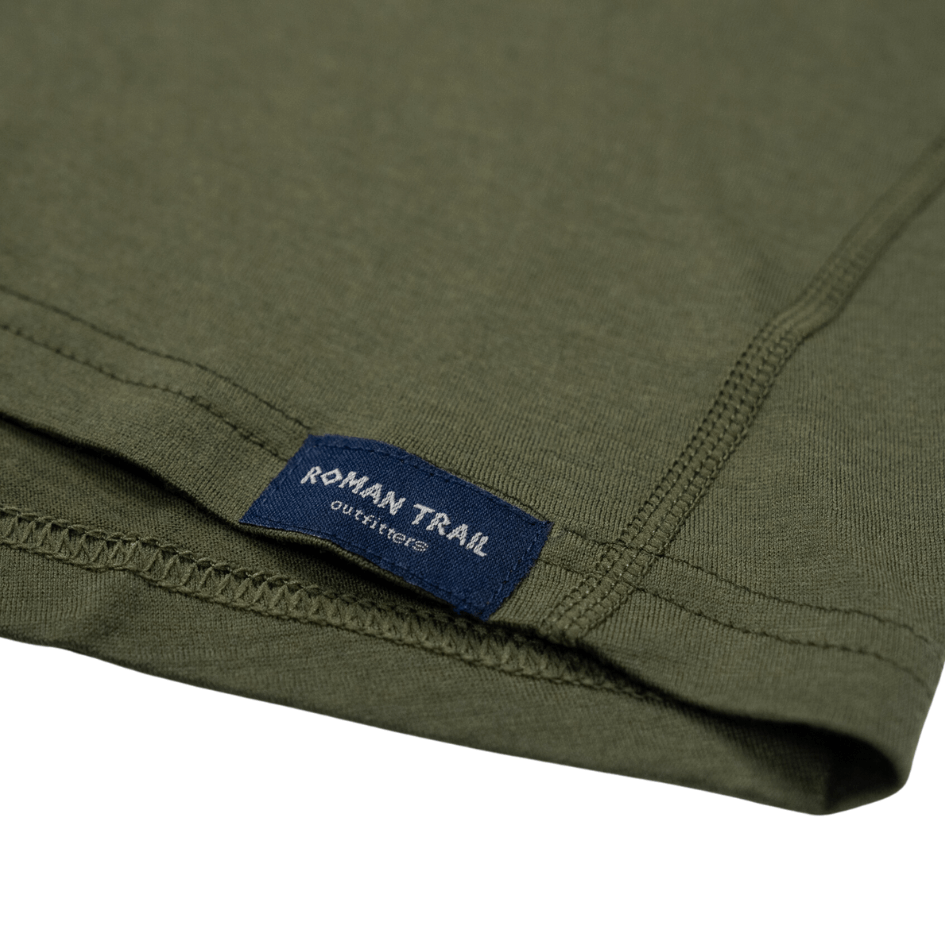
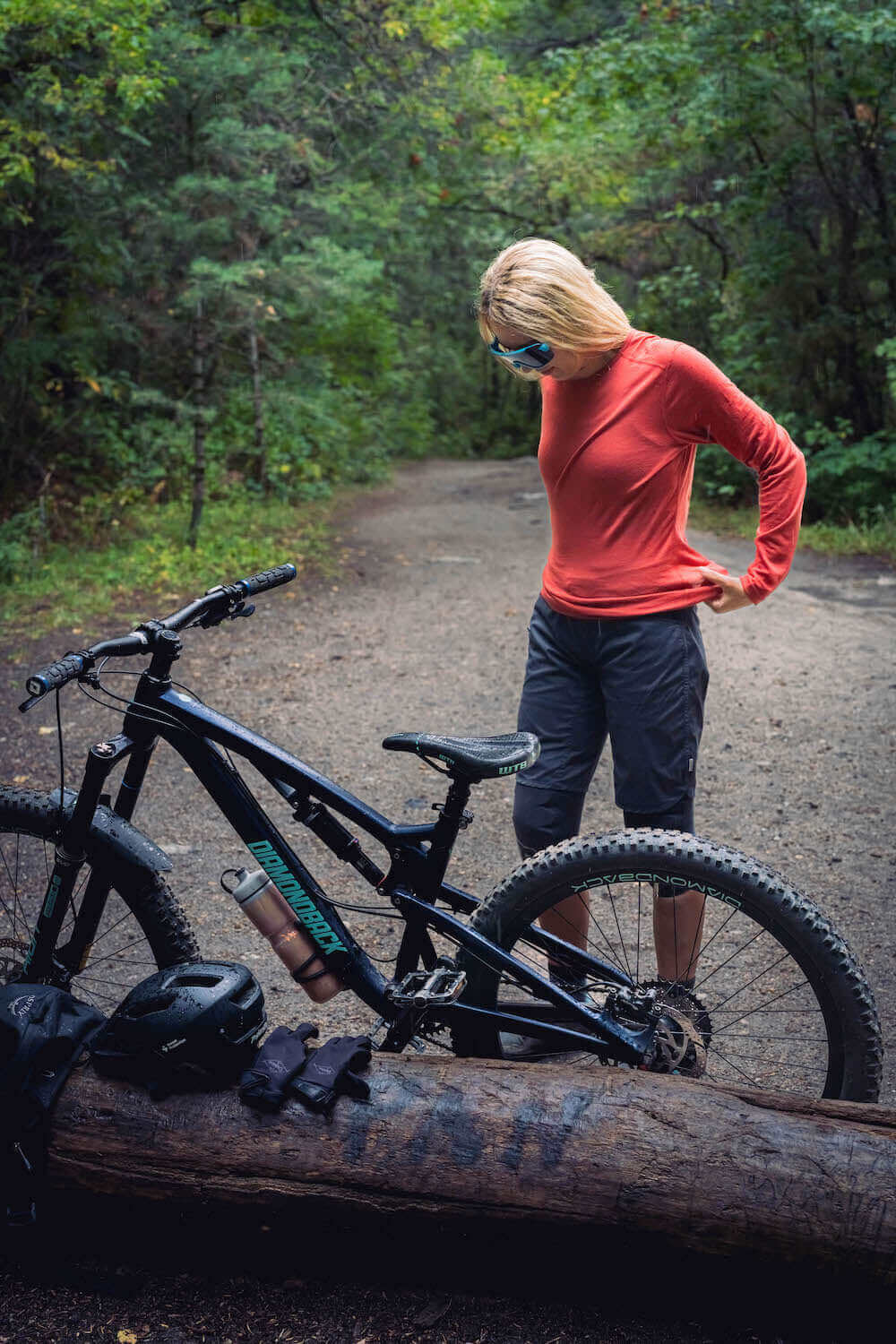
A long sleeve merino base layer, which is the most useful single garment for Fiji and not the one people expect. Our merino base layers are 100% Australian merino at 17.5 micron, and a lightweight long sleeve merino wool base layer for women solves three Fijian problems at once: it covers your shoulders and arms for a village or a kava ceremony without the cling of cotton in the humidity, it keeps the sun off on a boat deck, and it resists odour across days when laundry means a sink. On a cool night in the hills, or in a heavily air-conditioned plane, it is also the warm layer.
Something that covers your knees. A long skirt or a sulu bought on arrival does the work for villages, churches and the temple in Nadi, and doubles as a beach cover-up and a blanket on a cold ferry.
Sun protection, taken seriously. A traveller guide warns that the South Pacific sun can cause severe burns in a short time. A wide brim UPF 50 sun hat for land, and a Columbia Benton Spring II long hoodie or a rash top for the water, where your back burns while you look at coral. Mineral sunscreen, per the reef note above.
Rain, because of Suva and November to April. A packable Marmot PreCip Eco rain jacket covers the daily Suva downpour and a wet crossing. A waterproof dry bag keeps your phone, passport and cash dry in an open boat, which is the transport to most outer islands.
Insect repellent. The FCDO lists dengue, Zika and chikungunya among Fiji's health risks, all carried by day-biting mosquitoes, so a DEET insect repellent spray belongs in your day bag rather than your suitcase. A traveller guide notes that Fiji is free of malaria, which removes one worry and leaves these.
A quick dry towel. A quick dry travel towel earns its place on a village stay, a boat day and a budget room alike.
Reef footwear and first aid. Coral cuts infect easily in the heat, so bring water shoes for reef entries and an antiseptic and dressing kit. (This library holds no verified water shoe product, so none is linked.)
Documents and money. A passport valid for at least six months after arrival, an onward or return ticket, which the FCDO says you must show at the border, and a copy of your passport photo page kept separately. Visitors from the UK need no visa for stays of up to four months. Declare cash worth 10,000 Fijian dollars or more. Do not pack fresh food: customs X-ray all luggage arriving at Nadi and confiscate most of it. Carry some Fijian dollars, because the Australian dollar is not the preferred currency, and know that not every cash machine accepts every card; the FCDO names ANZ and Westpac machines as accepting Visa, Mastercard, Maestro and Cirrus.
A local SIM, bought at Nadi airport or a supermarket. The FCDO notes that you must register it, and that many UK phones will not roam in Fiji at all.
Getting Around Fiji
On Viti Levu, buses run often on the main road around the island and taxis are everywhere. The FCDO's rule is simple and worth following exactly: only use licensed taxis, which have a yellow registration plate, and only use minibuses with yellow number plates, because unlicensed ones are frequently uninsured. If a taxi has a meter, ask for it to be switched on; otherwise agree the fare before you get in.
Driving. You can drive on a UK licence. The FCDO describes many roads as in poor condition, vehicle safety rules as rarely enforced and driving standards as poor, and says to avoid road travel outside urban areas at night, because of the lack of street lighting and the pedestrians and animals on the road. Severe weather damages and blocks roads, so ask locally before a long drive.
Flights and boats link the islands. Nausori airport near Suva handles mostly domestic flights, and small planes serve the outer islands including Taveuni. Boats from Port Denarau serve the Mamanucas and Yasawas, and ferries link Suva with Ovalau, Vanua Levu and Taveuni. Weather cancels both, which is why the slack days above matter.
Where to Stay in Fiji
Nadi and Denarau are the practical first and last nights: Nadi itself is budget to mid-range, Denarau is the large resorts, and both are close to the airport and the boats. The Coral Coast suits a road trip and a quieter beach. Suva is for the city, the museum and the government business, and its hotels are geared to visiting officials rather than holidaymakers. The Mamanucas and Yasawas are island resorts from luxury to backpacker. Taveuni is small lodges and dive resorts, and the island's settlements sit mostly on its sheltered western side.
For a woman travelling alone, the useful questions to ask before booking an island are whether there is a boat transfer you can rely on, whether there is a staff member on site at night, how far the nearest clinic is and how a guest would be evacuated. Resort and lodge staff are used to all four questions. A village homestay is one of the best things you can do in Fiji, and is best arranged through an operator who knows the village, with kava for the sevusevu and clothes that cover your shoulders and knees.
Costs: What to Budget for Fiji
Fiji is cheap to live in and expensive to visit, and the difference is the islands. Local buses, market food, roti and curry in town cafes and taxis on Viti Levu all cost little. The resorts, the boat and plane transfers to the outer islands, and diving cost a great deal, and on a small island there is often no alternative to the resort restaurant. The FCDO also notes that hospitals usually ask for immediate cash payment, so keep a reserve of cash or available credit for a medical bill as well as for the trip.
Recommended Tours and Experiences
Essential Resources for Women in Fiji
Emergency numbers: 911 for ambulance, fire and police, and 910 for the fire service.
Tourist police: the FCDO lists no separate tourist police number for Fiji. Use 911 and report any crime to the police in the town where it happened, and keep the written report, which an insurer will ask for.
US State Department travel advisory: the Fiji advisory. Read the current level there directly rather than relying on a figure printed in any guide.
UK FCDO travel advice: gov.uk/foreign-travel-advice/fiji, and read the safety and security page rather than only the landing page, because that is where the substance sits.
FCDO advice for women: the FCDO links its advice for women travelling abroad from the Fiji sexual assault section, and it is the page to read alongside this one.
Main hospitals: the Colonial War Memorial Hospital on Waimanu Road in Suva, which the FCDO's list of medical providers describes as Fiji's major teaching and referral hospital and its largest and most advanced, and which holds the country's only hyperbaric recompression chamber. The same list, last updated in January 2022, names Lautoka Hospital in the west, Labasa Hospital on Vanua Levu and the private Zens Medical Centres in Nadi; the full FCDO list of English speaking doctors and medical facilities in Fiji has addresses. On Taveuni the main hospital is at Waiyevo. The FCDO says healthcare facilities are limited in range and availability, that people are often evacuated to another country for serious treatment, that there is no reciprocal healthcare agreement between the UK and Fiji, and that hospitals usually ask for immediate cash payment.
Official health authority: the Ministry of Health and Medical Services, Fiji. The ministry is also where public health notices on dengue and other outbreaks appear.
US Embassy: the United States Embassy in Suva.
Official tourism authority: Tourism Fiji, the national tourism board. For cyclone warnings use the Fiji Meteorological Service at met.gov.fj rather than a tourism site.
Diving: check the status of the Suva recompression chamber before you dive, because the FCDO says it is not always working, and confirm that your cover includes diving and medical evacuation.
Solo women safety assessment: Fiji is one of the easier countries in the South Pacific for a woman travelling alone, and the advisory is notable for what it does not contain: no advised-against area anywhere, no regional risks page, and a description of serious crime as generally low. The one thing it does say about women it says clearly, and it should be taken at face value: there have been serious sexual assaults against foreign nationals in Fiji, including British women, and the FCDO asks women travelling alone to take additional care walking at night in cities, towns AND ISOLATED AREAS. So the rule for Nadi, Suva and every island is the same: no walking alone after dark, including on a quiet beach, and a licensed yellow-plate taxi for any distance at night. Add the methanol warning and the caution against mixing kava with alcohol, cover your shoulders and knees in villages and at ceremonies, and avoid protests in Suva. The risks that are most likely to change your trip are not people at all: a cyclone between November and April, an overloaded boat, a dive far from the one recompression chamber, and a road at night. 911 for everything, 910 for fire, the Colonial War Memorial Hospital in Suva, and cash or credit in reserve because hospitals ask to be paid up front.
Reading On
The three Fijian destinations in this library are the place to start: the Nadi packing list for the arrival town and the islands off it, the Suva packing list for the capital and its rain, and the Taveuni packing list for the garden island and its reef. Many trips to Fiji are combined with New Zealand or Australia, so the Auckland packing list and the New Zealand packing list cover the obvious stopover, and for reef travel on the Australian side the Great Barrier Reef packing list and the Cairns packing list deal with the same sun, stingers and boat days. For another Pacific island chain with the same mix of volcano, rain and reef, read the Hawaii packing list and the Kauai packing list, and for heat and humidity in general the tropical travel packing list. For why merino is the layer that covers your shoulders in a village without overheating, read the guide to merino wool base layers for women. Every destination we cover is indexed at the travel packing guide for women, and the base layers are at the Roman Trail collection.
If the outer journey is calling you, the inner one usually is too. Explore SoulMap at romantrail.com/blogs/soulmap.
Blog posts
View all-

Kumasi Packing List for Women: Asante Capital a...
What to pack for Kumasi, Ghana: the Asante capital, its vast Kejetia market and royal museums, two rainy seasons, modest dress and specific safety advice for women.
Kumasi Packing List for Women: Asante Capital a...
What to pack for Kumasi, Ghana: the Asante capital, its vast Kejetia market and royal museums, two rainy seasons, modest dress and specific safety advice for women.
-

Port Stephens Packing List for Women: Dolphins ...
What to pack for Port Stephens, New South Wales: a large harbour north of Newcastle with volcanic headlands, dolphins, whales, sand dunes, rip currents and safety advice for women.
Port Stephens Packing List for Women: Dolphins ...
What to pack for Port Stephens, New South Wales: a large harbour north of Newcastle with volcanic headlands, dolphins, whales, sand dunes, rip currents and safety advice for women.
-

San Luis Obispo Packing List for Women: Mission...
What to pack for San Luis Obispo, California: a mission town between the mountains and the sea, with volcanic peaks to climb, morning fog, cool nights and safety advice for...
San Luis Obispo Packing List for Women: Mission...
What to pack for San Luis Obispo, California: a mission town between the mountains and the sea, with volcanic peaks to climb, morning fog, cool nights and safety advice for...


Contact form

Roman Trail Outfitters
Merino Wool Women's Long Sleeve Top | Crew Neck Shirt | Deep Olive