Costa Rica Travel Guide for Women: Everything You Need to Know

Costa Rica packs an outsized amount of variety into a country smaller than West Virginia. In one trip you can stand at the crater rim of an active volcano, walk suspension bridges through cloud forest canopy, surf a Pacific break at sunset, and watch sea turtles nest on a Caribbean beach accessible only by boat. Roughly a quarter of the country is protected national park or reserve, and the biodiversity packed into that space is genuinely staggering for a country this size.
That density of experience is exactly what makes Costa Rica rewarding and exactly what makes it worth planning carefully. The Pacific coast, the Caribbean coast, the volcanic highlands, and the deep rainforest of the Osa Peninsula are different climates with different demands, and moving between them within a single trip means packing and planning for genuine range rather than one version of "tropical."
This guide covers what you actually need to know before you go: safety, timing, regions, transport, budgeting, where to sleep, what to pack, and the cultural habits that make a trip to Costa Rica feel easy rather than improvised. Everything here is written specifically for women traveling solo, with friends, or with a partner happy to let the trip move at your pace.
Is Costa Rica Safe for Women Travelers
Yes, generally. Costa Rica is one of the most stable and safest countries in Central America, with no standing military and a long history of political stability that sets it apart from several of its neighbors. Violent crime against tourists is uncommon, and millions of visitors, including many solo women, travel here every year without incident. The real risks are more mundane and worth naming specifically rather than glossed over.
The most well-documented risk in Costa Rica is theft from rental cars, particularly break-ins at trailhead parking lots, beach access points, and national park entrances where a car sitting unattended for hours is a predictable target. Never leave valuables visible inside a parked car, and ask your accommodation or a park ranger about secure parking options before leaving anything in a vehicle.
Riptides are a genuine and underappreciated hazard at several unpatrolled Pacific beaches, and they cause more visitor deaths in Costa Rica in an average year than crime does. Check conditions locally before swimming, avoid swimming alone at unpatrolled beaches, and swim near lifeguarded areas where available, particularly at popular but exposed beaches like those around Tamarindo and Jaco.
Petty theft, bag snatching and pickpocketing, occurs in San Jose and busier beach towns and warrants the same awareness you would use in any city. Catcalling exists but is generally verbal and low-level. Solo dining, walking in well-lit tourist town centers in the evening, and using registered shuttles or taxis are all normal and low-risk throughout the country's tourist circuit.
Best Time to Visit Costa Rica
Costa Rica runs on two seasons that matter more than calendar months: dry season from December through April, and green season from May through November. The dry season is the most popular time to visit, with reliably sunny Pacific coast weather, the best beach conditions, and significantly easier road travel, especially to remote lodges on unpaved roads.
The green season brings rain, typically as dramatic afternoon and evening storms that clear by morning, leaving the mornings themselves often bright and clear. The landscape turns lush, waterfalls run full, wildlife is notably more active, and both crowds and prices drop considerably. Roads to remote areas can become genuinely difficult after sustained heavy rain, worth factoring into any itinerary involving 4WD travel to the Osa Peninsula or similar remote regions.
The Caribbean coast runs on its own rhythm, receiving rain more evenly throughout the year with relatively drier stretches from February through April and again from September through October, patterns that do not line up neatly with the Pacific side's dry and green seasons. If your itinerary spans both coasts, expect to pack for whichever season each coast is actually experiencing rather than the calendar as a whole.
Top Regions and What Each One Requires
The Pacific Coast
Stretching from the Nicoya Peninsula through Manuel Antonio and south to the Osa Peninsula, the Pacific coast holds Costa Rica's best-known surf breaks and beach towns alongside genuinely wild, remote stretches. Temperatures run consistently hot, low to mid 30s Celsius, with humidity that builds through the day. The Osa Peninsula and Corcovado National Park at the southern end are the country's most biodiverse and least developed corner, requiring real advance planning.
The Arenal Volcano Region
Centered on the town of La Fortuna, this is Costa Rica's most visited highland destination, built around an active stratovolcano, natural and developed hot springs, and adventure activities including white water rafting and canopy zip lines. Temperatures here are milder than the coast, and elevation means evenings cool down noticeably compared to the lowlands.
Monteverde and the Cloud Forests
Monteverde and neighboring Santa Elena sit at around 1,500 meters in permanent mist, home to some of the most biodiverse cloud forest reserves in the world and famously the resplendent quetzal. This is consistently the coolest and wettest stop on a typical Costa Rica itinerary, cold enough at night to genuinely need a warm layer regardless of season.
The Caribbean Coast
Puerto Viejo, Cahuita, and Tortuguero make up a culturally distinct Costa Rica, shaped by Afro-Caribbean heritage, reggae, and a slower pace than the Pacific side. Tortuguero, reachable only by boat or small plane, is the most important sea turtle nesting site in the western Caribbean and one of the best places in the country for wildlife viewing from small boats moving through jungle channels.
What Each Region Actually Asks of Your Itinerary
The Pacific coast rewards choosing one or two base towns rather than attempting the entire coastline, since distances and road quality between beach towns vary enormously. Corcovado specifically requires booking a licensed guide in advance, since independent hiking within the park is restricted, and demand for permits during dry season is high.
Arenal rewards booking hot springs and adventure activities ahead during dry season, when La Fortuna fills with visitors, and building in a rest day given how activity-dense the region tends to be. Monteverde rewards an early morning start for wildlife viewing and the hanging bridges, both because animals are more active at dawn and because the mist and crowds both thicken as the day goes on.
The Caribbean coast rewards slowing down more than any other region in the country; Tortuguero in particular requires committing to a boat or small plane transfer and a genuinely different pace once you arrive, since there are no roads connecting it to the rest of Costa Rica.
Most first-time visitors build a route combining two or three regions rather than attempting the entire country, and the logistics genuinely reward that restraint. A common and well-tested combination pairs Arenal or Monteverde in the highlands with one Pacific beach town, connected by a shared shuttle rather than multiple flights, giving a full sense of Costa Rica's range without the fatigue of constant transfers. Adding the Osa Peninsula or the Caribbean coast works best as a deliberate choice on a longer trip, ten days or more, rather than squeezed into a first-time week-long visit, since both regions reward the unhurried time a shorter, more compressed itinerary rarely allows.
What to Pack for Costa Rica
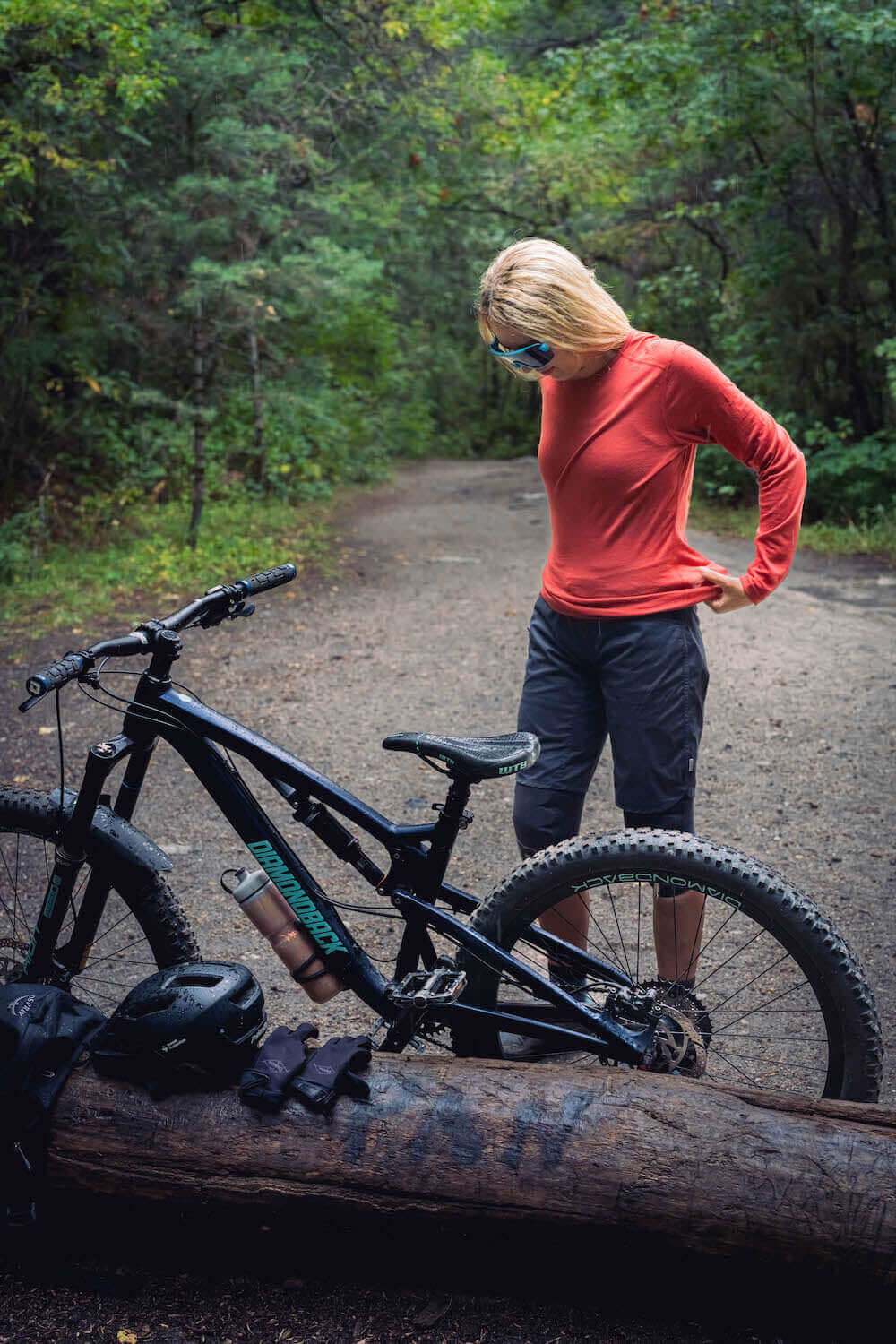
Costa Rica's packing challenge is less about temperature extremes and more about humidity, sudden rain, and trail conditions that punish the wrong gear. A merino wool base layer is the anchor of that system: it manages sweat and humidity far better than cotton, which becomes heavy and clammy within hours of activity in tropical heat, and it does not hold odor through multiple humid days the way cotton does.
Footwear needs to handle mud, river crossings, and uneven rainforest trails, particularly in Corcovado and the cloud forests, where real waterproof grip is not optional. Sandals or light water shoes cover beach towns and river crossings where keeping boots dry matters more than support.
Documents and health basics matter more here than in most of Roman Trail's destinations, given how remote some lodges genuinely are. Confirm your travel insurance includes medical evacuation coverage, particularly for any itinerary including the Osa Peninsula or Tortuguero, both accessible only by boat or small plane. Insect repellent with DEET is essential for lowland and jungle areas, and a dry bag protects electronics and documents on boat transfers and river crossings.
For the complete category by category breakdown, including specific product recommendations for base layers, footwear, and rain protection by region, see the full Costa Rica Packing List for Women, which covers exactly what to bring for the Pacific coast, the highlands, and the rainforest.
Roman Trail merino wool base layers are built for exactly this kind of trip. Shop women's merino base layers.
Getting Around Costa Rica
Costa Rica's terrain and road quality make transport planning more important here than in most Central American destinations. A 4WD rental car offers the most flexibility for itineraries spanning multiple regions, since many roads to beaches and remote lodges are unpaved and genuinely require clearance, particularly in green season. Shared shuttle vans connect the major tourist destinations reliably and are a strong option for a fixed, point-to-point itinerary without the responsibility of driving unfamiliar roads.
Domestic flights, operated primarily by Sansa and other small carriers, connect San Jose to remote destinations including the Osa Peninsula, Tortuguero's nearest airstrip, and other areas that would otherwise require a full day of driving and a boat transfer. For solo women, shuttles and domestic flights both remove the variables of driving on unfamiliar mountain and coastal roads alone, and are worth the modest added cost for peace of mind.
Arriving by air, Juan Santamaria International Airport near San Jose is the main gateway, with a secondary international airport at Liberia serving the northern Pacific coast directly, worth flying into if your itinerary is coast-focused and skips the capital. As with most of Latin America, arrange an official taxi or pre-booked transfer from either airport rather than accepting an offer from an unlicensed driver in arrivals.
Costs: What to Budget
Costa Rica is pricier than much of Central America, closer in cost to a mid-range European destination than to its regional neighbors. A budget traveler using hostels, local sodas (small family-run restaurants), and shared shuttles can manage on $50 to $80 per day. Mid-range travel, with three-star hotels or eco-lodges, sit-down meals, and a rental car, runs $150 to $250 per day. Luxury travel with boutique eco-lodges, private guides, and domestic flights to remote regions can exceed $350 to $500 per day.
Accommodation ranges from $20 to $35 per night for a hostel dorm bed, $70 to $150 for a comfortable mid-range hotel or eco-lodge, and $250 and up for high-end lodges, particularly in remote regions like the Osa Peninsula where limited supply keeps prices elevated. Meals range from $6 to $12 for a casual soda meal, $20 to $35 for a sit-down dinner, and considerably more at destination restaurants in beach towns like Santa Teresa or Tamarindo.
Costa Rica uses the colon, though US dollars are widely accepted and many prices, especially for tours and accommodation, are quoted directly in dollars. Cards work at most hotels and larger restaurants; carry colones for sodas, markets, and rural areas. National park entrance fees for foreign visitors typically run $15 to $20 per person, and popular parks like Corcovado and Manuel Antonio require a licensed guide, an additional cost worth budgeting for. Tipping around 10 percent is appreciated, though many restaurants already include a service charge on the bill.
Where to Stay: Hostels, Eco-Lodges, and Hotels for Women
Beach towns including Santa Teresa, Tamarindo, and Puerto Viejo all have well-reviewed hostels with female-only dorm options; look for keycard access, in-room lockers, and recent reviews from solo women travelers. San Jose has a smaller but solid hostel scene concentrated in the Barrio Escalante and Los Yoses neighborhoods, generally considered the city's safest and most walkable areas.
Eco-lodges are Costa Rica's signature mid-range and upscale accommodation format, particularly in Monteverde, Arenal, and the Osa Peninsula, often combining private rooms with guided nature access and a genuinely immersive setting. In remote areas like the Osa Peninsula and Tortuguero, lodges frequently include meals and guided activities as part of the rate, since independent dining and transport options are limited.
Booking.com and Hostelworld both work well throughout Costa Rica, with Hostelworld carrying more detailed hostel-specific reviews and filters for female-only dorms. For remote eco-lodges, booking directly through the lodge's own website sometimes surfaces better rates and more accurate availability than third-party platforms. Wherever you stay, prioritize properties with good recent reviews from solo women, and confirm transport arrangements to remote lodges before you arrive, since some are accessible only with pre-booked transfers. In beach towns specifically, look for properties with secure luggage storage and in-room safes given how frequently rental cars are targeted at nearby parking areas, and ask directly about after-dark security if arriving late or planning early departures for wildlife tours.
Costa Rican Etiquette and Cultural Norms
Costa Rica does not enforce strict dress codes, and the overall culture is casual and relaxed, in keeping with the national ethos of pura vida, pure life, a phrase used constantly as a greeting, a farewell, and a general philosophy of taking things easy. Beachwear is appropriate in beach towns but worth swapping for something slightly more put together in San Jose or nicer restaurants elsewhere. Punctuality runs looser here than in much of the developed world, and a scheduled tour or transfer running twenty minutes late is normal rather than a sign anything has gone wrong.
Ticos, as Costa Ricans call themselves, are generally warm, polite, and indirect in conflict, valuing courtesy and calm over directness. Meal timing runs earlier than much of Latin America: lunch, often the largest meal of the day, happens around noon, and dinner is commonly eaten by 7 or 7:30pm, especially outside the capital.
English is widely spoken in tourist areas, eco-lodges, and adventure tour operations, less reliably in rural towns and among older generations outside the tourist circuit. Basic Spanish phrases, gracias, por favor, and donde esta el bano, are appreciated and go further here than in some other Latin American destinations, since Costa Rica's education and English proficiency levels mean effort is noticed and reciprocated warmly.
Eating and Drinking in Costa Rica
Costa Rican food is simple, fresh, and built around rice, beans, and whatever produce or seafood is locally available. Gallo pinto, rice and beans cooked together with onion and cilantro, is the national breakfast, typically served with eggs, natural fruit juice, and sometimes a slice of local cheese. Casados, literally married, the standard Costa Rican lunch plate, pair rice and beans with a protein, salad, and fried plantain, and are the best value meal available almost anywhere in the country.
A soda, a small family-run local restaurant, is the best place to eat a casado and the backbone of everyday Costa Rican dining; seeking these out over restaurants with English menus and photos posted outside generally means better food for considerably less money. Solo dining is entirely normal throughout Costa Rica and draws no particular attention, especially at sodas, where a counter or shared table is standard and staff are generally warm toward a curious solo traveler.
Coffee deserves real attention here, since Costa Rica is one of the world's great coffee-producing countries, and the highland regions around the Central Valley and the Tarrazu area grow some of the most sought-after beans anywhere. Seeking out a genuinely good local cafe, rather than an international chain, is worth the small effort, and many highland farms offer tours that pair well with a cloud forest or Arenal itinerary.
Essential Resources for Women in Costa Rica
Emergency numbers: All emergencies 911. This single number covers police, ambulance, and fire across the entire country.
Tourist police: Costa Rica operates a dedicated tourism police unit, Policia Turistica, with a visible presence in major tourist areas including Manuel Antonio, Jaco, La Fortuna, and San Jose. They assist with theft reports, directions, and general visitor safety. For emergencies, use 911.
US Embassy in San Jose: Calle 98 Via 104, Pavas, San Jose. Phone: +506 2519-2000. Website: cr.usembassy.gov
Main hospital or clinic: Hospital CIMA San Jose, Autopista Prospero Fernandez, Escazu, is a private hospital with English-speaking staff and a 24-hour emergency department, commonly used by international visitors. Coastal and highland tourist towns generally have smaller private clinics; confirm your travel insurance includes medical evacuation coverage for remote areas like the Osa Peninsula and Tortuguero.
Official health authority: Ministerio de Salud, ministeriodesalud.go.cr
US State Department travel advisory: travel.state.gov Costa Rica advisory
UK FCDO travel advice: gov.uk Costa Rica travel advice. The safety and security section carries the detail that the landing page only summarises, and it is the page to read before you travel.
Official tourism authority: visitcostarica.com
Solo women safety assessment: Costa Rica is one of the safest and most stable countries in Central America for solo women travelers, and violent crime against tourists is uncommon. The real, well-documented risks are theft from rental cars, particularly at trailhead and beach parking lots, and riptides at several unpatrolled Pacific beaches, which cause more visitor deaths annually than crime does. Never leave valuables visible in a parked car, and check swimming conditions locally before entering the water at any beach without lifeguards. Solo dining, walking in well-lit tourist town centers in the evening, and using registered shuttles or taxis are all normal and low-risk throughout the country's tourist circuit.
Related Reading
For the complete packing breakdown, see the Costa Rica Packing List for Women. For packing guidance across every destination Roman Trail covers, visit the Women's Travel Packing Guide. You can read more about building a travel wardrobe around merino wool on the Roman Trail merino wool base layer guide.
Destination Guides for Costa Rica
Every Roman Trail destination article for Costa Rica, each with the packing detail specific to that city or region rather than a repeat of the country list.
- Costa Rica packing list for women for a full country itinerary.
- San Jose packing list for women the capital at 1,161 metres, and the transfers through it.
- Arenal packing list for women rainforest, hot springs and the volcano at La Fortuna.
- Monteverde packing list for women cloud forest at 1,400 metres and the cold nobody expects.
- Manuel Antonio packing list for women the smallest park, the easiest wildlife and the rip currents.
- Tortuguero packing list for women no roads, turtle nesting and rain most of the year.
- Cartago packing list for women for the old colonial capital at 1,435m, cool and wet between two active volcanoes.
- Jaco packing list for women for the closest surf beach to San Jose, rip currents and the named crocodile stretch.
- Puntarenas packing list for women for the sand spit, the Nicoya ferry and the hottest afternoons in the country.
- Uvita packing list for women for the Whale Tail sandbar at low tide and two separate humpback seasons.
- Puerto Limon packing list for women for the Caribbean port, Afro-Caribbean culture and a dry season that runs backwards.
- Puerto Viejo de Talamanca packing list for women for reef surf, bicycles and the indigenous territories of Talamanca.
If the outer journey is calling you, the inner one usually is too. Explore SoulMap at romantrail.com/blogs/soulmap.
Blog posts
View all-

Packing List for Tucson, Arizona: What Women Sh...
What to pack for Tucson: a 1797 Spanish mission, giant saguaros, a UNESCO food city and a summer monsoon that fills dry washes in minutes.
Packing List for Tucson, Arizona: What Women Sh...
What to pack for Tucson: a 1797 Spanish mission, giant saguaros, a UNESCO food city and a summer monsoon that fills dry washes in minutes.
-

Packing List for Sequoia National Park: What Wo...
What to pack for Sequoia National Park: the largest trees on Earth, 13,000 feet of elevation range, mandatory bear lockers and a road with a length limit.
Packing List for Sequoia National Park: What Wo...
What to pack for Sequoia National Park: the largest trees on Earth, 13,000 feet of elevation range, mandatory bear lockers and a road with a length limit.
-

Packing List for St Augustine, Florida: What Wo...
What to pack for St Augustine: a Spanish fort built of shell stone, the oldest continuously occupied European settlement in the continental United States.
Packing List for St Augustine, Florida: What Wo...
What to pack for St Augustine: a Spanish fort built of shell stone, the oldest continuously occupied European settlement in the continental United States.


Contact form

Roman Trail Outfitters
Merino Wool Women's Long Sleeve Top | Crew Neck Shirt | Deep Olive