Austin Travel Guide for Women: Everything You Need to Know

Austin is the most creative city in Texas and the most physically outdoor one, which is a strange combination to find in a place that spends three months of every year above 38 degrees. A capital city of 978,000 people on the Colorado River, it has more live music venues per capita than anywhere in the world, a spring-fed swimming pool at the center of its social life, 1.5 million bats living under a downtown bridge, and a food culture built on breakfast tacos and brisket.
Disclosure: This post contains affiliate links. If you buy through them, Roman Trail earns a small commission at no extra cost to you.
This guide covers what a woman planning an Austin trip actually needs: how safe the city is, what the seasons genuinely do and how serious the summer heat is, how the neighborhoods differ, how SXSW works and how far ahead to book, where to swim, how to see the bat flight, whether you need a car, what a week costs, where to stay, and what to pack.
The packing challenge is heat and the air conditioning that answers it. Austin summer runs 35 to 40 degrees for weeks at a time, and every restaurant and bar in the city responds by running the air conditioning near 20. You cross that boundary a dozen times a day. Add sun exposure at 30 degrees north with very little shade downtown, and the packing decisions that matter are fabric, sun protection, and water.
Is Austin Safe for Women Travelers
Austin is a generally safe city for women travelers, and it is one of the more comfortable American cities for solo travel because the outdoor culture means public spaces are genuinely busy with people at most hours.
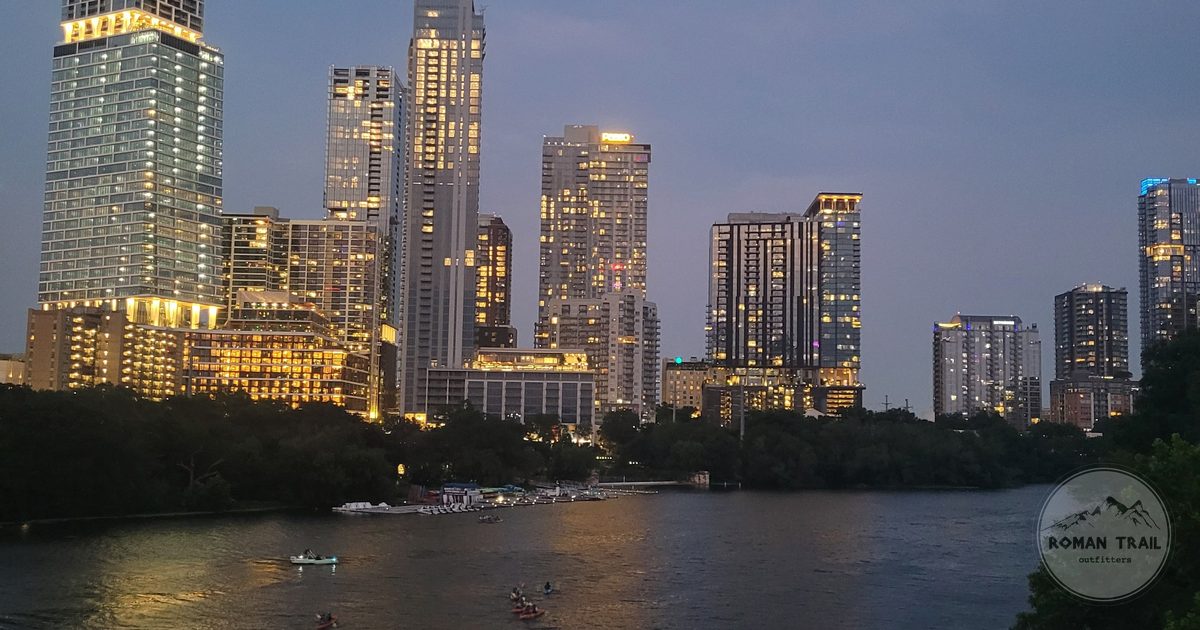
Downtown, South Congress, East Austin, Zilker, Hyde Park, Clarksville, and the university area are all comfortable to walk during the day and in the evening. Solo dining, solo hiking on the Greenbelt, and solo swimming at Barton Springs are entirely unremarkable, and the trail around Lady Bird Lake is busy with runners and walkers from dawn until well after dark.
The one area needing ordinary nightlife awareness is Dirty 6th, the west end of 6th Street between Congress and I-35, late on weekend nights. It draws large, young, heavily intoxicated crowds, and the associated risks are the standard ones: pickpocketing, drink tampering, and the disorientation of leaving a crowded bar at 2am. Watch your drink being poured, refuse one from a stranger, and arrange how you are getting back before you go out. Rainey Street and the East 6th music venues are calmer and more music-focused.
Car break-ins are Austin's most common property crime affecting visitors, and they happen at Greenbelt trailheads, Zilker Park, and Hamilton Pool as much as downtown. Leave nothing visible in a parked car, including in the trunk.
The genuine hazards in Austin are environmental rather than criminal. Heat illness in summer is a real risk for visitors who underestimate 39 degrees, and flash flooding in the creek beds and low water crossings around the Hill Country kills people most years. Never drive into water across a road, however shallow it looks.
Emergency number is 911. Austin has a 311 line for non-emergency city services. There is no separate tourist police force.
Austin's Seasons and the Truth About the Heat
Autumn, October through November, is the best time to visit Austin and it is not close. Temperatures run 15 to 28 degrees, the humidity is low, the sun is manageable, and every outdoor thing the city is built around is comfortable. Austin City Limits Festival takes two weekends in early October, which fills the city but is worth planning around rather than avoiding.
Spring, March through May, is beautiful and busy. Temperatures run 15 to 30 degrees, the Hill Country bluebonnets peak in late March and early April, and SXSW takes over the city for two weeks in March. Late spring brings the severe thunderstorms Central Texas is known for.
Summer, June through September, is the thing to plan around. Austin regularly runs weeks of consecutive days above 38 degrees in July and August, with overnight lows that stay above 25 and no meaningful relief until October. This is not weather you push through with determination. It reorganizes the day: outdoor activity before 10am, water or air conditioning from noon until five, everything social after sunset. Locals live this way all summer and visitors who do not are the ones who end up dehydrated and miserable. The upside is that summer is cheap, the swimming holes are the entire point of the season, and the bat colony peaks in August.
Winter, December through February, is mild at 5 to 15 degrees and pleasant for walking the city. Austin occasionally gets ice storms that shut everything down for a few days, which the city is genuinely unprepared for, but they are brief and rare.
South by Southwest
SXSW runs for roughly ten days in March and is three overlapping festivals: Music, with around 2,000 artists across 100 venues; Film, screening hundreds of independent features and documentaries; and Interactive, which has become one of the most significant technology and startup conferences in the world.
Book accommodation a year in advance if you are attending. Hotel rates triple or quadruple, availability disappears, and short-term rentals go early and expensive. This is the single most important piece of SXSW planning.
Badges are expensive, running from several hundred to well over a thousand dollars depending on tier, and they are worth it only if you intend to use the panels and official showcases. The unofficial layer is the other half of SXSW and much of it is free: day parties, brand activations, and unofficial showcases fill East Austin and Rainey Street throughout the festival, many with open RSVPs and free drinks. A great many people come to Austin during SXSW without a badge and have an excellent time.
Practically: downtown becomes largely impassable by car, rideshare surges enormously, and walking is the fastest way to move. Venues run late and the days are long. Comfortable shoes and a bag you can carry for fourteen hours matter more than anything else you pack.
Barton Springs and the Swimming Holes
Swimming is not a side activity in Austin. It is the organizing principle of the warm half of the year.
Barton Springs Pool in Zilker Park is a 200-meter natural pool fed by underground springs that holds a constant 20 degrees year round. On a 39-degree August afternoon that feels genuinely cold for the first minute, which is exactly why the whole city goes. Entry costs a few dollars, it opens early and closes late, and there are limited shaded areas on the grass banks. Bring a quick-drying towel, a coverup, and a hat, because you exit a cold pool into a hot afternoon.
The Barton Creek Greenbelt runs 12 kilometers southwest of downtown with rocky limestone trails and swimming holes at Twin Falls, Sculpture Falls, and Campbell's Hole. Water levels depend entirely on recent rain, and in a dry summer the creek can be down to pools or gone. The trails are loose rock with scrambling down to the water, so a real trail shoe rather than sandals is the difference between a good outing and a turned ankle.
Hamilton Pool Preserve, 45 minutes west, is a collapsed grotto with a 15-meter waterfall and is the most photographed swimming spot in Texas. It requires an advance reservation, which sells out, and swimming is sometimes closed on bacteria levels. Check before driving out.
Jacob's Well and Blue Hole in Wimberley, an hour southwest, are the two best Hill Country swimming holes. Jacob's Well requires a reservation and has had swimming suspended in recent dry years as the aquifer has dropped.
The Congress Avenue Bat Colony
Around 1.5 million Mexican free-tailed bats live under the Congress Avenue Bridge from late March through early November, the largest urban bat colony in North America. They emerge 20 to 30 minutes after sunset in a flight that can last 45 minutes.
The colony peaks in August, when the pups born in June are flying. Watch from the bridge sidewalk, from the lawn at the Statesman Bat Observation Center on the southeast bank, or from a kayak on the water, which is the best view. It is free from the bridge and the lawn.
These are wild animals on their own schedule, so some evenings are spectacular and others are thin. The Bat Hotline reports the previous night's emergence time. Bring water and insect repellent, and expect to stand outdoors for an hour in evening heat that has not yet dropped.
Austin by Neighborhood
Downtown, 6th Street, and Rainey Street
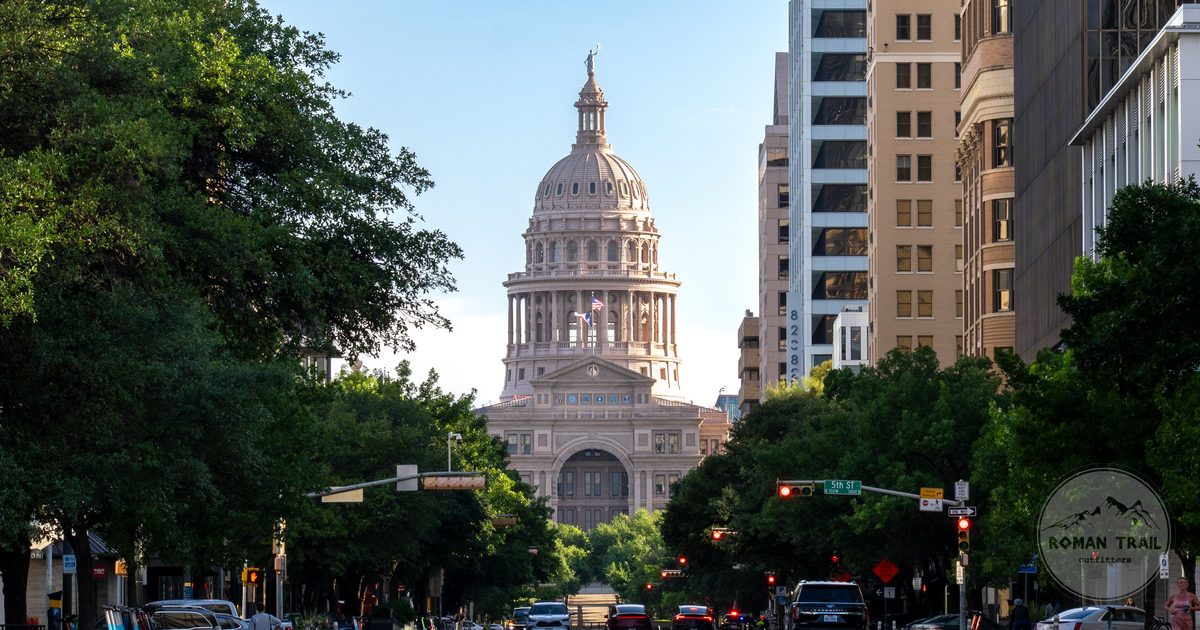
6th Street has two distinct halves. Dirty 6th at the west end between Congress and I-35 is the dense, young, loud bar strip. Red River and East 6th have the genuine live music venues, including Stubb's, the best outdoor music venue in Texas, and Mohawk. Rainey Street is a row of converted bungalows turned into bars, calmer and more pleasant than 6th. The Texas State Capitol sits at the top of Congress Avenue and is free to enter.
South Congress
SoCo has the most concentrated independent retail in Austin, the Hotel San Jose, the Continental Club, and the best view back toward the Capitol down Congress Avenue. It has become considerably more polished in recent years but remains the most enjoyable stretch of the city to walk.
East Austin
East of I-35, this is the most creative part of the city: food trailer parks, independent coffee, galleries, breweries, and the best new restaurants. It is also the neighborhood most changed by Austin's growth, layered over a historically Mexican American and Black East Austin that the city zoned into being a century ago, which is worth knowing while you are enjoying it.
Zilker, Clarksville, and Hyde Park
Zilker holds Barton Springs, the Greenbelt access, and the ACL festival grounds. Clarksville just west of downtown is small, historic, and walkable. Hyde Park north of the university is the prettiest residential neighborhood in Austin and has the best neighborhood diner in the city at Hyde Park Bar and Grill.
Getting Around Austin
Rideshare is the primary way visitors move around Austin and the honest recommendation for most trips. Uber and Lyft are plentiful and reasonably priced outside of SXSW and ACL. Budget $30 to $60 per day. Downtown to East Austin runs about $10 to $15; downtown to the airport about $25 to $35.
Downtown, South Congress, and Rainey Street are walkable within themselves and to each other, and the Lady Bird Lake hike and bike trail connects much of the central city on foot or by bike. MetroBike bike share works well along the water.
CapMetro runs buses and a single commuter rail line, neither of which is a practical way to see the city as a visitor. Austin-Bergstrom International Airport is 20 to 30 minutes from downtown.
Rent a car only for the Hill Country: Hamilton Pool, Wimberley, Fredericksburg, and the wineries all require one. Downtown parking runs $15 to $40 per night. Traffic on I-35 through the center of the city is genuinely among the worst in the United States, so build extra time into any crossing at rush hour.
What Austin Costs
Austin has become considerably more expensive over the last decade and now sits in the middle of the American range, well below New York or San Francisco but no longer cheap.
Budget travel runs $110 to $180 per day: a hostel bed at $40 to $75, food from breakfast taco counters and food trailers at $30 to $45, rideshare at $25 to $35, and free attractions including the Capitol, the bat flight, the Greenbelt, and most live music on a weeknight.
Mid-range runs $260 to $420 per day: a hotel room at $170 to $320, $70 to $100 on food including one proper dinner, rideshare at $40 to $60, and paid attractions and cover charges at $20 to $40.
Luxury starts around $600 per day, with downtown and South Congress hotel rooms running $350 to $800.
SXSW and ACL weeks are a separate calculation, with accommodation at three to four times normal rates and minimum-stay requirements.
Tipping is not optional. Restaurants expect 18 to 22 percent, bartenders $1 to $2 per drink, and food trailers usually have a tip screen where 10 to 15 percent is normal. Sales tax in Austin is 8.25 percent, added at the register.
Where to Stay in Austin
Downtown puts you within walking distance of 6th Street, Rainey Street, the Capitol, and the lake trail, and is the most convenient base for a first visit. Expect $200 to $400 per night, more during festivals. Ask for a room away from 6th Street if you want to sleep.
South Congress is the most pleasant area to stay: walkable, characterful, ten minutes from downtown by rideshare, with the best shopping and several of the best hotels in the city at $220 to $450.
East Austin has the best value for character, with boutique hotels and short-term rentals at $140 to $280 and the best food within walking distance. Rainey Street and the Seaholm district have newer hotels at $180 to $350.
Zilker and Barton Hills suit travelers whose trip is built around the springs and the Greenbelt, at $150 to $300, with a short rideshare downtown.
For solo women specifically: Austin hotels have staffed reception and card-access elevators as standard. Firehouse Hostel downtown and HK Austin are the hostels most consistently well reviewed by women traveling alone. Wherever you book, confirm there is a pool or reliable air conditioning if you are visiting between May and September, because it stops being a luxury and becomes the thing that makes the trip work.
What to Pack for Austin
Austin packs for extreme heat, aggressive air conditioning, and sun.
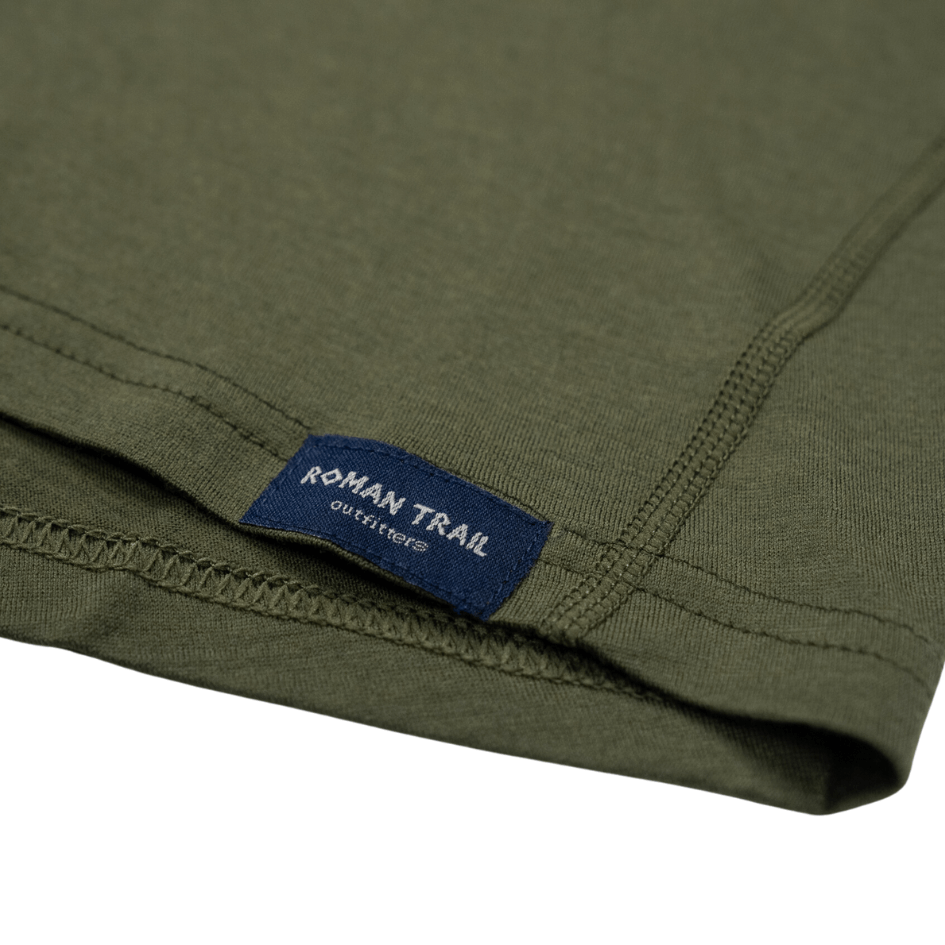
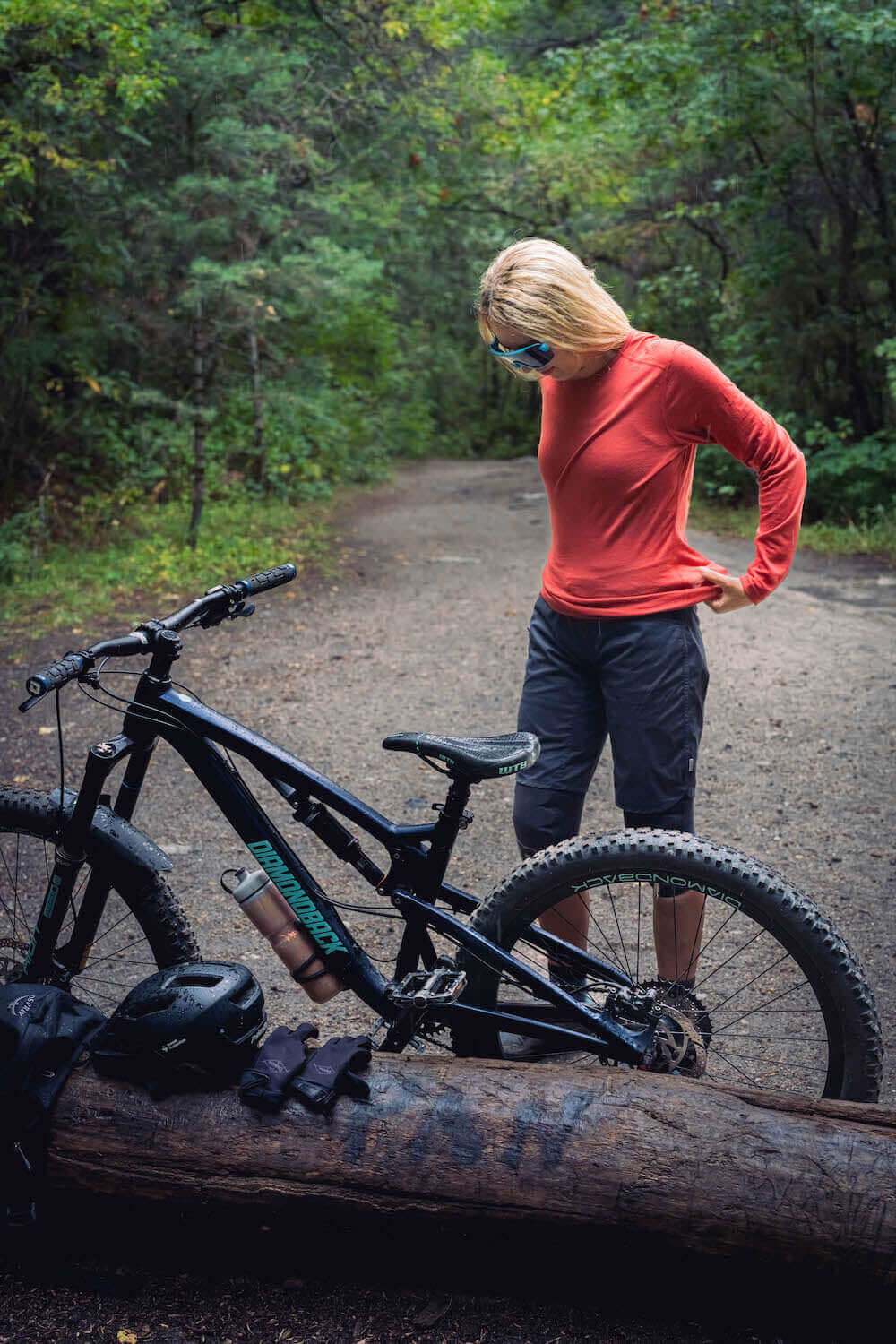
The Roman Trail Women's Merino Wool Base Layer ($49-59) is the foundation, and merino in 38-degree heat surprises people who associate wool with winter. The 160gsm weight breathes and moves sweat away from the skin rather than holding it there, which is the entire problem with cotton in a Texas summer, and it handles the crossing from a 39-degree street into a restaurant running the air conditioning near 20. It also does not develop odor after a sweaty day, which matters when you go from the Greenbelt straight to dinner. Two of them cover a week.
The Columbia Women's Fast Trek II Jacket ($65) is the indoor layer, needed year round, and the mild-winter layer from December through February. The Marmot Women's PreCip Eco Rain Jacket ($110) covers the Central Texas storms, which arrive fast and hard, particularly in spring.
Footwear matters because Austin is a walking city inside its neighborhoods and a scrambling one on the Greenbelt. The Salomon Women's X Ultra 4 GTX ($165) handles both the South Congress and East Austin pavement and the loose limestone down to the swimming holes, paired with Darn Tough Women's Hiker Micro Crew Merino Socks ($28). Add sandals for Barton Springs and one going-out option for 6th Street.
Treat a wide brim hat, SPF 50, and a refillable water bottle as required equipment rather than extras from May through September. Austin sits at 30 degrees north with very little shade downtown, and dehydration is the most common way a visitor's day here goes wrong. Bring a swimsuit in any warm month, because you will end up in the water.
The full clothing list, including the bat flight and Barton Springs specifics, is in the Austin packing list for women.
Browse the Roman Trail women's merino base layer collection, the layer that handles Texas heat and full-power air conditioning in the same afternoon, available in eight colors with free two-day shipping and a two-year satisfaction guarantee.
Day Trips from Austin
Fredericksburg, 90 minutes west, is the center of Texas Hill Country wine country, with German heritage architecture and Enchanted Rock State Natural Area nearby, a granite dome with the best short hike in Central Texas. Wimberley, an hour southwest, has Blue Hole and Jacob's Well.
San Antonio is 90 minutes south, with the River Walk and the Alamo, and the four Spanish colonial missions south of downtown are a UNESCO World Heritage Site and considerably more interesting than the Alamo itself. Lockhart, 40 minutes southeast, is the official Barbecue Capital of Texas, with four legendary smokehouses in a single small town.
Essential Resources for Women in Austin
Emergency number: 911 for all emergencies (police, ambulance, fire).
Non-emergency city services: 311, or austintexas.gov. Austin Police non-emergency: +1 512 974 5000.
Hospitals: Dell Seton Medical Center at the University of Texas, 1500 Red River Street, +1 512 324 7000, the region's Level 1 trauma center and closest to downtown. St David's Medical Center, 919 East 32nd Street, +1 512 476 7111. Ascension Seton Medical Center Austin, 1201 West 38th Street, +1 512 324 1000. All have 24-hour emergency departments.
Official health authority: Austin Public Health, austintexas.gov health department
Severe weather and flooding: National Weather Service Austin and San Antonio, weather.gov/ewx. Never drive into water across a road.
Official tourism authority: Visit Austin, austintexas.org, and austintexas.gov for official city information.
Travel advisories: US citizens travelling domestically need no advisory. International visitors should check their own government's United States advice, including the UK FCDO travel advice for the USA. The safety and security section carries the detail that the landing page only summarises, and it is the page to read before you travel.
Solo women safety assessment: Austin is one of the more comfortable American cities for solo women travelers, largely because its outdoor culture keeps public spaces genuinely busy, and the Lady Bird Lake trail, Barton Springs, South Congress, and East Austin are all unremarkable to visit alone at most hours. The nightlife caution is narrow and specific: Dirty 6th between Congress and I-35 on weekend nights draws large, heavily intoxicated crowds where pickpocketing and drink tampering are the realistic risks, so watch your drink being poured and settle your ride home in advance. The more likely dangers in Austin are environmental rather than criminal, so treat summer heat seriously with water and shade, never drive into water across a road during a Hill Country storm, and leave nothing visible in a parked car at Greenbelt and swimming hole trailheads.
Ready to plan your wardrobe for the trip? The complete Austin packing list for women covers the heat, the air conditioning, and what to bring for the springs.
Related Reading
Start with the Roman Trail travel packing guide for women for the packing system behind every destination on this site, and the guide to the best merino wool base layers for women for why merino works at 38 degrees as well as it does in the cold. For Austin specifically, the Austin packing list for women has the full detail.
If the outer journey is calling you, the inner one usually is too. Explore SoulMap at romantrail.com/blogs/soulmap.
Blog posts
View all-

Packing List for Anzio, Italy: What Women Shoul...
What to pack for Anzio: an hour from Rome, where Nero was born, where the Allies landed in 1944, and where the ferries leave for Ponza.
Packing List for Anzio, Italy: What Women Shoul...
What to pack for Anzio: an hour from Rome, where Nero was born, where the Allies landed in 1944, and where the ferries leave for Ponza.
-

Packing List for Mertola, Portugal: What Women ...
What to pack for Mertola: a white hilltop town above the Guadiana whose parish church is a mosque, with an abandoned British copper mine down the road.
Packing List for Mertola, Portugal: What Women ...
What to pack for Mertola: a white hilltop town above the Guadiana whose parish church is a mosque, with an abandoned British copper mine down the road.
-

Packing List for Marvao, Portugal: What Women S...
What to pack for Marvao: a walled village on a quartzite crag at 865 metres, where Saramago wrote that you can see the whole earth.
Packing List for Marvao, Portugal: What Women S...
What to pack for Marvao: a walled village on a quartzite crag at 865 metres, where Saramago wrote that you can see the whole earth.


Contact form

Roman Trail Outfitters
Merino Wool Women's Long Sleeve Top | Crew Neck Shirt | Deep Olive