

Montreal is the most European city in North America and the one that most successfully combines French cultural depth with North American energy in a genuinely bilingual city of extraordinary food, music, and winter endurance.
Disclosure: This post contains affiliate links. If you buy through them, Roman Trail earns a small commission at no extra cost to you.
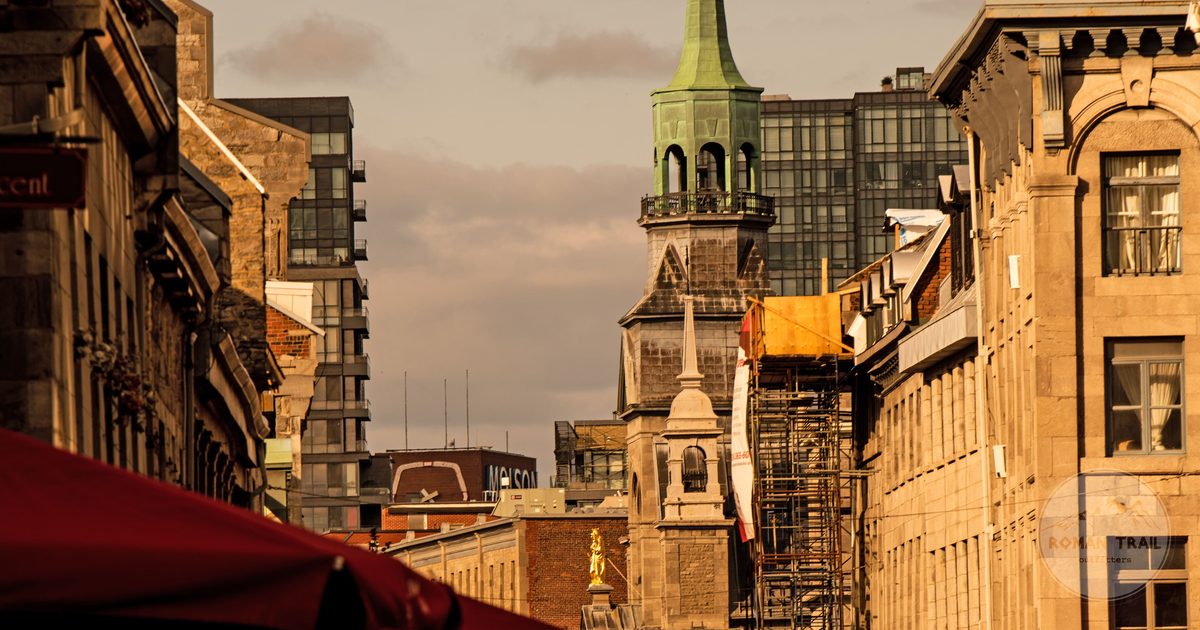
The Quebec city of 1.8 million people on the Island of Montreal in the St Lawrence River has the largest French-speaking population outside of Paris and a cultural identity shaped equally by its French Catholic heritage, its English commercial history, and the immigrant communities from Haiti, Lebanon, Portugal and beyond that have made it the most cosmopolitan city in Canada. Old Montreal, the historic port district, has the finest 18th and 19th century architecture in Canada in a neighbourhood of cobblestone streets that recalls the European cities that inspired its founders. The Montreal Jazz Festival is the largest jazz festival in the world by attendance, with 3,000 concerts over 11 days in late June and early July drawing 2 million visitors to the outdoor stages around Place des Arts. The Plateau-Mont-Royal is the most bohemian and most liveable neighbourhood in Montreal, with the finest independent restaurant and cafe culture in the city along Avenue du Mont-Royal and Saint-Denis Street. Mont Royal, the 233-metre hill at the centre of the island, was designed by Frederick Law Olmsted, the same landscape architect who designed Central Park, with the Cross of Montreal visible from throughout the city and the finest view of the skyline from the Kondiaronk Belvedere lookout.
Understanding Montreal's Climate
Montreal has one of the most extreme climates of any major North American city.
Winter from November through March: genuinely severe with temperatures from minus 20 to minus 5 degrees Celsius and significant snowfall. The underground city, the RESO, connects 33 kilometres of underground shopping and services, allowing Montrealers to survive the winter without surfacing. Montreal winter is not a reason not to visit. The Igloofest outdoor electronic music festival in January and February is one of the most extraordinary winter events in the world.
Spring from April through May: late arriving and brief. The city explodes into outdoor activity the moment temperatures rise.
Summer from June through August: warm and humid with temperatures from 25 to 30 degrees Celsius and the most concentrated festival season of any North American city. Jazz Fest, Osheaga music festival, the Grand Prix, and dozens of other events fill every weekend.
Autumn from September through October: the finest season, with the maple forests of the Laurentians north of Montreal turning extraordinary colour and the city at its most pleasant.
The number that matters most is the wind chill rather than the temperature. Montreal sits inland with nothing to break the wind coming off the St Lawrence, and a minus 15 forecast routinely feels like minus 28 on an exposed street. That gap is what catches out visitors who check the number and pack to it.
Recommended Tours and Experiences
The Layering System for Montreal
Base Layer
The Roman Trail Women's Merino Wool Base Layer ($49-59) is the most important garment for Montreal travel in any season. In winter its warmth retention in the extreme cold is essential. In summer its moisture management handles the humidity. In the transition seasons it handles the daily temperature swings that Montreal produces dramatically.
Bring two. Three for winter visits. The other reason it matters in winter is the indoor-outdoor cycle: Montreal buildings are heated hard, and you will move between minus 20 and plus 22 repeatedly through a single day, especially if you are using the RESO. Merino manages that transition without the clammy phase that makes cotton unpleasant.
Mid Layer
Montreal's winter requires the most serious mid layer of any destination in this guide. The Columbia insulated hooded jacket ($279) under a serious outer coat handles Montreal's genuine minus 20 cold. The Columbia Women's Fast Trek II Jacket ($65) handles spring, autumn, and summer evenings.
Rain Shell
The Marmot Women's PreCip Eco Rain Jacket ($110) handles Montreal's variable precipitation throughout the year.
Montreal Winter Packing: Specific Guidance
Montreal winter is real winter. Colder than Chicago. Colder than New York. Colder than most visitors are prepared for.
A serious outer coat rated to minus 25 degrees. Not a fashion coat. A Canada Goose or equivalent rated for genuine Arctic cold is what locals wear. Serious insulated waterproof boots. Balaclava. Wool or down mittens, not gloves. Hand warmers. Thermal underlayer bottoms.
The merino base layer is the foundation. Everything layers on top of it. Without it the system fails.
Two further things locals know. Mittens beat gloves by a clear margin below minus 15, because fingers sharing a compartment stay warmer than fingers separated. And the RESO is not a curiosity but the actual answer to a minus 25 day: 33 kilometres of connected underground passage means you can cross most of downtown, shop, eat, and reach a metro station without going outside once.
Footwear for Montreal
The Salomon Women's X Ultra 4 GTX ($165) handles Montreal's urban terrain in spring, summer, and autumn. For winter, serious insulated waterproof boots with ice grip are non-negotiable. Montreal sidewalks in January are ice. One dressier pair for the excellent restaurant scene. Two to three pairs total.
The ice deserves emphasis. Montreal's freeze-thaw cycle glazes sidewalks repeatedly through the winter, the city grits rather than fully clears many residential streets, and falls send more visitors to hospital here than anything else. Slip-on ice cleats are cheap, pack flat, and are worth carrying from December through March.
For socks the Darn Tough Women's Hiker Micro Crew Merino Socks ($28) handle Montreal's terrain without blisters and keep feet warm in cold conditions.
Seasonal Clothing Lists
Winter Montreal
Three merino base layers. Two thermal long sleeve tops. Thermal bottom underlayers. Serious down jacket. Arctic-rated outer coat. Balaclava. Down mittens. Warm hat covering ears. Waterproof insulated boots with ice grip. Four to five merino socks plus heavier wool socks.
Summer Montreal
Two merino base layers. Two casual tops. One casual dress for Jazz Fest culture. Light fleece for cool evenings. Compact rain shell. Comfortable city shoes. Sandals. Three merino socks.
Autumn Montreal
Two merino base layers. Two quality casual tops. One quality evening outfit. Down or fleece mid layer. Compact rain shell. Waterproof city shoes. Three merino socks.
What Not to Bring to Montreal
Leave the fashion winter coat if you are visiting between December and March. A coat rated for a mild climate simply does not work at minus 20 with wind, and there is no way to layer around an inadequate shell.
Leave the heels. Old Montreal is cobblestone, the Plateau has outdoor staircases that are a defining piece of local architecture, and winter sidewalks are ice.
Leave the umbrella and leave the assumption that Montreal is expensive to dress for. It is not, but it is unforgiving of the wrong gear.
Montreal by Neighbourhood
Old Montreal, Vieux-Montreal, has the Notre-Dame Basilica, the most beautiful Gothic Revival church in North America with its extraordinary blue and gold interior, the Old Port with the Clock Tower and the summer beach at Plage de l'Horloge, and the cobblestone streets of the most European neighbourhood in Canada.
Plateau-Mont-Royal has Avenue du Mont-Royal, the finest neighbourhood commercial street in Montreal, the Carre Saint-Louis, the most beautiful park square in the city, and the independent restaurant culture that makes the Plateau the neighbourhood Montreal visitors return to most.
Mile End north of the Plateau has the most creative community in Montreal, the Fairmount and St-Viateur bagel shops, the two sides of the greatest bagel debate in Canada, and the Leonard Cohen mural on the building where he lived.
Downtown has the McGill University campus, the Montreal Museum of Fine Arts, and the underground city RESO accessed from any downtown metro station.
Dressing for Festival Season
Montreal's summer is one long festival, and packing for it is a different problem from packing for the winter.
The Jazz Festival in late June and early July puts most of its 3,000 concerts on free outdoor stages around the Quartier des Spectacles, which means standing outside for hours in humid 28 degree afternoons that drop sharply once the sun goes. Osheaga in August is a full outdoor festival on Parc Jean-Drapeau island. The Grand Prix in June turns Crescent Street into a street party.
What that asks for: comfortable shoes you can stand in for six hours, a layer for the evening drop, a compact rain shell because summer thunderstorms arrive fast, and a small zipped bag for crowds. Montreal dresses well and casually at the same time, so a good top and jeans covers almost everything, including most restaurants.
The other summer note is humidity. Montreal in July runs genuinely muggy, and the same merino layer that earns its place at minus 20 in January earns it again in August by moving moisture instead of holding it.
Montreal Packing FAQ
What is the underground city?
The RESO is 33 kilometres of underground pedestrian tunnels connecting the downtown metro stations, shopping centres, hotels, offices, and entertainment venues, allowing Montrealers to travel across downtown without encountering the winter surface. In January, when the surface temperature is minus 20 with wind chill, the RESO is the most practical urban infrastructure in the world.
What is the Montreal bagel and why does it matter?
The Montreal bagel is smaller, denser, sweeter, and wood-fire baked, in contrast to the New York bagel. The debate between Fairmount Bagel and St-Viateur Bagel is the most serious and most sustained food argument in Canada. Both have been open since the 1950s. Both are open 24 hours. Buy from both and form your own opinion.
Do I need French?
No, but a little goes a long way. Montreal is genuinely bilingual and service staff switch to English readily, particularly downtown and in Old Montreal. Opening with bonjour rather than hello is a small courtesy that is noticed and appreciated, and it costs nothing.
What food should I try in Montreal?
Poutine, the Quebecois dish of french fries, cheese curds, and gravy, that has spread globally but is best at La Banquise on Rachel Street, which serves it in 30 varieties 24 hours a day. Smoked meat sandwich from Schwartz's Deli on Saint-Laurent, the most famous deli in Canada. Tourtiere, the Quebecois meat pie. Crepes from any of the creperies on the Prince-Arthur pedestrian mall.
For the full city plan, including the seasons, the neighbourhoods, Jazz Fest, the RESO, the metro, costs, and where to stay, see the Montreal travel guide for women.
You can read more about building a merino-first travel wardrobe on the Roman Trail merino wool base layer guide. Browse the full collection at Roman Trail women's merino base layers, available in eight colors with free two-day shipping and a two-year satisfaction guarantee.
If the outer journey is calling you, the inner one usually is too. Explore SoulMap at romantrail.com/blogs/soulmap.


