

Dubrovnik is the most beautiful walled city in the Mediterranean and the one that most completely delivers the fantasy of a perfectly preserved Adriatic city of white limestone, terracotta rooftops, and impossibly blue sea.
Disclosure: This post contains affiliate links. If you buy through them, Roman Trail earns a small commission at no extra cost to you.
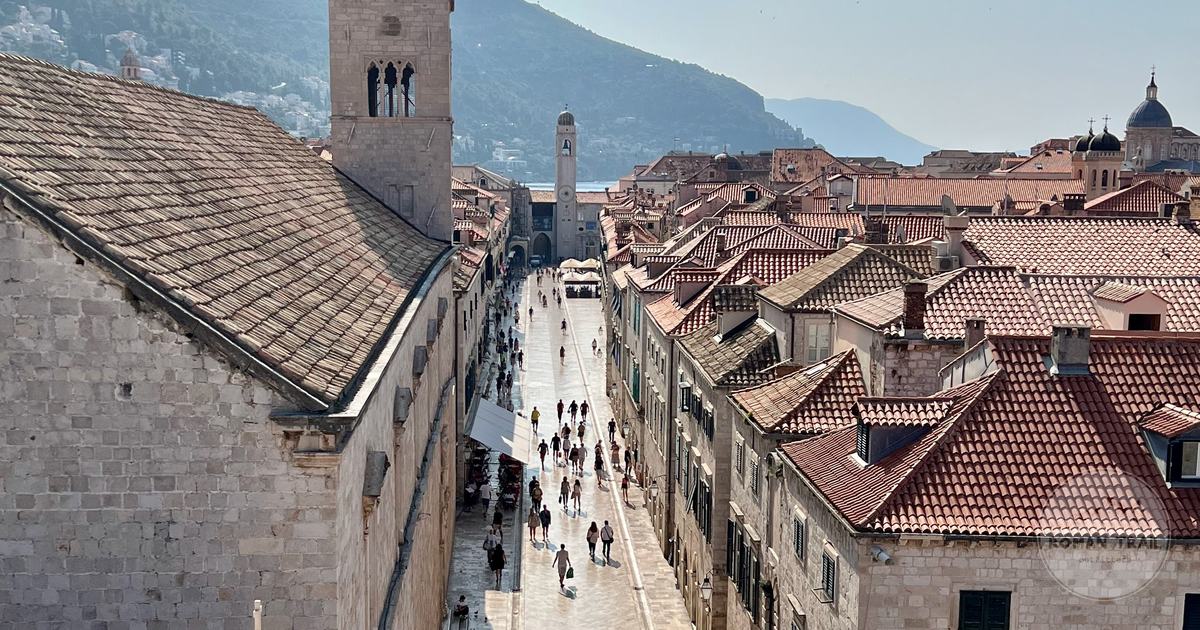
The Croatian city of 42,000 permanent residents has been protected by its massive city walls, built from the 14th through 17th centuries in one of the most complete medieval fortification systems in Europe. The 2-kilometer walk along the top of the walls around the perimeter of the Old Town, with views over the Adriatic on one side and the red-roofed medieval city on the other, is the most extraordinary urban walk in the Mediterranean. The Old Town within the walls has the Stradun, the main limestone-paved street that forms the social spine of the city, the Franciscan Monastery with one of the oldest pharmacies in Europe, operating continuously since 1317, the Dominican Monastery with its Tintoretto paintings, and the Rector's Palace.
Game of Thrones brought Dubrovnik to a new global audience as King's Landing, the capital of the Seven Kingdoms. The filming locations are throughout the Old Town and the surrounding coast, and a dedicated Game of Thrones walking tour connects them in an experience that is genuinely interesting even for non-fans, because the historical context of the actual buildings adds depth to what viewers saw on screen.
The Elaphiti Islands north of Dubrovnik and Lokrum Island directly offshore provide the island hopping culture that makes the Dubrovnik experience more than just the Old Town. Lokrum, with its botanical garden and peacocks roaming freely, is 10 minutes by boat. Hvar, the most sophisticated island in Croatia, is two hours by catamaran.
The Dubrovnik Crowds Reality
Dubrovnik is one of the most visited destinations in Europe relative to its size. The summer peak from June through August brings cruise ships that dock in the morning and pour thousands of visitors through the Pile Gate into the Old Town simultaneously. The best times to be in the Old Town are before 9am and after 6pm, when the day trippers have returned to their ships.
The Croatian government has implemented visitor number limits to the Old Town walls and the cable car. Book the walls walk in advance during peak season.
The practical consequence for your packing list is that your two best windows are early morning and evening, which in summer means starting the walls walk at opening in cooler air and being out on the Stradun after dark. Both are more comfortable than midday and both reward shoes you can walk several kilometers in rather than anything you would choose for a photograph.
Recommended Tours and Experiences
Understanding Dubrovnik's Climate
Dubrovnik has a Mediterranean climate with hot dry summers and mild wet winters.
Summer from June through September: hot with temperatures from 26 to 33 degrees Celsius, and the Adriatic at its most beautiful and most swimmable. The most visited and most crowded period.
Autumn from October through November: the finest time to visit, with warm temperatures from 15 to 22 degrees, the summer crowds gone, and the sea still warm enough for swimming through October.
Winter from December through February: mild with temperatures from 8 to 14 degrees and very few tourists. The Old Town in winter without the crowds has an extraordinary atmospheric quality.
Spring from March through May: warming, with the sea still cool but the weather ideal for exploring.
The number the forecast does not give you is the temperature on the walls themselves. The fortifications are white limestone with almost no shade along the circuit, and the stone reflects heat upward as well as absorbing it, so the walls in July run noticeably hotter than the shaded lanes of the Old Town below. Visitors who check the forecast and see 30 degrees are routinely surprised by what the wall walk actually feels like at noon.
The Layering System for Dubrovnik
Base Layer
The Roman Trail Women's Merino Wool Base Layer ($49-59) handles Dubrovnik's summer heat on the wall walk, where the white limestone reflects the sun and the temperature on the exposed walls significantly exceeds the shaded Old Town below. In autumn and winter it provides warmth against the Adriatic wind.
Bring two and rotate them. The other reason merino works here is coverage: the cathedral and the monasteries expect shoulders covered, and a light layer solves that without carrying a separate cover-up in Mediterranean heat.
Mid Layer
The Columbia Women's Fast Trek II Jacket ($65) handles Dubrovnik's autumn and winter cool.
Rain Shell
The Marmot Women's PreCip Eco Rain Jacket ($110) handles Dubrovnik's winter rain and the Adriatic wind. The bura, the cold northeasterly that comes down off the mountains behind the coast, is a genuine phenomenon rather than a breeze, and it can cancel ferry sailings and make the exposed sections of the walls unpleasant in any season.
Footwear for Dubrovnik
The Old Town walls walk and the limestone Stradun require comfortable shoes with grip. The limestone becomes genuinely slippery when wet, and the walls have uneven surfaces throughout. The Salomon Women's X Ultra 4 GTX ($165) handles Dubrovnik's terrain in all weather. Sandals for the beach and the boat trips to Lokrum and the islands. Two pairs total.
The Stradun deserves specific mention. Centuries of foot traffic have polished its limestone paving to a genuine shine, and it becomes treacherous in rain in a way that surprises people. Smooth-soled shoes are the wrong choice here even in perfect weather, because the walls circuit includes steep stone stairs with worn treads and no handrail in places.
For socks the Darn Tough Women's Hiker Micro Crew Merino Socks ($28) handle Dubrovnik's walking without blisters.
Clothing List
Two merino base layer tops. Two casual quality tops. One swimsuit for the Adriatic and Banje Beach outside the Ploče Gate. One beach coverup. Compact rain shell for winter and autumn. Waterproof city shoes with grip for limestone. Sandals for beach and warm days. Wide brim sun hat for the summer wall walk. Sunscreen SPF 50, mandatory for wall walk sun exposure. Three merino socks. Two casual socks.
Add water shoes or sturdy sandals if you plan to swim. Dalmatian beaches are pebble and rock rather than sand, and the entries at Banje and on Lokrum are sharp underfoot.
What Not to Bring to Dubrovnik
Leave the heels. Polished limestone, stone stairs, and a 2-kilometer wall circuit make this one of the least heel-friendly cities in Europe.
Leave the large suitcase if you are staying inside the walls. The Old Town is entirely pedestrianised, taxis stop at the gates, and many apartments are up several flights of stone stairs with no lift. This catches out more visitors than anything else here.
Leave the beach towel and buy or rent one; leave anything heavy you would have to carry through the Pile Gate and up a hill.
Dubrovnik by Experience
The Old Town walls walk is 2 kilometers, taking one to two hours, with the most extraordinary views in Dubrovnik. Book in advance. Go at opening time or in the late afternoon for the best light and the smallest crowds.
Lokrum Island, 10 minutes by boat from the Old City harbour, has botanical gardens, peacocks, a saltwater lake for swimming, a medieval Benedictine monastery, and the most pleasant half-day escape from the Old Town crowds.
The cable car from above the Pile Gate to Mount Srđ above Dubrovnik has the most complete panoramic view of the Old Town and the Dalmatian coast and islands. Worth the queue.
Hvar, the most sophisticated Croatian island, two hours by catamaran from Dubrovnik, has the most concentrated sailing and yacht charter culture in the Adriatic, St Stephen's Cathedral on its harbour square, and the Venetian fortress above the town.
The Game of Thrones tour connecting all the King's Landing filming locations throughout the Old Town and the surrounding coast provides the most structured way to combine cultural history with the filming context.

Packing for an Island Day
Any Dubrovnik trip worth taking includes at least one day on the water, and boat days need a slightly different bag from Old Town days.
Lokrum is the easy one: 10 minutes from the Old City harbour, and you can go on a whim. Take a swimsuit, something to swim in over sharp rock, sun protection, and water, since the island has limited facilities and closes to visitors overnight. The peacocks are unbothered by people and will investigate your bag if you leave it open.
The Elaphiti Islands and Hvar are full days, and the catamaran decks are exposed. Even in August, an hour of open Adriatic at speed is cooler and windier than the harbour you left, so a light layer and something windproof belong in the day bag rather than the hotel room. Bura conditions cancel sailings outright, so check the forecast the evening before and have a fallback plan for the day.
On any boat day, pack for pebble beaches rather than sand: water shoes or sturdy sandals, a quick-drying towel, and a dry bag or waterproof pouch for a phone, since tenders and small boats mean wet landings more often than not.
Dubrovnik Packing FAQ
How do I avoid the crowds in Dubrovnik?
Stay at least two nights and plan your Old Town time for before 9am and after 6pm, when the day-tripper cruise ship visitors have left. The Old Town at dawn, with the light on the limestone and the peacocks from Lokrum that sometimes wander through the Pile Gate, is completely different from the midday experience.
Is Dubrovnik safe for solo women travelers?
Dubrovnik is one of the safest destinations in Europe. Solo women travel Dubrovnik with complete comfort at all hours.
What should I wear for the walls walk specifically?
Treat it as a short hike rather than a stroll. It is 2 kilometers with steep stone stairs, almost no shade, and no water available for most of the circuit. Go at opening or after 5pm, wear shoes with grip, bring a hat and a full water bottle, and put sunscreen on before you start rather than halfway round. There is no shortcut off the walls once you commit to the loop.
What food should I try in Dubrovnik?
Black risotto, crni rižot, made with cuttlefish ink, from any of the Old Town konoba traditional restaurants. Fresh Adriatic seafood grilled simply on a wood fire. Peka, the Croatian slow-cooked dish of lamb or octopus baked under a bell-shaped lid in wood embers, which usually needs ordering hours ahead. Prošek, the sweet Dalmatian dessert wine, from any wine shop in the Old Town.
For the full city plan, including the crowds, the seasons, the walls, island hopping, the filming locations, where to stay, and costs, see the Dubrovnik travel guide for women.
You can read more about building a merino-first travel wardrobe on the Roman Trail merino wool base layer guide. Browse the full collection at Roman Trail women's merino base layers, available in eight colors with free two-day shipping and a two-year satisfaction guarantee.
If the outer journey is calling you, the inner one usually is too. Explore SoulMap at romantrail.com/blogs/soulmap.


