

Denver is the gateway to the American West and the city that most directly combines urban culture with immediate access to the most dramatic mountain landscape in the lower 48 states.
Disclosure: This post contains affiliate links. If you buy through them, Roman Trail earns a small commission at no extra cost to you.
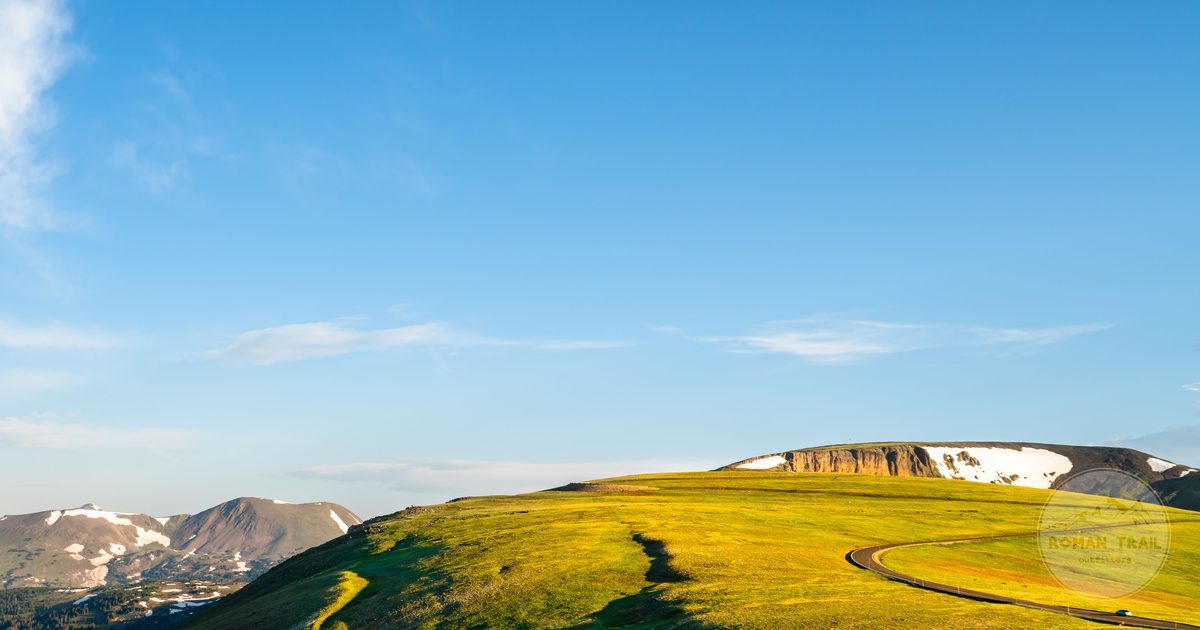
The Colorado capital of 715,000 people at 1,609 meters, exactly one mile above sea level, has the Rocky Mountains visible from downtown on clear days in a landscape of extraordinary proximity. Rocky Mountain National Park, 90 minutes northwest of Denver, has Trail Ridge Road, the highest continuous paved highway in the United States at 3,713 meters, with tundra meadows and elk and marmots above the tree line in one of the most accessible alpine environments in America. The ski resorts of Summit County 90 minutes west, including Breckenridge, Keystone, Arapahoe Basin, and Copper Mountain, provide the most accessible world-class skiing from any major American city. Vail and Beaver Creek two hours west have the most celebrated ski terrain in Colorado.
RiNo, the River North Arts District, is the most creative neighborhood in Denver, with the most concentrated gallery, street art, and restaurant culture in the city. The Denver Art Museum, with its Frederic C Hamilton Building designed by Daniel Libeskind, is the most architecturally ambitious museum building in the Mountain West. The Denver Botanic Gardens hold the finest collection of alpine and mountain plants in America.
The Altitude Reality
Denver at 1,609 meters affects visitors from sea level with mild altitude effects including headache and breathlessness during the first day or two. The mountain destinations above Denver reach significantly higher. Rocky Mountain National Park's Trail Ridge Road at 3,713 meters produces significant altitude effects in visitors who are not acclimatized. Breckenridge at 2,926 meters requires adjustment.
Pack accordingly: drink extra water from the moment you arrive. Avoid alcohol for the first day. Take it easy on arrival. The effects typically resolve within 24 to 48 hours.
The Colorado sun at altitude is also significantly more intense than at sea level. Sunscreen SPF 50 plus is essential for any outdoor activity, and sunburn happens faster than visitors expect even on overcast days.
Understanding Denver's Climate
Denver has a high-altitude continental climate with significant daily temperature variation and 300 days of sunshine per year.
Summer from June through August: warm with temperatures from 22 to 32 degrees Celsius in the city. Afternoon thunderstorms arrive from 2 to 4pm reliably from July through August in the mountains. The mornings are cool at altitude even in summer.
Autumn from September through November: the finest season, with cool temperatures from 8 to 22 degrees and the aspen trees turning extraordinary gold through September and October in the mountain valleys.
Winter from December through March: cold in the city from minus 8 to 5 degrees, with significant snowfall in the mountains providing the ski season. The famous Colorado Bluebird Days, when the sun returns after a storm, produce brilliant clear cold conditions.
Spring from April through May: highly variable, with warm days and late snowstorms possible through May.
The number that governs the packing list is the daily swing rather than the seasonal range. Denver's dry air at altitude holds very little heat once the sun drops, and a 20-degree swing between a 6am trailhead and a 2pm summit is routine in any season. This is why a layering system beats a single warm garment here more decisively than anywhere else in this guide.
The Layering System for Denver
Base Layer
The Roman Trail Women's Merino Wool Base Layer ($49-59) is the essential foundation for Denver's altitude climate. The daily temperature variation at altitude, from a cold morning to a warm afternoon to a cold evening, requires the temperature management that merino provides continuously. For skiing it is the critical base layer under ski gear.
Bring two and rotate them. Three for ski trips. The dryness at altitude is the other reason merino works well here: it manages sweat during a climb without the clammy phase that makes synthetics unpleasant when you stop moving at 3,000 meters and the wind picks up.
Mid Layer
Denver and the mountains require a serious mid layer for most of the year. The Columbia Women's Fast Trek II Jacket ($65) handles Denver's shoulder seasons and the mountain summers. The Columbia insulated hooded jacket ($279) handles Denver's winter and the ski slopes.
Rain Shell
The afternoon thunderstorms of Colorado mountain summer and Denver's variable weather make a rain shell essential. The Marmot Women's PreCip Eco Rain Jacket ($110) handles Colorado's mountain weather reliably.
Those storms are a safety matter above the tree line rather than a comfort one. Colorado afternoon thunderstorms build fast and bring lightning, and the standard mountain rule is to be off exposed ridges and summits by noon and heading down before 2pm.
Footwear for Denver
The Merrell Women's Moab 3 Waterproof Hiking Boot ($140) handles Rocky Mountain National Park trails, the mountain hiking around Breckenridge and Vail, and Denver's urban terrain. One comfortable casual pair for RiNo and the city. Two pairs total.
For socks the Darn Tough Women's Hiker Micro Crew Merino Socks ($28) handle Colorado mountain hiking without blisters.
Trekking Poles for Alpine Descents
For any Rocky Mountain hiking above the tree line, trekking poles reduce the knee stress of the descent on steep alpine terrain and significantly reduce fall risk on loose rock and scree. The Black Diamond Distance Carbon Z Trekking Poles ($170) fold down small enough to stow in a daypack on the way up and deploy in seconds for the way down, which is when they actually matter.
Clothing List
Two merino base layer tops. Two casual quality tops. Down jacket, essential for any mountain or winter visit. Fleece mid layer for shoulder conditions. Compact rain shell, mandatory for mountain afternoons. Waterproof hiking boots. Comfortable city shoes for Denver. Three to four merino hiking socks. Two casual socks. Sunscreen SPF 50 plus, mandatory.
Add lip balm with SPF, sunglasses with real UV protection, and a brimmed hat. At 1,609 meters in the city and above 3,000 in the mountains, UV intensity rises roughly 10 percent per 1,000 meters of elevation, and snow reflection in winter doubles the exposure again.
What Not to Bring to Denver
Leave the single heavy coat and bring layers instead. A 20-degree daily swing defeats one warm garment and rewards a base, a mid, and a shell.
Leave the fashion sneakers if the mountains are on the plan. Colorado trails are loose rock and scree, and the descents are where ankles go.
Leave the assumption that Colorado is uniformly cold. Denver gets 300 days of sunshine and reaches 32 degrees in July, and people underpack sun protection far more often than they underpack warmth.
Denver by Neighborhood
RiNo, the River North Arts District, has the most creative and most rapidly evolving neighborhood culture in Denver, with gallery hops on the first Friday of each month, food halls including The Source and Zeppelin Station, and street art covering every available wall surface.
Capitol Hill east of downtown has the Colorado State Capitol, the Denver Art Museum, and the most historic residential neighborhood in Denver.
Cherry Creek south of downtown has the finest upscale shopping and the Cherry Creek Trail, the 40-mile paved trail connecting downtown to the Cherry Creek Reservoir through the most scenic urban cycling corridor in Denver.
Larimer Square, the block of 1870s buildings downtown, has the most established restaurant scene in the city.
Packing for Rocky Mountain National Park
The park is 90 minutes from Denver and it is a genuinely different climate from the city, which is the single thing day trippers get wrong.
Trail Ridge Road tops out at 3,713 meters, roughly 2,100 meters above Denver, and the temperature difference runs 10 to 15 degrees colder with wind that is constant above the tree line. A July afternoon that is 30 degrees in the city can be 12 degrees and blowing hard at the Alpine Visitor Center. Snow lingers on high trails into July, and Trail Ridge Road itself is closed by snow from roughly mid-October to late May.
What that means for the bag: take the down layer and the shell even on a day the city forecast says you will not need them, and carry them rather than leaving them in the car. Add a hat and light gloves for anything above the tree line in any season. Start early, both for parking and to be off exposed ground before the afternoon storms build.
The park now runs a timed entry permit system during peak months, booked in advance online and separate from the entrance fee, and the Bear Lake corridor requires its own permit. Check current requirements before you drive up, because arriving without one is the most common way a day here goes wrong.
Denver Packing FAQ
Do I need altitude medication for Denver?
Most visitors do not need medication for Denver at 1,609 meters. The effects at city altitude are typically mild and resolve quickly. For the high-altitude mountains above 3,000 meters, acetazolamide can help visitors with a history of altitude sensitivity. Consult a doctor before any prescription medication.
What is the best day trip from Denver?
Rocky Mountain National Park for the most accessible alpine wilderness. The Estes Park approach through Big Thompson Canyon, with elk grazing the meadows at dawn and dusk, is the most accessible wildlife viewing near Denver. The Summit County ski resorts in winter. The Colorado Springs Garden of the Gods red sandstone formations one hour south for the most dramatic geology near Denver.
How should I pack differently for a ski trip?
Add a third merino base layer and merino base layer bottoms, since you will wear them every day under ski gear and they need to dry overnight. Goggles rather than sunglasses on the slopes, high-SPF sunscreen reapplied at lunch because snow reflection doubles exposure, and a neck gaiter for lift rides. Most people rent skis, boots, and poles in resort rather than flying with them, which is cheaper than the airline baggage fees.
What food should I try in Denver?
Colorado green chile, the Hatch or Pueblo variety, in a breakfast burrito at any of the Mexican restaurants in the Highlands neighborhood. Bison burger from any of the farm-to-table restaurants in RiNo. Rocky Mountain oysters at Buckhorn Exchange if you are feeling adventurous. Colorado craft beer from any of the 400 plus breweries in the state, with Great Divide and Odell producing the most celebrated.
For the full plan, including altitude guidance, the national park and ski resort day trips, getting around, costs, and where to stay, see the Denver travel guide for women.
You can read more about building a merino-first travel wardrobe on the Roman Trail merino wool base layer guide. Browse the full collection at Roman Trail women's merino base layers, available in eight colors with free two-day shipping and a two-year satisfaction guarantee.
If the outer journey is calling you, the inner one usually is too. Explore SoulMap at romantrail.com/blogs/soulmap.


